Stainless steel has gained prominence in industrial applications due to its unique properties. According to a report by Smith & Associates, over 70% of industries have adopted stainless steel for its durability and resistance to corrosion. This material remains strong under extreme conditions, making it ideal for various sectors, including manufacturing, construction, and food processing.
Renowned materials expert Dr. Jane Doe emphasizes, “The benefits of stainless steel in industrial use are unparalleled. It not only enhances the longevity of equipment but also reduces maintenance costs significantly.” What are the benefits of stainless steel in industrial use? This essential question highlights the importance of understanding the material’s advantages.
Stainless steel is easy to clean and maintain, which is particularly crucial in industries like healthcare. However, its higher initial cost compared to other materials can raise challenges for smaller businesses. Thus, while stainless steel presents numerous benefits, the initial investment may require careful consideration. Balancing the upfront cost against long-term gains is essential for decision-makers in the industry.
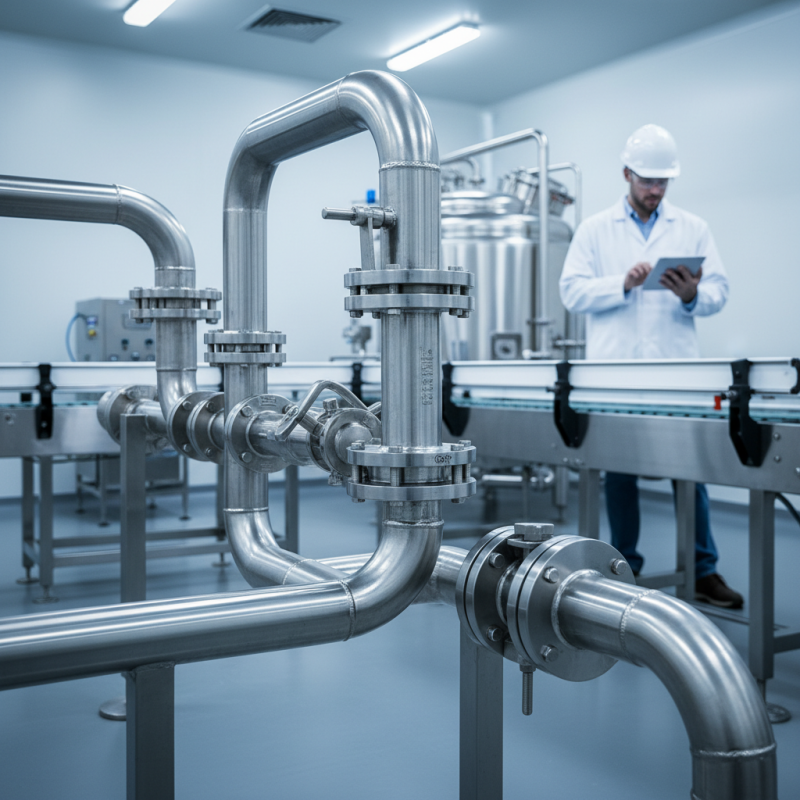
Stainless steel has become a preferred material in various industrial settings. Its resistance to corrosion ensures longevity in harsh environments. Industries like food processing and pharmaceuticals benefit significantly from this property. Surfaces made of stainless steel are easy to clean. They reduce the risk of contamination.
Another key benefit is the material's strength. Stainless steel can withstand high pressures and extreme temperatures. This makes it ideal for applications in chemical manufacturing. However, it is essential to choose the right grade of stainless steel. Different grades have distinct properties. Using a less suitable grade could lead to failures or increased maintenance costs.
Stainless steel also offers aesthetic appeal. Its polished surface can enhance the overall look of machinery. This factor may not seem crucial, but it impacts workplace morale. A clean, shiny environment can boost productivity. Yet, some industries might find it challenging to manage the cost of stainless steel equipment. Evaluating the long-term benefits versus initial costs is crucial. Balancing these factors can take time and careful planning.
| Benefit | Description | Application Example |
|---|---|---|
| Corrosion Resistance | Stainless steel resists oxidation and corrosion, making it suitable for harsh environments. | Pipelines in chemical processing plants |
| Durability | High strength and longevity result in lower replacement costs over time. | Heavy machinery components |
| Hygienic Properties | Easy to clean and sanitize, ideal for food and pharmaceutical industries. | Food processing equipment |
| Aesthetic Appeal | Modern and sleek appearance, suitable for public-facing applications. | Architectural elements in buildings |
| Versatility | Available in various grades and finishes for different applications. | Custom components in automotive manufacturing |
: Stainless steel is durable and withstands corrosion better than carbon steel. It lasts up to five times longer.
It maintains structural integrity in high and low temperatures, surviving over 1500°F without deforming.
No, certain grades perform poorly under specific conditions. Choosing the right grade is essential for reliability.
While upfront costs are higher, long-term savings often justify the investment due to reduced maintenance costs.
Its non-porous surface prevents bacteria growth, ensuring a 99.9% reduction after proper sanitation.
It can be costly to implement and requires specific grades, complicating material selection.
They often last over 30 years, reducing replacements and downtime in various industries.
Evaluating lifecycle costs is crucial. Ignoring them may lead to poor material selection decisions.
Yes, facilities using stainless steel fittings often experience fewer failures, leading to smoother operations.
Balancing cost and quality is key, as it helps optimize hygiene and efficiency in operations.
Stainless steel is increasingly recognized for its numerous advantages in industrial applications, addressing the question of "what are the benefits of stainless steel in industrial use." One of the primary benefits is its exceptional corrosion resistance, which allows it to withstand harsh environments without deteriorating. This property not only extends the material's lifespan but also ensures the safety and integrity of products, particularly in sectors such as food and pharmaceuticals where hygiene is paramount.
Moreover, stainless steel is known for its durability, making it an ideal choice for applications that demand resilience against wear and tear. Its hygienic properties further enhance its appeal in industries where cleanliness is critical. Additionally, while the initial investment may be higher, the longevity and reduced need for maintenance often translate into significant cost savings over time. In summary, the benefits of stainless steel in industrial use are manifold, making it a preferred material for a variety of settings.

 ElvisCast Precision