Industrial equipment must withstand moisture, heat, chemicals, pressure, and constant cleaning. Stainless steel often meets these demands with dependable performance and a long service life. That is why engineers use it in food processing lines, pharmaceutical vessels, water-treatment systems, storage tanks, and manufacturing plants. But what are the benefits of stainless steel in industrial use? The answer depends on the alloy, operating environment, fabrication quality, and maintenance plan.
Grades such as 304 and 316 provide useful resistance to rust and surface staining. Grade 316 usually performs better where chlorides or salt exposure are present. Smooth stainless steel surfaces also support hygienic cleaning, especially when welds and joints are properly finished. Its strength-to-weight ratio can reduce material thickness in selected applications. Stainless steel also tolerates repeated temperature changes and frequent washing better than many ordinary steels. Less replacement can mean fewer shutdowns. That matters.
However, stainless steel is not a universal solution. Poor grade selection may cause pitting, cracking, or unexpected maintenance costs. Contact with dissimilar metals can create galvanic corrosion. Scratches, trapped chemicals, and contaminated tools may also damage performance. A reliable decision requires technical specifications, risk assessment, inspection records, and advice from qualified engineers. The lowest purchase price may not produce the lowest lifecycle cost. In practice, careful design usually matters as much as the metal itself.
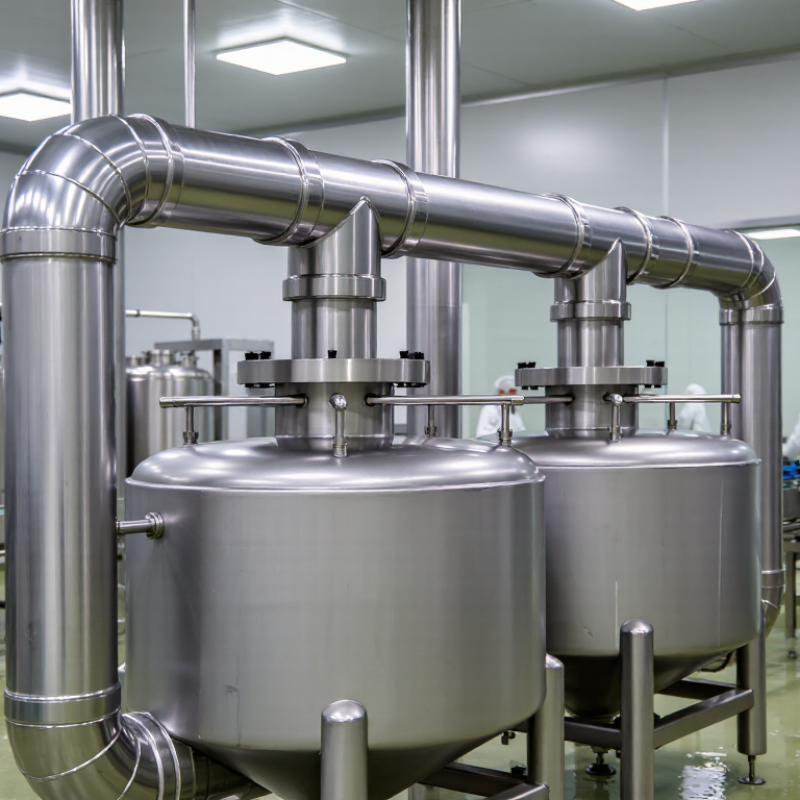
Stainless steel is an iron-based alloy containing at least 10.5% chromium. Chromium forms a thin, self-repairing oxide layer on the surface. This passive film protects the metal from ordinary atmospheric corrosion. It is invisible, but highly important.
Its core properties vary with composition and processing. Nickel can improve toughness and formability, while molybdenum can strengthen resistance to chloride exposure. Some grades remain reliable at elevated temperatures. Others provide higher hardness or better wear resistance. Engineers must select the grade for the environment, not appearance alone.
In industrial facilities, stainless steel often appears in tanks, pipelines, fasteners, food-processing tables, and medical equipment. Its smooth surface is easy to clean and less likely to retain residue. During maintenance work, this can reduce cleaning time and contamination risks. It also tolerates repeated washing better than many coated materials. A mistake is assuming that “stainless” means corrosion-proof. Saltwater, trapped moisture, and poor welding can cause pitting or discoloration. That assumption needs checking.
Proper fabrication matters. Scratches, iron particles, and rough welds may weaken surface protection. Design teams should avoid narrow crevices where water can remain. Stainless steel can also contact other metals and create galvanic corrosion. Its initial cost may be higher, but long service life can support lower replacement and maintenance costs. The calculation is not always simple. Temperature, chemicals, cleaning methods, load, and expected service time all deserve review.
Stainless steel performs well in demanding industrial environments because its chromium-rich surface forms a protective oxide layer. This layer repairs itself when exposed to oxygen, reducing routine corrosion on tanks, pipework, platforms, and processing equipment. NACE’s IMPACT study estimated that corrosion costs the global economy about US$2.5 trillion annually, equal to 3.4% of global GDP. Durable materials can reduce some of those losses. The savings are not automatic.
Hygiene is another practical advantage. Smooth stainless surfaces are easier to clean, inspect, and drain, which supports food, pharmaceutical, and water-processing operations. The World Stainless Association reported approximately 58.4 million tonnes of global stainless steel production in 2023, showing its broad industrial use. Stainless steel also tolerates heat, pressure, and repeated washing better than many coated alternatives. However, chloride-rich areas can still cause pitting, especially around welds, crevices, and stagnant water. Proper grade selection matters. So does fabrication quality. Its initial purchase price may exceed that of carbon steel, and poorly maintained surfaces can lose performance sooner than expected. Engineers should assess temperature, chemicals, cleaning cycles, loading, and inspection access before specifying it. Industry experience often reveals the overlooked detail: drainage design can matter as much as the metal itself.
Stainless steel earns its place in industrial facilities through corrosion resistance, strength, and predictable maintenance. In food-processing plants, smooth stainless surfaces help limit residue around tanks, conveyors, and filling lines. Clean surfaces matter. Workers can wash them frequently without damaging protective coatings. However, poor weld finishing may trap moisture and create hygiene problems.
Chemical plants use stainless steel for pipes, storage vessels, pumps, and heat exchangers. The correct alloy can resist acids, salts, and high temperatures, but selection requires careful process knowledge. Concentration, pressure, and operating temperature all affect performance. A material that survives one chemical may fail beside another. That detail is often underestimated.
In construction, stainless components support handrails, façades, fasteners, and structural connections exposed to rain or coastal air. Energy facilities also use it in boilers, exhaust systems, and water-treatment equipment. Its long service life can reduce replacement work and production interruptions. Medical facilities value its cleanability and resistance to repeated sterilization. Marine equipment benefits from similar protection, though saltwater still demands inspection and proper drainage.
Stainless steel is not maintenance-free. Surface contamination, crevices, and incompatible contact with other metals can cause unexpected damage. Regular washing, inspection, and sensible design remain necessary. The practical benefit comes from matching the steel grade to the real working environment, not choosing the most expensive option.
| Industrial Sector | Typical Applications | Primary Benefits | Relevant Material Data | Common Stainless Steel Grades | Important Design Consideration |
|---|---|---|---|---|---|
| Food and Beverage Processing | Mixing tanks, conveyors, storage vessels, piping, hygienic work surfaces | Smooth, cleanable surfaces; resistance to many food acids; no protective coating is required for normal service | Austenitic grades are generally non-magnetic in the annealed condition and can be fabricated into complex shapes | 304, 316L | Use sanitary weld finishing and appropriate surface roughness; remove iron contamination after fabrication |
| Chemical Processing | Reactors, process piping, heat exchangers, drums, and containment equipment | Good resistance to oxidation and many chemical environments; molybdenum-bearing grades improve resistance to localized corrosion | 316 and 316L typically contain approximately 2–3% molybdenum, which helps resist chloride-related pitting compared with 304 | 304L, 316L, duplex grades | Verify compatibility against concentration, temperature, impurities, and crevice conditions; stainless steel is not resistant to every chemical |
| Oil and Gas | Instrumentation tubing, valves, subsea components, separators, and process systems | Corrosion resistance, high strength options, and reliable performance in demanding process environments | Duplex stainless steels combine an austenitic-ferritic structure with higher strength than standard austenitic grades | 316L, 2205 duplex, super duplex grades | Control chloride exposure, welding heat input, and post-weld condition; sour-service requirements may apply |
| Pharmaceutical and Biotechnology | Clean-in-place vessels, process piping, filling equipment, and laboratory systems | Non-porous surface, cleanability, corrosion resistance, and suitability for repeated cleaning cycles | Low-carbon grades such as 316L reduce the risk of sensitization during welding when properly fabricated | 316L, electropolished 316L | Specify weld quality, drainability, surface finish, passivation, and validation requirements |
| Water and Wastewater Treatment | Screens, pumps, tanks, clarifiers, pipework, and treatment plant structures | Low maintenance, resistance to wet environments, and long service potential when correctly specified | The passive chromium-rich oxide film reforms when exposed to oxygen if the surface remains properly maintained | 304, 316, duplex grades | Chlorides, stagnant water, biological deposits, and crevices can cause localized corrosion and require careful detailing |
| Construction and Infrastructure | Façades, handrails, bridges, roofing, structural supports, and fixings | Durability, architectural appearance, fire resistance, and reduced repainting requirements | Stainless steel contains at least 10.5% chromium by definition, enabling formation of a corrosion-resistant passive film | 304, 316, ferritic grades | Select the grade and finish according to marine exposure, de-icing salts, pollution, and expected appearance |
| Automotive and Transportation | Exhaust components, fuel systems, rail equipment, tankers, and vehicle trim | Resistance to road salts, exhaust gases, vibration, and elevated temperatures; good formability in selected grades | Ferritic grades provide useful oxidation resistance and are commonly used where low thermal expansion and cost control are important | 409, 430, 304 | Account for thermal cycling, weld design, vibration, and galvanic contact with dissimilar metals |
| Energy and Power Generation | Boiler components, heat exchangers, flue-gas systems, renewable-energy structures, and cooling systems | Resistance to oxidation, moisture, thermal cycling, and selected high-temperature environments | Austenitic stainless steels generally retain useful ductility at low temperatures and resist oxidation at elevated temperatures within grade limits | 304H, 316H, heat-resistant stainless grades | Check creep strength, thermal expansion, oxidation conditions, and applicable pressure-equipment codes |
| Mining and Bulk Materials | Chutes, screens, slurry piping, storage bins, feeders, and wear-resistant components | Corrosion resistance combined with toughness and, in selected grades, improved resistance to abrasion and erosion | Duplex grades can provide higher yield strength than common austenitic grades, supporting weight reduction in suitable designs | 304, 316, duplex grades, precipitation-hardening grades | Evaluate abrasion, impact, slurry chemistry, weldability, and whether a separate wear-resistant material is more appropriate |
Stainless steel resists rust, heat, and repeated cleaning in demanding industrial environments. Its chromium-rich surface forms a thin protective oxide layer. That layer can repair itself when oxygen is available. Grade selection matters. Austenitic grades often suit food, chemical, and water-processing equipment. However, “stainless” does not mean immune to corrosion. Chlorides, acids, and stagnant moisture can still cause serious damage.
Temperature strongly affects service life. High heat may reduce strength or encourage scaling. Repeated heating and cooling can create expansion stress around welds, bolts, and rigid supports. Surface condition also matters. Rough scratches can trap contaminants, while poor weld cleaning may leave vulnerable areas. Crevices beneath gaskets or deposits deserve attention. Small gaps can become corrosion sites.
Maintenance habits often decide whether equipment lasts five years or twenty. Operators should remove salt deposits, inspect welds, and check drainage paths during scheduled shutdowns. The cleaning method must match the steel grade and process chemicals. Abrasive tools may leave iron particles on the surface, creating misleading rust marks. A common mistake is choosing a higher alloy without correcting poor design. We sometimes focus on material cost and overlook installation quality. No inspection plan is perfect. Field records, thickness readings, and photographs make changing conditions easier to judge.
Choosing industrial stainless steel is less about appearance than service conditions. In plant inspections, I look first at temperature, chemical exposure, stress, and cleaning routines. Its durability, heat resistance, and cleanable surface can reduce maintenance when the grade fits the environment. A grade that performs well beside a dry conveyor may fail near chloride-rich wash water. Know the environment. Small details matter, including crevices, welds, stagnant liquid, and contact with dissimilar metals. These areas often reveal corrosion before flat surfaces do.
For wet processing, compare pitting and crevice corrosion resistance, not just general corrosion ratings. Molybdenum content can improve resistance to chlorides, while low-carbon grades help reduce weld-related corrosion. However, composition alone does not guarantee performance. Check fabrication procedures, heat input, surface finish, and post-weld cleaning. I have seen polished parts fail because a narrow joint trapped residue. That lesson is easy to miss. Cleaning chemicals and their concentration also deserve careful review.
Mechanical requirements need equal attention. Review yield strength, impact behavior, fatigue loading, and thermal expansion at operating temperatures. Confirm that the grade suits forming, machining, and welding methods. Request mill certificates, traceability records, and application-relevant test data. Allow a safety margin, but avoid excessive specification without evidence. It increases cost and can complicate procurement. Engineers should question assumptions after installation. Field conditions rarely match the original spreadsheet perfectly.
Representative alloying levels help compare common stainless steel grades. Chromium supports passivation and corrosion resistance, while nickel improves formability and stability. Molybdenum is especially valuable for resistance to chloride-related pitting and crevice corrosion.
Values are representative midpoint or nominal compositions in weight percent based on commonly specified ranges; exact limits vary by applicable material standard and product form. Duplex 2205 generally provides higher strength than austenitic grades, while 316 is commonly selected for improved chloride resistance compared with 304.
Stainless steel is an iron-based alloy containing at least 10.5% chromium. Chromium creates a thin, self-repairing oxide layer on the surface. This invisible film helps resist ordinary atmospheric corrosion.
Oxygen helps maintain its protective surface film. Scratches can sometimes repair naturally. However, saltwater, trapped moisture, and poor welding may cause pitting or discoloration.
No. That assumption can fail. Chloride-rich water is especially troublesome near welds, crevices, and stagnant areas. Grade selection and drainage design deserve careful review.
Nickel can improve toughness and formability. Molybdenum can increase resistance to chloride exposure. Other compositions may provide higher hardness, wear resistance, or heat performance.
It appears in tanks, pipelines, fasteners, processing tables, platforms, and medical equipment. Its smooth surface supports cleaning and inspection. It also tolerates repeated washing better than many coated materials.
Its smooth surface leaves fewer places for residue to collect. Good drainage helps water leave quickly. This can reduce cleaning time and contamination risks. The metal alone is not enough.
Scratches, embedded iron particles, and rough welds may weaken surface protection. Narrow crevices can hold water and cleaning chemicals. Contact with other metals may create galvanic corrosion.
Its initial cost may exceed carbon steel. Longer service life can reduce replacement and maintenance expenses. The calculation depends on temperature, chemicals, loading, cleaning cycles, and service time.
Review the environment, chloride exposure, temperature, pressure, chemicals, and cleaning methods. Also inspect weld quality and access for maintenance. Appearance alone is a weak selection method.
Drainage can matter as much as the metal. Water sitting beneath a platform or inside a joint creates risk. It is easy to overlook.
What are the benefits of stainless steel in industrial use? Stainless steel is an iron-based alloy containing chromium, which creates a protective layer that helps resist rust and surface damage. Its strength, durability, heat tolerance, hygienic surface, and low maintenance requirements make it a reliable material for demanding industrial environments. It can also withstand moisture, chemicals, pressure, and repeated cleaning better than many conventional materials, while offering a long service life and recyclable value.
These advantages support its use in construction, food and beverage processing, chemical production, energy facilities, medical equipment, transportation, and water treatment systems. However, performance depends on factors such as temperature, exposure to corrosive substances, mechanical stress, fabrication quality, and maintenance practices. Selecting the right grade requires evaluating corrosion resistance, strength, formability, weldability, operating conditions, and total lifecycle cost. A suitable stainless steel grade can improve safety, reduce downtime, and provide consistent performance across diverse industrial applications.

ElvisCast Precision