When considering pipeline construction, one crucial factor stands out: corrosion resistance. It directly affects the longevity and safety of the pipes. Choosing the right materials is essential for effective performance. This raises the question, what materials are best for corrosion resistance in pipelines?
Different environments pose various challenges for pipelines. For example, pipelines in coastal areas face saltwater corrosion. In contrast, those buried in acidic soil require different solutions. Selecting materials based on specific conditions is vital. Understanding the properties of stainless steel, carbon steel, and various alloys can provide deeper insights.
There’s no one-size-fits-all answer. Manufacturers and engineers must weigh the costs against long-term benefits. They also need to consider maintenance plans. Overlooking these factors can lead to premature failures, which is a common issue. The quest for the best materials remains an ongoing challenge in the industry. Exploring the best options can ultimately help enhance pipeline integrity and reduce failures.
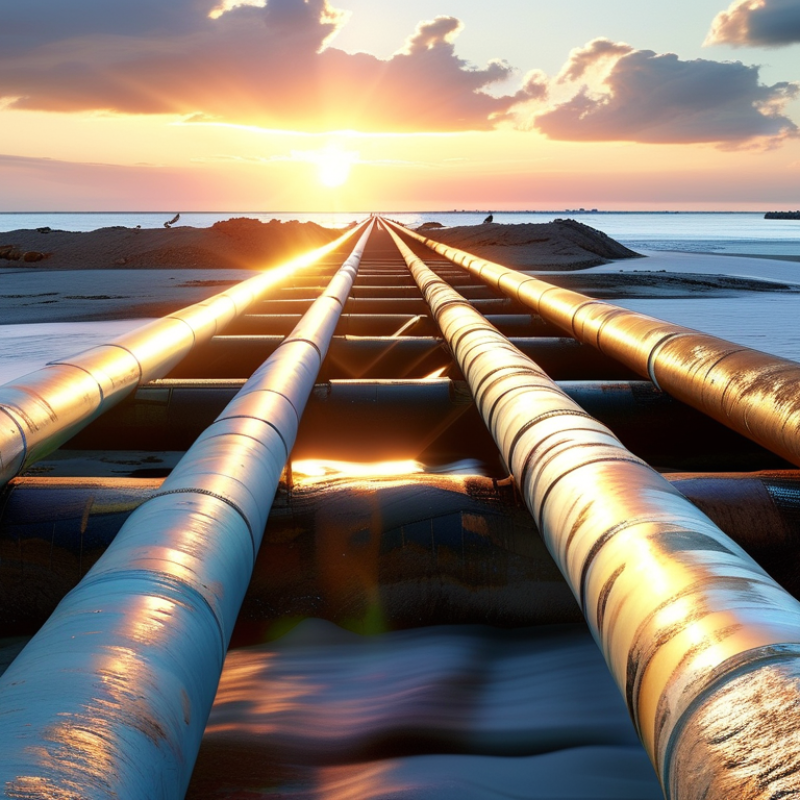
Choosing the right pipeline material for corrosion resistance is crucial for any project. Corrosion can lead to significant downtime and increased costs. Various materials offer different levels of resistance. Steel, for instance, is strong but can corrode without proper treatment. Stainless steel provides a better option due to its chromium content, which enhances its resistance to rust and degradation.
Considering environmental factors is essential. Certain chemicals and temperatures can accelerate corrosion. For instance, fiberglass pipes are chemical-resistant and lightweight. They are often used in harsh environments where metal fails. On the other hand, plastic materials like HDPE offer excellent resistance to many corrosive substances. However, they may not withstand high pressures.
The choice is not always straightforward. Each material has its advantages and limitations. Understanding the specific application is key to making an informed decision. Regular inspections and maintenance are necessary regardless of the material chosen. Mitigating corrosion requires a proactive approach. Ensuring longevity in pipeline systems means choosing wisely.
Corrosion is a significant threat to pipeline materials. Understanding the types of corrosion helps in choosing the right materials for pipelines.
One common type is uniform corrosion. This occurs evenly across the surface. It can be easier to detect but often requires material replacement.
When selecting pipeline materials, corrosion resistance is a critical factor. Common choices include carbon steel, stainless steel, and plastic composites. Each material exhibits varying degrees of resistance to different corrosive environments. For example, carbon steel is widely used due to its strength and cost-effectiveness, but it is vulnerable to rust when exposed to moisture.
The National Association of Corrosion Engineers (NACE) estimates that corrosion costs the US economy approximately $276 billion annually, highlighting the importance of choosing suitable materials.
Stainless steel offers better corrosion resistance. It contains chromium, which forms a protective oxide layer. This makes it ideal for acidic environments. However, stainless steel can be more expensive. Plastic composites, on the other hand, are resistant to many chemicals and do not corrode. According to a 2021 report by the American Society of Civil Engineers (ASCE), composites can reduce maintenance costs significantly due to their longevity and resistance to corrosion.
Despite its advantages, no material is perfect. Environmental factors can complicate corrosion resistance. For instance, even stainless steel can suffer from localized corrosion in certain conditions. Understanding the specific environment and the limitations of each material will guide the right choice for pipeline applications. Furthermore, it is essential to balance initial costs with long-term performance to avoid costly future repairs.
When selecting pipeline materials, corrosion resistance is key. Different materials come with unique benefits and drawbacks. For instance, stainless steel is highly resistant to corrosion and is ideal for high-pressure environments. However, it can be costly and may not be the best choice for all budgets.
On the other hand, polyethylene is lightweight and resistant to a range of chemicals. This material is easier to install, which reduces labor time. Yet, it has lower temperature resistance and may not hold up as well in extreme environments. Consider the environment and intended use carefully, as the material must align with the operational conditions.
Copper is another option, known for its antimicrobial properties and durability. It tends to resist corrosion but can be expensive and susceptible to price fluctuations. Ultimately, the right choice depends on specific applications and budgets. Each material has strengths and weaknesses that can influence the decision-making process. Balancing cost, environment, and durability is essential for optimal results.
| Material | Benefits | Drawbacks | Typical Applications |
|---|---|---|---|
| Stainless Steel | High corrosion resistance, good mechanical properties | Higher cost, can suffer from chloride stress corrosion cracking | Oil and gas, food processing, chemical processing |
| PVC (Polyvinyl Chloride) | Lightweight, resistant to a wide range of chemicals, low cost | Not suitable for high temperatures, can become brittle with age | Water supply, drainage, irrigation systems |
| HDPE (High-Density Polyethylene) | Excellent corrosion resistance, flexible and durable | Sensitive to UV light, can deform under high temperatures | Gas distribution, sewage systems, potable water |
| Copper | Excellent corrosion resistance, antimicrobial properties | Expensive, can corrode in acidic water | Plumbing, HVAC systems, electrical applications |
Maintaining corrosion-resistant pipelines requires a strategic approach. Corrosion accounts for approximately 25% of all maintenance costs in industries dealing with pipelines. Routine inspection and monitoring are crucial steps. Using advanced technologies like smart sensors can help identify early signs of corrosion. These devices track pipeline conditions in real-time, allowing for timely interventions.
Regular cleaning is essential. It reduces the buildup of corrosive materials. For example, hydrocarbons can accelerate corrosion processes if not managed properly. Cleaning schedules should be dictated by the type of materials transported and the environmental conditions. Additionally, implementing a cathodic protection system can enhance pipeline durability. This method uses electrical currents to counteract electrochemical reactions.
Training personnel remains a vital element of effective maintenance. Studies indicate that organizations with well-trained staff report up to 30% reductions in corrosion-related issues. Employees should understand the potential risks and appropriate responses. Collaboration with corrosion experts can yield valuable insights, although hiring specialized consultants might strain smaller budgets. It's critical to weigh these considerations as part of a robust maintenance strategy.
: Uniform corrosion happens evenly across a surface. It can be easier to detect, but often means replacing materials.
Pitting corrosion creates small holes and often goes unnoticed. This can lead to sudden material failures.
Stress corrosion cracking occurs under tension in specific environments. It requires complex mitigation based on detailed knowledge.
Carbon steel is strong and cost-effective but prone to rust. Stainless steel offers better resistance but at a higher cost.
Plastic composites resist many chemicals and do not corrode. They may reduce maintenance costs due to their longevity.
Regular maintenance helps prevent corrosion issues. Understanding environmental threats is crucial for smart material choices.
Yes, stainless steel can suffer localized corrosion in specific environments. It's not a foolproof option.
Balancing initial costs with long-term performance is vital. The right material can prevent expensive future repairs.
Environmental factors significantly impact corrosion resistance. Knowing these can guide better material choices.
Understanding corrosion types allows for smarter material selection. It’s essential for safety and efficiency in pipelines.
When selecting materials for pipelines, understanding what materials are best for corrosion resistance in pipelines is crucial. The article outlines key considerations in choosing the right pipeline material, including the types of corrosion that can affect these materials and a comparison of common options such as steel, stainless steel, and various plastics. Each material has its unique benefits and drawbacks, which can significantly impact the long-term performance and maintenance requirements of pipeline systems.
To ensure optimal performance and longevity of corrosion-resistant pipelines, best practices for maintenance should be adhered to. Regular inspections and preventive measures can mitigate corrosion-related issues, extending the lifespan of the pipeline and ensuring operational efficiency. By making informed choices about pipeline materials, facilities can effectively tackle corrosion challenges and enhance the overall reliability of their infrastructure.

ElvisCast Precision