10 Best Tips on How to Choose the Right Valve for Industrial Applications?

Time:2026-07-11 Author:Ethan
0%

Choosing the right valve for industrial applications is crucial for efficiency and safety. According to a recent report from the International Society of Automation, improper valve selection can lead to significant financial losses and operational downtime. It's essential that industries prioritize their valve choices to enhance productivity.

Expert Mark Johnson, a leading authority in fluid control systems, emphasizes, "The right valve can make or break your pipeline operation." His insights reflect the significant impact that valve selection has on performance and reliability in various sectors, including chemical processing and water treatment. With countless options available, understanding how to choose the right valve for industrial applications is more critical than ever.

In practice, many factors come into play, such as pressure, temperature, and the type of media being handled. Each application may present unique challenges. Industry professionals often overlook certain details, leading to costly mistakes. Engaging with experts and conducting thorough evaluations can substantially mitigate these risks. Ultimately, the choice of valve should align with operational goals and regulatory standards to ensure long-term success.
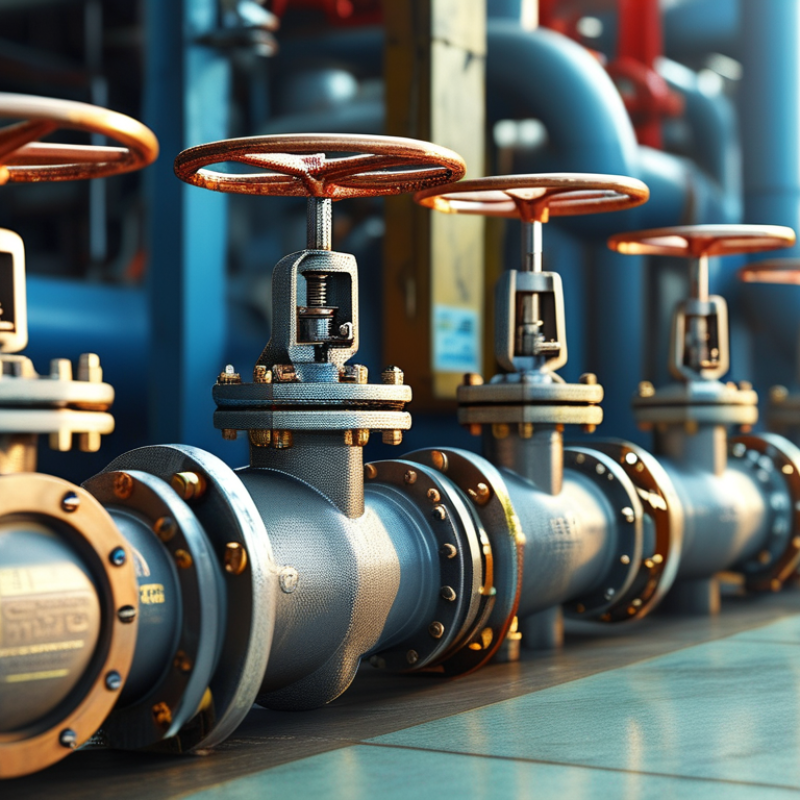
10 Best Tips on How to Choose the Right Valve for Industrial Applications?

Understanding Different Types of Valves Used in Industrial Applications

Choosing the right valve for industrial applications is crucial for efficiency and safety. Understanding the different types of valves is essential in making informed decisions. There are gate valves, globe valves, ball valves, and butterfly valves, each suited for specific applications. Gate valves are ideal for on/off control, while globe valves excel in regulating flow. Ball valves provide quick shutoff, and butterfly valves are preferred for large flow rates with minimal pressure drop.

When selecting a valve, consider the fluid type. For corrosive materials, use stainless steel or plastic valves. Pressure and temperature ratings also matter. Always ensure valves are rated for your system's conditions. Knowing the specifications helps avoid failures.

Evaluate maintenance requirements too. Some valves may need regular inspection. This can affect long-term costs. Think about the installation space; not all valves fit everywhere. If uncertain, consult with experts. Their insights can guide you in making the right choice. Missing these factors could lead to inefficient operations or leaks.

Assessing the Operating Conditions for Valve Selection

Assessing the operating conditions is crucial in valve selection. Understanding pressure, temperature, and fluid type helps define the appropriate valve choice. Each condition impacts the valve's performance and longevity. For example, high temperatures can degrade certain materials. In contrast, abrasive fluids demand stronger, more durable components.

Ambient conditions are just as important. Factors like humidity and exposure to corrosive environments can shorten a valve's lifespan. Carefully evaluate installation space as well. Compact areas may restrict valve options. An improper fit can lead to operational failures. As you assess these conditions, gather detailed data. Collaborating with experts can provide insights into specific applications and challenges.

Identifying the correct valve requires ongoing reflection. Sometimes, even small changes in operating conditions can necessitate a different valve type. Regularly revising the operational context ensures you stay ahead of issues. Each application is unique, so a one-size-fits-all approach rarely suffices. Prioritize reliability and durability in every choice. This can make a significant difference in industrial operations.

Evaluating Material Compatibility and Corrosion Resistance

Selecting the right valve for industrial applications involves several critical factors. One primary consideration is material compatibility. Different fluids can react unpredictably with various materials. For example, certain acids can corrode metals, while some polymers can degrade over time. Understanding the nature of the fluid is essential in preventing failures.

Corrosion resistance is another key factor. Valves must withstand challenging environments. For instance, saline or acidic conditions can quickly damage standard materials. Choosing corrosion-resistant alloys or coatings can significantly extend the lifespan of a valve. However, it's vital to balance durability with cost. Sometimes, seemingly robust materials may not perform well in specific contexts.

Take time to assess your specific application needs. Engage with engineers and industry experts. Their insights can help identify potential pitfalls. Remember, even the best valve can fail if the correct material is not selected. Evaluating both compatibility and resistance is crucial to investment longevity. Adopting a detailed and cautious approach can lead to better outcomes.

Analyzing Flow Requirements and Pressure Ratings

Choosing the right valve for industrial applications starts with understanding flow requirements. Different processes demand varying flow rates. Whether it's for water, gas, or chemicals, the flow rate influences valve type and design. For example, a high-flow application may require a valve with a larger diameter. But this is not just about size; it’s also about how the valve controls flow effectively. Pressure drop across the valve should always be considered.

Pressure ratings are equally crucial. Each valve has a specific pressure limit. Knowing the system's maximum and minimum pressures helps prevent failures. A valve operating above its rating can lead to leaks and catastrophic failures. However, oversizing a valve can lead to instability in operations. This can create issues such as water hammer or inconsistent flow. There’s a balance to maintain, and sometimes it requires trial and error to find the sweet spot. Understanding these demands helps in making an informed choice. The goal is a safe, reliable, and efficient system.

10 Best Tips on How to Choose the Right Valve for Industrial Applications?

Tip Number Tip Description Flow Requirement Pressure Rating Preferred Valve Type
1 Consider the fluid type and characteristics Varies with fluid Low to high Ball Valve or Butterfly Valve
2 Evaluate the operating environment Steady flow Medium Gate Valve
3 Analyze the control needs Variable flow High Control Valve
4 Check the installation space Average Medium to high Globe Valve
5 Determine the valve size and specifications Specific flow rate Varies Sizing simulation
6 Evaluate budget and cost performance Standardized Low to medium Standard Valve
7 Assess maintenance requirements Throughout lifecycle Medium Easier maintenance design
8 Check compatibility with existing systems Consistent N/A Custom Valve
9 Consult with valve manufacturers and experts Tailored High Engineered solution
10 Review regulatory standards and compliance Assessment As per regulation Certified Valve

Considering Maintenance Needs and Lifespan of Valves

When selecting valves for industrial applications, considering maintenance needs and lifespan is crucial. Valves are integral components in many systems, and their efficiency directly impacts overall performance. According to industry reports, valve failure often leads to significant downtime and costly repairs. Regular maintenance can enhance valve lifespan, but it requires time and resources.

Routine inspections are essential. A well-maintained valve can last up to 20 years, whereas neglected valves may fail within five years. Keeping an eye on wear and tear is paramount. Depending on the environment, the frequency of maintenance can vary. For instance, in corrosive environments, more frequent checks are necessary to prevent failures.

Tip 1: Choose valves made from durable materials that suit your specific conditions. Materials like stainless steel or high-performance plastics can withstand harsh environments better than regular steel.

Tip 2: Train your team in proper handling and maintenance practices. A knowledgeable workforce can identify issues early, saving time and reducing costs.

Tip 3: Invest in technology that aids in monitoring valve performance. Smart sensors can provide real-time data, enabling proactive maintenance and enhancing overall reliability. Each of these strategies contributes to extending the lifespan of your valves and minimizing unexpected failures.

FAQS

: Why is material compatibility important for valves?

: Different fluids can react unpredictably with materials. This can lead to unexpected failures or damage.

How can corrosion affect valve performance?

Saline or acidic conditions can quickly damage standard valve materials. This can reduce the valve's lifespan significantly.

What should be considered in terms of corrosion resistance?

Choosing corrosion-resistant alloys is essential. However, balance durability with cost to avoid unnecessary expenses.

How do flow requirements impact valve selection?

Different processes demand varying flow rates. This influences the type and design of the valve needed.

Why are pressure ratings crucial for valves?

Each valve has specific pressure limits. Exceeding these can result in leaks and potential failures.

Can oversizing a valve cause issues?

Yes, oversizing may lead to operational instability. Problems like water hammer can arise, compromising system efficiency.

What is the benefit of consulting with experts?

Engaging with engineers can help identify potential pitfalls. Their insights can guide proper material selection.

Is it always easy to find the right valve?

No, it may require trial and error. The right balance of size and control is sometimes hard to achieve.

How important is the assessment of application needs?

Thorough assessment is vital. Even the best valves can fail if not matched to specific application requirements.

Conclusion

When considering how to choose the right valve for industrial applications, it's essential to first understand the various types of valves available and their specific functions. Each type serves different purposes, so identifying the requirements of the application is critical. Next, evaluating the operating conditions like temperature and pressure helps narrow down the choices. Material compatibility and corrosion resistance also play significant roles, especially in harsh environments, to ensure longevity and reliability.

Additionally, analyzing the flow requirements and pressure ratings will guide the selection process, ensuring that the valve can handle the intended application smoothly. Finally, considering maintenance needs and the anticipated lifespan of the valves can enhance operational efficiency and reduce long-term costs. By following these considerations, one can effectively determine how to choose the right valve for industrial applications.

Ethan

Ethan

Ethan is a seasoned marketing professional with a deep expertise in our company's innovative product line. With a passion for sharing knowledge and insights, he takes the lead in regularly updating our corporate blog, where he explores industry trends, product features, and effective marketing......