2026 Best Trends in Industrial Manufacturing to Watch?

Time:2026-06-30 Author:Aria
0%

In 2026, industrial manufacturing will see transformative trends shaping its future. According to recent reports by the Manufacturing Institute, adoption of smart technologies is expected to rise. These changes could boost productivity by up to 30% in the next few years. Experts testify that staying updated is crucial. A leading expert, Dr. Emily Carter, shared, “Understanding what are the latest trends in industrial manufacturing is vital for success.”

Sustainability remains a key focus as companies aim for greener practices. Research indicates that manufacturers adopting eco-friendly methods can reduce costs by 15%. This shift not only addresses environmental concerns but also reflects consumer demand for responsible production. The industry may face challenges in implementing these changes, necessitating a balance between innovation and feasibility.

Digital transformation is also prominent. Data analytics and IoT are paving the way for smarter operations. However, reliance on technology can expose vulnerabilities. Companies must navigate cybersecurity risks carefully. As the landscape evolves, embracing these trends is essential, yet it invites reflection on implementation and risk management within industrial practices.
2026 Best Trends in Industrial Manufacturing to Watch?

Emerging Automation Technologies in Industrial Manufacturing by 2026

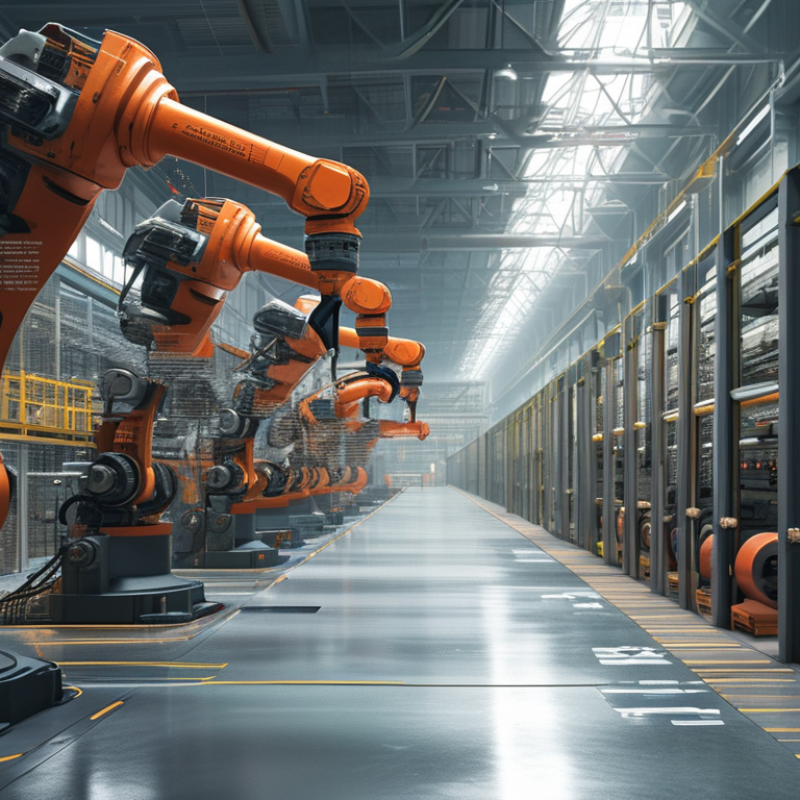
As we approach 2026, industrial manufacturing is on the brink of a technological revolution. Emerging automation technologies are reshaping production lines. These innovations promise improved efficiency and faster outputs. Robotics, artificial intelligence, and the Internet of Things are at the forefront. Factories are becoming smarter, integrating systems to communicate seamlessly.

However, embracing automation isn't without challenges. Many workers face job displacement fears, leading to significant public concern. Companies are tasked with training their workforce for new roles. Safety also remains a crucial issue. While automation can reduce human error, it introduces new risks. Ensuring robust systems and protocols is essential for safe operations.

Flexibility is vital in this evolving landscape. Manufacturers need to adapt quickly to changing demands. The balance between automated processes and human oversight will define success. As we observe these trends, a commitment to safety and worker equity must guide the transformation. Such considerations will determine not just efficiency, but the overall sustainability of modern manufacturing.

Sustainable Manufacturing Practices and Their Industry Impact for 2026

Sustainable manufacturing practices will take center stage in 2026. These methods aim to minimize waste and reduce energy consumption. Companies are exploring ways to implement renewable energy into their production lines. The shift often means higher upfront costs, yet the long-term benefits are significant.

Innovative technologies play a crucial role in this transformation. For instance, smart sensors can optimize processes for efficiency. Many manufacturers face challenges in adopting these technologies. Skill gaps can hinder their efforts to innovate. The right training programs are essential for ensuring workforce readiness.

Additionally, transparency in supply chains is increasingly important. Companies are pressured to disclose their environmental impact. Consumers demand more accountability, pushing industries to act. This growing awareness invites opportunities for collaboration on sustainability initiatives. Reflecting on these trends, businesses must navigate challenges while striving for progress.

2026 Best Trends in Industrial Manufacturing to Watch

This chart illustrates the impact scores for various sustainable manufacturing practices expected to trend in 2026. Each practice represents an essential aspect of sustainable industry initiatives.

Impact of AI and Machine Learning on Manufacturing Efficiency in 2026

The impact of AI and machine learning on manufacturing efficiency in 2026 is profound. These technologies streamline processes, reduce waste, and enhance productivity. Factories will become smarter, leveraging data to predict maintenance needs and automate routine tasks. This shift aims to minimize downtimes and maximize output.

AI-driven analytics will provide real-time insights into production lines. Manufacturers can quickly identify bottlenecks and adjust workflows accordingly. However, reliance on technology raises concerns about job displacement. Employees may need to adapt and learn new skills, creating a potential skills gap in the industry. Additionally, data security must be a priority as factories become increasingly interconnected.

Machine learning algorithms will optimize supply chain management, predicting demands with greater accuracy. This can lead to better inventory control and reduced costs. Yet, the technology is not infallible. Misinterpretations or technical failures could disrupt operations. Manufacturers must balance innovation with caution. As these technologies evolve, constant reflection on their implications will be essential.

Role of Smart Factories in Shaping the Future Manufacturing Landscape

Smart factories are revolutionizing industrial manufacturing. They utilize cutting-edge technologies like IoT, AI, and automation. This integration allows real-time data analysis. Immediate adjustments can be made, enhancing efficiency and reducing waste. Workers and machines collaborate seamlessly. This harmony drives productivity, creating a responsive manufacturing landscape.

Yet, the transition to smart factories poses challenges. Many companies struggle with the implementation of new technologies. Skills gaps in the workforce can hinder progress. Adaptation requires continuous learning and training. As industries evolve, businesses must invest in their teams. Flexibility and innovation become crucial for survival.

Data security also raises concerns in smart factories. Increased connectivity means higher vulnerability to cyber threats. Companies must prioritize robust cybersecurity measures. Finding a balance between efficiency and safety is essential. As the future unfolds, businesses must navigate these complexities. The path to smart manufacturing is not without its hurdles.

Trends in Supply Chain Resilience and Management for 2026 Manufacturing

The landscape of supply chain resilience and management is evolving rapidly. By 2026, companies must prioritize flexibility and adaptability. According to a recent report by Deloitte, 75% of manufacturers recognize supply chain disruptions as a significant risk. This awareness drives them to explore new technologies and resilient practices.

Investing in digital tools will be essential. A survey from McKinsey found that 70% of businesses are enhancing their supply chains through advanced analytics and cloud solutions. These technologies provide real-time data, improving decision-making. Visibility in supply chain operations can reduce disruptions, but only if teams act upon the insights derived from this data.

Tips: Embrace data analytics for better risk management. Establish a strong communication line with suppliers. Rethink inventory strategies by balancing between just-in-time and buffer stock. This agile approach will help mitigate potential risks. Constantly analyze and adjust strategies—flexibility is key in a volatile environment.

FAQS

: What are sustainable manufacturing practices?

: Sustainable manufacturing aims to minimize waste and reduce energy consumption in production.

How can companies implement renewable energy in manufacturing?

Companies explore integrating renewable energy sources into their production lines for sustainability.

What role do innovative technologies play in manufacturing?

Innovative technologies, like smart sensors, optimize processes and enhance efficiency in production.

What challenges do manufacturers face in adopting new technologies?

Manufacturers may struggle with skill gaps, hindering their ability to innovate and implement new systems.

Why is transparency in supply chains important?

Transparency is vital as consumers demand accountability regarding companies' environmental impacts.

How does AI improve manufacturing efficiency?

AI streamlines processes, reduces waste, and increases productivity, leading to smarter factories.

What risks come with reliance on technology in manufacturing?

Job displacement is a concern, as employees may need to learn new skills due to technological advances.

How does machine learning help with supply chain management?

Machine learning predicts demands accurately, improving inventory control and reducing costs for manufacturers.

What must manufacturers consider with data security?

As factories become interconnected, prioritizing data security is crucial to prevent breaches and disruptions.

Are there drawbacks to technological innovation in manufacturing?

Yes, misinterpretations or technical failures can disrupt operations, highlighting the need for careful implementation.

Conclusion

As we look ahead to 2026, the landscape of industrial manufacturing is evolving rapidly, highlighting what are the latest trends in industrial manufacturing. Emerging automation technologies are set to redefine operational efficiency, enabling manufacturers to streamline processes and enhance productivity. Simultaneously, sustainable manufacturing practices are gaining traction, reflecting a growing commitment to environmental responsibility while also adhering to regulatory standards.

Artificial intelligence and machine learning continue to transform manufacturing efficiency, facilitating data-driven decision-making and predictive maintenance. Additionally, the rise of smart factories stands as a pivotal trend, shaping the future with interconnected systems that optimize performance and adaptability. Finally, trends in supply chain resilience and management are becoming increasingly crucial, ensuring manufacturers can navigate disruptions and maintain continuity in their operations. Together, these trends represent a significant shift towards a more innovative, sustainable, and resilient manufacturing sector.

Aria

Aria

Aria is a dedicated marketing professional with a deep passion for innovative strategies and a keen understanding of our company's product offerings. With a wealth of experience in the industry, Aria excels at crafting engaging content that highlights the unique features and benefits of our......