Best 5 Ways to Connect Pipes Securely?

Time:2026-05-03 Author:Charlotte
0%

In the realm of plumbing, the question "what is the best way to connect pipes securely" is critical for ensuring long-lasting integrity in construction. A recent report by the American Society of Plumbing Engineers highlights that improper connections account for nearly 30% of plumbing failures. Experts stress the need for secure connections to prevent water leaks and maintain system pressure.

Dr. Janine Thompson, a renowned plumbing engineer, states, "The right connection method can greatly extend the lifespan of any piping system." Her work emphasizes the importance of choosing appropriate materials and techniques to suit specific applications.

With various methods available, from welding to mechanical fittings, evaluating each option's pros and cons is essential. Some techniques may seem straightforward but can lead to future complications if misapplied. Choosing the best option involves understanding both the immediate requirements and potential long-term consequences. Secure pipe connections are not just about present needs but also about anticipating future challenges.
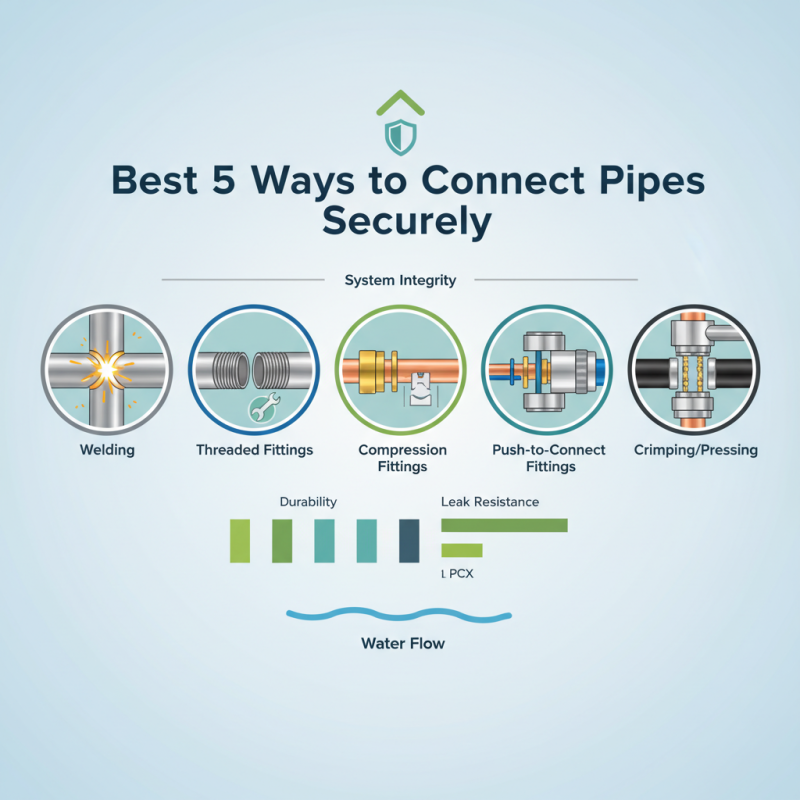
Best 5 Ways to Connect Pipes Securely?

Understanding Different Types of Pipes and Their Connection Needs

When connecting pipes, understanding the different types is essential. Various materials, including PVC, copper, and steel, each have unique connection requirements. For instance, PVC pipes need solvent cement, while copper pipes often require soldering. Recognizing the appropriate methods is critical for a secure connection.

Tips: Always clean the pipe ends before connecting. Debris can lead to leaks. Test your connection after assembly too. A small leak may turn into a big problem later.

Additionally, consider the temperature and pressure ratings for each pipe type. Copper can withstand higher heat, while PVC is sensitive to UV exposure. Choose the right materials based on your project's specific conditions. Ignoring these factors could result in costly repairs later.

Tips: Use proper pipe fittings. Improper fittings can compromise the entire system. Rely on reliable resources for installation guidelines. Ensuring each connection meets standards is crucial.

Best Ways to Connect Pipes Securely

Choosing the Right Fittings and Connectors for Secure Joints

When it comes to connecting pipes securely, choosing the right fittings and connectors is crucial. The right choice impacts the durability and reliability of your plumbing system. Consider materials that complement your pipes. Metal fittings work well with metal pipes, while plastic connectors are often more convenient for PVC pipes. Materials should be compatible to ensure long-term performance.

Take time to assess the specific requirements of your piping system. For example, a leak could occur from improper sizing of the fittings. This can lead to costly repairs. Look for fittings that provide a snug fit and are easy to install. In some cases, it may be beneficial to consult a professional. They can guide you in selecting the best fittings for your unique situation.

Remember, even with high-quality fittings, installation must be done carefully. Double-check your connections and ensure they are secure. Over-tightening can damage fittings, while loose connections can lead to leaks. Sometimes, it's necessary to rethink your approach if leaks occur frequently. This can open up opportunities for improvement in your method.

Best 5 Ways to Connect Pipes Securely

Method Advantages Disadvantages Best Use Case
Couplings Easy to install; provides a strong joint. Limited to straight joints. Connecting two straight pipes.
Elbow Fittings Allows for directional changes. Can restrict flow if not sized properly. Making turns in piping systems.
Tee Connectors Facilitates branching off the main line. May create pressure drops. Adding additional lines to a system.
Compression Fittings Requires no special tools; good for DIY. Can loosen over time; not suitable for high pressure. Home plumbing repairs.
Welded Joints Very strong and permanent connections. Requires special skills and equipment. Industrial and permanent installations.

Using Thread Sealants and Teflon Tape for Water Tightness

When it comes to securing pipes, using thread sealants and Teflon tape is effective. These materials help prevent leaks and ensure water-tight connections. Be sure to apply them properly for the best results. Thread sealants create a strong bond, while Teflon tape provides a smooth surface, reducing friction during pipe connection.

In applying Teflon tape, wrap it around the male threads three to four times. Make sure to start at the end, moving towards the base. This method maximizes coverage and creates a tighter seal. Remember, over-wrapping can cause problems when connecting the pipe. Also, applying a generous layer of thread sealant can also enhance the sealing effect. Always look for cracks in the pipe. Small flaws can lead to major issues over time.

Ensure that the surfaces are clean before applying any sealing material. Dirt or old sealant can compromise the effectiveness. After assembling the pipes, allow the sealant to cure properly. Rushing this step can lead to leaks later on. Take your time; a little patience goes a long way in pipe security.

Employing Welding Techniques for Permanent Pipe Connections

Welding techniques play a crucial role in creating permanent pipe connections. They provide strong, reliable joints that can withstand high pressure and temperature. When done correctly, welding can enhance the durability of pipes significantly. However, safety is paramount; proper training and equipment are essential.


Different welding methods can be applied depending on the pipe materials. For instance, MIG welding is preferred for joining thin metals. It offers speed and efficiency. On the other hand, TIG welding is suitable for thicker materials, providing precision and cleaner finishes. Each method has its pros and cons.


Despite its advantages, welding is not without challenges. Issues like warping can occur if not managed properly. Additionally, the skill level of the welder can greatly affect the outcome. Adequate preparation and practice are vital. Regular maintenance of welding equipment ensures consistent performance. So, while welding can secure pipes effectively, careful consideration and skill are critical for long-lasting results.

Regular Maintenance and Inspection for Long-lasting Pipe Integrity

Regular maintenance is crucial for maintaining pipe integrity. Inspecting pipes regularly helps identify leaks, corrosion, or any signs of wear. A small drip today can evolve into a major problem tomorrow. Often, people overlook minor issues until they lead to costly repairs. Visual inspections can reveal rust and other damage. Consider using a flashlight to spot trouble spots in dark areas.

Scheduling professional inspections can elevate your maintenance routine. Experts can assess pipe conditions better than laypeople. They use advanced tools to detect problems that are not visible to the naked eye. Their experience allows for early intervention, preventing major failures. Documentation of inspections is also beneficial. Keeping a log helps track any recurring issues.

Involving your team in maintenance can enhance awareness. Discussing the importance of inspections fosters a proactive culture. Train workers to report unusual pipe noises or signs of leaks. Encouraging this mindset can reduce the risk of unforeseen issues. Remember, even the simplest maintenance practices can yield long-term benefits.

FAQS

: How do thread sealants and Teflon tape help with leaks?

: They create water-tight connections on pipes to prevent leaks and ensure secure fittings.

What's the proper way to apply Teflon tape?

Wrap the tape three to four times around the male threads, starting from the end.

Can over-wrapping Teflon tape cause issues?

Yes, over-wrapping can lead to difficulties when connecting pipes, compromising the seal.

Why is it important to clean surfaces before sealing?

Dirt or old sealant can diminish the effectiveness of the sealing materials used.

How does welding contribute to permanent pipe connections?

Welding creates strong joints that withstand high pressure and temperature under the right conditions.

Are there different welding methods?

Yes, MIG welding suits thin metals, while TIG welding is better for thicker materials, offering precision.

What challenges might arise with welding?

Issues like warping may occur if not managed properly, affecting the connection's quality.

How can regular inspections help maintain pipe integrity?

Inspections identify leaks or corrosion early, preventing minor issues from escalating into costly repairs.

Why involve a professional for pipe inspections?

Experts can detect hidden problems using advanced tools and techniques not visible to the average person.

How can team involvement improve maintenance?

Discussing inspections fosters awareness and encourages reporting unusual signs, reducing unforeseen issues.

Conclusion

When considering what is the best way to connect pipes securely, it is crucial to understand the various types of pipes and their specific connection needs. Different materials require different fittings, so selecting the right connectors is essential for achieving secure joints. Utilizing thread sealants and Teflon tape can enhance water tightness, preventing leaks that may compromise the integrity of the piping system.

For more permanent connections, employing welding techniques can provide a strong, durable bond between pipes. Additionally, regular maintenance and inspection are vital to ensure long-lasting pipe integrity, as they help identify potential issues before they become significant problems. By following these guidelines, you can ensure that your pipes are connected securely and maintain optimal performance over time.

Charlotte

Charlotte

Charlotte is a seasoned marketing professional with a deep understanding of the company's portfolio and a passion for elevating its presence in the market. With a keen eye for detail and a commitment to excellence, she ensures that our professional blog is regularly updated with insightful articles......