How to Boost Pipeline Efficiency in Industrial Systems?

Time:2026-05-13 Author:Henry
0%

In today's industrial landscape, optimizing efficiency is paramount. A recent report by the International Energy Agency (IEA) stated that improving pipeline systems could reduce operational costs by up to 20%. This underscores the relevance of understanding how to improve pipeline efficiency in industrial systems. Experts like Dr. Jane Thompson emphasize the need for innovation, noting that "streamlined processes can lead to significant cost savings and reduced downtime."

Pipeline inefficiencies often stem from outdated technologies and maintenance practices. Regular inspections and adopting smart technologies, like IoT sensors, can make a difference. Additionally, companies should focus on employee training to ensure that best practices are followed consistently. However, implementing new systems may also present challenges. Resistance to change can slow progress and create frustrations.

In the competitive industrial sector, maximizing pipeline efficiency is crucial. Investing in newer technologies and skills can offer tangible benefits. Nonetheless, companies must reflect on their existing protocols and remain open to adjustments. By prioritizing strategic enhancements, businesses can elevate their operations while addressing inefficiencies effectively.
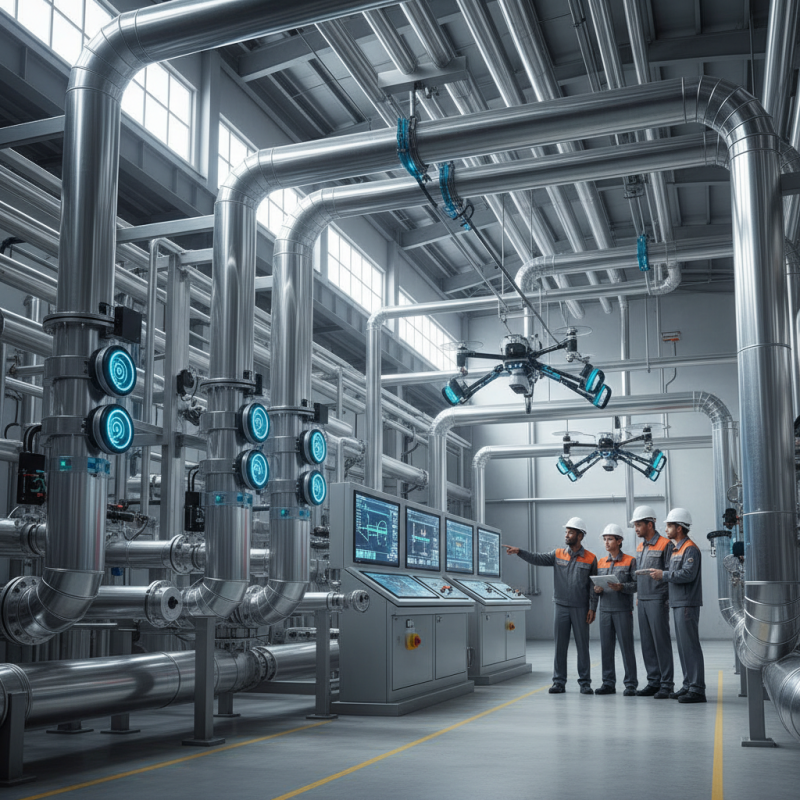
How to Boost Pipeline Efficiency in Industrial Systems?

Understanding Pipeline Efficiency in Industrial Systems

Pipeline efficiency is a pivotal factor in industrial systems. Understanding this efficiency requires a deep dive into various components, such as fluid dynamics and system design. Studies indicate that nearly 30% of energy costs in industrial operations arise from inefficient pipelines. Ensuring optimal flow can lead to significant savings, both economically and environmentally.

One critical aspect is the correct sizing of pipes. A mismatch in size can cause turbulence, leading to excessive energy consumption. Additionally, pressure drops often result from bends or fittings that obstruct flow. According to a report by the American Society of Mechanical Engineers, up to 15% of a plant’s total energy can be wasted due to poor pipeline design. This statistic highlights the importance of regular audits and analysis of pipeline systems.

Moreover, maintenance practices can greatly impact efficiency. Regular inspection and prompt repairs reduce leaks and losses. Research shows that unaddressed leaks can escalate energy consumption by more than 25%. These findings illustrate a need for continuous improvement in pipeline management. Implementing smart monitoring technologies could provide insights to enhance efficiency and reduce waste. However, many organizations still overlook the importance of these technologies, missing out on potential gains.

Identifying Common Bottlenecks in Industrial Pipelines

In industrial systems, pipeline efficiency is crucial. Identifying bottlenecks in these pipelines can transform operations. Common issues often arise from inadequate data collection or outdated technology. A lack of real-time monitoring can slow processes. Without this insight, operators cannot pinpoint problems swiftly.

Effective communication is essential within teams. Misunderstandings may exacerbate delays. Additionally, over-reliance on manual processes can lead to human error. Automating routine tasks allows for better focus on critical issues. Regular training ensures employees stay updated on best practices.

Tips:
1. Analyze workflow regularly. Small adjustments can yield significant improvements.
2. Implement a monitoring system. Real-time data helps in early detection of inefficiencies.
3. Encourage team feedback. Employee insights can reveal unseen problems.

Evaluate existing processes continuously. Unused capacity can indicate underlying problems. Understanding these areas allows for targeted improvements. Recognizing that perfection in pipeline efficiency is elusive encourages ongoing development. Addressing bottlenecks requires time and active engagement.

Implementing Technology Solutions to Enhance Efficiency

In today's industrial landscape, enhancing efficiency through technology is crucial. Implementing automation can streamline processes. Consider data analytics, for example. It allows companies to monitor systems in real-time. This visibility leads to informed decisions on maintenance and operations.

Tips: Regularly assess your data management practices. Analyze patterns to identify inefficiencies that may have been overlooked. Engaging teams in this process can foster a culture of continuous improvement.

Artificial intelligence also plays a role. Predictive maintenance can reduce unexpected downtimes. However, training staff on these technologies is essential. Sometimes, these initiatives can fail due to lack of engagement. Track the learning process closely and make adjustments where necessary.

Tips: Encourage experimentation with new tech solutions. It may not work perfectly the first time. Collect feedback and refine strategies continuously. Open communication is key to long-term success. Keeping everyone informed can lead to innovative ideas that enhance pipeline efficiency.

Pipeline Efficiency Metrics

Best Practices for Maintenance and Monitoring of Pipelines

Efficient pipeline systems are crucial in industrial sectors. Regular maintenance and careful monitoring are essential to ensure their optimal performance. A robust maintenance schedule helps prevent major issues. Scheduled inspections can identify problems before they escalate.

Tips for Maintenance: Conduct visual inspections monthly. Look for leaks or visible wear. Ensure you document your observations. Regular cleaning can prevent build-up that clogs pipelines. Use appropriate tools for each task to avoid damaging the system.

Monitoring plays a key role in pipeline efficiency. Implementing automated monitoring systems can provide real-time data. This allows for quick action if something goes wrong. It’s essential to train staff on interpreting this data effectively.

Remember, the human factor is vital. Consider involving operators in data analysis. Their hands-on experience often uncovers insights that technology might miss. Encourage team discussions to reflect on findings. This process might lead to discovering small yet impactful improvements. Keep an open mind, as continuous learning is crucial for success.

Training Employees for Improved Pipeline Operations and Safety

Training employees in pipeline operations is essential for enhancing overall efficiency and safety. Knowledgeable staff can quickly identify issues, minimizing downtime. Regular workshops ensure that workers stay current with safety protocols. This ongoing education fosters a culture of vigilance. Employees become more aware of their surroundings and potential hazards. A trained team is less likely to overlook critical procedures.

Simulation training can provide realistic scenarios for employees. Some workers may struggle with new technologies. Hands-on practice helps overcome apprehension and builds confidence. Frequent assessments can reveal gaps in skills. These insights lead to targeted training efforts. Employers should encourage open discussions about challenges faced during operations. Sharing experiences can highlight potential risks and solutions. This collaborative environment promotes accountability and continuous improvement.

While training is crucial, it may not eliminate all errors. Mistakes can still occur, even with trained employees. Regular feedback sessions are necessary to reflect on performance. Understanding why something went wrong can prevent future issues. The goal is not just to follow protocols but to understand their importance. A workforce that actively engages in learning will contribute to safer, more efficient operations over time.

How to Boost Pipeline Efficiency in Industrial Systems? - Training Employees for Improved Pipeline Operations and Safety

Training Program Duration (Hours) Participants Cost per Participant ($) Expected Efficiency Improvement (%)
Pipeline Safety Awareness 4 20 150 10
Operational Efficiency Techniques 8 15 200 15
Leak Detection Methods 6 25 175 20
Emergency Response Training 10 30 220 25

FAQS

: What is pipeline efficiency?

: Pipeline efficiency refers to the effective flow of materials in industrial systems. It affects energy and cost savings significantly.

Why is proper pipe sizing important?

Correct sizing prevents turbulence. Turbulence increases energy consumption, leading to higher operational costs.

How can pressure drops occur in pipelines?

Pressure drops happen due to bends or fittings that obstruct flow. These obstacles reduce efficiency.

How much energy can be wasted from poor pipeline design?

Poor design can waste up to 15% of total energy in a plant. Regular audits can help identify these issues.

What is the impact of leaks on energy consumption?

Unaddressed leaks can increase energy use by over 25%. Regular maintenance is crucial to minimizing these losses.

How can technology enhance pipeline efficiency?

Technology helps monitor systems in real-time. Automation and data analytics improve decision-making for maintenance.

Why is training staff important with new technologies?

Staff engagement in tech training ensures successful implementation. Lack of participation can lead to failures in efficiency initiatives.

What role does feedback play in implementing new technology?

Collecting feedback allows for continuous refinement of strategies. It encourages adjustments and improvements in efficiency efforts.

How can a culture of continuous improvement be fostered?

Engaging teams and regularly assessing practices promotes a culture of enhancement. Open communication drives innovation.

Is it normal for new tech solutions to face challenges?

Yes, initial challenges are expected. Experimentation and refinement are part of the process to achieve better results.

Conclusion

To improve pipeline efficiency in industrial systems, it is essential to first understand the existing workflow and identify common bottlenecks that hinder performance. These bottlenecks can arise from various factors such as outdated technology, insufficient maintenance, or poor training of employees. By recognizing these challenges, organizations can implement targeted technology solutions and adopt best practices for regular maintenance and monitoring.

Additionally, training employees to operate pipelines effectively and safely plays a crucial role in enhancing efficiency. This comprehensive approach not only optimizes operational processes but also ensures a safer working environment, leading to improved overall productivity. By focusing on these strategies, companies can significantly enhance pipeline efficiency in their industrial systems.

Henry

Henry

Henry is a dedicated marketing professional with a profound expertise in the company's offerings. With years of experience in the industry, he possesses an impressive understanding of the market dynamics and consumer behaviors that drive success. Henry is committed to sharing his insights through......