In the rapidly evolving industrial landscape of 2026, understanding what causes valve failure and how to avoid it becomes crucial for operational efficiency. According to a report by the Valve Manufacturers Association, nearly 30% of all plant failures are attributed to valve issues. These failures can lead to costly downtimes and safety hazards, underscoring the need for preventive measures.
Factors contributing to valve failure include material degradation, improper installation, and inadequate maintenance. A study by the Engineering Equipment and Materials Users Association revealed that nearly 50% of valve failures arise from a lack of routine inspections. Companies often neglect these checks, leading to avoidable risks.
Prevention strategies must focus on regular training and adherence to industry standards. Implementing predictive maintenance schedules can significantly reduce valve-related failures. As industries strive for excellence, they must reflect on previous failures and adapt their strategies accordingly. Awareness of what causes valve failure and how to avoid it is essential for longevity and safety in any operation.
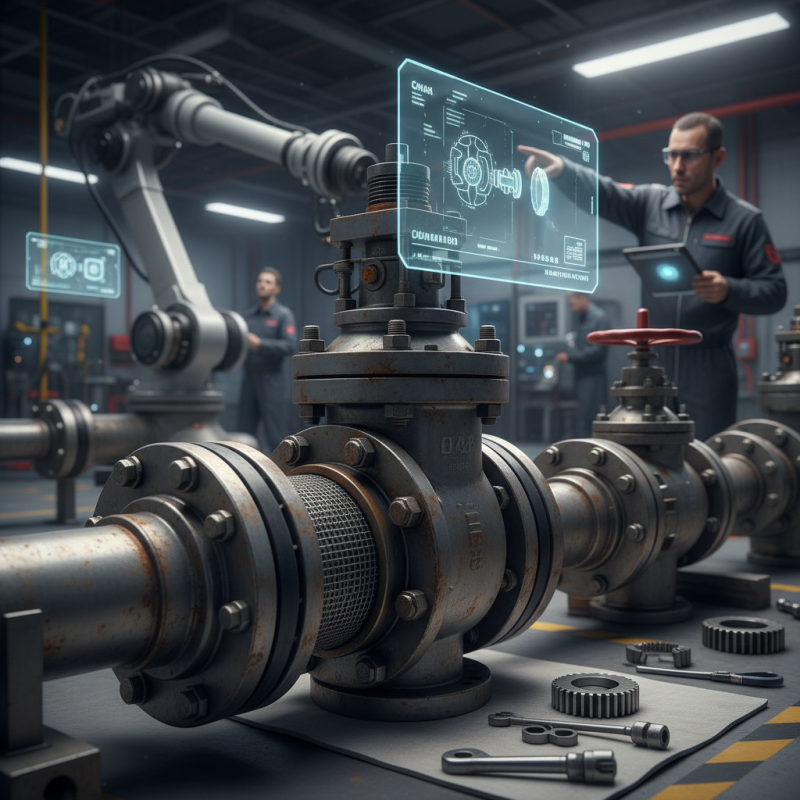
Valve failure in industrial applications can stem from various factors that engineers must recognize. Corrosion is a primary cause. It slowly deteriorates materials, making them weak. High-pressure environments exacerbate this issue. Inadequate maintenance increases the risk of leaks and operational failures. Regular inspections are essential, but many facilities neglect them.
Another significant factor is poor installation practices. If valves are not aligned correctly, excessive stress can occur. This misalignment often leads to premature wear or even complete failure. Additionally, the selection of inappropriate materials for specific applications plays a crucial role. Some materials are not suitable for extreme temperatures or chemical exposure. Choosing the right material is vital for longevity.
Operator oversight also contributes to valve issues. In many cases, improper handling and failure to follow operational protocols can lead to problems. Human factors must be addressed through training and strict adherence to guidelines. Reflection on these aspects can lead to better choices in valve management. By understanding these causes, industries can work toward more reliable valve performance in 2026 and beyond.
This chart illustrates the primary factors contributing to valve failure in industrial applications, with corrosion being the leading cause. Understanding these factors can help in implementing effective maintenance strategies.
Valve failures can manifest through various symptoms that indicate underlying issues. One common sign is unusual noise. Hissing or clanking sounds can signal that the valve is not functioning properly. Vibrations may also occur, disrupting normal operations. These noises typically suggest wear or internal damage. If you notice persistent sounds, it’s a good idea to inspect the valve's condition.
Another key indicator of valve malfunction is leakage. Fluid escaping from the valve or its seals is a clear warning sign. This can lead to system inefficiencies and potential safety hazards. Monitoring for dampness around the valve can help catch leaks early. Additionally, fluctuating pressures within the system often point to valve problems. Unstable or irregular gauge readings might suggest that the valve is struggling to maintain proper function.
Routine maintenance can prevent these issues. Regular checks promote early detection of abnormal signs. Keeping records of valve performance can help identify patterns over time. Remember, responding to symptoms quickly is crucial. Addressing minor concerns early can save time and resources later.
Preventing valve failure requires a solid preventive maintenance strategy. Regular inspections are essential. This includes checking for leaks, corrosion, and unusual noises. Visual inspections can reveal signs of wear before serious issues develop. Focusing on the valve’s operating environment is crucial. Factors like temperature and pressure can lead to early failures if not monitored.
Incorporating routine maintenance schedules helps in ensuring reliability. Cleaning valves regularly can prevent buildup that might cause blockages. Using proper lubrication reduces friction and wear. Training staff on valve operation can enhance performance. Mistakes during operation can lead to accidents. Remember, even minor oversights can escalate into significant problems later.
Evaluating the maintenance records helps identify patterns in valve performance. This data can guide future preventive measures. Engaging with experienced professionals for inspections adds value. Their insights can pinpoint potential risks. Continuous improvement in maintenance practices is vital. Reflecting on past experiences helps refine strategies for future success.
Advancements in valve technology show promise in reducing failures by focusing on materials and design innovations. Recent studies reveal that over 25% of valve failures stem from corrosion and wear, significantly impacting industrial operations. Advanced materials, such as duplex stainless steels and composite coatings, increase resistance to corrosive environments, extending valve life.
Moreover, predictive maintenance technologies are becoming essential. By employing data analytics and machine learning, companies can detect wear patterns early. According to a 2023 industry report, firms that utilize predictive maintenance have reduced unexpected valve failures by 30%. This proactive approach not only minimizes downtime but also enhances overall efficiency.
However, challenges remain. Many organizations still rely on traditional maintenance schedules, which may overlook early indicators of valve deterioration. This gap in practice highlights the need for continuous education on emerging technologies. Understanding both the advancements and their limitations is vital for industries aiming for robust valve performance in the future.
| Failure Cause | Impact | Prevention Method | Advancements in Technology |
|---|---|---|---|
| Corrosion | Leads to leaks and pressure loss. | Use of corrosion-resistant materials. | Development of advanced coating technologies. |
| Mechanical Wear | Reduced operational efficiency. | Regular maintenance checks and timely replacements. | Introduction of self-lubricating materials. |
| Operating Conditions | Increases failure rates. | Monitoring and control systems. | Smart sensors for real-time data analysis. |
| Installation Errors | Can cause immediate failures. | Proper training for installation personnel. | Use of augmented reality tools for training. |
| Pressure Surges | Can cause catastrophic failure. | Installation of pressure relief valves. | Development of smart pressure management systems. |
Monitoring valve performance is crucial for reliability. Effective practices can prevent failures and extend service life. A 2022 industry report showed that unplanned valve failures can lead to costly downtime, averaging $135,000 per incident. Regular monitoring can save companies significant amounts in maintenance and operational costs.
Utilizing real-time data analytics is a best practice. Sensors can provide insights into valve position, flow rates, and pressure. This data can highlight potential issues before they escalate. A report by the National Institute of Standards and Technology notes that predictive maintenance can reduce unexpected failures by up to 30%. Investing in such technology is wise.
Another essential practice is routine inspection. Visual checks should be complemented by advanced diagnostics, such as ultrasonic testing. These methods help identify wear and tear that may not be visible. Failure to perform such tests can lead to devastating results. According to the International Society of Automation, nearly 13% of valves in service can fail annually if neglected. Regular assessments can turn this statistic around.
: Common signs include unusual noises, vibrations, and leaks. Hissing sounds often indicate issues.
Look for fluid escaping from the valve or dampness around it. Early detection is essential.
Regular maintenance helps catch issues early. It can prevent problems from escalating into major failures.
Include checks for leaks, unusual noises, and corrosion. Regular cleaning and lubrication are important too.
Advanced materials resist corrosion and wear. This improves valve performance and extends their lifespan.
Predictive maintenance can detect wear patterns early. It helps reduce unexpected failures by 30%.
Ignoring guidelines can lead to accidents and significant problems later. Minor oversights can escalate quickly.
Proper training enhances performance and prevents operational mistakes. Staff awareness reduces risk of failures.
Maintenance records help identify performance patterns. This data guides future preventive measures effectively.
Many still use traditional maintenance, missing early deterioration signs. Continuous education is necessary for improvement.
Understanding what causes valve failure and how to avoid it is crucial for maintaining optimal performance in industrial applications. Common factors leading to valve malfunction include improper installation, wear and tear, and environmental conditions that impact the valve's integrity. Recognizing symptoms such as unusual noise, leakage, and inconsistent flow can help in early detection and prevention of potential failures.
Implementing effective preventative maintenance strategies, such as regular inspections and timely replacements, can significantly enhance valve longevity. Moreover, advancements in valve technology offer innovative solutions to minimize failures, while best practices for monitoring valve performance, such as automated diagnostics and performance analytics, are essential to ensure reliability in 2026 and beyond. By focusing on these aspects, industries can effectively mitigate the risks associated with valve failures.

ElvisCast Precision