Piping systems are essential components in various industries. They transport fluids and gases crucial for operational efficiency. However, these systems often face challenges that can lead to significant downtime and costs. A report by the American Society of Mechanical Engineers reveals that improper maintenance accounts for nearly 30% of piping failures. This indicates a pressing need for awareness regarding what are the common problems in piping systems.
Corrosion is a prevalent issue. It can weaken pipes and lead to leaks. According to the National Association of Corrosion Engineers, corrosion costs the U.S. economy over $300 billion annually. Additionally, design flaws can result in improper pressure management, increasing the risk of bursting. Such problems require immediate attention and skilled solutions.
Moreover, maintaining optimal flow is critical. Blockages can cause inefficiency, affecting production. Regular inspections can help identify these flaws early. Buyers must prioritize quality materials and experienced contractors to mitigate risks effectively. Understanding these factors is key to ensuring the longevity and reliability of piping systems across all sectors.
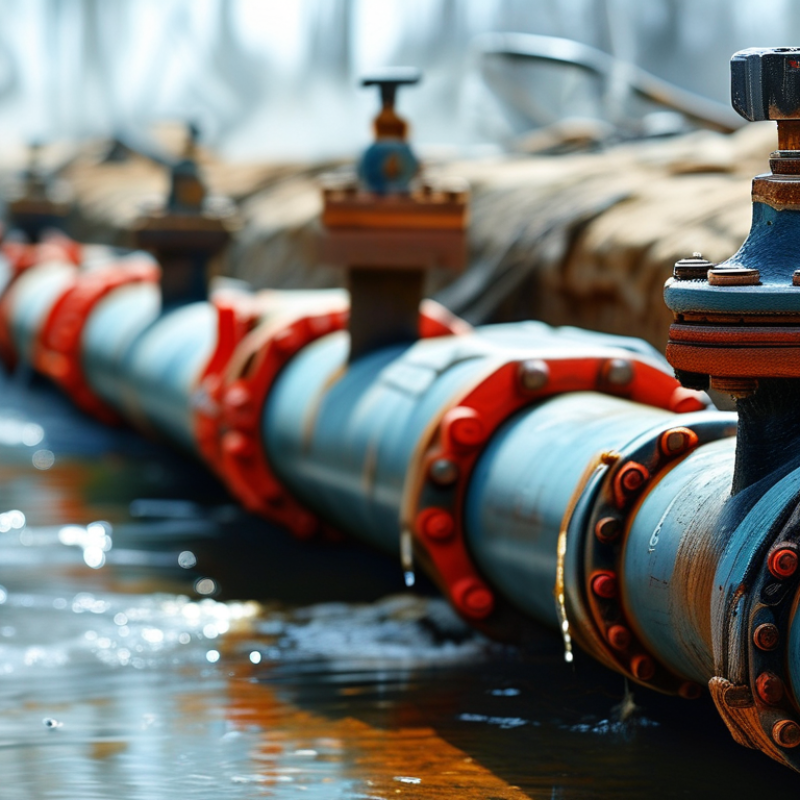
Piping systems are critical in many industries, yet they face numerous challenges that can disrupt operations. Common issues include leaks, corrosion, and blockages. According to a report by the American Society of Mechanical Engineers (ASME), nearly 30% of unplanned shutdowns in industrial facilities are due to piping failures. These interruptions can lead to significant financial losses, sometimes exceeding hundreds of thousands of dollars per incident.
Corrosion is often a silent destroyer in piping systems. It can reduce pipe life expectancy dramatically. A study published in the Journal of Pipeline Engineering revealed that corrosion accounts for approximately 25% of maintenance costs in pipeline operations. Without proper monitoring and preventive measures, this issue can escalate, causing safety hazards and increased downtime. Buyers must be proactive and consider corrosion-resistant materials and regular inspections.
Blockages, often caused by debris or sediment, can also impair system efficiency. These obstructions slow down flow rates, leading to increased energy costs and lower productivity. A thorough understanding of the factors contributing to this issue is crucial. Buyers should invest in advanced filtration and regular system cleaning to mitigate these risks effectively. Addressing these challenges early on is essential for maintaining operational reliability and reducing potential disruptions.
This bar chart illustrates the common issues faced in piping systems, showing the frequency of each issue per 100 systems. Understanding these challenges can help buyers make informed decisions.
Material selection in piping systems is crucial. The right materials ensure durability, efficiency, and safety. Various factors influence this choice, including temperature, pressure, and the type of fluids being transported. For example, corrosive fluids require materials that can withstand severe chemical reactions. Metal pipes are often chosen for their strength, while plastic pipes may be preferred for cost-effectiveness and resistance to corrosion.
It's important to remember that not all materials are suitable for every application. Some materials can break down faster than expected. Regular assessments of material performance can help identify issues early. Buyers should consider the entire lifecycle of the material, not just the initial cost.
When selecting materials, involve experienced engineers in the decision-making process. Use their insights to navigate complex requirements. Additionally, stay updated with industry standards. They provide essential guidelines for material properties and performance expectations. Making informed choices can save time and resources in the long run.
When installing piping systems, certain common mistakes frequently occur. One significant error is improper alignment. If pipes are not aligned correctly, it can lead to stresses that cause leaks. Checking alignment during installation minimizes future issues.
Another common pitfall is neglecting to support the pipes adequately. Insufficient supports can result in sagging and misalignment over time. It’s crucial to use supports at specified intervals according to the pipe type and size.
Tips: Always follow the manufacturer's guidelines for spacing. Use the correct materials to ensure durability.
Beyond alignment and support, overlooking the need for proper insulation can cause problems. Pipes without adequate insulation may face condensation, leading to water damage and corrosion. Insulating your piping systems is imperative, especially in temperature-sensitive areas.
Tips: Assess environmental conditions for insulation needs. Choose high-quality insulation materials to save costs in the long run.
Inexperience or haste can lead to these installation errors. Taking the time to plan and execute each step carefully is necessary for a successful piping system. A well-installed system ultimately saves on maintenance and repair costs.
| Issue | Description | Common Causes | Prevention Tips |
|---|---|---|---|
| Leaks | Fluid escaping from joints or connections in the piping system. | Poor installation, excessive vibration, or corrosion. | Use proper sealing techniques and regular maintenance checks. |
| Clogging | Blockages that restrict fluid flow in the piping system. | Debris, sediment build-up, or foreign objects in the pipes. | Regular flushing and installation of strainers. |
| Burst Pipes | Ruptures in the pipe that can cause significant water damage. | Extreme temperature changes, poor insulation, or material fatigue. | Maintain optimal temperatures and replace aging infrastructure. |
| Corrosion | Degradation of pipe material due to chemical reactions. | Exposure to moisture and harsh chemicals in fluids. | Use corrosion-resistant materials and proper coatings. |
| Improper Installation | Failures due to incorrect joining techniques or alignment. | Lack of training or experience among installation personnel. | Invest in skilled labor and comprehensive training programs. |
Proper maintenance practices are crucial for extending the lifespan of piping systems. According to a study from the American Society of Mechanical Engineers, up to 30% of a facility’s maintenance budget can be allocated to piping systems. Regular inspections, corrosion control, and appropriate joint sealing can significantly reduce repair costs and downtime.
Frequent visual checks can identify corrosion or leaks early. Use advanced tools like ultrasonic thickness gauges for precise measurements. This proactive approach can enhance system reliability and lifespan. Capable personnel performing routine checks can save 20-40% in potential repair costs.
Consider implementing a schedule for flushing pipes. Regular flushing can reduce sediment buildup and maintain water quality. When cleaning, use eco-friendly solutions where possible. This practice not only improves efficiency but also contributes to environmental sustainability. Evaluating the system can reveal inefficiencies, prompting timely upgrades or replacements.
When evaluating piping solutions, buyers should consider several key factors. Material selection is crucial. Different materials offer various benefits and drawbacks. For instance, stainless steel is durable and resistant to corrosion, whereas PVC is lightweight but may not withstand high temperatures. Assessing these properties is vital for the project's success.
Manufacturing processes can significantly affect pipe quality. Inconsistent production may lead to weak points in the system. Look for suppliers who maintain strict quality control standards. This ensures reliability in the piping systems installed.
Tip: Request detailed specifications from suppliers. This will help you evaluate whether their products meet your project requirements.
Installation requirements should also be examined. Some piping solutions may need specialized tools or skills. This can impact project timelines and costs. Make sure your team is equipped for the job or consider external support if necessary.
Tip: Always account for maintenance when choosing piping systems. Systems requiring minimal upkeep can save costs in the long run.
: It ensures durability, efficiency, and safety in transporting fluids.
Temperature, pressure, and fluid type are key factors.
No, some materials may break down faster in certain conditions.
They identify potential issues early, preventing costly failures.
Experienced engineers can provide valuable insights during the process.
Regular inspections, corrosion control, and proper sealing are vital.
Ultrasonic thickness gauges allow for precise measurements of pipe conditions.
It reduces sediment buildup, maintaining water quality and efficiency.
Use eco-friendly solutions whenever possible for sustainability.
Regular evaluations can prompt necessary upgrades or replacements.
In the realm of piping systems, understanding "what are the common problems in piping systems" is crucial for efficient operation and longevity. Common challenges include leaks, corrosion, and blockages, which can significantly impact overall performance. Selecting the right materials is vital to mitigate these issues, as it directly influences durability and resistance to environmental factors. Additionally, avoiding installation errors, such as improper alignment and support, is essential to prevent early failures.
Regular maintenance practices, such as inspections and timely repairs, further extend the lifespan of piping systems. For potential buyers, key considerations involve evaluating the quality of materials, assessing installation standards, and understanding maintenance requirements. By addressing these elements, buyers can make informed decisions that enhance the reliability and efficiency of their piping solutions.

ElvisCast Precision