Top 5 Common Problems in Piping Systems You Should Know?

Time:2026-05-11 Author:Sophia
0%

In the realm of industrial engineering, understanding what are the common problems in piping systems is crucial for maintaining efficiency and safety. A recent industry report by the American Society of Mechanical Engineers highlights that nearly 30% of maintenance costs in manufacturing stem from piping failures. Issues like corrosion, leaks, and blockages not only incur expenses but can also lead to unplanned shutdowns.

Another report from the National Association of Corrosion Engineers indicates that corrosion alone costs industries billions annually. These figures underscore the importance of identifying and addressing common piping system problems proactively. Neglecting these issues can lead to significant downtime and increased repair costs, affecting overall productivity.

Moreover, many facilities lack adequate monitoring systems, which can exacerbate these problems. Without real-time data, early warning signs of piping failure may go unnoticed. This can compound existing issues, demonstrating the need for improved oversight and maintenance practices. Addressing these challenges effectively can enhance the reliability of piping systems and contribute to long-term operational success.
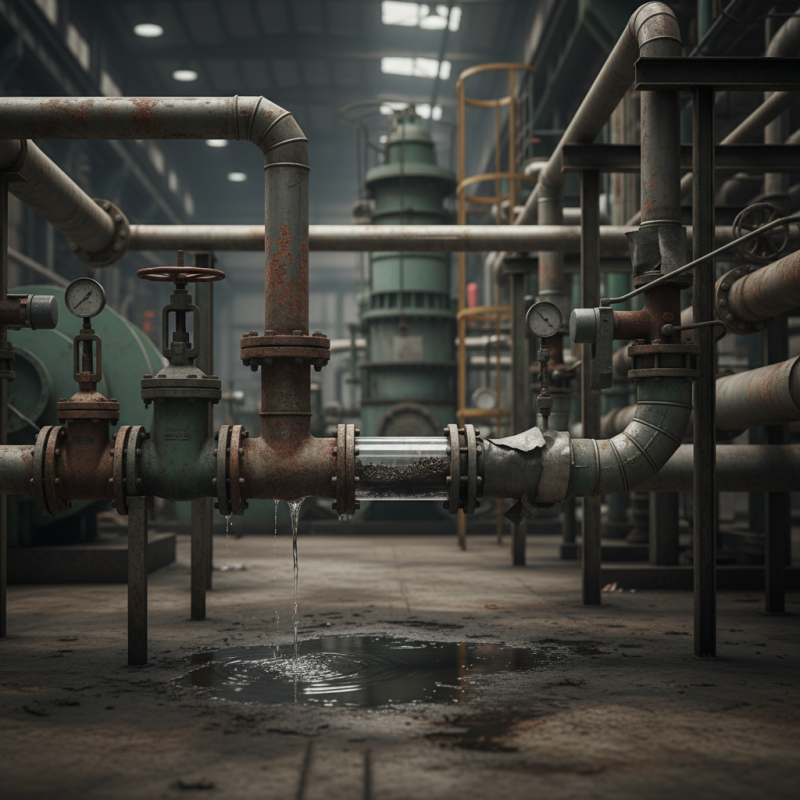
Top 5 Common Problems in Piping Systems You Should Know?

Common Causes of Leaks in Piping Systems

Leaks in piping systems can cause significant issues across various industries. Research indicates that approximately 30% of treated water is lost through leaks. This statistic emphasizes the urgent need to address common causes of leaks. One frequent issue is corrosion, which can weaken pipes over time. According to the American Society of Civil Engineers, corrosion can lead to pipe failures, resulting in costly repairs and service disruptions.

Another contributing factor is poor installation practices. For example, improperly aligned joints can create stress points, leading to leaks. The Environmental Protection Agency reported that about 50% of water main failures were due to inadequate installation techniques. Insufficient support for piping systems is also critical. Without proper bracing, pipes may sag and fracture. This can trigger a cascade of failures in integrity.

Moreover, fluctuations in pressure can exacerbate existing weaknesses. High-pressure conditions can cause joints to fail, further increasing the risk of leaks. Understanding these factors is essential for effective maintenance. Regular inspections and monitoring can help identify vulnerabilities before they turn into significant issues. Emphasizing proactive management can lead to safer and more reliable piping systems.

Impact of Corrosion on Pipe Integrity

Corrosion is a significant threat to the integrity of piping systems. It occurs when metal pipes react with moisture, oxygen, and other chemicals in the environment. Over time, this reaction leads to material degradation. The reduced wall thickness can result in leaks and structural failures. Such failures may cause downtime and expensive repairs.


Understanding corrosion's effects is crucial for maintaining pipe systems. Regular inspection can help identify early signs of corrosion, such as discoloration and rust. Monitoring humidity and temperature levels in facilities is also essential. These factors often accelerate corrosion processes.


Here are some tips for mitigating corrosion risks:

  • Use protective coatings. These can create a barrier between pipes and corrosive elements.
  • Implement cathodic protection. This method diverts corrosion away from critical areas.
  • Evaluate water quality. High chloride levels can enhance corrosion, necessitating adjustments.

Proper maintenance and awareness can greatly reduce the impact of corrosion on piping systems. Employing these practices leads to safer and more reliable operations. Each facility must adapt strategies that suit their specific conditions. Regular reviews can enhance the effectiveness of maintenance programs.

Blockages: Leading Factors and Solutions

Blockages in piping systems can lead to significant operational disruptions. Research indicates that over 50% of facility downtime is attributed to such blockages. Various factors contribute to this issue. The most common are debris accumulation, corrosion, and the settling of sediments. Regular maintenance can mitigate these risks. Inspections should focus on high-risk areas where blockages frequently occur.

Adopting advanced monitoring techniques can further enhance system reliability. Using flow sensors and pressure gauges, operators can detect changes that signal potential blockages. Studies show that proactive monitoring reduces blockage incidents by 30%. However, many facilities still overlook these technologies, leading to preventable failures. It is essential to keep systems clean and to train staff on prompt identification of early warning signs.

Implementing solutions requires a thoughtful approach to each unique system. For instance, chemical treatments can dissolve certain types of blockages, but they may not address all issues. Mechanical cleaning methods must be used as well. A combination of approaches often yields the best results. Relying solely on one method without considering the specific circumstances can lead to repeated problems. Balancing techniques and preventive measures is key to sustaining effective piping operations.

Understanding the Effects of Pressure Imbalance

Pressure imbalance in piping systems is a critical issue that can lead to inefficiencies and costly damages. According to a report by the American Society of Mechanical Engineers (ASME), pressure discrepancies can cause up to 30% loss in system efficiency. This inefficiency not only affects production but also increases energy consumption. The origins of pressure imbalance can vary. Obstructions, leaks, or improper valve settings are common culprits.

The effects of pressure imbalance are not just technical; they have real-world implications. In extreme cases, it can lead to catastrophic failures. The National Fire Protection Association (NFPA) estimates that over 50% of industrial accidents result from sudden system failures linked to pressure issues. Engineers must regularly monitor pressure levels and implement maintenance protocols to manage these risks. Visual inspections often miss subtle signs of imbalance, prompting the need for advanced monitoring technologies.

Proper training in recognizing these issues is essential. Even skilled workers might overlook minor discrepancies, which can grow into significant operational problems. Continuous education on the latest standards in pressure management is necessary. As piping systems evolve, so too must the strategies to maintain their integrity. Prioritizing this aspect of system management can lead to safer and more reliable operations.

Maintenance Practices to Prevent Pipe Failures

Piping systems are essential in various industries, yet they face many common issues. Preventive maintenance is vital for avoiding costly pipe failures. Regular inspections can identify potential problems before they escalate. According to industry reports, nearly 40% of pipe failures are due to corrosion and wear, which can be minimized through proactive maintenance.

Implementing a routine maintenance plan can significantly extend the life of a piping system. Simple practices like cleaning and painting can reduce corrosion. Data shows that systems with regular maintenance have up to a 25% increase in longevity. However, not all facilities prioritize these practices, leading to unexpected shutdowns.

Monitoring pressure levels and flow rates is crucial. Abnormal readings can indicate leaks or blockages. Surprisingly, many operators overlook these metrics. A study revealed that 30% of operators do not track flow efficiency. Awareness of these statistics emphasizes the need for improvement. Consistent training and awareness programs can help foster a culture of maintenance optimization.

Top 5 Common Problems in Piping Systems

FAQS

: What is corrosion, and how does it affect pipes?

: Corrosion occurs when metal pipes react with moisture and chemicals. It leads to material degradation, causing leaks and failures.

How can I identify early signs of corrosion?

Look for discoloration and rust during regular inspections. Monitoring humidity and temperature can also help detect issues.

What methods can reduce corrosion risks in piping systems?

Use protective coatings and implement cathodic protection. Evaluate water quality to minimize corrosive elements.

What are the main causes of blockages in piping systems?

Common causes include debris accumulation, corrosion, and settling sediments. Regular maintenance can help prevent these issues.

How can advanced monitoring techniques help with blockages?

Using flow sensors and pressure gauges can detect changes early. This proactive approach can reduce blockage incidents significantly.

Why is addressing pressure imbalance important?

Pressure imbalances can cause up to a 30% loss in efficiency. They can also lead to costly damages and safety hazards.

What are some common causes of pressure imbalances?

Obstructions, leaks, and improper valve settings often lead to pressure discrepancies. Regular monitoring is necessary.

How can I ensure my staff is trained to recognize piping issues?

Continuous education on pressure management and hands-on training can improve workers’ ability to spot minor discrepancies early.

What maintenance strategies can enhance pipe system integrity?

Regular inspections, advanced monitoring, and employing multiple cleaning methods can greatly enhance effectiveness.

What happens if only one method is used to address pipe issues?

Relying on a single approach may lead to repeated problems. A balanced strategy is crucial for long-term solutions.

Conclusion

In understanding what are the common problems in piping systems, several critical issues arise that require attention. One of the most frequent problems is leaks, which can stem from various causes such as improper installation, wear and tear, or environmental factors. Corrosion also poses a significant threat, deteriorating pipe integrity over time and leading to potential failures. Additionally, blockages can occur due to debris buildup or sediment accumulation, necessitating regular inspection and maintenance to ensure smooth flow.

Another considerable concern is pressure imbalance, which can lead to stress and eventual pipe rupture if not properly managed. To mitigate these problems, implementing effective maintenance practices is essential. Routine checks, timely repairs, and timely replacements can help prevent pipe failures and ensure the longevity of piping systems. Addressing these common issues is vital for maintaining the efficiency and safety of any piping infrastructure.

Sophia

Sophia

Sophia is a dedicated marketing professional with an exceptional depth of knowledge about her company's products and services. With a keen understanding of market trends and customer needs, she crafts insightful blog posts that not only inform but also engage readers, enriching the company’s online......