Choosing the right valve type can be challenging for buyers. With numerous options available, understanding their differences is crucial. So, what is the difference between different valve types?
Valves come in various designs, each serving specific purposes. Some control flow, while others regulate pressure. For instance, ball valves provide on-off control and are durable. In contrast, globe valves excel in flow regulation but can create pressure drop.
Familiarizing yourself with these differences helps in selecting the right valve. An uninformed choice can lead to operational failure or inefficiency. Buyers must weigh their options carefully to make informed decisions.
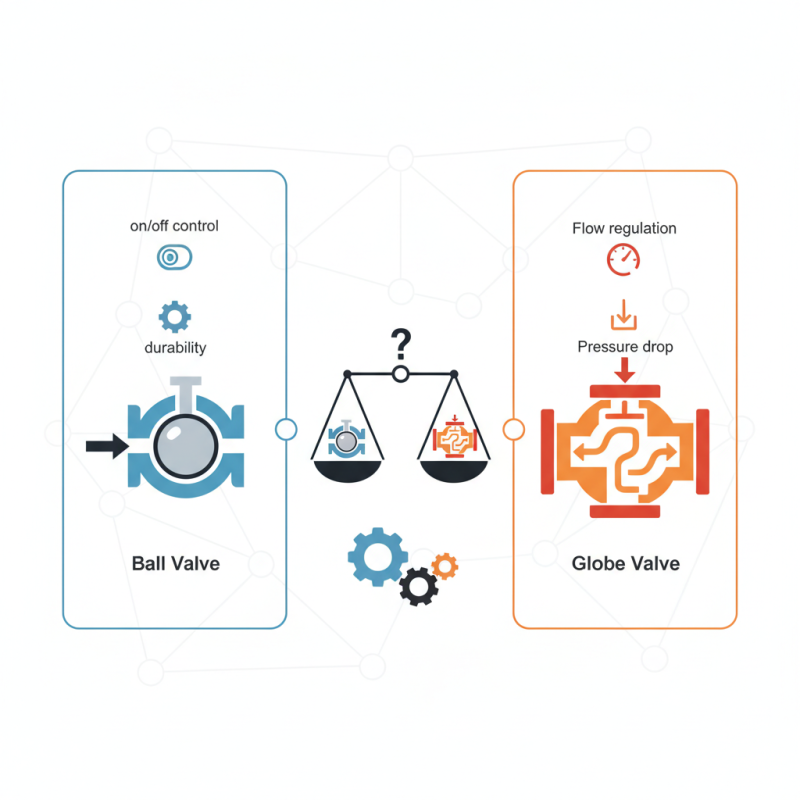
When purchasing valves, understanding the different types available is crucial. Valves are essential components in various industries, from oil and gas to water treatment. According to a report by Research and Markets, the global valve market is expected to reach $90 billion by 2027. This growth reflects a rising demand for efficient fluid control systems.
Ball valves, gate valves, and butterfly valves serve unique purposes. Ball valves offer a quick shut-off and are ideal for high-pressure applications. Gate valves, on the other hand, are better suited for minimal pressure drops. They are commonly used in water systems. Butterfly valves are versatile and provide a lightweight solution for regulating flow.
However, choosing the right valve isn't always straightforward. Misunderstanding specifications can lead to costly mistakes. Different materials and design features impact durability and performance. A thorough evaluation of the application and fluid type is necessary. Industry standards, such as those from the American Society of Mechanical Engineers, provide guidance but can be complex. Buyers often overlook these details, resulting in inefficiencies. The right valve type can enhance operational efficiency and safety, but understanding factors like pressure drop and media compatibility is essential.
Ball valves are widely used in industrial settings due to their reliability and efficiency. These valves offer a quarter-turn operation that allows for quick opening and closing. They consist of a hollow, perforated ball that pivots within the valve body. When the ball is aligned with the flow, the valve opens. This simple mechanism results in minimal pressure drop and allows for high flow rates.
One of the key features of ball valves is their sealing capability. They provide a tight seal that prevents leaks, even under high pressure. This makes them ideal for applications involving gas and liquid transport. They are also suitable for extreme temperatures. Despite these advantages, users sometimes experience difficulties with valve maintenance. Corrosion or debris can affect the ball's movement. Therefore, regular inspections are essential.
Tips: Choose the right material for your ball valve according to the fluid characteristics. Always consider operating conditions like pressure and temperature. Be aware of potential challenges, such as wear and tear, which can impact valve performance. Proper installation can make a difference in longevity and reliability.
When considering fluid control valves, gate valves and globe valves emerge as key options. These valves serve different purposes in industrial applications. Gate valves excel at either fully on or fully off operations. They provide minimal resistance to flow, ideal for pipelines that require maximum fluid movement. The Data Analysis Report from the Fluid Control Association states that gate valves can reduce flow resistance by up to 80%. This feature makes them suitable for large-diameter pipelines where pressure loss is critical.
On the other hand, globe valves are designed for throttling applications. They allow for precise flow control, making them suitable for applications where flow adjustments are necessary. Their structure—featuring a spherical body—enables better control over the flow rate compared to gate valves. According to a study by the American Society of Mechanical Engineers, globe valves can maintain a flow control accuracy of up to 95%. However, they introduce more resistance, which can impact overall efficiency. Users should remain aware of these characteristics when selecting the appropriate valve type for their systems. Understanding these differences can greatly enhance fluid management strategies.
This chart compares the key characteristics of Gate Valves and Globe Valves to aid buyers in understanding their differences in fluid control applications.
When selecting valve materials, several factors impact performance significantly. Understanding these factors can help buyers make informed choices. The operating environment plays a crucial role. For instance, high temperatures or corrosive fluids can dictate material selection. Stainless steel is often favored for its durability and resistance to rust. On the other hand, plastic valves can be suitable for less demanding applications due to their lighter weight and lower cost.
Tip: Always assess the service conditions. Consider factors like pressure, temperature, and the type of fluid involved. Each property influences durability and functionality.
The valve's function must align with its material. While some materials excel at withstanding pressure, they may not hold up well against certain chemicals. It’s essential to analyze compatibility thoroughly. It could save you from future headaches related to performance issues.
Tip: Consult with experts beforehand. They can provide insights tailored to your specific needs. When unsure, it's better to ask than to guess. In the end, making an informed choice is paramount for long-term reliability.
| Valve Type | Material | Temperature Range (°C) | Pressure Rating (psi) | Common Applications |
|---|---|---|---|---|
| Ball Valve | Stainless Steel | -40 to 200 | 1500 | Oil and Gas, Water Supply |
| Gate Valve | Carbon Steel | -29 to 425 | 720 | Water, Steam |
| Globe Valve | Bronze | -10 to 180 | 400 | Fuel Gas, HVAC Systems |
| Check Valve | PVC | 0 to 60 | 150 | Chemical Processing, Water Systems |
| Butterfly Valve | Aluminum | -30 to 95 | 300 | HVAC, Wastewater Treatment |
Selecting the right valve type requires understanding industry standards and certifications. Quality valves often need to meet ASTM, ANSI, and ISO specifications. These certifications ensure that the valves can withstand specific pressures, temperatures, and corrosive environments.
According to a report from the Valve Manufacturers Association (VMA), over 75% of buyers consider certifications essential. Valves that meet these standards have proven reliability. A poorly made valve can lead to leaks or failures, which could result in costly downtime. Non-compliance with industry standards can severely impact operational efficiency.
Adherence to standards like API-6A or ASME B16.34 can ensure safety and durability. However, the certification process can be complex and costly. Not all manufacturers prioritize compliance. That inconsistency raises concerns about the long-term integrity of some valves. Buyers must be vigilant. Understanding certification levels is critical to making informed decisions in valve procurement.
: The main types include ball valves, gate valves, and butterfly valves. Each has distinct functions.
Ball valves offer quick shut-off capabilities. They are ideal for high-pressure situations.
Gate valves minimize pressure drops. They are suitable for water systems requiring efficient flow.
Butterfly valves are versatile and lightweight. They help regulate flow in various applications.
Different materials affect durability and performance. Misunderstanding these can lead to costly errors.
Standards ensure reliability and safety. Non-compliance can result in leaks and operational inefficiencies.
Gate valves excel in fully on/off operations, while globe valves allow for precise flow adjustments.
Globe valves offer accuracy but can introduce more resistance in the system. This impacts overall efficiency.
Certification levels indicate a valve's reliability. Lack of compliance may compromise safety and lead to failures.
Buyers often overlook critical details and specifications. This can lead to inefficiencies and increased costs.
In the pursuit of understanding what is the difference between different valve types, this guide provides a comprehensive overview for buyers. It explores various valve types, particularly focusing on the key features and applications of ball valves in industrial settings, highlighting their efficiency in controlling flow. A comparative analysis of gate valves versus globe valves is presented for fluid control, outlining their distinct advantages and scenarios for use.
Moreover, the selection of the right valve material is crucial, considering factors that impact overall performance. Additionally, an overview of industry standards and certifications aids buyers in ensuring quality valve selection. This information empowers stakeholders to make informed choices tailored to their specific needs, thus enhancing operational effectiveness in various applications.

ElvisCast Precision