What is the Difference Between Valve Types for Global Buyers?

Time:2026-07-16 Author:Henry
0%

Understanding the differences in valve types is crucial for global buyers. As industry expert Dr. Emily Zhang states, “What is the difference between different valve types can determine the success of your project.” Valves play a key role in controlling fluid flow in various applications. Choosing the right type can affect efficiency and safety.

Different valve types serve unique functions. The distinction between a gate valve and a ball valve is not merely academic. Gate valves provide a straight line for fluid flow, while ball valves enable quick shut-off. Each type has its strengths and limitations. Buyers must carefully evaluate their needs.

Moreover, common misconceptions exist around valve capabilities. Some believe that all valves can interchange functionalities, which is not the case. It is essential to recognize that the right valve ensures optimal performance and reliability. Understanding these differences leads to better decision-making in purchasing.
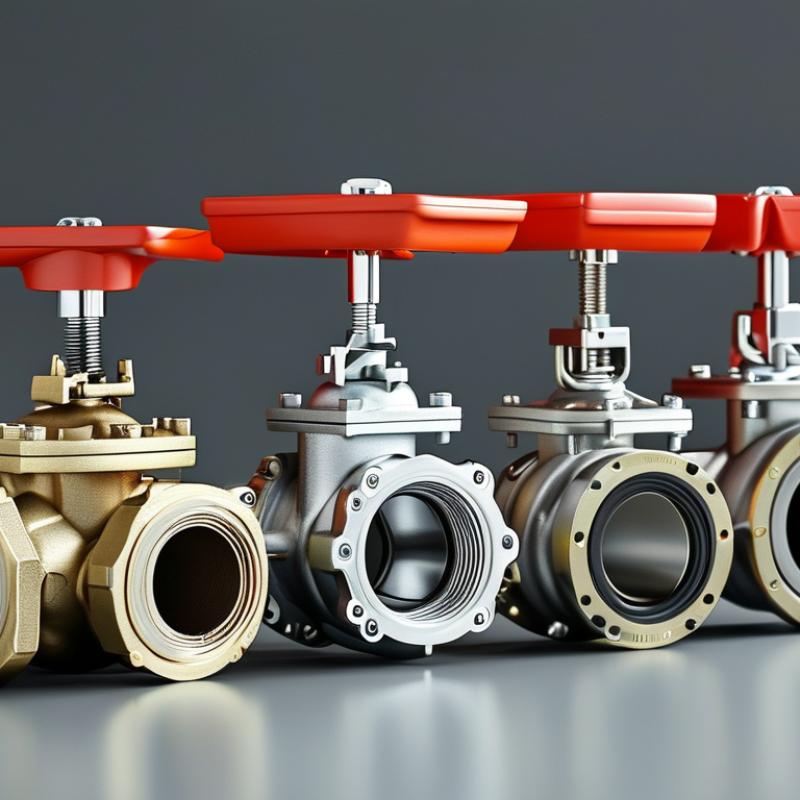
What is the Difference Between Valve Types for Global Buyers?

Types of Valves: An Overview for Global Buyers

When evaluating valve types, it's crucial for global buyers to understand their unique characteristics. Valves play a vital role in various industries, from oil and gas to water treatment. According to a market report by Research and Markets, the global valve market is expected to reach USD 85 billion by 2025. This growth highlights the need for knowledge about different valve types.

Gate valves, commonly used in high-pressure applications, are reliable for on/off control. However, they can be slow to operate. Conversely, globe valves provide better throttling capabilities. These differences are essential when choosing a valve for specific needs. Notably, a report from Allied Market Research indicates that the demand for globe valves will increase at a compound annual growth rate (CAGR) of 5.2% during the next five years.

Moreover, ball valves are favored for their quick operation and low pressure drop. They are widely used in gas and liquid applications. Yet, they may not perform optimally for throttling. Additionally, butterfly valves are lightweight and compact but can face leakage issues. The choice of valve impacts efficiency, cost, and safety. Understanding these nuances is key for global buyers navigating the valve market.

Functionality of Different Valve Types Explained

Valves play a crucial role in controlling fluid flow in various systems. Understanding the functionality of different valve types can greatly benefit global buyers. For instance, gate valves are often used for on/off control. They allow full flow when open but may create pressure loss if partially closed. This characteristic makes them suitable for applications where minimal flow resistance is necessary.

Another common type is the globe valve. Unlike gate valves, globe valves provide better flow regulation. They have a spherical body and allow for throttling. This means they can adjust flow rates effectively. However, they can create more turbulence and pressure loss than gate valves. Buyers should consider the specific application requirements when choosing between these valve types.

Ball valves are known for their quick operation and effective sealing. They offer a tight shut-off and are ideal for applications requiring frequent on/off cycling. Conversely, they may not be suitable for flow regulation. Knowing these distinctions helps buyers select the right valve type for their needs. Each valve has its pros and cons, making it essential to evaluate functionality before making a decision.

Key Features and Benefits of Each Valve Type

Valve types are essential components in various industries, including oil, gas, and manufacturing. Each type of valve has distinct features and benefits. For instance, globe valves offer excellent throttling capabilities. According to a recent industry report, globe valves have a high-pressure drop when flow direction changes, making them ideal for applications that require precise flow control.

Butterfly valves, on the other hand, are known for their compact design and lightweight nature. They can be operated swiftly and require less space in piping systems. A survey indicated that butterfly valves can reduce installation costs by up to 30% due to their simple construction. These valves are suitable for larger pipelines, facilitating quick on-off operations without significantly hindering flow.

Ball valves provide a tighter sealing capability than other types. They minimize leakage, which is crucial in sectors like chemical processing and water distribution. The global market for ball valves is projected to grow at a CAGR of 5.2% over the next five years. However, improper sizing can lead to system inefficiencies, requiring careful consideration of specifications. Each valve type has its advantages, yet they also come with challenges that necessitate meticulous planning and execution.

Selecting the Right Valve Type for Your Application

When selecting the right valve type for any application, understanding the functional differences is crucial. Valves play a significant role in various industries, influencing processes like fluid and gas control. According to a recent market report by ResearchAndMarkets, the global valve market is expected to reach $98 billion by 2027, showcasing the importance of proper valve selection.

The choice between gate, globe, ball, and butterfly valves largely depends on the specific application. Gate valves are ideal for on/off control, providing minimal pressure drop. Globe valves allow for precise flow control, making them suitable for throttling. Butterfly valves, on the other hand, are lightweight and compact. Their simple design can lead to quicker response times in applications requiring regular adjustments. Knowing the nuances of these types not only enhances efficiency but also reduces long-term costs.

However, selecting the right valve is not always straightforward. Users may overlook critical aspects such as pressure ratings and temperature limits. A study from the American Society of Mechanical Engineers indicates that improper valve selection leads to performance issues in 25% of cases. It is essential to assess durability, material compatibility, and regulatory standards in your industry. Inadequate research can result in valve failure, leading to costly downtime and safety hazards.

Comparison of Different Valve Types for Global Buyers

Comparative Analysis of Valve Types in Various Industries

Valves play a crucial role in many industries. Their types vary widely, impacting efficiency and functionality. Understanding these differences is essential for global buyers. For example, gate valves are commonly used in oil and gas industries due to their ability to handle high pressures. However, they perform poorly at regulating flow. The challenges here can lead to overuse or underuse in applications.

Ball valves offer an alternative. They provide a tight seal and allow for quick shut-off. This feature makes them suitable for water and chemical processing industries. Yet, they can be prone to leaks if not maintained properly. Users must weigh these pros and cons carefully.

In contrast, globe valves excel at regulating flow. They create turbulence, which can sometimes be detrimental. This aspect is often overlooked by buyers. Each application demands specific valve characteristics. In many cases, buyers find themselves in a dilemma when choosing the right type. Industry knowledge is vital in making informed choices that align with operational needs.

What is the Difference Between Valve Types for Global Buyers? - Comparative Analysis of Valve Types in Various Industries

Valve Type Operation Type Common Applications Flow Control Material Compatibility
Ball Valve Manual / Automatic Oil & Gas, Water Distribution On/Off Metals, Plastics
Gate Valve Manual / Electric Water, Sewage Fully Open/Closed Water, Oil, Gas
Globe Valve Manual / Electric Power Generation, Chemical Flow Regulation Wide Range
Check Valve Automatic Water Systems, Pumps Prevention of Backflow Metals, Plastics
Butterfly Valve Manual / Pneumatic HVAC, Water Supply On/Off and Throttling Water, Chemicals

FAQS

: What are the main types of valves?

: The main types are gate, globe, ball, and butterfly valves. Each serves unique functions in various applications.

How do gate valves function?

Gate valves are primarily for on/off control. They provide full flow when open, but can cause pressure loss if partially closed.

Why are globe valves favored for flow regulation?

Globe valves allow for effective throttling and precise flow control, although they may create turbulence and pressure loss.

What advantages do ball valves offer?

Ball valves are known for quick operation and effective sealing. They are great for frequent on/off cycling but not for flow regulation.

What are common issues with butterfly valves?

Butterfly valves are lightweight and compact but can experience leakage issues, which may compromise system efficiency.

Why is valve selection important in industrial applications?

Proper valve selection affects efficiency, cost, and safety. Wrong choices can lead to performance issues and safety hazards.

How can users ensure the right valve choice?

Assess durability, material compatibility, pressure ratings, and temperature limits. Neglecting these aspects can result in costly failures.

What complications arise from improper valve selection?

Improper selection can cause performance issues in about 25% of cases, leading to costly downtime and potential hazards.

Can users overlook anything when selecting a valve?

Yes, users often overlook critical factors like regulatory standards. Failing to consider these can lead to serious consequences.

What’s a key takeaway about valves for global buyers?

Understanding the unique characteristics of each valve type is essential for making effective purchasing decisions.

Conclusion

In the exploration of "What is the Difference Between Valve Types for Global Buyers?", it is essential for purchasers to understand the diverse categories and functionalities of valves. This overview provides an insight into various valve types, detailing their specific features and benefits. The article emphasizes the importance of selecting the right valve type tailored to individual applications, highlighting how different industries utilize these components in unique ways.

By conducting a comparative analysis of valve types, buyers can make informed decisions based on their operational needs. Understanding what is the difference between different valve types not only aids in optimizing efficiency but also ensures that the selected valves meet the requirements of various tasks in different sectors. This comprehensive understanding is crucial for anyone involved in the procurement and application of valves globally.

Henry

Henry

Henry is a dedicated marketing professional with a profound expertise in the company's offerings. With years of experience in the industry, he possesses an impressive understanding of the market dynamics and consumer behaviors that drive success. Henry is committed to sharing his insights through......