In the world of metal parts manufacturing, precision is paramount. Every detail counts. As expert John Simmons, a leading figure in manufacturing processes, asserts, "Achieving precision is not just an objective; it's a necessity." This sentiment captures the essence of how to improve precision in metal parts manufacturing.
Precision impacts product quality and operational efficiency. Minor deviations can lead to significant issues, affecting performance and increasing costs. Manufacturers are exploring advanced technologies and methodologies to refine their processes. Strategies include utilizing CNC machines, applying stringent quality controls, and leveraging advanced materials. Despite these efforts, challenges persist.
It's crucial to reflect on the steps taken towards precision. Are the machines calibrated correctly? Are the workers trained effectively? Continuous assessment is vital. Focusing on these areas can drive improvements. However, achieving true precision is an ongoing journey, not a final destination.
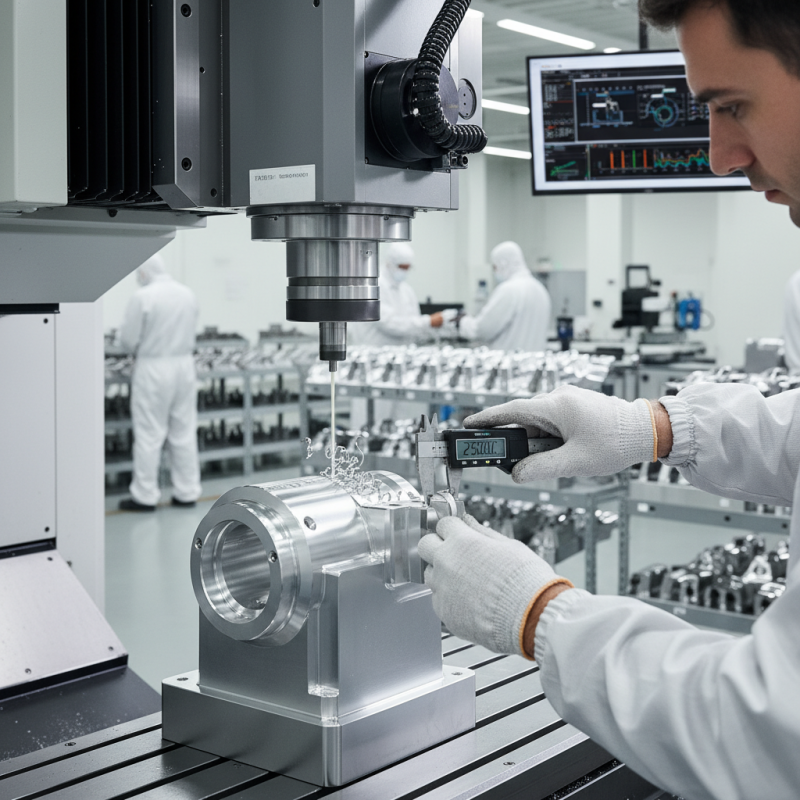
Techniques for Improving Precision in Metal Parts Manufacturing
Achieving high precision in metal parts manufacturing requires a combination of advanced techniques and attention to detail. One key method is utilizing CNC machining. This automation allows for intricate designs and tight tolerances, enabling manufacturers to produce complex parts consistently. However, programming errors or tool wear can lead to imperfections, highlighting the need for regular maintenance and recalibration.
Another effective technique is precision casting. This process allows for complex geometries and fine details that traditional machining may struggle to achieve. Yet, it demands meticulous control over the entire process, from mold design to cooling times. Inconsistent material properties can lead to variances, necessitating a thorough understanding of material science.
Lastly, incorporating advanced measurement tools like laser scanners can enhance accuracy significantly. These tools provide real-time feedback, assisting in identifying deviations early in the manufacturing process. Still, reliance solely on technology can be a pitfall. Human oversight remains crucial to interpret the data and ensure quality standards are met throughout production.
The Role of Advanced Machinery in Precision Manufacturing
In the world of precision manufacturing, advanced machinery plays a pivotal role. Recent data from industry reports indicate that companies adopting state-of-the-art CNC machines achieve a precision level of around 0.01 mm. This is critical in sectors like aerospace and medical device manufacturing, where tolerances are tight. Advanced equipment often includes features such as automatic calibration and adaptive machining, which can significantly enhance accuracy.
Machine operators are not always trained to use these advanced tools effectively. This gap can lead to inconsistencies in production. For instance, a study highlighted that nearly 30% of manufacturing defects stem from human error rather than machinery failure. Regular training and skill development are essential to minimize these errors. Furthermore, integration of IoT devices into machines has shown promise in predictive maintenance, helping to prevent breakdowns that can disrupt the workflow.
The initial investment in advanced machinery can be daunting. However, reports suggest that companies can see a return on investment in less than two years due to higher efficiency and lower defective rates. Balancing costs and precision remains a challenge for many manufacturers. Striving for improvement, while acknowledging these constraints, is key to advancing quality in metal parts manufacturing.
Materials Selection: Impact on Precision in Metal Parts
Selecting the right materials is crucial in enhancing precision in metal parts manufacturing. Different metals have unique properties that affect their performance. For example, high-strength steel offers durability but may pose challenges in machining precision. Meanwhile, aluminum is lightweight and easier to cut, yet it may not provide the same strength. Understanding these trade-offs is essential.
Ricocheting between material choices can lead to unforeseen difficulties. Some metals may warp during processing, causing inaccuracies. Others might be suitable for specific applications but unsuitable for others, which complicates the decision-making process. Engineers must consider factors like thermal expansion and corrosion resistance as they impact the final product.
Balancing performance and manufacturability requires a keen understanding of each material's characteristics. Exploring new alloys or composites can provide solutions, but shifts in material types often introduce new challenges. Testing different materials in real-world settings can illuminate potential issues. Precision in manufacturing is not just about the machines. It starts with thoughtful material selection, as this can significantly influence the end results.
Quality Control Measures to Ensure Manufacturing Precision
In metal parts manufacturing, precision is crucial. Quality control measures are essential to achieve this goal. Statistical Process Control (SPC) is one effective method. This technique uses data to monitor and control production processes. According to a recent report, implementing SPC can reduce variability by up to 30%. This reduction directly impacts the consistency of manufactured parts.
Another important strategy is the use of advanced inspection technologies. Techniques like laser scanning and 3D optical measurement can identify defects early. A study revealed that companies adopting such technologies experienced a 25% decline in rework rates. Yet, integrating these systems comes with challenges. Organizations often face steep learning curves and initial costs, which can deter implementation.
Periodic audits also play a significant role. These audits help ensure that processes align with industry standards. Many manufacturers overlook this necessity, leading to unaddressed quality issues. In fact, research shows that 60% of quality failures stem from inadequate audits. Improving auditing processes can significantly enhance overall precision and reliability in manufacturing.
Innovations in CAD/CAM for Enhanced Precision in Metalworking
The advancements in CAD/CAM technology significantly enhance precision in metalworking. These innovations facilitate complex designs with higher accuracy. 3D modeling tools allow engineers to visualize parts more clearly. This capability reduces errors during the design phase. Using simulation features, manufacturers can predict how parts will behave under stress.
Despite these benefits, challenges remain. Intricate geometries may lead to complications in machining. The software requires constant updates and training, which can strain resources. Additionally, relying solely on technology might overlook human intuition, which is crucial in problem-solving. Balancing technology and skilled labor is essential for optimal results.
Post-processing is another area that demands attention. Data extracted from CAD/CAM must be interpreted correctly. Ignoring this step can result in measurement discrepancies. Ultimately, continuous refinement of both technology and operator skills fosters better outcomes in metal parts manufacturing. The interplay between human expertise and technological innovation shapes precision in this field.
Conclusion
The article "How to Enhance Precision in Metal Parts Manufacturing" explores various strategies for achieving higher accuracy in the production of metal components. It highlights several techniques to improve precision in metal parts manufacturing, such as optimizing machining processes and employing advanced tools. The article emphasizes the importance of utilizing sophisticated machinery that enhances the intricacies of precision manufacturing, as well as the critical impact of material selection on the final product's accuracy.
Additionally, it discusses essential quality control measures that help maintain manufacturing precision throughout the production cycle. Innovations in CAD/CAM technology are also examined, showcasing how modern software solutions can significantly enhance precision in metalworking processes. Overall, the article provides a comprehensive overview of how to improve precision in metal parts manufacturing, ensuring that manufacturers can produce high-quality components consistently.

 ElvisCast Precision