How to Ensure Long Service Life of Industrial Valves?

Time:2026-05-09 Author:Amelia
0%

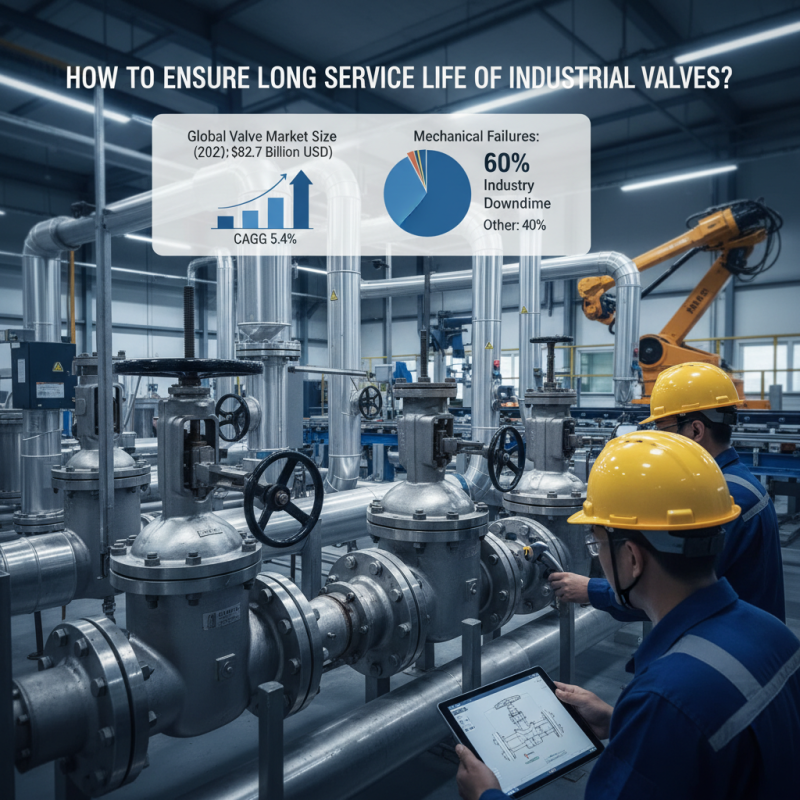
Industrial valves play a crucial role in various sectors, including oil and gas, water treatment, and manufacturing. According to a report by Grand View Research, the global valve market size was valued at USD 82.7 billion in 2021 and is projected to grow at a CAGR of 5.4%. This growth emphasizes the need for effective maintenance strategies. Knowing how to maintain industrial valves for long service life is essential to prevent costly downtime and ensure operational efficiency.

Improper handling or neglect could lead to significant issues, including leaks or total valve failure. A study published by the Valve Manufacturers Association states that mechanical failures account for 60% of industry downtime. Regular inspections and timely replacements can greatly mitigate these failures. Often, companies overlook the value of routine maintenance. This oversight can have dire consequences, especially in critical applications.

To enhance the longevity of industrial valves, businesses should establish proactive maintenance schedules. Utilizing advanced materials and coatings can further increase durability. However, many firms still rely on outdated practices. This reliance can lead to unnecessary expenses and operational risks. It is vital to adopt innovative solutions and keep pace with technological advancements in valve management.
How to Ensure Long Service Life of Industrial Valves?

Best Practices for Selecting Industrial Valves to Maximize Longevity

Selecting industrial valves with longevity in mind requires meticulous attention to detail. The right choice can significantly influence the performance and lifespan of your systems. A recent report by the International Society for Automation highlights that improper valve selection can reduce service life by up to 50%. This statistic underscores the importance of understanding your specific application before making a decision.

Consider the materials used in valve construction. Choosing corrosion-resistant materials can prevent early wear and tear, ensuring optimal functionality over time. The American Society of Mechanical Engineers indicates that valves made from stainless steel can last 30% longer than those made from carbon steel in corrosive environments. Understanding the operating conditions, such as temperature and pressure, is equally crucial. Many facilities overlook these factors, thinking that any valve will suffice, which can lead to frequent replacements and increased operational costs.

Regular maintenance should not be forgotten in the selection process. If valves are not compatible with maintenance practices, they can quickly become liabilities. Studies show that 60% of valve failures arise from lack of appropriate maintenance. Reflecting on past choices can help refine the selection process. Engage with industry literature and case studies to learn from common pitfalls. Fostering a proactive approach can drastically enhance the durability of your industrial valves.

Regular Maintenance Protocols to Extend Industrial Valve Lifespan

Regular maintenance protocols are essential for extending the lifespan of industrial valves. A structured approach to maintenance prevents unexpected failures. Regular inspections help identify wear and tear. This proactive method can save money and minimize downtime. Maintenance should include checking seals and packing for leaks. Small leaks can lead to major failures over time.

Lubrication is another critical aspect. Ensuring that moving parts are properly lubricated keeps the valve operating smoothly. Over time, lubricants can degrade or become contaminated. It’s vital to replace them according to a strict schedule. Additionally, operators should keep a detailed maintenance log. This log can provide insights into performance trends and potential issues.

Operator training is also overlooked. Skilled personnel familiar with valve mechanics can spot problems early. They can ensure adherence to maintenance protocols. Sometimes, even regular practices can become less effective. Reassessing maintenance strategies periodically is essential. Engage with experienced professionals for guidance and updates on best practices.

Common Factors Influencing Industrial Valve Corrosion and Wear Rates

Corrosion and wear rates in industrial valves can significantly affect their longevity. Factors such as fluid composition, temperature, and pressure play crucial roles. According to a recent report by the International Journal of Corrosion, more than 50% of valve failures are attributed to corrosion. This highlights the need for careful material selection based on the operating environment.

Fluid composition is a key determinant of corrosion rates. For instance, acidic fluids can lead to rapid degradation of metal surfaces. A study by NACE International found that valves exposed to acidic media experienced wear rates up to three times higher than those in neutral conditions. Similarly, high-temperature applications can exacerbate wear, as heat alters material properties and accelerates degradation.

To mitigate these issues, regular maintenance is essential. Inspections should be frequent and thorough. Even minor signs of wear can lead to significant consequences if left unaddressed. Utilizing advanced materials with better corrosion resistance is a wise investment. However, many facilities still rely on outdated components. Ignoring technological advancements could result in compromised safety and unexpected expenditures in the long run.

Common Factors Influencing Industrial Valve Corrosion and Wear Rates

Importance of Material Selection in Industrial Valve Durability

The selection of materials is crucial in determining the durability of industrial valves. According to a report by the American Society of Mechanical Engineers, about 30% of valve failures are due to improper material choices. Materials should withstand pressure, temperature, and corrosive environments. Stainless steel and high-grade alloys are often recommended. However, even these materials can fail under specific conditions.

Tips: Always consider the specific application. Understand the operating environment. This can lead to better material choices.

In addition, the compatibility of the chosen material with the process fluid cannot be overlooked. A study from the Journal of Chemical Engineering indicates that chemical reactions can compromise valve integrity, leading to leakage. This highlights the need for thorough testing and analysis before finalizing a material.

Tips: Conduct failure mode analysis. Seek expert evaluations to enhance material selection.

Investing time in material selection is essential for long service life. Ignoring this aspect may lead to unexpected downtime and increased maintenance costs. There’s a balance between material cost and valve longevity that manufacturers must assess wisely.

Implementing Smart Technology for Predictive Valve Maintenance Strategies

Implementing smart technology for predictive valve maintenance strategies can significantly extend the service life of industrial valves. Advanced predictive maintenance leverages data analytics, allowing for real-time monitoring of valve performance. According to a report by the Market Research Future, predictive maintenance can reduce unplanned downtime by up to 30%. This benefit is crucial in industries where valve failure can lead to costly production halts.

Utilizing sensors and IoT technology provides continuous data collection on valve conditions. This data helps facilities detect anomalies early. For instance, irregular vibration patterns or temperature changes may indicate potential failure. A study published in the Journal of Industrial Engineering shows that predictive maintenance can extend equipment lifespan by 20-30%. However, many companies still rely on reactive maintenance, which can result in critical failures.

Reflecting on current practices, it’s clear that not all industries have adopted these technologies. Some may lack the resources or expertise needed for implementation. Additionally, the integration of smart technology may face resistance from traditional maintenance teams. Despite these challenges, the evidence supporting predictive maintenance's effectiveness is growing. Investing in technology today could yield substantial savings and efficiencies tomorrow.

How to Ensure Long Service Life of Industrial Valves? - Implementing Smart Technology for Predictive Valve Maintenance Strategies

Parameter Value Unit Notes
Operating Pressure 150 psi Maximum allowable pressure for safe operation
Operating Temperature 250 °F Range of temperature for efficient functioning
Material Stainless Steel - Corrosion resistant material
Maintenance Frequency 6 Months Recommended interval for maintenance checks
Expected Service Life 10 Years Projected lifespan under optimal conditions
Predictive Maintenance Technology Vibration Analysis - Technology used to monitor valve conditions

FAQS

: How does improper valve selection impact longevity?

: Improper selection can reduce service life by up to 50%. This highlights the need for careful choices.

What materials are best for valve longevity?

Corrosion-resistant materials are crucial. Stainless steel valves, for instance, can last 30% longer than carbon steel in corrosive environments.

How important are operating conditions in selecting valves?

Understanding temperature and pressure is vital. Many facilities overlook these factors, leading to frequent replacements.

What role does maintenance play in valve performance?

Regular maintenance is essential. Studies show that 60% of valve failures occur due to inadequate maintenance.

Why should fluid composition be considered?

Fluid composition greatly influences corrosion rates. Acidic fluids can significantly speed up degradation.

How can high temperatures affect valves?

High heat can alter material properties and accelerate wear. This increases the risk of valve failure over time.

What common mistakes should be avoided in valve selection?

Relying on outdated components can be risky. Ignoring technological advancements might lead to safety issues and costs.

What should companies reflect on for improved valve selection?

Reflecting on past choices helps refine the selection process. Engaging with industry literature is beneficial.

How can minor wear signs impact valve lifespan?

Minor signs of wear can lead to significant issues if ignored. Inspections need to be frequent and thorough.

What should facilities do to improve valve durability?

They should foster a proactive approach, utilizing advanced, corrosion-resistant materials for better longevity.

Conclusion

To ensure long service life of industrial valves, it is crucial to adopt best practices in selecting the right valves tailored to specific applications. Factors such as material selection play a significant role in enhancing durability, as certain materials can better withstand wear and corrosion under operational conditions. Implementing regular maintenance protocols is also essential; these practices help identify wear early and prevent unexpected failures.

Furthermore, understanding common factors influencing corrosion and wear rates can significantly enhance the longevity of valves. Leveraging smart technology for predictive maintenance can optimize upkeep schedules and reduce downtime, ensuring that interventions are timely and effective. By following these strategies, industrialists can master how to maintain industrial valves for long service life, ultimately contributing to the efficiency and reliability of their operations.

Amelia

Amelia

Amelia is a seasoned marketing professional with a wealth of expertise in our company’s core offerings. With an unwavering passion for driving growth and innovation, she plays a pivotal role in shaping our marketing strategies and enhancing brand visibility. A key aspect of her responsibilities......