In the complex world of industrial piping systems, ensuring safety is paramount. Renowned expert Dr. Emily Carter, a leader in industrial safety practices, emphasizes, “Effective safety measures can prevent catastrophic failures.” Her insights highlight the urgent need to address vulnerabilities in piping designs.
Piping systems often face harsh conditions. Corrosion, leaks, and failures can lead to significant risks. Understanding how to ensure safety in industrial piping systems is crucial for organizations aiming to protect both assets and personnel. Regular maintenance and inspection play critical roles in identifying potential issues.
However, many companies underestimate the importance of thorough training. Employees must understand potential hazards and response protocols. Implementing advanced monitoring technologies can also enhance safety. Yet, despite advancements, challenges remain. The industry must continually adapt to new risks and regulatory standards. There's always room for improvement in practices, ensuring that safety is not just a checkbox, but a core value.
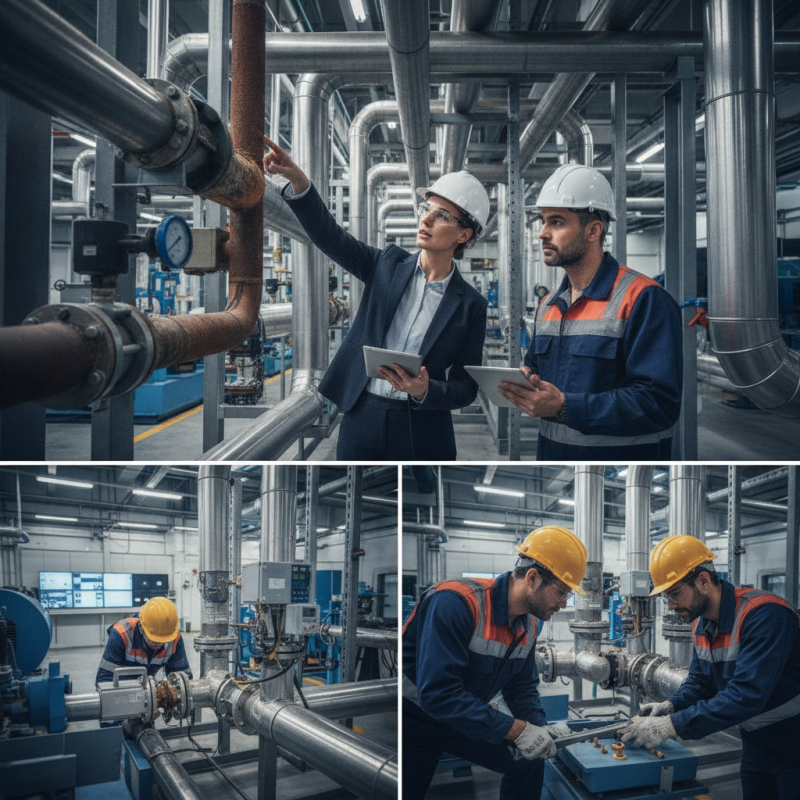
Industrial piping systems are crucial for transporting fluids and gases. However, they pose unique safety challenges. Corrosion, wear, and improper installation can lead to leaks and failures. These events not only cause material loss but also pose risks to personnel and the environment. Regular inspections and maintenance are vital. Yet, many facilities struggle with this due to budget constraints.
Training staff in safety procedures is essential. Workers need to understand common risks and how to mitigate them. But even with training, human error is a reality. Miscommunication during operations can lead to accidents. Moreover, outdated equipment can complicate safety efforts. Investing in technology for monitoring can enhance safety but often remains overlooked.
Effective risk management involves designing robust systems. Utilizing strong materials can help prevent many issues. Nonetheless, industry professionals must regularly reevaluate their safety practices. This ongoing reflection can reveal overlooked vulnerabilities. Creating a culture of safety, where feedback is welcomed, is essential for long-term success in industrial piping safety.
Ensuring safety in industrial piping systems is paramount. Compliance with key standards and regulations is vital. Organizations like the American Society of Mechanical Engineers (ASME) set guidelines for pressure piping. These guidelines promote safe design, construction, and maintenance practices.
According to a recent report by the Occupational Safety and Health Administration (OSHA), improper piping management contributes to a significant portion of workplace incidents. Statistics reveal that around 30% of industrial accidents involve piping system failures. To mitigate these risks, facilities must adopt and implement standards such as ASME B31.3 for process piping or API standards for oil and gas applications.
Tip: Regular inspections can help identify vulnerabilities within piping systems. Schedule routine checks to ensure compliance with relevant regulations.
It's also crucial to train employees on safety protocols surrounding piping systems. Many accidents occur due to a lack of understanding of safety practices. Continuous education can bridge this gap, though some companies still underinvest in training programs.
Tip: Encourage a culture of safety reporting. This fosters an environment where employees feel empowered to voice concerns regarding piping safety.
| Standard/Regulation | Description | Key Focus Areas | Applicable Industries |
|---|---|---|---|
| ASME B31.3 | Code for Process Piping, covering design, materials, fabrication, assembly, and inspection. | Design Integrity, Components, Fabrication Standards | Oil & Gas, Chemical Processing |
| API 570 | Standard for Inspection, Repair, and Alteration of Piping Systems in the Petroleum and Chemical Industries. | Inspection Protocols, Maintenance Strategies | Petroleum, Chemical Industries |
| NFPA 30 | Flammable and Combustible Liquids Code, addresses safe storage and handling of flammable liquids. | Fire Safety, Storage Standards | Manufacturing, Chemical Processing |
| OSHA 1910 | Occupational Safety and Health Administration regulations that set safety standards for piping systems. | Worker Safety, Hazard Prevention | General Industry, Construction |
| ISO 9001 | Standard for quality management systems, ensuring consistent quality in processes. | Quality Assurance, Process Improvement | All Industries |
Industrial piping systems are crucial for transporting liquids and gases. However, they are also prone to various hazards. According to a report by the American Society of Mechanical Engineers, about 30% of industrial accidents involve piping systems. This highlights the importance of understanding common risks.
One significant hazard is leaks. These can lead to chemical exposure and environmental harm. In fact, the Environmental Protection Agency notes that over 1,200 hazardous waste leaks occur each year from aging piping infrastructure. Additionally, pressure failures can result in catastrophic bursts. The National Fire Protection Association has reported that nearly 15% of fires in industrial settings are linked to piping failures.
Another critical area of concern is worker safety. Injuries from improper handling of high-pressure systems are common. The Occupational Safety and Health Administration states that improper maintenance contributes to a high percentage of these incidents. Many facilities lack adequate training programs. Workers might not fully understand how to manage the risks associated with these systems. Addressing these issues is not merely about compliance; it's essential for creating a safe workplace.
Inspection and maintenance of industrial piping systems are crucial for safety. Studies show that around 30% of pipe failures are due to inadequate maintenance. Regular inspections can catch issues before they escalate. The American Society of Mechanical Engineers (ASME) recommends visual inspections every six months. More detailed evaluations should occur annually.
Detecting corrosion or leaks early is vital. Techniques like ultrasonic testing provide insights into wall thickness and potential weak points. The National Association of Corrosion Engineers reports that corrosion costs the U.S. economy over $400 billion annually. This highlights the importance of proactive maintenance. Simple practices can extend pipe life and ensure operational efficiency.
Despite best efforts, flaws can persist. Many facilities rely on schedules that may not reflect actual conditions. This gap leads to unanticipated failures. Maintaining robust records of inspections can provide a clearer picture of pipe integrity. Data-driven approaches enhance decision-making for maintenance strategies. This allows companies to prioritize critical areas needing attention. Adapting to findings is key.
Industrial piping systems are critical to the functioning of various industries. Technology plays a vital role in enhancing their safety. With advancements in sensors and monitoring software, companies can now detect leaks, pressure changes, and other anomalies in real-time. This proactive approach minimizes risks associated with hazardous materials.
Regular maintenance powered by technology is essential. Predictive maintenance tools help to identify potential issues before they escalate. For instance, utilizing thermal imaging can reveal problematic areas in pipes that may not be visible to the naked eye. Proper training on these technologies is also crucial. Operators need to understand how to interpret data effectively.
Tips for enhancing piping safety include:
: Safety challenges include corrosion, wear, and improper installation. These issues can cause leaks and failures.
Regular inspections identify vulnerabilities, helping to prevent accidents and material loss. They are vital to safety management.
Human error can lead to miscommunication and accidents, even with proper training. It's a significant concern in operations.
Technology helps detect leaks and pressure changes in real-time. This proactive approach minimizes risks associated with hazardous materials.
Continuous education is essential. Regular training ensures workers understand safety protocols, but many companies neglect this.
Utilizing strong materials can help prevent many issues. Regular evaluations are necessary to identify any weaknesses.
A safety culture encourages open communication about risks. Employees should feel empowered to voice concerns regarding safety practices.
Predictive maintenance tools help identify potential issues before they escalate. Early detection can significantly reduce risks.
Compliance with standards ensures safe design and maintenance practices. Regulations help mitigate workplace incidents involving piping failures.
Documenting incidents, even minor ones, is crucial. Analyzing these events helps identify patterns and improve safety protocols.
Ensuring safety in industrial piping systems is crucial due to the inherent challenges and hazards these systems face. This article outlines the fundamentals of industrial piping systems, emphasizing the significance of understanding potential safety issues that arise in their operation. Key standards and regulations that govern industrial piping safety are highlighted, providing a framework for compliance and best practices.
Common hazards, such as leaks, corrosion, and pressure failures, are also discussed, revealing the need for thorough inspection and maintenance strategies. Implementing best practices in these areas can greatly enhance safety, while technology plays a pivotal role in monitoring and mitigating risks. Ultimately, the article serves as a guide on how to ensure safety in industrial piping systems through proactive measures and adherence to established norms.

ElvisCast Precision