Industrial valves are crucial components in piping systems. They help control the flow of liquids and gases. Understanding how do industrial valves work in piping systems is essential for engineers and technicians. Proper valve function ensures safety and efficiency in various applications.
These valves come in various types, including gate, globe, and ball valves. Each type operates differently, tailored to specific needs. For instance, a gate valve is ideal for fully open or fully closed applications. In contrast, globe valves allow precise flow control. Despite the reliability of these devices, they can fail if not maintained properly. Issues may arise from corrosion, wear, or improper installation. Regular checks and updates can mitigate these risks.
Industrial valves also help manage pressure and temperature. They are key in industries like oil and gas, water treatment, and manufacturing. A solid grasp of valve operations aids in troubleshooting and optimizing system performance. Ultimately, knowledge of how do industrial valves work in piping systems leads to better management and safety practices. Understanding the complexities of these components helps prevent costly errors.
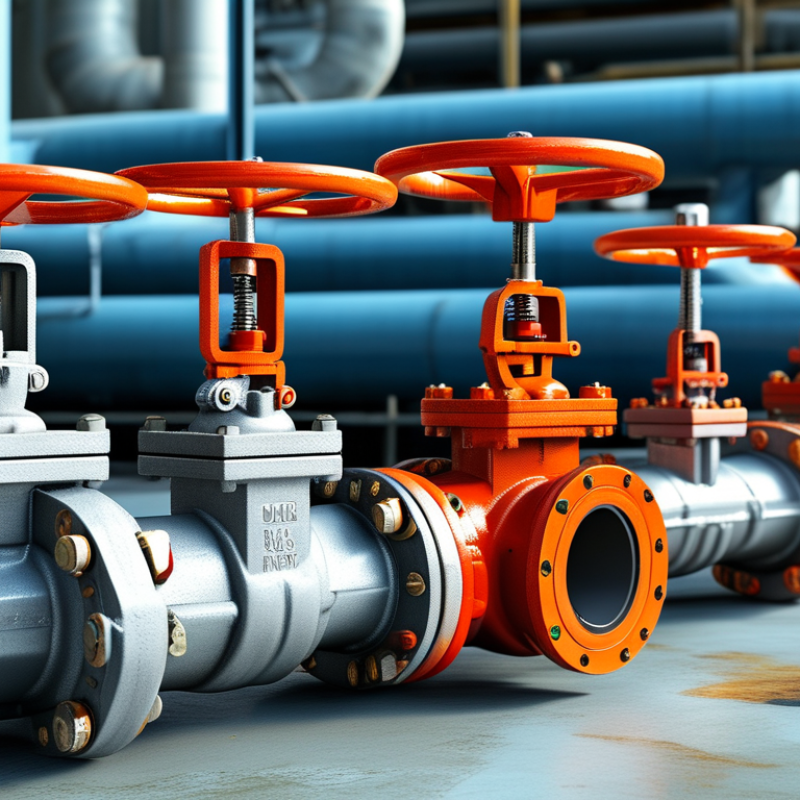
Understanding the Basics of Industrial Valves in Piping Systems
Industrial valves are crucial components in piping systems. They control fluid flow, ensuring efficiency and safety in various applications. Valves can regulate, direct, or stop fluid passing through. Understanding how they work is essential for any engineer or technician involved in these systems.
Different types of valves serve specific purposes. Gate valves are used for on/off control, while globe valves regulate flow. Ball valves are effective for tight seals. Each type has a unique design that affects its performance. Knowledge of these designs helps in selecting the right valve for a system. It’s important to analyze the requirements before making decisions.
Moreover, installation and maintenance are often overlooked aspects. Improper installation can lead to leaks or pressure loss. Regular maintenance is crucial to ensure their longevity. Many systems fail due to neglect in these areas. Engineers must reflect on their choices and processes for improvements.
The Different Types of Industrial Valves and Their Functions
Industrial valves play a crucial role in piping systems, managing fluid flow and pressure. Understanding the different types of valves is key to optimizing their functions. Gate valves allow for straightforward on/off control but can generate high pressure drops. Conversely, globe valves offer better throttling capabilities but may also restrict flow significantly.
Among the essential tips for selecting industrial valves is understanding the system's needs. Assess the type of fluid flowing through the system. Some valves are not compatible with corrosive substances. Think about the pressure and temperature ranges. Choose valves that can withstand the operational conditions without compromising safety.
Ball valves provide rapid shut-off and are ideal for quick operations. Their design minimizes pressure loss. Check for maintenance requirements regularly. Failure to maintain valves can result in leaks, leading to costly downtime. Always prioritize reliability in your choices. Keeping a detailed log of valve operations can enhance performance monitoring and help in proactive maintenance decisions.
10 Essential Tips on How Industrial Valves Work in Piping Systems - The Different Types of Industrial Valves and Their Functions
| Valve Type |
Function |
Applications |
| Gate Valve |
On/Off control of fluid flow |
Water supply, oil and gas pipelines |
| Ball Valve |
Quick shutoff and regulation |
Chemical distribution, HVAC systems |
| Globe Valve |
Flow regulation |
Power plants, fuel gas systems |
| Butterfly Valve |
Flow isolation and regulation |
Water supply, wastewater management |
| Check Valve |
Prevents backflow |
Pumping systems, drainage systems |
| Pressure Relief Valve |
Maintains safe pressure levels |
Boilers, pressure vessels |
| Solenoid Valve |
Automatic control of flow |
Irrigation systems, automation |
| Pinch Valve |
Handling slurries and powders |
Food processing, mining |
| diaphragm Valve |
Good for corrosive fluids |
Pharmaceuticals, water treatment |
How to Properly Install Industrial Valves in Your Piping System
Proper installation of industrial valves is crucial for the efficiency and safety of piping systems. A well-installed valve can prevent leaks and minimize downtime. According to a report by the Engineering Services Association, improper valve installation can lead to a 20% increase in energy consumption within a system. To start, ensure that the valve and piping materials are compatible. Incompatible materials can lead to corrosion and premature failure.
Next, consider the orientation of the valve. Valves must be installed in the correct position to operate efficiently. This includes checking whether they are placed vertically or horizontally, following manufacturer guidelines. Tighten the connections securely, yet avoid over-tightening to prevent damage. Interestingly, a study by the Valve Manufacturers Association highlighted that 15% of valve failures are due to incorrect installation techniques.
Lastly, regular maintenance is essential. Even with proper installation, wear and tear will occur. Schedule periodic inspections to ensure functionality. Remember, it is easier to address issues early than to deal with major repairs later. A proactive approach to valve management pays off in the long run. The investment in proper installation practices can save significant costs and downtime.
Maintaining and Troubleshooting Common Issues with Industrial Valves
When dealing with industrial valves, maintenance is key to ensuring smooth operation. Regular inspections can prevent many issues. For instance, check for leaks. They can indicate wear and tear. A simple visual check can save significant costs later.
Troubleshooting common valve problems can be tricky. If a valve is not opening or closing properly, it might be stuck. Operators should consider the alignment. Misalignment often causes significant issues. Examine the actuator as well; if it is malfunctioning, the entire system may suffer.
Learning to maintain these components is crucial. Forgetting routine maintenance can lead to downtime. It's essential to stay proactive. Train your team on best practices. Document any issues and resolutions. This builds a knowledge base. A continuous improvement mindset leads to better performance in the long run.
The Role of Valve Actuators in Modulating Flow Control
Valve actuators play a crucial role in modulating flow control within piping systems. These devices convert a control signal into mechanical motion, effectively opening or closing valves. They ensure that fluid flow meets the operational requirements of the system.
Various actuator types exist, including electric, pneumatic, and hydraulic options. Each type offers unique advantages and limitations.
Electric actuators are often versatile and provide precise control. However, their installation can be complex and may require significant electrical infrastructure.
Pneumatic actuators, on the other hand, are simpler to set up but depend on compressed air. This reliance can be a drawback in facilities lacking an air supply.
Hydraulic actuators excel in high-pressure applications, though they can be costly due to the necessary hydraulic systems.
Understanding the limitations of each actuator type is essential for optimal performance. Choosing the right actuator depends on the specific needs of the application, including fluid type, pressure, and temperature.
Achieving an efficient flow control strategy often requires trial and reflection. Engineers must balance efficiency, reliability, and cost to find the right solution for their piping systems.
FAQS
: Industrial valves control fluid flow. They can regulate, direct, or stop the fluid.
Gate valves are for on/off control. Globe valves regulate flow. Ball valves provide tight seals.
Improper installation can cause leaks. It may also result in pressure loss.
Regular inspections are crucial. They help prevent significant issues and reduce costs.
Look for leaks and signs of wear. A visual check can reveal crucial issues.
Misalignment can cause valves not to open or close properly. Actuator issues may also contribute.
Train teams on best maintenance practices. Document issues and resolutions for future reference.
Downtime increases due to unresolved issues. It may lead to systemic failures.
Analyze system requirements carefully. Understanding valve designs aids in making informed choices.
A continuous improvement mindset is key. Always strive for better performance and proactive solutions.
Conclusion
Industrial valves play a crucial role in piping systems, regulating the flow of fluids and gases effectively. To understand how do industrial valves work in piping systems, it's essential to first grasp the basics of their design and functionality. There are various types of industrial valves, each serving specific purposes such as controlling flow, pressure, and direction. Proper installation of these valves is key to ensuring efficiency and longevity, as improper fittings can lead to leaks and operational issues.
Maintenance and troubleshooting are vital to address common challenges associated with industrial valves, which can arise due to wear or environmental factors. Additionally, valve actuators significantly contribute to modulating flow control, allowing for precise adjustments in system operation. Overall, a comprehensive understanding of these components ensures optimal performance and reliability in piping systems.

 ElvisCast Precision