The demand for longevity in industrial components is critical. Industries worldwide face enormous costs due to equipment failure. Reports suggest that unplanned outages can lead to losses exceeding $2 million per incident. Understanding how to extend the lifespan of industrial components is essential for enhancing productivity and reducing operational costs.
Many components, such as bearings and gears, suffer from wear and tear. This deterioration can result in decreased efficiency and increased energy consumption. Research shows that proactive maintenance can increase component lifespan by up to 40%. However, companies often struggle with implementing effective strategies. The need for a knowledgeable approach to maintenance and component care is evident, as reliance solely on reactive measures can lead to unexpected downtimes and escalated expenses.
Balancing preventive measures with real-time diagnostics presents challenges. Factors such as environmental conditions and usage patterns significantly influence durability. It's essential to reflect on past maintenance practices and identify areas for improvement. Achieving a robust strategy involves ongoing assessment and adaptation to changing industrial landscapes, ensuring not just component longevity but also overall operational efficiency.
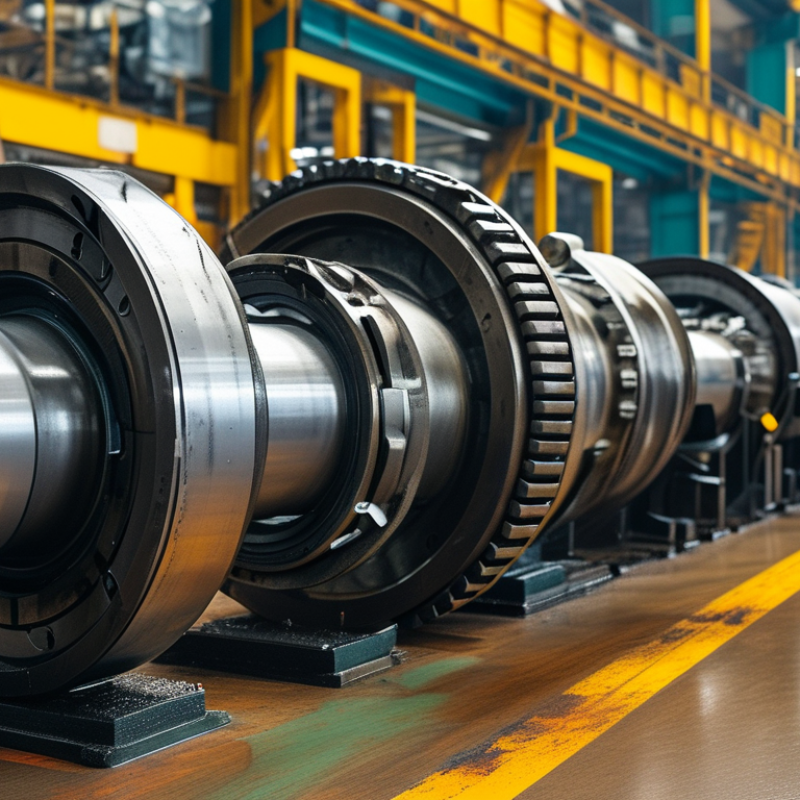
Understanding Industrial Components and Their Lifespan
Understanding the lifespan of industrial components is crucial for effective management. These components include motors, bearings, and pumps. Each part has a specific lifespan influenced by several factors. Operating conditions, environment, and usage frequency all play key roles. For instance, a motor running under high loads daily may wear out faster than one used intermittently.
Regular maintenance extends their life. Scheduled inspections can catch potential failures early. Lubrication practices help reduce friction. However, professionals often overlook minor wear signs. This neglect can lead to sudden breakdowns, resulting in downtime and financial loss. Documenting performance data also enhances understanding. Analyzing this data helps identify patterns and potential issues.
Different industries have unique challenges. A manufacturing plant may use components differently than a water treatment facility. Adapting maintenance strategies is important. Tailoring them to specific needs improves reliability. In a competitive landscape, even small efficiencies matter. Balancing cost with longevity poses challenges. The goal is to enhance performance while managing expenses effectively.
Key Factors Influencing the Longevity of Industrial Equipment
Extending the lifespan of industrial components hinges on several key factors.
Regular maintenance is one significant contributor.
Studies show that proactive maintenance can improve equipment lifespan by up to 30%.
This is particularly important in high-stress environments, such as manufacturing plants.
Inspecting machinery, lubricating parts, and replacing worn components promptly can help prevent costly breakdowns.
Another critical factor is operating conditions. Elevated temperatures and excessive vibrations can drastically reduce the longevity of industrial equipment.
For instance, research indicates that every 10°C increase in operating temperature can halve the lifespan of electronic components.
Therefore, monitoring these conditions is essential. Using advanced analytics, companies can predict when equipment might fail and schedule maintenance accordingly.
Employee training also plays a vital role.
Well-trained personnel are more likely to recognize warning signs and follow proper operating protocols.
Yet, many organizations overlook the importance of ongoing training. A lack of awareness can result in improper use and, ultimately, equipment failure.
Investing in workforce education is not just beneficial; it's necessary for ensuring longevity in industrial settings.
Effective Maintenance Practices for Extending Component Life
Effective maintenance practices are crucial for extending the lifespan of industrial components. Regular inspections can prevent costly breakdowns. According to a study from the U.S. Department of Energy, proactive maintenance can increase operational lifespan by 30%. This is significant, especially in industries where every minute of downtime incurs high costs.
Tips for effective maintenance include keeping detailed records of maintenance activities. Documentation helps identify patterns and predict component failures. Furthermore, training staff on proper handling and usage can minimize wear and tear. A report from The Asset Management Council suggests that organizations investing in training see reduced failure rates by 25%. This statistic highlights the importance of human factors in maintaining industrial components.
Another practical tip is to establish a regular lubrication schedule. Proper lubrication can decrease friction and heat, major contributors to wear. Neglecting lubrication may lead to component damages that require expensive replacements. However, it is essential to avoid over-lubrication. This practice might lead to issues that require reflection and adjustment in maintenance strategies. Ensure to balance these practices for optimal performance.
Maintenance Practices Impact on Industrial Component Lifespan
Innovative Materials and Technologies for Enhanced Durability
Innovative materials and technologies play a crucial role in extending the lifespan of industrial components. Advanced alloys and composites are designed to withstand harsh conditions. These materials often have higher resistance to wear and corrosion. For example, coatings like ceramic or polymer can provide an extra layer of protection. They are particularly effective in high-temperature environments.
Emerging technologies also contribute to durability. 3D printing, for instance, allows for precise component design. This capability can lead to lighter, stronger parts. Additionally, smart sensors can monitor conditions in real-time. They help predict potential failures, offering a proactive approach to maintenance. However, these innovations require skilled technicians to implement and maintain them.
Not every solution fits every situation. Some materials might not perform as expected in specific environments. Regular testing is necessary to verify effectiveness. As industries evolve, investing in R&D becomes crucial. This effort can seem daunting but proves essential for long-lasting performance. Adopting innovative approaches demands careful analysis and an open mind to explore new possibilities.
Best Practices for Monitoring and Analyzing Component Performance
Monitoring and analyzing component performance is crucial in extending the lifespan of industrial components. Regular inspections are essential. Use tools to track temperature, vibration, and wear levels. Data can reveal patterns that signal potential failures. For example, a sudden increase in vibration might indicate an imbalance that requires immediate attention.
Implementing scheduled maintenance checks is also beneficial. These checks can catch minor issues before they escalate. Analyze past maintenance records to identify trends in component failures. Are certain components failing more often? This analysis helps in making informed decisions about replacements and upgrades. Engaging in predictive maintenance, guided by performance data, ensures resources are allocated effectively.
In addition, training staff on monitoring techniques proves vital. They should understand the significance of accurate data collection. Personal experiences can differ widely; some may overlook key signs. Encourage continuous learning and feedback loops. Reflect on what methods work best for your operations. Not all approaches will yield desired results. Emphasizing adaptability can enhance overall success in performance management.
FAQS
: Regular maintenance can improve equipment lifespan by up to 30%, especially in high-stress environments.
High temperatures and excessive vibrations can drastically reduce longevity. Every 10°C increase can halve electronic component lifespans.
Well-trained personnel can recognize warning signs and proper protocols. Many organizations underestimate continuous training’s role.
Advanced alloys and composites resist wear and corrosion. Coatings like ceramic offer protection in high-temperature environments.
3D printing allows for precise design, leading to lighter, stronger components. However, skilled technicians are needed for implementation.
Regular inspections and tracking tools for temperature and vibration can reveal patterns signaling potential failures.
Predictive maintenance, guided by performance data, ensures resources are allocated effectively, identifying issues before they escalate.
Accurate data collection is crucial. Experiences may vary, and training helps staff notice key signs that might be overlooked.
No, not every solution fits every situation. Regular testing is necessary to verify effectiveness in specific environments.
Emphasizing adaptability and continuous learning can improve methods. Not all techniques yield the desired results; reflection is key.
Conclusion
In today's industrial landscape, understanding how to extend the lifespan of industrial components is crucial for maximizing efficiency and reducing costs. By exploring key factors that influence the longevity of industrial equipment, such as operating conditions and material quality, organizations can implement effective maintenance practices tailored to their unique requirements.
Additionally, the adoption of innovative materials and technologies plays a significant role in enhancing durability. Employing best practices for monitoring and analyzing component performance enables businesses to proactively address potential issues, ultimately leading to improved reliability and extended service life of their equipment. Through a comprehensive approach that integrates these strategies, companies can significantly prolong the lifespan of their industrial components, ensuring sustained operational effectiveness.

 ElvisCast Precision