The durability of metal components is crucial in various industries. Understanding what factors affect the durability of metal components can lead to better designs and materials. Many elements play a role in determining how well metals withstand wear, corrosion, and fatigue over time.
Environmental conditions significantly impact metal durability. For instance, exposure to moisture can promote rusting. The choice of alloy also matters. Some metals resist corrosion better than others, yet they might lack strength. Therefore, finding a balance between resistance and strength is vital.
Moreover, manufacturing processes influence durability. Poor techniques can introduce flaws that weaken metals. These weaknesses often go unnoticed until failure occurs. It's essential to analyze each stage of production critically to ensure the highest quality. In summary, multiple factors intertwine to determine how durable a metal component will be in the long run. Understanding these nuances is key to enhancing metal longevity.
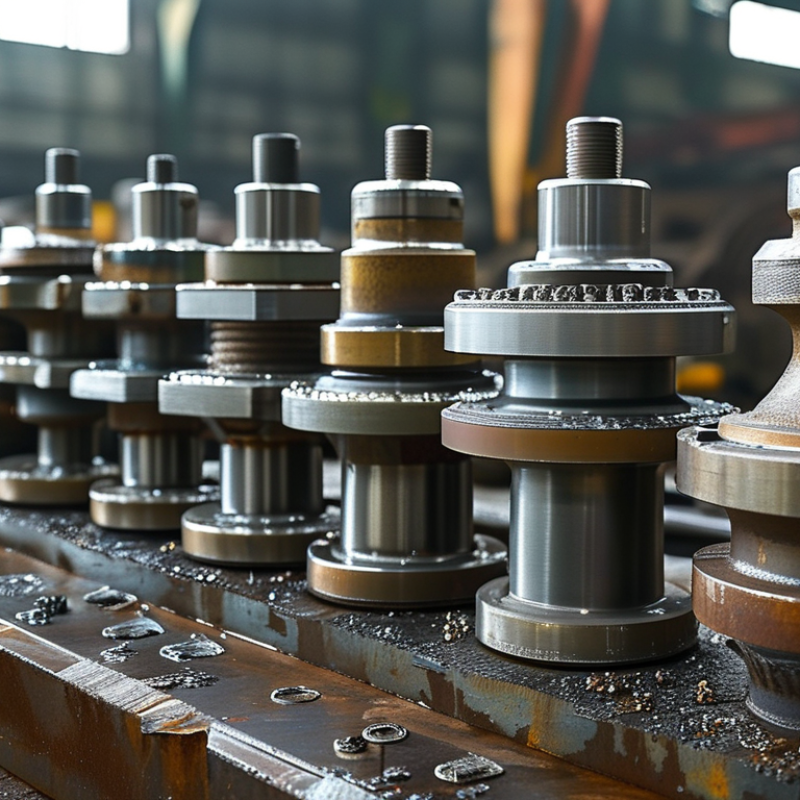
Key Raw Materials Affecting Durability of Metal Components in China
In China, the durability of metal components is significantly impacted by the choice of raw materials. High-quality alloys, for example, are essential for providing strength and corrosion resistance. According to a recent report from the China Metal Industry Association, over 70% of metal failures are linked to inadequate material selection. Choosing the right base metals—like high-grade steel or aluminum—can enhance longevity and performance.
Another critical factor is the processing quality of these raw materials. Improper manufacturing techniques can introduce weaknesses. Studies indicate that components manufactured with superior metallurgy can last up to 50% longer under stress. Furthermore, the presence of alloys such as titanium and nickel can substantially improve the wear resistance of metal parts. However, sourcing these materials can be challenging, and not all suppliers adhere to strict quality controls.
Sustainability also plays a role in the materials affecting durability. The increasing focus on eco-friendly production means that companies must balance performance with environmental responsibility. Some recycled materials may not meet the rigorous standards required for high-performance applications. This raises questions about the trade-offs between cost and durability. It's essential for manufacturers to critically assess the entire supply chain when selecting raw materials to ensure optimal performance of metal components.
China Best Factors Influencing Metal Components Durability
| Raw Material |
Yield Strength (MPa) |
Corrosion Resistance |
Cost (USD per kg) |
Application |
| Stainless Steel |
520 |
Excellent |
3.00 |
Aerospace, Marine |
| Aluminum Alloy |
300 |
Moderate |
2.50 |
Automotive, Structural |
| Titanium |
900 |
Exceptional |
20.00 |
Medical, Aerospace |
| Carbon Steel |
370 |
Fair |
1.50 |
Construction, Tools |
| Copper Alloy |
210 |
Good |
7.00 |
Electrical, Plumbing |
Impact of Manufacturing Processes on Metal Component Longevity
Manufacturing processes significantly impact the longevity of metal components. Different methods, like casting, forging, and machining, each produce varied results in durability. For instance, casting can introduce air pockets, which may weaken the final product. In contrast, forging often enhances grain structure, providing strength. These nuances shape overall performance.
Quality control during manufacturing is crucial. Regular inspections help detect defects early. Sometimes, manufacturers overlook small imperfections believing they won’t affect performance. This assumption can lead to failures down the line. Each step of the process requires diligence. Selecting the right materials also plays a key role. Some metals resist corrosion better than others, extending lifespan.
Surface treatments further enhance durability. Techniques such as anodizing or coating can protect components from wear and tear. However, not every treatment suits every application. This choice demands careful consideration based on the component's use environment. The interplay of manufacturing techniques and material selection ultimately defines how long components last, underscoring the complexity of durability in metal manufacturing.
Environmental Factors Influencing Durability of Metals
Environmental factors play a crucial role in shaping the durability of metal components. Among these, humidity emerges as a significant challenge. High humidity can accelerate the oxidation process, leading to rust formation. Studies indicate that metals exposed to 80% humidity can experience up to three times faster corrosion rates compared to drier conditions. This rapid deterioration can reduce the lifespan of critical components in various industries, including automotive and aerospace.
Another key factor is temperature fluctuations. Metals expand and contract with changes in temperature. This can cause stress at weld points, potentially leading to failure. Research by the National Institute of Standards and Technology illustrates that metals may experience a 0.1% dimensional change for every 100°C variation. This subtle shift can have massive implications on fit and functioning in engineered systems.
Pollutants in the environment also degrade metal integrity. Chemicals like sulfur dioxide and nitrogen oxides cause acid rain, which can corrode metals. The World Health Organization (WHO) reports that areas with higher industrial emissions show a 30% increase in metal-related failures compared to more pristine environments. Addressing these environmental factors requires ongoing research and adaptation strategies to enhance metal durability.
Environmental Factors Influencing Durability of Metals
Advancements in Coatings and Treatments for Enhanced Metal Durability
Advancements in coatings and treatments have greatly enhanced the durability of metal components. In particular, improved coatings significantly reduce corrosion and wear. According to a recent industry report, using advanced polymer coatings can extend the lifespan of metal components by up to 50%. These advancements help in reducing maintenance costs and increasing reliability.
Surface treatments also play a crucial role. Processes such as shot peening and nitriding have gained traction. They improve fatigue strength and resistance to wear. For instance, components treated with nitriding show a significant decrease in surface hardness loss, which is critical in demanding environments. However, not all coatings are equally effective. Some may not adhere well, leading to premature failure.
Moreover, the industry faces challenges in standardizing tests for durability. Variability in test conditions can yield inconsistent results. This inconsistency complicates material selection for manufacturers. Continued research is vital to understanding these coatings better. It helps ensure that metal components can perform reliably for longer periods.
Case Studies: Successful Durability Improvements in Chinese Metal Industry
China has made significant strides in enhancing the durability of metal components across various industries. Recent case studies indicate a growing focus on employing advanced materials and innovative engineering practices. For instance, a report by the China Metallurgical Industry Association shows that steel corrosion resistance has improved by 30% over the past decade. This improvement is not solely based on new materials but also on optimizing production processes.
Research highlights the successful application of surface treatments in several projects. These treatments have led to a remarkable increase in the lifespan of components used in infrastructure and machinery. One notable example is found in the construction sector, where metal supports showed a 40% increased durability when treated with specialized coatings. However, challenges remain in balancing cost and performance, as not all manufacturers can afford the latest technologies.
Furthermore, quality control remains a critical area for reflection. Although advancements are impressive, inconsistencies in the application can lead to performance gaps. Reports suggest that 15% of components still exhibit premature failure due to inadequate process adherence. The industry must address these discrepancies to ensure consistent quality and reliability in metal products. The journey towards achieving optimal durability continues to be a challenging yet essential undertaking for China's metal industry.
FAQS
: High-quality alloys are essential for strength and corrosion resistance. Base metals like high-grade steel or aluminum are vital.
Improper manufacturing can weaken components. Superior metallurgy can extend lifespan by up to 50% under stress.
Eco-friendly production needs a balance of performance and responsibility. Some recycled materials might fail high-performance standards.
High humidity accelerates oxidation, causing rust. Metals at 80% humidity corrode three times faster than in dry conditions.
Metals expand and contract with temperature changes, causing stress at weld points. A 100°C shift can lead to a 0.1% dimensional change.
Chemicals like sulfur dioxide can cause acid rain. Areas with high emissions show a 30% increase in metal failures.
Yes, not all suppliers follow strict quality controls, making it hard to find reliable materials that enhance durability.
Manufacturers must critically evaluate their entire supply chain, considering both costs and durability factors in their materials choices.
Yes, recycling may save costs but impact durability. Critical assessment is needed to choose suitable materials for performance.
Ongoing research and adaptation strategies are needed to enhance durability against environmental factors like humidity and pollutants.
Conclusion
The article "China Best Factors Influencing Metal Components Durability?" explores various elements that significantly impact the longevity and performance of metal components in China. Key raw materials play a crucial role in determining durability, as their intrinsic properties can greatly influence the overall resilience of metal products. Additionally, the manufacturing processes employed in production directly affect the structural integrity and lifespan of these components.
Environmental factors, such as exposure to humidity and corrosive agents, are also critical in assessing what factors affect the durability of metal components. Furthermore, advancements in coatings and treatments have emerged as promising methods to enhance durability, providing improved resistance to wear and environmental damage. The article highlights several case studies that illustrate successful durability improvements within the Chinese metal industry, showcasing innovative approaches and their positive outcomes.

 ElvisCast Precision