How Do Industrial Valves Work in Piping Systems Explained?

Time:2026-04-09 Author:Oliver
0%

Industrial valves play a crucial role in piping systems. They regulate the flow of liquids and gases, ensuring efficiency and safety. Understanding how do industrial valves work in piping systems is essential for engineers and operators alike. Their function directly impacts system performance.

These valves come in various types, such as gate, globe, and ball valves. Each type serves a unique purpose and operates differently. For instance, gate valves fully open or close the flow, while globe valves allow for throttling. Knowing the characteristics of each valve type enhances operational effectiveness.

Additionally, improper valve selection can lead to significant issues. For example, a poorly chosen valve may result in leaks or inadequate pressure regulation. This not only hampers productivity but also poses safety risks. Therefore, it's vital to dive deeper into the details of valve mechanics for better pipeline integrity and performance.
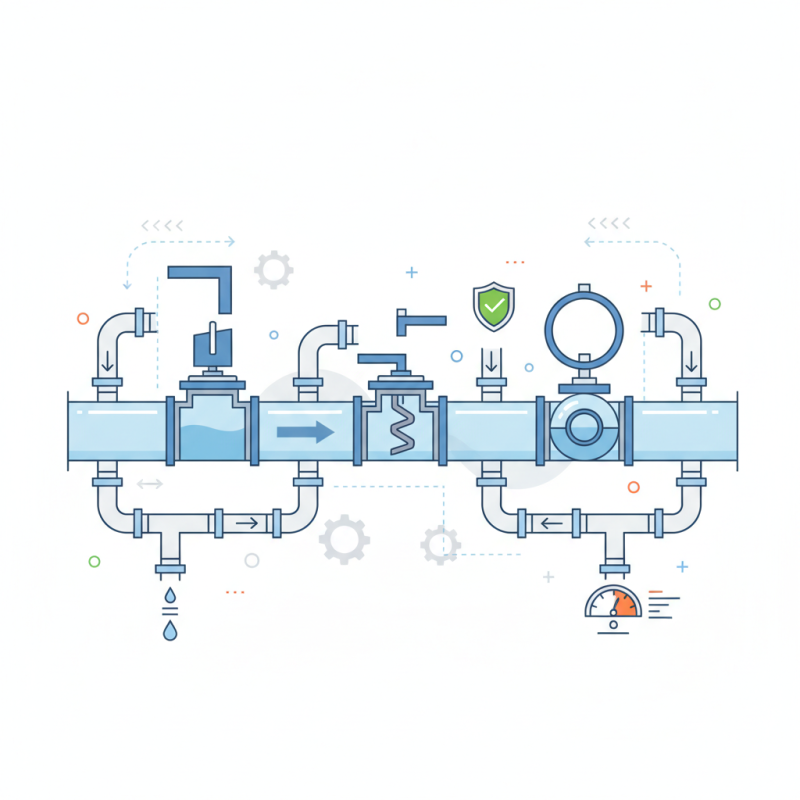
How Do Industrial Valves Work in Piping Systems Explained?

Understanding the Role of Industrial Valves in Piping Systems

Industrial valves play a crucial role in piping systems. They control fluid flow, ensuring efficient operations in various industries. These devices regulate, direct, and start or stop fluid movement, contributing to system safety and efficiency. They are essential in processes involving water, gas, oil, and chemicals.

Understanding the type of valve needed is important. Different valves serve different purposes. For instance, gate valves are ideal for isolation, while globe valves excel in flow regulation. Selecting the right valve can prevent leaks and reduce maintenance costs over time.

**Tips:** Always consider the fluid characteristics. High-temperature or corrosive fluids require specialized valves. Regular maintenance checks help avoid potential failures. Keeping valves clean and free from debris can extend their lifespan and enhance performance. Remember, not all valves are universal; improper choices can lead to inefficiencies.

How Do Industrial Valves Work in Piping Systems Explained?
Valve Type Function Common Applications Advantages Disadvantages
Gate Valve On/Off control Water supply, Oil & gas Low flow resistance Slow operation
Ball Valve Quick shut-off Gas distribution, Waterworks Durable, Easy to operate Not suitable for throttling
Globe Valve Flow regulation Cooling systems, Water treatment Good flow control High pressure drop
Check Valve Prevent backflow Pumping systems, Drainage Automatic operation Limited flow control
Butterfly Valve Regulating flow HVAC systems, Water supply Compact design Can cause turbulence

Types of Industrial Valves Used in Piping Applications

Industrial valves play a crucial role in piping systems, controlling the flow of fluids. There are several types of valves used in various applications. Gate valves, often used for on/off control, provide minimal flow resistance when fully open. A report from MarketsandMarkets indicates that the gate valve market is projected to grow substantially, reaching USD 12.45 billion by 2025.

Another common type is the globe valve. This valve is designed for throttling service, allowing for precise flow regulation. The global globe valve market is expected to exhibit a CAGR of 5.2% through 2024. In contrast, ball valves offer quick shut-off and low flow resistance, making them ideal for processes requiring high-speed operations.

Check valves are essential for preventing backflow in piping systems. These valves automatically close to block the reverse flow of fluids. According to a recent industry analysis, the check valve segment has gained traction, driven by increasing investments in infrastructure. Each valve type has specific applications suited to different requirements, highlighting the need for careful selection based on system demands. The complexity of choosing the right valve reflects the ongoing challenges professionals face in achieving efficiency and reliability in piping systems.

Mechanisms of Action: How Valves Control Fluid Flow

Valves are essential components in piping systems, controlling fluid flow efficiently. They operate using various mechanisms such as gate, globe, and ball designs. The American National Standards Institute (ANSI) reveals that proper selection and installation of valves can enhance system performance by 20% or more. However, many industries overlook maintenance, leading to significant flow disruptions.

In fluid flow control, valves regulate pressure and flow rate. For instance, a globe valve adjusts flow by changing the size of the passageway. This flexibility allows for precise control, which is crucial in chemical processing where exact measurements matter. According to the International Journal of Industrial Technology, poorly functioning valves can waste up to 30% of energy, underscoring the importance of regular inspections and timely replacements in industrial settings.

Valve performance is not always reliable. Issues like corrosion or sediment build-up can impair functionality. Data from the European Valves Market Report indicates that nearly 25% of valves fail before their expected lifetime. This highlights the need for better predictive maintenance strategies in various industries. Constant monitoring and proactive approaches can prevent costly downtime and inefficiencies in fluid management.

Installation and Maintenance Best Practices for Industrial Valves

Proper installation and maintenance of industrial valves are crucial for ensuring optimal performance in piping systems. When installing a valve, selecting the right type is essential. Valves must match the system's pressure and temperature requirements. This task often requires careful consideration and expertise. Incorrect installation can lead to leaks or failures, causing costly downtime.

Regular maintenance is equally important. Inspecting valves for rust or debris should be a routine practice. Corrosion can undermine a valve's integrity over time. It’s wise to have a preventive maintenance schedule in place, ensuring that every component is checked periodically. Some facilities neglect this step, leading to unexpected failures. Simple actions, like cleaning and lubricating moving parts, can significantly extend a valve's lifespan.

Training personnel is vital. Operators need to be aware of valve operation and troubleshooting techniques. They should be educated on recognizing warning signs, like unusual noises. This knowledge can prevent minor issues from escalating into significant problems. Engaging in continuous learning and improvement not only enhances valve performance but also boosts overall system reliability.

Safety Considerations and Benefits of Proper Valve Usage in Industries

Industrial valves play a crucial role in piping systems. They regulate the flow of fluids, ensuring operations run smoothly. However, improper usage can lead to severe consequences. Malfunctions or leaks may result in environmental hazards or operational downtime. Therefore, attention to detail in valve selection and maintenance is essential.

Safety considerations in valve operation are paramount. Regular inspections can prevent failure before it occurs. Training personnel on correct valve handling can mitigate human error. In addition, employing automatic shut-off valves enhances safety protocols. It’s vital to remember that even minor oversights can lead to major industrial accidents. The cost of neglecting these safety practices can be devastating.

Additionally, proper valve usage offers numerous benefits. It enhances efficiency, reduces energy consumption, and prolongs equipment life. Monitoring valve performance can reveal trends that inform proactive maintenance. Notably, installing the right valve type in the right location can greatly optimize a system’s efficacy. However, misjudgments in these areas can undermine operational goals. Continuous learning and adaptation are necessary for improvement.

Industrial Valves Performance in Piping Systems

FAQS

: What are the main functions of valves in piping systems?

: Valves control fluid flow, regulate pressure, and adjust flow rates in piping systems.

How can valve selection impact system performance?

Proper valve selection can enhance system performance by 20% or more when installed correctly.

What issues can arise from poorly maintained valves?

Poor maintenance can lead to significant flow disruptions and up to 30% energy waste.

What factors can affect valve performance?

Corrosion and sediment build-up are common issues that impair valve functionality.

Why is regular valve inspection important?

Regular inspections can prevent failures and reduce costly downtime in industrial environments.

How can human error impact valve operation?

Human error may lead to malfunctions or leaks, resulting in safety hazards and operational issues.

What safety measures should be taken for valve operation?

Regular inspections, personnel training, and using automatic shut-off valves enhance safety protocols.

How does improper valve usage affect energy consumption?

Improper usage can reduce efficiency and increase energy consumption in fluid systems.

What is a common consequence of ignoring valve maintenance?

Neglecting maintenance can lead to major industrial accidents and significant financial costs.

How can continuous learning improve valve management?

Continuous learning helps to adapt to issues, optimize valve usage, and achieve operational goals.

Conclusion

Industrial valves play a crucial role in piping systems by controlling the flow of fluids, ensuring efficiency and safety in various industrial processes. Understanding how do industrial valves work in piping systems involves recognizing the different types of valves used, such as gate, globe, ball, and check valves. Each type operates on distinct mechanisms that allow for precise modulation of fluid flow, whether it involves starting, stopping, or regulating the movement of liquids and gases.

Proper installation and maintenance of industrial valves are essential to ensure their functionality and longevity. Best practices include regular inspections and timely repairs to prevent leaks and failures. Additionally, safety considerations are paramount; using valves correctly not only safeguards equipment but also enhances operational safety in the workplace. By grasping these fundamentals, industries can optimize their piping systems, leading to greater operational efficiency and reduced risks.

Oliver

Oliver

Oliver is a seasoned marketing professional with a wealth of expertise in driving brand awareness and engagement. With a deep understanding of our company's product offerings, he consistently delivers high-quality content that enriches our professional blog. His insights not only shed light on......