Sealing in piping systems is crucial for ensuring efficiency and safety. According to industry expert Dr. Emily Carter, "Effective sealing prevents leaks that can lead to catastrophic failures." Understanding "what is the role of sealing in piping systems" is essential for any engineer or technician involved in this field.
Proper seals help maintain pressure and control temperature within the system. When seals fail, even a small leak can escalate into a major issue, wasting resources and causing environmental hazards. Dr. Carter emphasizes that "the longevity of a piping system often hinges on the quality of its seals."
Yet, not all sealing solutions are perfect. Choosing the right material and design can be complex. This complexity can lead to oversights and unexpected challenges in implementation. Regular maintenance and inspection are vital. The right approach to sealing can significantly enhance the reliability of piping systems, but it requires continuous learning and adaptation from the professionals involved.
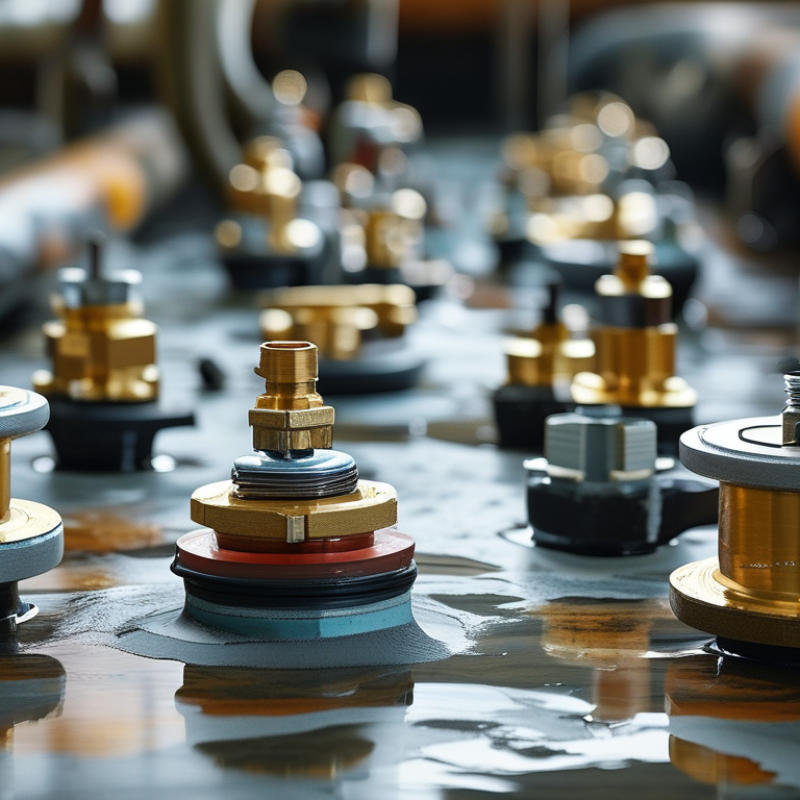
Definition and Purpose of Sealing in Piping Systems
Sealing in piping systems plays a critical role in ensuring safety and efficiency. Seals prevent leaks, which can lead to hazardous situations. They help maintain pressure and protect materials from corrosion. Proper sealing is essential for various applications, from water supply to industrial processes.
The purpose of sealing is to create a tight barrier between pipe joints and fittings. This barrier ensures that fluids do not escape from the system. Different types of seals, like O-rings and gaskets, offer unique benefits. Each type serves specific functions and operates under various conditions. Selecting the right seal is crucial for optimal performance.
Tip: Always inspect seals periodically for signs of wear. Damaged seals can lead to leaks and bigger problems. Consider using higher-quality sealing materials when installing new pipes.
Tip: Understand the operating environment when choosing seals. Temperature, pressure, and chemical exposure affect seal longevity. It’s not one-size-fits-all. Evaluating these factors can help prevent failure.
Acknowledging the importance of sealing is essential. Even minor leaks can escalate into significant issues. Regular maintenance and careful selection of sealing solutions can mitigate risks effectively.
Common Types of Sealing Materials Used in Piping
Sealing plays a crucial role in piping systems, ensuring leak prevention and optimal performance. Various sealing materials are used, each with unique properties. Common types include rubber, PTFE, and silicone. These materials are vital in maintaining system integrity.
Rubber is widely used due to its flexibility and durability. It can handle high pressures and extreme temperatures. According to a report by the American Society of Mechanical Engineers, rubber seals account for over 30% of sealing materials in industrial applications. However, they can degrade over time, leading to potential leaks.
PTFE, or polytetrafluoroethylene, is known for its chemical resistance. It's ideal for applications involving aggressive substances. An industry survey indicated that approximately 25% of companies prefer PTFE seals in corrosive environments. Conversely, its installation can be tricky, and improper application might cause premature failure.
Silicone is valued for its high-temperature capabilities. It's often used in HVAC and food processing industries. A recent study showed that silicone seals can withstand temperatures up to high levels. Silicone’s resilience is impressive, but it can be costly. This variability raises questions about cost versus performance in selections. Understanding these materials' strengths and weaknesses is critical for effective sealing solutions.
Importance of Sealing in Preventing Leaks and Contamination
Sealing plays a crucial role in piping systems. It prevents leaks that can lead to significant hazards. Effective seals create a barrier that maintains the integrity of the system. This is especially important in industries handling chemicals or gases. Even a tiny leak can result in contamination or safety risks.
The risks of not sealing properly are substantial. Leaks may cause environmental harm. Contaminated liquids can seep into the ground or waterways. This not only affects nature but can also pose health risks to nearby communities. Proper sealing materials must be chosen based on their durability and compatibility with the substances they contain.
Regular inspections are essential to ensure seals remain effective. Over time, seals can degrade due to pressure, temperature, and chemical exposure. Identifying wear early can prevent costly failures. It's important to invest in high-quality sealing solutions. Doing so can enhance system reliability and protect against the unforeseen consequences of leaks.
Impact of Proper Sealing on System Efficiency and Longevity
Proper sealing in piping systems plays a vital role in enhancing overall system efficiency. A well-sealed joint prevents leaks, which can lead to energy loss and resource wastage. For example, a small leak can cause a significant drop in pressure, resulting in inefficient operation. This inefficiency can lead to increased operational costs, which businesses often overlook until it's too late.
Additionally, effective sealing contributes to the longevity of piping systems. Over time, leaks can cause corrosion and wear, reducing the lifespan of the entire system. Seals made from high-quality materials can resist harsh chemicals and extreme temperatures, but they are not invincible. Regular inspection and maintenance are necessary to ensure sealing integrity. Unfortunately, many systems lack adequate monitoring, leading to unforeseen failures.
Investment in proper sealing techniques should be prioritized. The benefits are clear: better efficiency and longer-lasting systems. Yet, many businesses neglect this critical area. Ignoring sealing issues might save costs in the short term, but it often results in greater expenses down the line. The importance of sealing cannot be underestimated.
Maintenance Practices for Ensuring Effective Sealing in Piping Systems
Effective sealing in piping systems is crucial for maintaining operational integrity. Regular inspections should be a standard practice. Look for signs of wear or degradation around joints and connections. If you see any leaks, it’s important to address them immediately. This helps prevent larger issues down the line.
Another key practice is to ensure that the sealing materials are up to par. Using the right type of gasket or sealant is essential for achieving the best performance. This can sometimes require a bit of trial and error. Not every seal will work perfectly in every environment, and that’s okay. Regular assessments allow for adjustments.
Lastly, operator training can’t be overlooked. Everyone involved should understand the significance of proper sealing techniques. Misunderstandings can lead to mistakes, which may be costly. Encourage open discussions about sealing issues. This creates a culture of safety and awareness. Investing in training pays off in reduced leaks and operational downtime.
FAQS
: Sealing prevents leaks and maintains pressure, ensuring safety and efficiency in piping systems.
Common materials include rubber, PTFE, and silicone, each with unique properties and applications.
The right seal affects performance and longevity. Not all seals are suitable for every environment.
Regular inspections for signs of wear are essential. Address leaks immediately to prevent larger issues.
Temperature, pressure, and chemical exposure significantly impact how long seals last. Evaluate these before selection.
Yes, materials like rubber can degrade, leading to potential leaks if not monitored and replaced as needed.
Regular assessments help ensure sealing materials are appropriate. Some trial and error may be necessary for optimal performance.
Training ensures proper techniques are used, reducing misunderstandings that can lead to costly mistakes.
Leaks should be addressed immediately to prevent bigger problems. Quick action is crucial for system integrity.
High-performance seals may cost more, raising questions about balancing cost and effectiveness in sealing solutions.
Conclusion
Sealing plays a crucial role in piping systems, primarily functioning to prevent leaks and contamination while ensuring the safe transport of fluids. What is the role of sealing in piping systems? It involves creating a barrier that maintains the integrity of the system, minimizing the risk of environmental harm and product loss. Different sealing materials are utilized depending on the application, each offering specific benefits in terms of durability and resistance to varying pressures and temperatures.
Moreover, effective sealing significantly impacts system efficiency and longevity. A well-sealed piping system operates more smoothly, reducing the need for frequent repairs and maintenance. To ensure ongoing effectiveness, regular maintenance practices should be implemented. This includes routine inspections and timely replacements of sealing components, which not only extend the life of the piping system but also enhance performance efficiency. Overall, sealing is essential to the reliability and effectiveness of piping systems across various industries.

 ElvisCast Precision