Why Improving Pipeline Efficiency Matters for Industrial Systems?

Time:2026-08-30 Author:Madeline
0%

Improving pipeline efficiency is crucial for industrial systems. As industries face constant pressure to reduce costs and enhance productivity, optimizing pipeline operations becomes essential. Experts in the field have emphasized the significance of this topic. For instance, Dr. Emily Chen, a leading industrial efficiency consultant, states, “Enhancing pipeline efficiency can drastically reduce operational costs and improve system reliability.”

Many industries, such as oil and gas, manufacturing, and chemical processing, rely heavily on their pipeline systems. Inefficiencies in these systems lead to increased downtime and losses. Therefore, understanding how to improve pipeline efficiency in industrial systems is vital for business sustainability. It is about finding balance and making continuous adjustments to different processes.

In practice, this means addressing both technology and workforce training. The right tools and knowledge can create substantial improvements. However, finding the best way to implement these changes often involves trial and error. There is room for reflection on past mistakes. The journey to enhanced efficiency can reveal challenges that require novel solutions and dedicated efforts.
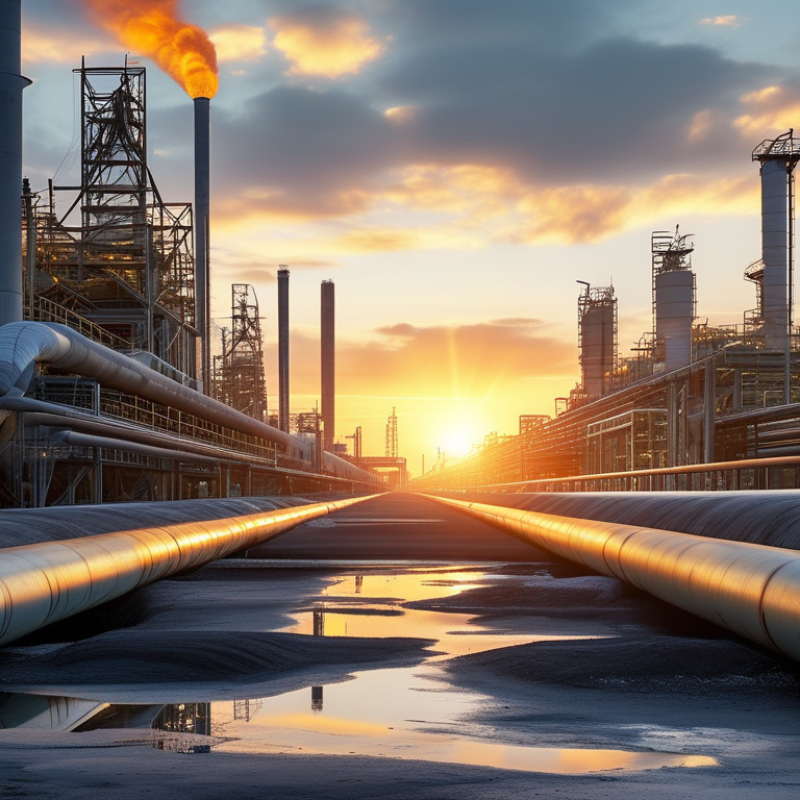
Why Improving Pipeline Efficiency Matters for Industrial Systems?

The Importance of Pipeline Efficiency in Industrial Operations

Pipeline efficiency is crucial for industrial operations. It affects production speed and cost. When pipelines are optimized, resources flow smoothly. This leads to higher output and less waste. Every minor delay can ripple through the entire operation. Inefficiencies, like bottlenecks, can halt production. They cause frustration and increase operational costs. Companies must identify these issues early.

Improving pipeline efficiency also enhances safety. Faulty systems can lead to accidents. A streamlined pipeline minimizes risks and ensures compliance. Employees feel more secure when operations run smoothly. Additionally, maintaining equipment in optimal condition prevents costly breakdowns. Regular inspections and updates can boost overall performance.

Yet, companies sometimes overlook these factors. They may focus on immediate profits rather than long-term efficiency. Resistance to change is common. Stakeholder buy-in can be a challenge. Addressing these issues requires commitment and a clear strategy. Embracing a culture of continuous improvement is vital.

Why Improving Pipeline Efficiency Matters for Industrial Systems? - The Importance of Pipeline Efficiency in Industrial Operations

Operational Aspect Current Efficiency (%) Target Efficiency (%) Projected Savings ($)
Energy Consumption 75 85 50,000
Maintenance Costs 60 78 30,000
Downtime 20 10 40,000
Throughput 100 120 70,000
Product Quality 90 95 20,000

Key Metrics for Measuring Pipeline Efficiency in the Industry

In industrial systems, pipeline efficiency is crucial for optimal operations. Key metrics play a vital role in assessing this efficiency. These metrics include flow rate, pressure drop, and operational uptime. A consistent flow rate indicates effective transportation of materials. Monitoring pressure drop helps identify blockages and leaks. Such issues can lead to costly downtime.

Operational uptime reflects the reliability of the pipeline. High uptime is a sign of efficiency and effective maintenance practices. However, achieving this requires ongoing evaluation and adjustments. Companies must dedicate resources to track these metrics continuously. In many cases, they neglect minor inefficiencies until they escalate.

Collecting accurate data is essential. Yet, companies often face challenges in data analysis. Without proper interpretation, metrics can be misleading. Striking a balance between real-time monitoring and comprehensive analysis is key. Maintaining efficiency is an ongoing process that demands attention and proactive measures.

Impact of Pipeline Efficiency on Operational Costs and Productivity

Pipeline efficiency plays a crucial role in reducing operational costs within industrial systems. According to a report from McKinsey, organizations can save up to 30% in costs by optimizing their pipeline operations. This highlights the importance of assessing pipeline performance regularly. Minor tweaks can yield significant savings. For instance, improving flow rates or reducing leakages can lead to a noticeable decrease in expenses.

Furthermore, enhanced pipeline efficiency directly impacts productivity. A study by the International Energy Agency revealed that a mere 10% increase in efficiency can translate to a 5-15% boost in overall productivity. This aspect is often overlooked. Many companies focus solely on machinery upgrades while neglecting pipeline performance. Yet, neglected pipelines can create bottlenecks, slowing down production.

Investing in pipeline monitoring technology can provide real-time data. This data helps identify inefficiencies quickly. A reliable system can flag problems before they escalate. However, many industries are still dependent on outdated monitoring methods. This complacency can lead to unexpected downtime. In an era where every minute counts, ignoring pipeline efficiency could cost more than expected.

Technological Advances Enhancing Pipeline Efficiency

Advancements in technology are reshaping pipeline efficiency across industrial systems. Automated monitoring systems now track pipeline performance in real-time. These systems use sensors to detect anomalies early, allowing for prompt maintenance. Regular updates to software can ensure that these systems remain robust and reliable over time.

Moreover, eco-friendly materials are being introduced in pipeline construction, enhancing durability and resistance. Enhanced materials often lead to lower maintenance costs and reduced downtime. However, the integration of new technologies can pose challenges. Training personnel to operate and maintain these systems requires time and resources. This transition could widen the gap between tech-savvy companies and those less equipped.

Moreover, optimizing pipeline efficiency is not only about technology. Processes must be reviewed regularly to identify inefficiencies. Engaging with a knowledgeable workforce helps in understanding the nuances of pipeline operation. A continuous feedback loop can lead to innovations and improvements. Although technology plays a crucial role, it is ultimately the people behind the systems that drive efficiency forward.

Case Studies: Successful Improvements in Pipeline Efficiency

Improving pipeline efficiency is crucial for industrial systems. Various industries face challenges that can hinder productivity. For instance, a manufacturing plant reduced downtime by implementing advanced monitoring systems. This allowed them to identify leaks quickly. Their proactive approach decreased production losses significantly.

A case study in the oil sector highlights another success story. A company revamped its transportation method, integrating automated controls. This enhancement minimized human error and improved flow rates. Over time, they reported a 30% increase in overall pipeline capacity. However, such achievements require constant evaluation and adaptation. Companies must remain vigilant about potential issues.

In chemical production, another example showcases how detailed data analysis can drive improvements. By using real-time data, a facility optimized its mixing processes. They identified bottlenecks that previously went unnoticed. The process was streamlined, leading to faster production cycles. Despite these advancements, there are always lessons to learn. Stakeholders should regularly assess their systems for further enhancements.

Improvement in Pipeline Efficiency

This chart illustrates the change in pipeline efficiency before and after implementing improvements. The data shows an increase from 65% to 85% efficiency, highlighting the importance of optimizing industrial systems.

FAQS

: What metrics are vital for measuring pipeline efficiency?

: Key metrics include flow rate, pressure drop, and operational uptime. These help assess pipeline performance.

How can pipeline efficiency reduce operational costs?

Optimizing pipeline operations can save organizations up to 30% in costs. Minor adjustments yield significant savings.

What is the relationship between pipeline efficiency and productivity?

A 10% increase in pipeline efficiency can boost productivity by 5-15%. It's an often-overlooked factor.

Why is continuous monitoring important for pipeline systems?

Continuous monitoring helps identify inefficiencies early, preventing costly downtime and production losses.

What challenges do companies face in data analysis for pipeline efficiency?

Companies often struggle with accurate data analysis. Misinterpretation can lead to misguided decisions regarding performance.

How did a manufacturing plant improve its pipeline efficiency?

They implemented advanced monitoring systems, which enabled quick leak detection and reduced downtime significantly.

Can outdated monitoring methods affect pipeline efficiency?

Yes, reliance on outdated methods can lead to unexpected downtime, costing companies more over time.

What lesson can be learned from successful case studies in pipeline efficiency?

Constant evaluation and adaptation are crucial. Companies must remain vigilant and recognize areas for improvement.

What role does real-time data play in pipeline operations?

Real-time data helps identify inefficiencies swiftly, allowing for proactive measures to enhance overall efficiency.

What could companies overlook that affects pipeline performance?

Many focus solely on machinery upgrades. Neglecting pipeline performance can lead to bottlenecks and reduced productivity.

Conclusion

Improving pipeline efficiency is crucial for enhancing operational performance in industrial systems. The importance of pipeline efficiency stems from its direct impact on reducing operational costs and increasing productivity. Key metrics, such as flow rates, pressure drops, and downtime, are essential for measuring efficiency levels and identifying areas for improvement. Additionally, recent technological advances, including automation and predictive maintenance, are paving the way for more efficient pipeline operations.

To understand how to improve pipeline efficiency in industrial systems, organizations can analyze successful case studies that illustrate effective strategies and best practices. By leveraging data-driven insights and embracing innovative technologies, industries can streamline processes, minimize wastage, and ultimately achieve substantial savings and enhanced performance.

Madeline

Madeline

Madeline is a dedicated marketing professional with a wealth of expertise in our company's core offerings. With a keen understanding of the industry, she brings a unique perspective to her role, consistently delivering high-quality content that highlights the superior aspects of our products. As......