How to Maintain Industrial Valves for Long Lasting Performance?

Time:2026-08-20 Author:Ethan
0%

Industrial valves are critical components in various manufacturing processes. Proper maintenance ensures their long-lasting performance. As industry expert Dr. Emily Carter once said, "Regular maintenance is key to preventing failures." This statement highlights the importance of knowing how to maintain industrial valves for long service life.

Effective maintenance strategies include regular inspections and thorough cleaning. Valves should be checked for leaks and corrosion. Lubricating the moving parts aids in smooth operations. Each task can be simple but impactful. Neglecting these tasks can lead to significant downtime and costly repairs.

In practice, many facilities ignore these steps. Some believe that simply using quality valves will suffice. However, this mindset often leads to issues down the line. Establishing a routine maintenance schedule is crucial. Keeping records of all maintenance activities also promotes accountability and efficiency. When it comes to maintaining industrial valves, consistent attention can make a substantial difference.
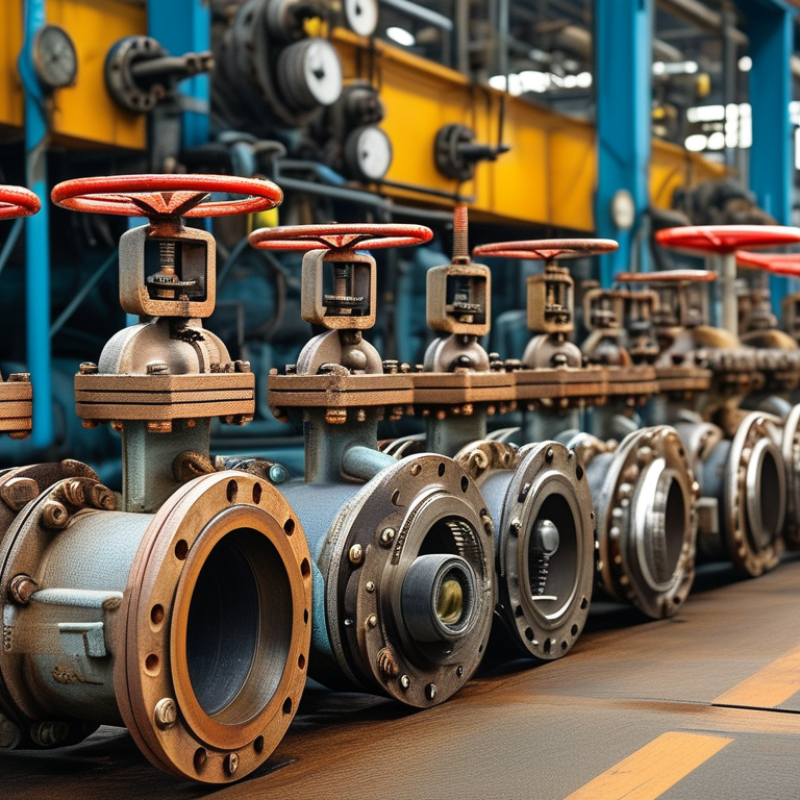
How to Maintain Industrial Valves for Long Lasting Performance?

Understanding the Importance of Industrial Valve Maintenance

Industrial valve maintenance is essential for optimizing performance and lifespan. A report by the Valve Manufacturers Association states that up to 80% of valve failures occur due to inadequate maintenance. Regular inspections can help identify issues before they escalate. For instance, routine checks of seals and actuators can prevent costly leaks. Understanding the critical role of each valve in a system aids in prioritizing maintenance schedules.

Moreover, implementing a comprehensive maintenance plan can reduce operational downtime significantly. Studies show that organizations investing in regular maintenance can expect a 20% increase in efficiency. Monitoring valve performance metrics like pressure, flow rate, and temperature ensures timely interventions. Data suggests that a proactive approach can extend the service life of valves by up to 50%. Lack of proper documentation often leads to missed maintenance, highlighting the need for thorough record-keeping.

Utility companies that overlook maintenance protocols face not only financial consequences but also safety risks. Unattended valves might lead to unexpected system failures, putting employees and equipment in danger. This emphasizes the importance of fostering a maintenance culture in industrial settings. Recognizing and addressing maintenance challenges can contribute to a safer, more efficient workplace.

How to Maintain Industrial Valves for Long Lasting Performance? - Understanding the Importance of Industrial Valve Maintenance

Maintenance Task Frequency Description Tools Required
Visual Inspection Monthly Check for signs of wear, corrosion, and leaks. Flashlight, Inspection Mirror
Cleaning Quarterly Remove dirt, debris, and buildup. Cleaning Solvents, Brush
Lubrication Bi-Annual Apply lubricant to moving parts. Lubricant, Applicator
Seal Replacement Annually Replace any worn or damaged seals. Replacement Seals, Tools for Disassembly
Functional Testing Semi-Annually Test the valve operation under normal conditions. Test Bench

Regular Inspection Techniques for Industrial Valves

Regular inspection of industrial valves is crucial for ensuring they operate effectively over time. Observing valves closely can prevent unexpected failures. Operators should routinely check for leaks, corrosion, and unusual vibrations. These signs can indicate underlying issues that need immediate attention. It's advisable to maintain a detailed inspection log. Documenting findings can help identify patterns and recurring problems.

One effective technique involves manual checks during scheduled maintenance. Simply feeling the valve body for heat can reveal operational irregularities. Visual inspections are equally important. Looking for rust or unusual wear can signal that a valve is nearing the end of its life cycle. In addition, auditory inspections can be revealing. Listening for any unusual noises during operation may point to problems requiring further investigation.

Consideration of environmental factors is vital. Valves exposed to extreme conditions may require more frequent inspections. This could include factors like temperature, pressure, and humidity. Adapting inspection frequency based on these conditions could enhance longevity. Routine checks are necessary, but they can also lead to complacency. Regular re-evaluation of inspection protocols can help maintain high standards. Industry best practices evolve, and keeping abreast of these is essential for optimal valve performance.

Cleaning Procedures for Optimal Valve Functionality

Cleaning procedures are vital for ensuring industrial valves maintain optimal functionality. Regular cleaning not only eliminates contaminants but also prevents unwanted corrosion. Dirt and grime can obstruct valve movement, leading to inefficiency over time. Key areas to focus on include the valve body and seal interfaces.

When cleaning, use suitable solvents that do not harm the valve materials. Apply the solvent with a soft cloth or brush to avoid scratches. Rinse thoroughly with clean water. Ensure the valve is completely dry before reassembly. Neglecting these steps can cause further issues, including leaks or malfunctions.

Tips to enhance your cleaning routine include scheduling regular inspections. This can help identify problems before they escalate. Additionally, use a checklist to ensure thorough cleaning. It’s easy to overlook details during routine maintenance. Even small debris can affect valve operations. Recognizing imperfections in your cleaning habits is crucial for long-lasting performance.

Common Issues and Solutions in Valve Maintenance

Maintaining industrial valves is crucial for their longevity and efficiency. Common issues often arise from wear and tear, improper installation, or inadequate maintenance routines. One frequent problem is valve leakage, which can result from damaged seals or seats. Regular inspections can help identify these issues early.

Tip: Check the seals regularly for any visible signs of wear. Replace them if you see any damage.

Another concern is the build-up of deposits. This can hinder the valve's operation. It’s important to clean and flush the valves periodically to prevent such build-up. Neglecting this can lead to larger mechanical failures down the line.

Tip: Use a suitable cleaning agent to remove deposits without causing harm to the valve materials.

Additionally, improper alignment can cause performance issues. Misaligned valves can lead to increased wear and malfunction. Establishing a routine for checking the alignment can save time and costs in the long run.

Tip: Use alignment tools to ensure proper positioning during installation.

Reflection on these aspects can lead to better maintenance practices. Addressing minor issues promptly can prevent major problems and extend the valve's life. Regular maintenance checks are essential for optimal performance.

Best Practices for Long-Term Valve Performance and Longevity

Maintaining industrial valves effectively is crucial for their long-term performance and longevity. Regular inspections can prevent failures. A study from the Valve Manufacturers Association reveals that improper maintenance can lead to a 25% drop in efficiency. This statistic highlights the importance of adherence to established maintenance routines.

One key aspect to focus on is lubrication. Proper lubrication reduces friction and wear on valve components. If lubrication is neglected, valves can suffer from premature failures. As a tip, check lubrication levels regularly and use the recommended types for each valve. Regularly inspect seals and gaskets, as deterioration can lead to leaks and costly downtime.

Another critical area is temperature monitoring. Valves can experience thermal expansion. Monitoring temperature helps in adjusting operations accordingly. If temperatures exceed optimal levels, components can weaken. The American Society of Mechanical Engineers (ASME) suggests that maintaining temperatures within the specified range can enhance a valve's lifespan significantly. In practice, incorporate temperature sensors to ensure informed adjustments can be made promptly. Through proactive maintenance, companies can safeguard against unforeseen failures and improve overall performance.

FAQS

: Why is regular cleaning important for industrial valves?

: Regular cleaning prevents contaminants and corrosion. It ensures valves operate efficiently over time.

What areas should be cleaned on a valve?

Focus on the valve body and seal interfaces. These areas are crucial for functionality.

How should I clean a valve?

Use suitable solvents on a soft cloth or brush. Avoid scratches and rinse thoroughly with clean water.

What happens if cleaning steps are neglected?

Neglect can cause leaks and malfunctions. It leads to bigger issues over time.

How can I identify valve problems early?

Schedule regular inspections to catch issues like leaks or wear before they escalate.

What can cause valve leakage?

Damaged seals or seats are common causes of leaks. Regular checks can help address these issues.

How do deposits affect valve performance?

Deposits can hinder valve operation. Clean and flush valves periodically to prevent build-up.

Why is proper alignment important?

Misaligned valves increase wear and cause malfunctions. Regular alignment checks can save costs.

What tools can help with valve alignment?

Use alignment tools during installation. They ensure proper positioning for better performance.

What can I do to improve my cleaning routine?

Use a checklist for thoroughness. Small details matter in preventing future performance issues.

Conclusion

Maintaining industrial valves is crucial for ensuring their long service life and optimal performance. Understanding the importance of regular maintenance is the first step; it helps prevent unexpected failures and prolongs the lifespan of the valves. Regular inspection techniques, such as visual checks and functional tests, allow operators to identify potential issues early. Additionally, implementing proper cleaning procedures is essential for keeping valves in peak condition and avoiding blockages or corrosion.

Common problems in valve maintenance include leaks, wear, and operational failures. Addressing these issues with timely repairs and adjustments can significantly enhance reliability. Adopting best practices for maintenance, such as following a scheduled maintenance plan and utilizing appropriate lubrication, can further ensure the longevity of valves. By knowing how to maintain industrial valves for long service life, industries can achieve greater efficiency and reduce costs associated with valve replacements and repairs.

Ethan

Ethan

Ethan is a seasoned marketing professional with a deep expertise in our company's innovative product line. With a passion for sharing knowledge and insights, he takes the lead in regularly updating our corporate blog, where he explores industry trends, product features, and effective marketing......