How to Optimize Fluid Flow in Pipeline Systems Effectively?

Time:2026-06-22 Author:Aria
0%

In the complex field of fluid dynamics, optimizing flow in pipeline systems is paramount. Dr. Emily Parker, a leading expert in fluid mechanics, emphasizes, "Efficient fluid flow can significantly lower operational costs." This highlights the importance of understanding how to optimize fluid flow in pipeline systems for both efficiency and economy.

Achieving this optimization requires a blend of technical knowledge and practical application. Various factors, such as pipe diameter, flow rate, and pump selection, play crucial roles. Each decision impacts overall performance. While many focus on technology, human factors often get overlooked. Training staff on system management is just as vital.

Moreover, continuous monitoring and analysis are essential. Small changes can lead to significant improvements. However, many operators hesitate to embrace new methods. This reluctance can stifle innovation and hinder flow optimization. The challenge lies not just in the technology, but in adapting to change. Achieving excellence in fluid flow is an ongoing journey, demanding both experience and a willingness to evolve.
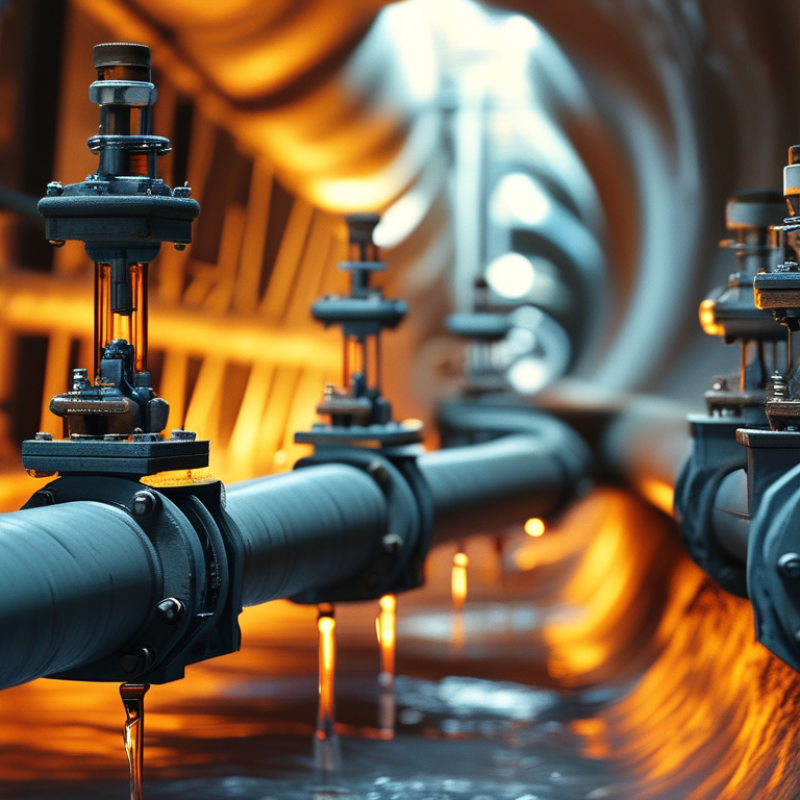
How to Optimize Fluid Flow in Pipeline Systems Effectively?

Understanding the Fundamentals of Fluid Dynamics in Pipeline Systems

Understanding fluid dynamics is essential for optimizing pipeline systems. Fluid dynamics involves the study of fluids in motion. Factors like pressure, velocity, and viscosity shape how fluids flow through pipelines. Each of these elements affects the efficiency of the system.

In practice, many engineers overlook minor details that can lead to inefficiencies. For instance, bends and joints in a pipeline can cause turbulent flow. This turbulence increases energy losses. Regular assessments help identify these issues. Accurate measurement tools can provide valuable data about flow rates and pressures.

Moreover, operator training plays a crucial role. Many might not fully grasp the principles of fluid behavior. This gap can result in suboptimal system performance. Understanding concepts like laminar and turbulent flow is vital. Each situation may call for different approaches to ensure seamless flow. As we delve deeper, continuous learning and adaptation are needed for successful management.

Key Factors Influencing Fluid Flow Efficiency in Pipelines

Optimizing fluid flow in pipeline systems involves several key factors. One significant element is the pipe diameter. A larger diameter can reduce resistance, enhancing flow efficiency. According to a study by the American Society of Mechanical Engineers, increasing diameter by 20% can lead to a 50% reduction in flow resistance, demonstrating the impact of this parameter.

The material of the pipeline also plays a crucial role. Smooth materials decrease friction and allow fluids to pass more freely. Research indicates that materials like HDPE can improve flow rates by up to 30% compared to metal pipes. Regular maintenance is essential to prevent corrosion and blockages, which can hinder flow efficiency.

**Tips:** Regularly inspect your pipelines for any signs of wear. Consider using sensors to monitor flow rates in real-time. Adjust your pipeline design periodically to align with the best practices in the industry. Even advanced systems can fail to achieve ideal performance due to outdated designs. Rethink your approach continually to ensure optimal flow.

Techniques for Reducing Friction Loss in Pipeline Systems

Reducing friction loss in pipeline systems is crucial. Friction can significantly affect fluid flow efficiency. It leads to energy loss and increases operational costs. Implementing various techniques can enhance flow performance.

Choosing the right pipe materials plays a key role. Smooth surfaces minimize friction. Additionally, using larger diameter pipes can reduce velocity and turbulence. This change results in less friction.

Regular maintenance is also essential. Deposits and corrosion can create rough surfaces that hinder flow. Periodic inspections and cleaning can prevent these issues.

Insulating pipes can help maintain fluid temperature. This is especially important for viscous fluids. Lower temperatures can increase viscosity, resulting in higher friction. Moreover, optimizing flow rates is needed. Systems must be designed with the right flow velocity to prevent excessive turbulence. These strategies help create a more efficient pipeline system. However, each technique demands careful consideration and planning.

Utilizing Computational Fluid Dynamics for Pipeline Optimization

Pipeline systems are critical in various industries, such as oil and gas, water supply, and chemical transportation. Optimizing fluid flow within these systems can lead to significant cost savings. Computational Fluid Dynamics (CFD) plays a pivotal role in this optimization. By simulating fluid behavior, CFD helps identify bottlenecks and inefficiencies.

According to a report by the American Society of Mechanical Engineers, improper flow dynamics can result in a 10 to 30% energy loss in pipeline systems. This loss not only raises operational costs but can also impact system longevity. CFD allows engineers to visualize flow patterns, assess pressure drops, and predict potential failures. This information is crucial for designing pipelines that minimize turbulence and improve efficiency.

However, using CFD is not without its challenges. Accurate simulations require detailed data collection and validation. Incomplete data can lead to misleading results. Moreover, the expertise needed to interpret these simulations is often lacking. Continuous learning and adaptation are necessary to improve accuracy and reliability in CFD applications. A deeper understanding of the fluid dynamics involved is essential for effective pipeline optimization.

Implementing Regular Maintenance and Monitoring for Optimal Performance

Regular maintenance and monitoring of pipeline systems play a critical role in optimizing fluid flow. A report from the American Society of Mechanical Engineers (ASME) indicates that nearly 30% of fluid flow issues arise from inadequate maintenance practices. Routine inspections can identify potential bottlenecks early, preventing costly downtime.

A proactive approach should include using advanced monitoring technologies like flow meters and pressure sensors. These tools can help detect irregularities in real time. According to a study from the International Journal of Engineering Research, companies implementing regular checks saw a 25% reduction in leakage and a 15% increase in overall efficiency. It suggests that these practices significantly impact operational performance.

However, many organizations underestimate the value of this consistent vigilance. Data from the U.S. Department of Transportation reveals that nearly 40% of pipeline failures occur due to a lack of proper maintenance. This alarming statistic emphasizes the need for a cultural shift in how fluid systems are managed. Investing in training and resources is essential, yet many companies fall short. Regular maintenance is not just a checkbox; it’s a critical factor in sustaining optimal pipeline performance.

Optimization of Fluid Flow in Pipeline Systems

This chart illustrates the fluid flow rates in a pipeline system over a six-month period, emphasizing the importance of regular maintenance and monitoring to optimize performance.

FAQS

: What is fluid dynamics?

: Fluid dynamics is the study of fluids in motion. It focuses on how fluids flow through pipelines.

Why are pressure and viscosity important?

Pressure and viscosity significantly affect fluid behavior. They influence efficiency and flow rates in pipeline systems.

How can bends in a pipeline affect flow?

Bends can cause turbulent flow. Turbulence leads to energy losses and reduced system efficiency.

What role does operator training play in fluid dynamics?

Proper training helps operators understand fluid behavior. Gaps in knowledge can hinder system performance.

How does Computational Fluid Dynamics (CFD) help optimize pipelines?

CFD simulates fluid behavior. It identifies bottlenecks, predicts failures, and improves overall pipeline design.

What are some challenges of using CFD?

Accurate simulations need detailed data. Incomplete data can be misleading, and expertise is often lacking.

Why is regular maintenance vital for pipelines?

Routine maintenance helps prevent bottlenecks and costly downtime. It ensures optimal performance in fluid flow.

What impact does inadequate maintenance have?

Poor maintenance contributes to nearly 30% of fluid flow issues. Many pipeline failures result from this oversight.

How can monitoring technologies improve pipeline performance?

Advanced tools detect irregularities in real time. They help companies reduce leaks and improve efficiency.

What should organizations do to enhance fluid management?

Organizations need to invest in training and consistent maintenance. This shift is crucial for optimal pipeline performance.

Conclusion

Effectively optimizing fluid flow in pipeline systems is critical for enhancing operational efficiency and reducing energy costs. It begins with a solid understanding of the fundamentals of fluid dynamics, which lays the groundwork for recognizing key factors that influence fluid flow efficiency, such as pipe diameter, material, and flow velocity.

To improve performance, techniques for reducing friction loss, such as employing smoother pipe surfaces and optimizing bends, should be prioritized. Furthermore, utilizing computational fluid dynamics (CFD) allows engineers to simulate and analyze fluid behavior within the system, leading to more informed design choices. Regular maintenance and monitoring are also essential for sustaining optimal performance, ensuring that any issues are promptly identified and addressed. Overall, these strategies collectively answer the question of how to optimize fluid flow in pipeline systems, paving the way for more efficient and cost-effective operations.

Aria

Aria

Aria is a dedicated marketing professional with a deep passion for innovative strategies and a keen understanding of our company's product offerings. With a wealth of experience in the industry, Aria excels at crafting engaging content that highlights the unique features and benefits of our......