Pipeline systems rarely lose efficiency for just one reason. Excessive pressure drop may come from undersized pipe, rough internal surfaces, partially closed valves, poorly arranged fittings, or a pump operating far from its efficient range. The symptoms can look similar. A noisy pump, uneven delivery, or rising energy use is a clue, not a diagnosis.
Understanding how to optimize fluid flow in pipeline systems starts with measured conditions. Flow rate, pressure at key points, fluid temperature, and operating schedules help reveal where losses occur. Even small details matter: a sharp elbow, an aging filter, or a long run of narrow pipe can add resistance. Measure before changing equipment. Otherwise, a costly adjustment may solve the wrong problem.
This guide examines practical ways to improve flow while protecting reliability. It covers pipe sizing, routing, valve and fitting choices, pump selection, and routine monitoring. It also explains why fluid properties and changing demand must be considered together. There is no universal fix. A change that helps one system may create excess pressure, vibration, or maintenance issues in another. Real installations are messy, and initial assumptions sometimes need revisiting. Engineers should verify calculations against site measurements and applicable design requirements, especially before modifying operating conditions. The goal is not simply faster flow. It is stable delivery, reasonable energy use, and equipment that can keep doing its job.
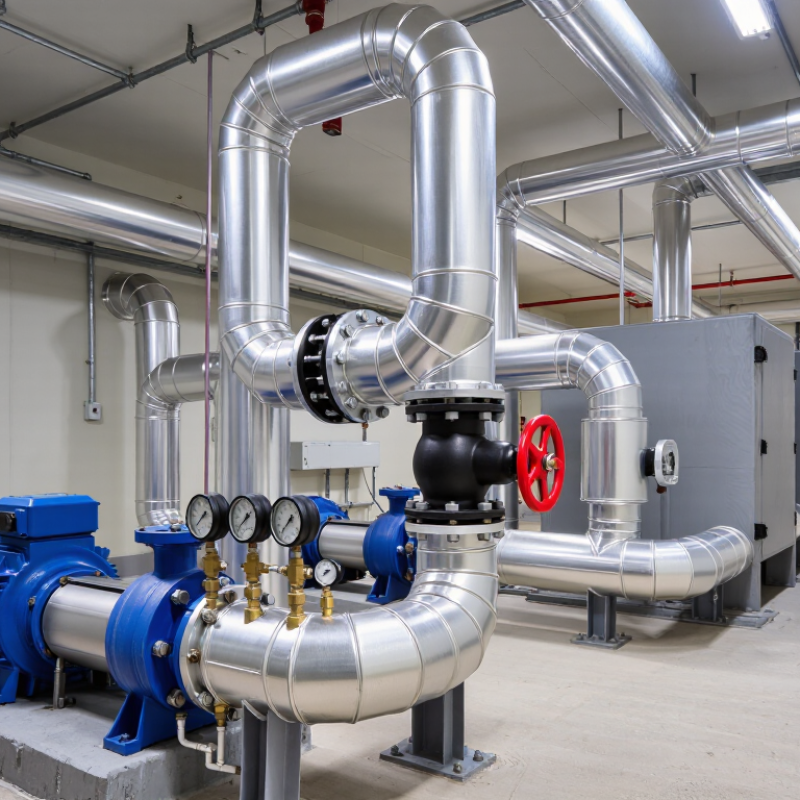
Assessing Pipeline Conditions and Flow Requirements
Assessing pipeline conditions begins with the duty, not the pump. Record the required flow range, inlet and outlet pressures, fluid temperature, and operating hours. Check whether demand stays steady or changes sharply during shifts. A system designed around one “normal” reading may struggle during startup or peak use. Small clues matter. Note valve positions, unusual vibration, and pressure differences across filters; each can point to restrictions or changing equipment condition.
The U.S. Department of Energy’s Improving Pumping System Performance: A Sourcebook for Industry reports that pumping systems use nearly 20% of global electricity demand. That figure is broad, not a prediction for any single pipeline. Still, it shows why measured flow and pressure deserve attention before equipment is resized. Compare field readings with the pump curve and the system’s actual operating profile. Verify instruments and repeat measurements under different loads. A single snapshot can mislead.
Fluid properties also shape the assessment. Viscosity, density, and temperature affect friction losses, while deposits, corrosion, and rough pipe interiors can increase resistance over time. Inspect accessible sections and review maintenance records alongside pressure trends. Reality is messier. Records may be incomplete, and a clean calculation cannot capture every operating disturbance. Treat assumptions about roughness and demand as estimates, then test whether they fit observed conditions. Keep the data, units, and measurement locations clear for the next engineering review.
How to Optimize Fluid Flow in Pipeline Systems?
Assessing Pipeline Conditions and Flow Requirements
This illustrative operating scenario compares target and measured flow rates across five pipeline sections. Shortfalls may warrant checks of pressure drop, valve position, pump performance, or internal deposits; flow readings alone cannot identify the cause. Confirm with site measurements before making adjustments.
Identifying Sources of Pressure Loss and Flow Restriction
Pressure losses often hide in ordinary places: a half-closed isolation valve, a clogged strainer, or several tight elbows near a pump. Compare pressure readings at the pump inlet and outlet, then repeat them across suspect components while recording flow. A rising pressure difference across a strainer can indicate blockage; low pressure at the inlet may point to suction-side restrictions. Check instruments and operating conditions before drawing conclusions.
The U.S. Department of Energy’s Improving Pumping System Performance guide reports that pumping systems use 25% to 50% of the energy consumed in some industrial plant operations. That range makes avoidable hydraulic resistance worth investigating. Measure flow and pressure at consistent operating conditions, and compare results with the system’s design curve. Look for undersized pipe, unexpected deposits, partially shut valves, and leaks. A single gauge reading rarely tells the whole story.
Small details matter. A rough pipe interior can increase friction, while a sudden reducer may disturb flow and add losses. Inspect strainers and valve positions, then log differential pressure over time; one snapshot may miss a restriction that develops gradually. Field measurements are imperfect, and old drawings may not match the installed line. Note those uncertainties rather than treating estimates as facts. DOE’s Pumping System Assessment Tool can also help screen system performance and identify where a closer assessment is warranted.
How to Optimize Fluid Flow in Pipeline Systems? - Identifying Sources of Pressure Loss and Flow Restriction
Representative hydraulic calculation for water at approximately 20°C flowing at 1.0 m/s through a 100 mm internal-diameter pipeline. Pressure losses are illustrative, not field measurements; actual values depend on component design, condition, flow rate, and installation.
Optimizing Pipe Sizing, Layout, and Component Selection
Good pipe sizing starts with the required flow rate, fluid properties, and acceptable pressure loss—not simply the diameter shown on an old drawing. A larger pipe can reduce friction losses, but it also adds material, support, and installation costs. Pipes that are too small may strain pumps; oversized lines can encourage sediment to settle when flow is low. Check expected operating conditions, including startup and peak demand.
Tips: Map the route before choosing fittings. Every bend, tee, valve, and sudden transition adds resistance. Keep runs direct where practical, use gradual changes in direction, and place isolation valves where maintenance crews can reach them. Compare calculated pressure loss with readings from the installed system. A tidy layout on paper may be awkward to service in a crowded plant room.
Select pumps, control valves, strainers, and meters as parts of one system. A control valve that is too small can cause excessive pressure drop, while a poorly placed meter may give unstable readings. Verify the pump’s operating point against the system curve, and leave access for inspection. Calculations depend on assumptions about roughness and future demand; those assumptions deserve another look after commissioning. Field measurements sometimes reveal a mismatch that the design missed.
Adjusting Pumping and Flow-Control Strategies
Optimizing pipeline flow starts with matching pump output to real demand, not simply increasing speed. A pump running against a partly closed valve wastes energy and can raise pressure, vibration, and wear. The U.S. Department of Energy’s Improving Pumping System Performance sourcebook reports that pumping systems can use 25–50% of electricity in some industrial facilities. That makes control choices operationally significant.
Where demand varies, variable-speed drives can adjust pump speed instead of forcing excess flow through throttled valves. DOE notes that pumping-system improvements can often save 20–50% energy, though actual results depend on system conditions. Measure flow and pressure at several operating points; compare readings with the pump curve and required delivery.
Small details matter. A clogged strainer or a partly shut isolation valve can distort those readings. I would also check minimum-flow requirements before reducing speed, since a pump can overheat when flow falls too low.
Use pressure sensors near changing loads, and set control bands wide enough to avoid constant speed swings. Review trend data after each adjustment, especially during peak demand. A precise setpoint on paper may still behave poorly in a long pipeline with changing friction losses.
The DOE figures are useful benchmarks, not guaranteed savings; document baseline energy use and verify performance under normal operating conditions. I’d revisit the settings after seasonal demand shifts, because that step is easy to miss.
Monitoring Performance and Maintaining Efficient Flow
How to Optimize Fluid Flow in Pipeline Systems?
Monitoring Performance and Maintaining Efficient Flow
Reliable pipeline performance is measured, not guessed. Record flow rate, inlet and outlet pressure, and fluid temperature at consistent intervals. A sudden pressure drop may point to a clogged filter, a partly closed valve, or a developing leak. Compare readings with the system’s normal operating range, not a single ideal number.
Keep a simple log. When readings drift, note operating conditions and recent maintenance; otherwise, useful clues can disappear. A handheld flow meter can help verify fixed sensors, though measurement error still matters.
Inspect bends, joints, strainers, and pump connections for vibration, residue, or unusual warmth. Listen carefully. Noise can hide a faint hiss, so use a repeatable walk-through and record what you find. Clean strainers according to observed fouling rather than waiting for flow to collapse. Check whether valves are fully open and control settings match current demand.
Efficiency is not simply maximum flow: excessive velocity can increase wear and energy use.
Small adjustments help. Maintenance notes are sometimes incomplete; that is a weakness worth correcting. Document who checked each point, what changed, and the readings afterward.
Conclusion
Optimizing pipeline performance begins with a clear understanding of existing conditions and flow requirements, including the fluid’s properties, expected demand, and operating limits. A careful assessment helps identify pressure losses and restrictions caused by factors such as unsuitable pipe dimensions, unnecessary bends, partially closed valves, or accumulated deposits. Addressing these issues can improve efficiency while maintaining safe, reliable operation.
To understand how to optimize fluid flow in pipeline systems, select pipe sizes, layouts, and components that suit the required flow and pressure, then adjust pumps and control devices to match changing demand. Avoiding excessive pumping can reduce energy use, while appropriate flow-control settings support stable operation. Regularly monitoring pressure, flow rate, and equipment condition helps reveal performance changes early. Scheduled inspection and maintenance can prevent minor restrictions from developing into larger problems and keep the system operating efficiently over time.

 ElvisCast Precision