Corrosion in metal piping systems poses significant challenges in various industries. According to a report by the National Association of Corrosion Engineers, corrosion costs the U.S. economy over $276 billion annually. This fact underscores the need for effective prevention strategies. Experts agree that understanding how to prevent corrosion in metal piping systems is crucial for enhancing system longevity and reliability.
Dr. Anne Roberts, a leading expert in materials science, emphasizes, “Regular maintenance and innovative coatings are key to preventing corrosion in pipelines.” Her insight highlights the importance of proactive measures. Solutions range from selecting corrosion-resistant materials to applying protective layers. However, not all methods suit every environment, leading to reflections on the implementation of these strategies.
Addressing how to prevent corrosion in metal piping systems requires both knowledge and experience. Companies must assess their specific conditions and risks. This approach may reveal gaps in existing practices. Continuous monitoring and improvement are essential to avoid costly failures and ensure safety.
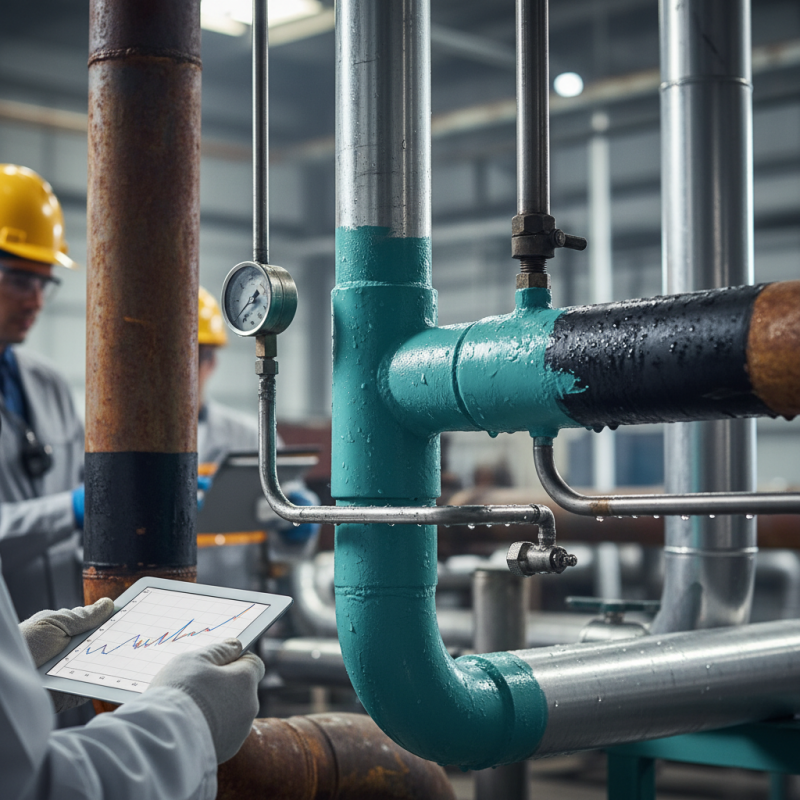
Corrosion in metal piping systems is a pressing issue in various industries. According to a 2021 report by the National Association of Corrosion Engineers (NACE), corrosion costs the U.S. economy about $276 billion annually. This figure highlights the need for effective corrosion prevention strategies. Metal pipes are particularly vulnerable to environmental factors such as moisture, oxygen, and chemicals. These elements can accelerate the corrosion process, leading to costly repairs and unsafe conditions.
Understanding the types of corrosion is crucial. For instance, uniform corrosion occurs evenly across surfaces. This often results in gradual pipe thinning. Localized corrosion, on the other hand, can create pits that compromise structural integrity. A study by the Corrosion Engineered Systems indicated that localized corrosion can reduce pipe life by up to 30% if not addressed. Regular inspections and maintenance are essential to identify early signs of deterioration.
Implementing protective coatings can mitigate corrosion risks. These barriers can help shield metal from corrosive environments. Additionally, cathodic protection systems have proven effective in reducing corrosion rates. However, these solutions require ongoing evaluation. They can be costly and complex, and their effectiveness can vary based on the specific system. Understanding these nuances helps organizations make informed decisions.
| Prevention Method | Description | Effectiveness | Cost Estimate |
|---|---|---|---|
| Coatings | Applying protective coatings to the surface of pipes to prevent exposure to corrosive environments. | High | $5-$20 per square foot |
| Cathodic Protection | Using sacrificial anodes or impressed current to protect metal from corrosion. | Very High | $1,000-$5,000 per system |
| Proper Drainage | Ensuring proper drainage around piping to prevent water accumulation. | Moderate | $500-$2,000 |
| Material Selection | Choosing corrosion-resistant materials for piping systems. | High | Variable depending on material |
| Regular Maintenance | Implementing a routine inspection and maintenance schedule to identify and repair corrosion. | High | $1,000-$10,000 annually |
: Corrosion refers to the deterioration of metal due to environmental elements. It leads to leaks and structural failure.
Moisture, chemicals, and electrochemical reactions are major causes. Each contributes to the corrosion process in various ways.
When water contacts metal, it creates rust. This accelerates the deterioration and weakens the pipe structure over time.
Galvanic corrosion occurs when different metals contact each other in moist environments. It leads to accelerated metal breakdown.
Protective coatings create a barrier against corrosion. They shield metal surfaces from moisture and chemicals effectively.
Regular inspections help identify corrosion early. Detecting issues quickly can prevent costly repairs and extend pipe life.
Corrosion can’t be entirely prevented. However, proper strategies can significantly reduce its impact and occurrence.
Localized corrosion creates pits on metal surfaces. This type is particularly dangerous as it weakens structural integrity.
Inspections should be regular, depending on conditions. Frequent checks ensure early detection of corrosion problems.
Yes, some methods can be complex and costly. It’s important to weigh the benefits against the expenses involved.
Corrosion in metal piping systems is a significant concern that can lead to leaks, system failures, and costly repairs. Understanding the common causes of corrosion, such as moisture, chemical exposure, and electrolytic reactions, is crucial for effective prevention. To address how to prevent corrosion in metal piping systems, implementing preventive measures like the use of protective coatings, cathodic protection, and regular inspections can create a robust defense against deterioration.
Moreover, establishing a thorough monitoring and maintenance strategy is essential for long-term effectiveness. Regular assessments of piping conditions and choosing appropriate materials that exhibit corrosion resistance can further enhance system longevity. By adopting these strategies, businesses can significantly reduce the risk and impact of corrosion, ensuring the integrity and reliability of their metal piping systems.

 ElvisCast Precision