How to Prevent Leakage in Pipe Connections Effectively?

Time:2026-07-31 Author:Sophia
0%

Leakage in pipe connections can lead to significant operational losses. Industry reports estimate that non-revenue water due to leaks accounts for about 30% of water supply globally. This not only affects efficiency but also increases operational costs for businesses. Understanding how to prevent leakage in pipe connections is crucial for efficient management.

Regular maintenance and quality materials are essential. According to a study by the American Society of Civil Engineers, up to 7% of pipe connections fail prematurely due to poor installation and inadequate materials. While there are methods to detect leaks, prevention remains key. Effective sealing solutions can reduce leakage risk significantly.

However, even the best practices are not foolproof. Factors such as environmental conditions and wear over time can compromise piping systems. Continuous monitoring and adaptation are necessary. Focusing on how to prevent leakage in pipe connections is vital for industries to sustain functionality and minimize losses. A proactive approach ensures reliability and enhances overall operational productivity.
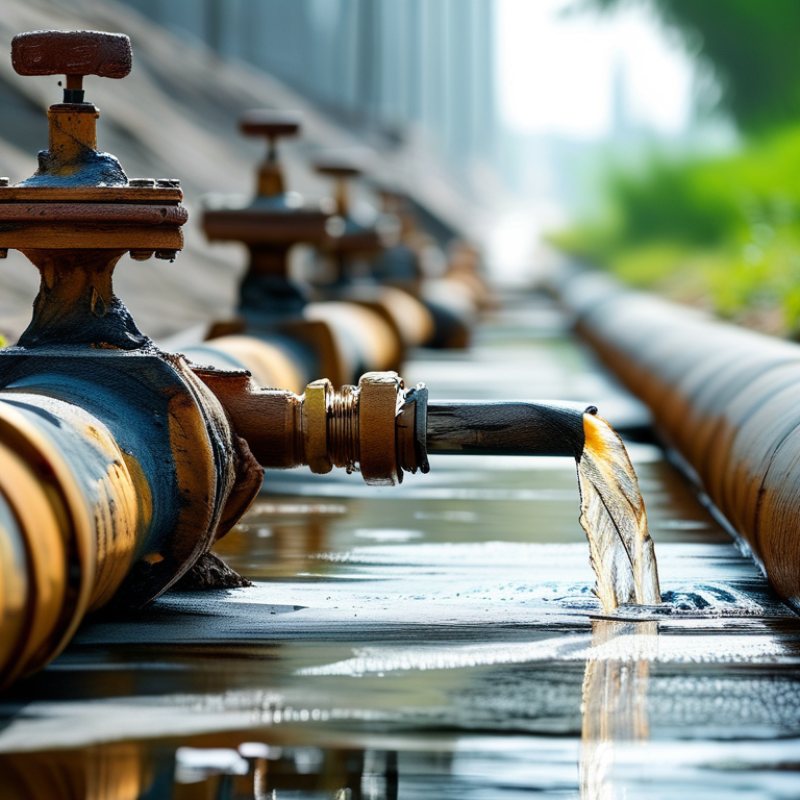
How to Prevent Leakage in Pipe Connections Effectively?

Understanding the Causes of Pipe Connection Leakage

Pipe connection leakage is a common issue in various industries. Research indicates that improper installation is the leading cause. According to a report by the National Institute of Standards and Technology, around 30% of leaks result from poor joining techniques. This includes inadequate sealing and misalignment of pipes. These errors can lead to costly repairs and unscheduled downtime.

Another significant factor is material degradation. Pipes exposed to harsh environments can corrode. A study by the American Society of Civil Engineers states that 25% of all water systems experience significant leaks due to corrosion. Maintaining the right materials for the specific environment is critical. Employing corrosion-resistant materials can reduce long-term issues.

Inspection routines are often overlooked. Regular checks can identify wear and tear early. The National Association of Plumbing Contractors suggests that regular inspections can reduce leaks by up to 40%. Implementing a proactive maintenance strategy can prevent unexpected failures. However, many still neglect this step, which often leads to greater problems down the line. There is much to reflect on in current practices.

Selecting the Right Materials for Pipe Connections

Selecting appropriate materials for pipe connections is crucial in preventing leakage. Recent industry studies indicate that improper material selection is responsible for about 30% of leaks in pipe systems. When choosing materials, consider factors like temperature, pressure, and the fluid being transported. For instance, high-pressure systems often need metals such as stainless steel, while corrosive substances may require specialized polymers. The right mix of material can significantly decrease failure rates.

Another vital aspect is compatibility. According to a report by the American Society of Mechanical Engineers, 50% of leakage issues stem from material incompatibility. This can lead to deterioration and eventual failure at connection points. For example, using rubber gaskets with incompatible chemicals can cause rapid degradation. Regular inspections and correct installation practices are key to maintaining integrity.

Maintaining a balance between cost and quality is also essential. Cheap materials might save upfront costs but can lead to larger expenses due to leak repairs. Investing in reliable materials pays off in the long run. While it may seem tempting to cut corners, the implications for safety and maintenance are significant. Ignoring proper material selection can lead to unforeseen leaks and operational downtime.

Proper Installation Techniques to Prevent Leakage

Effective installation techniques are crucial to prevent leakage in pipe connections. According to industry reports, over 25% of water loss is attributed to poor pipe connections. Ensuring proper alignment during installation is the first step in minimizing leaks. Misalignment can introduce stress on joints, leading to potential failures. Always use a level to check alignment before bolting components together.

Tip: Clean the pipe surfaces thoroughly before installation. Dirt or grease can create gaps that lead to leaks. Additionally, selecting the right type of sealant is vital. For example, PTFE tape is effective for threaded connections, while liquid sealants can provide a better bond for threaded and non-threaded joints.

Another critical factor is the torque applied to fittings. Over-tightening can cause damage, while under-tightening may leave connections loose. Industry guidelines recommend using a torque wrench to achieve the specified torque values. A study by the American Society of Civil Engineers found that managing torque can reduce leak incidents by 40%.

Tip: Regularly inspect your connections for signs of wear or degradation. Early detection can save time and resources. Keep in mind that even with the best techniques, occasional leaks may still happen, so being proactive in maintenance is essential.

How to Prevent Leakage in Pipe Connections Effectively? - Proper Installation Techniques to Prevent Leakage

Installation Technique Effectiveness (%) Common Uses Potential Issues
Proper Joint Preparation 95 All pipe joints Surface contamination
Use of Thread Sealants 90 Threaded connections Over-application can cause blockages
Use of Compression Fittings 85 Flexible connections Can loosen over time
Welding Techniques 98 Metal pipes Requires skilled labor
O-ring Seals 92 Fittings and valves Degradation over time

Regular Maintenance and Inspection of Pipe Systems

Regular maintenance and inspection of pipe systems are crucial to preventing leaks. Small issues can escalate into costly repairs if left unchecked. Inspecting pipes regularly helps to identify potential weak points. Look for signs of wear, corrosion, or any unusual moisture buildup. A proactive approach can save time and money in the long run.

The best practice involves developing a routine schedule. Monthly checks can ensure that joints, seams, and connections are secure. Use a simple checklist to track your findings. Documenting observations can highlight trends or recurring issues. Sometimes, it’s easy to overlook minor flaws, but they often signal larger problems. A small crack could mean a big leak is just around the corner.

Engaging a professional for periodic assessments adds an extra layer of reliability. They have the expertise to spot issues that may go unnoticed. Also, consider investing in advanced monitoring technology. However, everyone should understand the basics of pipe inspection. Relying solely on professionals can lead to missed opportunities for self-checks and maintenance.

Implementing Sealants and Gaskets for Enhanced Protection

When addressing leakage in pipe connections, the choice of sealants and gaskets is vital. Research shows that improper sealing can lead to a staggering 30% increase in maintenance costs across industries. Selecting the right materials not only minimizes leaks but also enhances overall system efficiency.

Gaskets made from rubber or fiber-infused composites can provide an effective barrier against leaks. They compress easily and conform to uneven surfaces. According to industry standards, a properly installed gasket can reduce the risk of leaks by as much as 60%. In contrast, inadequate sealing often results in water damage and expensive repairs, stressing the importance of quality.

Tip: Always clean surfaces before applying sealants. Dirty or uneven surfaces can lead to poor adhesion and increased leakage. Sealants should be applied in a consistent, even bead to ensure reliable protection.

Sealants vary in composition—some are silicone-based, while others are polyurethane. Understanding the application is crucial. For example, high-temperature and high-pressure systems require specialized sealants. It's essential to match the sealant with the conditions of use to prevent future issues.

Tip: Regularly check seal integrity in high-stress areas. Prompt maintenance can avoid major leaks and save time.

FAQS

: What is the main cause of pipe connection leakage?

: Improper installation is the leading cause, making up about 30% of leaks.

How does material degradation contribute to leaks?

Corrosion affects pipes, especially in harsh environments. About 25% of water systems leak due to this issue.

Why are regular inspections important?

Regular inspections can reduce leaks by up to 40%. Many neglect this, causing bigger problems later.

What should be considered when selecting materials?

Temperature, pressure, and the transported fluid matter. Different applications may need distinct materials.

How does material compatibility affect leakage?

Around 50% of leakage issues arise from mismatched materials, which can lead to rapid degradation.

Why is proper installation crucial?

Over 25% of water loss is due to poor connections. Proper alignment decreases the chance of leaks.

How can one ensure proper alignment during installation?

Using a level for alignment checks helps prevent stress on joints that can lead to failures.

What is the role of torque in preventing leaks?

Both over-tightening and under-tightening can cause problems. A torque wrench ensures proper tension on fittings.

How can cleaning surfaces help with leakage?

Dirty or greasy surfaces can create gaps. Cleaning them ensures a better seal and reduces leakage risk.

What should be done if a leak is detected?

It's important to inspect connections regularly. Early detection can save resources and prevent larger issues.

Conclusion

Effective prevention of leakage in pipe connections is crucial for maintaining the integrity of plumbing systems. To understand how to prevent leakage in pipe connections, it is essential to first recognize the common causes of such leaks, which can often arise from material incompatibility, improper installation, or lack of maintenance. Selecting the right materials that are suited to the specific application will minimize the risk of leaks.

Furthermore, employing proper installation techniques is vital. This includes ensuring pipes are aligned correctly and are tightly secured. Regular maintenance and inspection of pipe systems can help detect potential issues before they escalate into leaks. Additionally, implementing quality sealants and gaskets can provide an extra layer of protection against leakage, ensuring a robust and reliable pipe connection throughout its lifespan. By following these guidelines, one can effectively mitigate the risk of leakage in pipe connections.

Sophia

Sophia

Sophia is a dedicated marketing professional with an exceptional depth of knowledge about her company's products and services. With a keen understanding of market trends and customer needs, she crafts insightful blog posts that not only inform but also engage readers, enriching the company’s online......