Why Consider Quality Pricing and Reliability When Sourcing Industrial Components?

Time:2026-07-06 Author:Madeline
0%

When sourcing industrial components, several critical factors come into play. Quality pricing and reliability are paramount. These elements directly influence the performance and sustainability of operations. Understanding what should you consider when sourcing industrial components can drastically affect your bottom line.

Quality pricing ensures that you get the best material without overspending. High-quality components often lead to fewer breakdowns, reducing maintenance costs. Conversely, opting for cheaper alternatives may result in hidden costs down the line, such as repairs and replacements. Reliability ties into this, as dependable components increase trust in your supply chain.

Sourcing is not just about the lowest price. It's about striking a balance between cost and quality. Evaluating suppliers based on their track record is essential. One might reflect on past sourcing decisions. Were they driven by price alone? Did that lead to unforeseen complications? By asking these questions, companies can make more informed, strategic decisions that support long-term success.
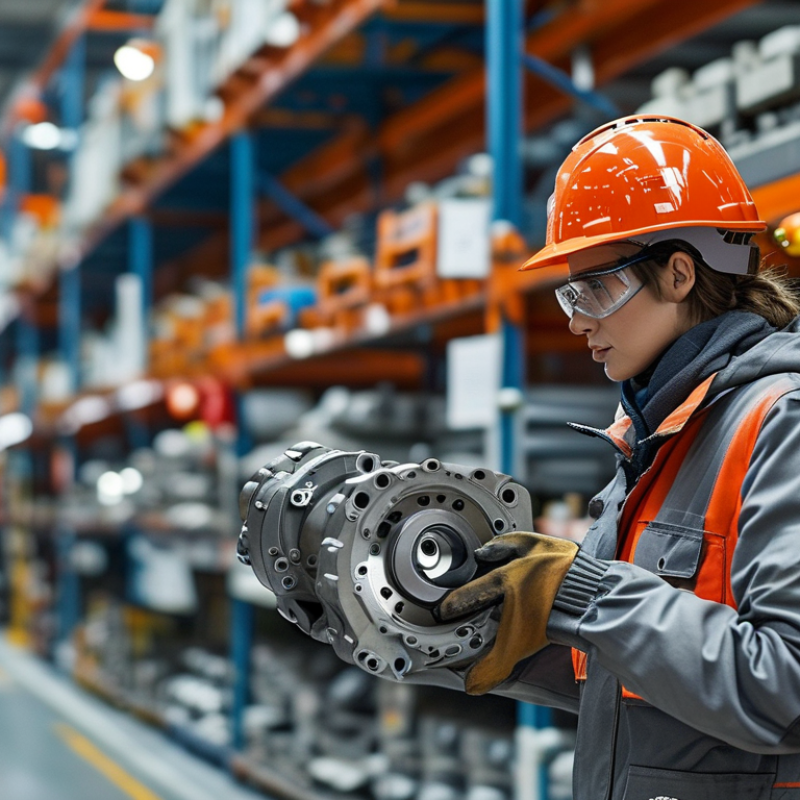
Why Consider Quality Pricing and Reliability When Sourcing Industrial Components?

Understanding Quality Pricing in Industrial Component Sourcing

In the industrial sector, sourcing components involves critical decisions. Quality pricing can significantly affect production efficiency. When sourcing components, understanding these prices is essential. It helps assess the value versus cost. Sourcing at a lower price might seem attractive. Yet, this approach can lead to increased risks in quality and reliability.

Analyzing quality pricing requires knowledge of material standards and manufacturing processes. Component quality directly impacts the final product's performance. A failure to prioritize quality can result in costly downtime. Take, for instance, a low-priced valve. If it fails prematurely, it may lead to disruptions in operations. The initial savings could vanish, proving expensive in the long run.

Building relationships with suppliers is another vital aspect. Reliable suppliers oftentimes provide better insights into pricing structures. They may offer warranties or support that low-cost providers cannot match. Reflecting on past sourcing experiences can aid future decisions. Knowledge gained from previous mistakes enhances expertise in component sourcing strategies. Ultimately, the balance between quality, price, and supplier reliability must be carefully managed for success.

The Importance of Reliability in Sourcing Industrial Components

When sourcing industrial components, reliability stands out as a crucial factor. A single faulty component can derail an entire production line. This results in costly downtimes and can severely impact a company's reputation. Organizations must prioritize dependable suppliers who consistently deliver high-quality products. Ensuring long-term partnerships with such suppliers fosters trust and stability.


Additionally, reliability in sourcing often relates to the consistency of performance over time. It's not just about the initial purchase but also about ongoing support and service. Regular quality assessments should be incorporated into supplier evaluations. This proactive approach can prevent issues before they escalate, leading to smoother operations.


However, achieving high reliability is challenging. Not every supplier meets expectations consistently. Sometimes, price competitiveness overshadows quality and reliability assessments. Industry professionals must reflect on their sourcing choices and consider the broader implications of their decisions. A strategic focus on reliability can ultimately save time and resources in the long run.

Factors Influencing Quality Pricing in Industrial Supply Chains

When sourcing industrial components, pricing and reliability are critical. Quality pricing reflects the true value of components, and cost-effective materials can lead to significant savings. However, the balance between price and quality often demands careful consideration. Low prices may hint at inferior quality, resulting in potential failures that could disrupt production.

Factors that influence quality pricing include supplier relationships, market demand, and material costs. Suppliers with a strong reputation often command higher prices due to their reliability. In contrast, fluctuating market demands can pressure prices downward, yet a sudden surge in demand can drive costs up unexpectedly. This variability needs constant monitoring.

Tip: Always vet suppliers through reviews and references. Understanding past performance helps gauge reliability.

By focusing on quality over price alone, businesses can reduce long-term costs. Cheaper components can lead to higher maintenance and replacement rates. Sometimes, the initial savings can disguise future expenses.

Tip: Consider total cost of ownership when assessing components. This approach provides a clearer picture of long-term value.

Establishing a transparent dialogue with manufacturers about material sourcing can improve pricing strategies. It can also lead to better negotiation outcomes, especially in uncertain markets.

Assessing Supplier Reliability: Key Metrics and Indicators

When sourcing industrial components, supplier reliability is crucial. It’s important to evaluate key metrics and indicators that reflect a manufacturer’s trustworthiness. One major factor is their track record of on-time delivery. Delays can lead to increased costs and disrupt production cycles. A supplier consistently meeting deadlines builds credibility.

Another important metric is quality assurance practices. Look for suppliers that have robust quality control processes in place. This can include regular inspections and adherence to industry standards. It helps ensure that the components you receive meet your specifications. A lack of quality can result in defects and costly rework.

Financial stability is also a vital consideration. Suppliers facing financial difficulty may struggle to fulfill contracts. Assessing their financial health through credit checks can be insightful. However, some companies may not be transparent about their finances. This aspect often requires careful evaluation and sometimes a leap of faith. Ensuring that you have reliable partners is a cornerstone of a successful sourcing strategy.

Balancing Cost and Quality: Strategies for Effective Sourcing

In today's competitive landscape, sourcing industrial components involves a delicate balancing act between cost and quality. Many companies prioritize low prices, often overlooking the long-term implications of choosing inferior components. This can lead to increased downtime and higher maintenance costs. Balancing these factors requires a thoughtful approach to sourcing strategies, focusing on reliability alongside expense.

Effective sourcing strategies incorporate thorough research into suppliers and components. Understanding material specifications and manufacturing processes makes a difference. Engaging with experts or conducting on-site evaluations can reveal critical insights. While aiming for lower costs is tempting, cutting corners can result in more significant issues later. It’s essential to evaluate the total cost of ownership, considering factors like performance and lifespan.

Building solid relationships with suppliers is equally important. Communicating expectations for quality ensures alignment on objectives. However, not every supplier will meet these expectations. Companies must be prepared to reassess partnerships if reliability falters. Seeking out feedback from team members about component performance can also guide sourcing decisions. This ongoing evaluation fosters a culture of continuous improvement and supports sustainable sourcing practices.

FAQS

: What should businesses prioritize when sourcing industrial components?

: Businesses should prioritize quality over price to avoid long-term risks. Cheaper components can increase maintenance costs.

How do supplier relationships impact pricing?

Strong supplier relationships can lead to higher prices due to reliability. Reputation matters in pricing strategies.

What is total cost of ownership?

Total cost of ownership includes initial costs plus maintenance and replacement expenses. It provides a clearer value picture.

Why is market demand important in sourcing?

Market demand influences pricing. A surge in demand can unexpectedly raise costs, while lower demand may drop them.

How can companies ensure supplier reliability?

Companies should vet suppliers through reviews and references. Understanding past performance is key to gauging reliability.

What role does communication play in supplier relationships?

Establishing transparent dialogue with suppliers aligns expectations. It can improve negotiation outcomes and pricing strategies.

What should companies do if suppliers fall short?

Companies must reassess partnerships if reliability falters. It's crucial to seek feedback on component performance.

Why is research important in sourcing strategies?

Thorough research on suppliers and components is vital. Understanding specifications can prevent costly mistakes later.

How can businesses balance cost and quality?

Effective sourcing requires a thoughtful approach, focusing on reliability along with expenses, not just low prices.

What can happen if companies cut corners in sourcing?

Cutting corners may lead to significant issues later, increasing downtime and costs. Evaluate performance and lifespan carefully.

Conclusion

When sourcing industrial components, understanding quality pricing and reliability is crucial. Quality pricing refers to the balance between cost and the value derived from components, impacting overall project budgets and operational efficiencies. Reliability is equally important, as it assures consistent performance and minimizes the risk of downtime. Key factors influencing quality pricing include market trends, material costs, and supplier capabilities, which must be evaluated thoroughly to ensure optimal procurement decisions.

What should you consider when sourcing industrial components? Assessing supplier reliability through key metrics such as delivery performance, quality ratings, and service responsiveness is essential. Effective sourcing strategies involve balancing cost and quality, ensuring that businesses not only save money but also receive components that meet their performance standards. By focusing on these elements, organizations can enhance their supply chain resilience and drive long-term success.

Madeline

Madeline

Madeline is a dedicated marketing professional with a wealth of expertise in our company's core offerings. With a keen understanding of the industry, she brings a unique perspective to her role, consistently delivering high-quality content that highlights the superior aspects of our products. As......