Maintaining pipeline systems efficiently is crucial for minimizing operational costs. As industry expert John Smith, a renowned consultant in pipeline management, remarked, "Investing in proactive maintenance strategies can significantly lower your overall costs." This highlights the importance of understanding how to reduce maintenance costs in pipeline systems.
Pipeline operations require continuous oversight. Neglecting proper maintenance can lead to costly repairs and downtime. Maintaining systems through regular inspections and timely upgrades can yield significant savings. Companies often overlook the importance of training staff adequately. Skilled technicians can identify potential issues, reducing the risk of expensive failures.
Understanding how to reduce maintenance costs in pipeline systems goes beyond just physical upkeep. It involves adopting a mindset focused on efficiency and longevity. Analyzing data and implementing technology can also drive down costs. However, organizations must reflect on their current practices and be open to change. The path to cost reduction is not always straightforward. Implementing new strategies requires time and investment, but the long-term benefits often outweigh the initial challenges.
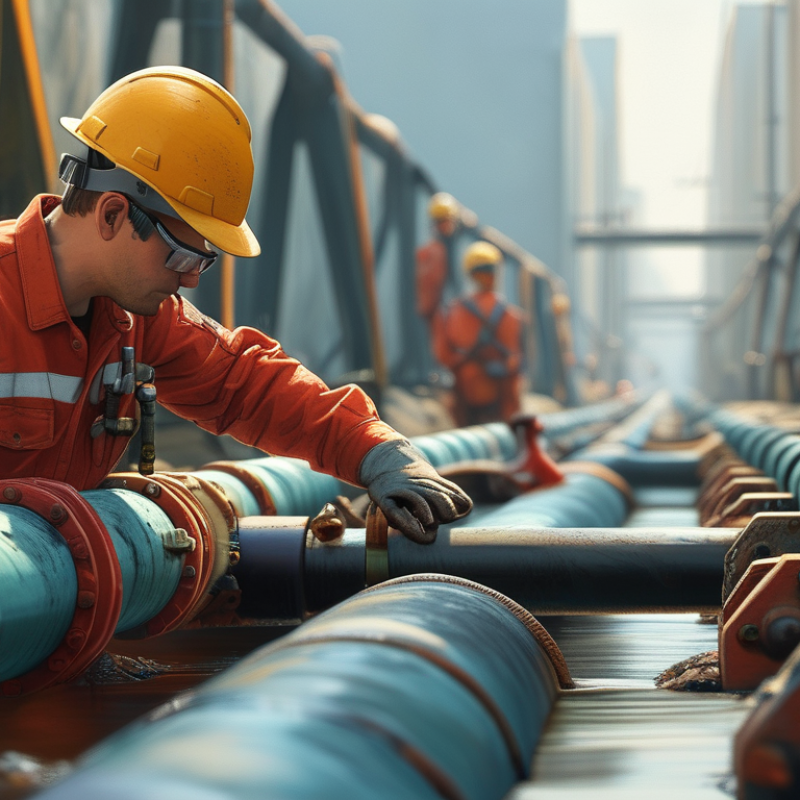
Maintaining pipeline systems can be costly. Understanding these expenses is crucial for efficient operation. Regular maintenance includes inspection, repairs, and upgrades. Ignoring these can lead to unexpected failures and higher costs. A small leak can quickly escalate into a major problem. Awareness of these potential issues helps mitigate risks.
The impact of maintenance costs can be significant. Companies face pressure to reduce expenses without sacrificing safety. Predictive maintenance can lower costs by addressing issues before they become critical. Utilizing data analytics enables better decision-making. However, relying solely on technology could lead to overlooking human factors, such as skill gaps in the workforce.
Investing in training fosters a knowledgeable team that can identify signs of wear and tear. Regular training sessions can improve maintenance efficiency. Yet, some companies may hesitate to invest in employee development. The balance between immediate savings and long-term reliability can be challenging. It’s crucial to weigh the benefits of preventive measures against the costs of unexpected failures. This ongoing evaluation can lead to sustainable practices in pipeline system management.
Predictive maintenance is revolutionizing pipeline management. It involves using data analytics to anticipate failures before they occur. A study by the American Society of Mechanical Engineers indicates that predictive maintenance can reduce maintenance costs by up to 25%. This technique allows pipeline operators to schedule repairs effectively, minimizing unscheduled downtimes.
One key aspect of predictive maintenance is the use of sensors that monitor various parameters like pressure and temperature in real-time. Sensors can predict when equipment is nearing its failure threshold, enabling proactive interventions. According to a report from the International Energy Agency, integrating predictive maintenance systems can enhance asset reliability by nearly 30%. However, the initial investment in technology can be daunting for some operators.
While many benefits exist, there are challenges. Data management and analysis require skilled personnel, which can be a barrier for smaller operators. The adoption of predictive maintenance isn't uniform across the industry, leading to disparities in efficiency. Reflecting on the implementation, companies must consider long-term strategies to upskill their workforce while investing in robust data infrastructure.
| Tip Number | Maintenance Technique | Estimated Cost Savings (%) | Implementation Timeframe | Data Requirements |
|---|---|---|---|---|
| 1 | Implement Condition Monitoring | 20% | 3-6 months | Vibration, temperature, flow data |
| 2 | Utilize Predictive Analytics | 30% | 6-12 months | Historical maintenance data, operational data |
| 3 | Conduct Regular Inspections | 15% | Ongoing | Inspection reports, damage logs |
| 4 | Adopt Remote Monitoring Technologies | 25% | 1-3 months | Real-time operational data |
| 5 | Integrate IoT Sensors | 40% | 6 months | Sensor data analytics |
| 6 | Implement Training Programs | 10% | Ongoing | Training feedback and assessments |
| 7 | Schedule Preventive Maintenance | 20% | Ongoing | Maintenance scheduling records |
| 8 | Utilize Drones for Inspections | 35% | 3 months | Aerial imagery analysis |
| 9 | Improve Asset Management Systems | 22% | 6 months | Asset tracking data |
| 10 | Conduct Cost-Benefit Analysis | 18% | Ongoing | Financial reports, project data |
Regular inspection and monitoring of pipeline systems are crucial for reducing maintenance costs. A recent industry report from the American Society of Civil Engineers highlights that regular inspections can lower failure rates by up to 30%. Routine checks help identify issues before they escalate. This proactive approach saves money and reduces downtime.
Effective monitoring includes using advanced technologies. Technologies like smart sensors and drones facilitate real-time inspections. Research from the U.S. Department of Energy indicates that these tools can increase the efficiency of inspections by 50%. However, the initial investment in these technologies might seem daunting. Companies must weigh the costs against the potential savings.
Despite these advantages, some organizations still neglect regular monitoring. They often rely on reactive maintenance strategies, which can be more expensive. The cost of repairing a catastrophic failure is significantly higher than regular inspections. Ignoring the need for monitoring can lead to considerable financial losses. Companies should reflect on their strategies and consider the long-term benefits of a proactive approach to pipeline maintenance.
Investing in quality materials and technologies is crucial for the longevity of pipeline systems. According to a study published by the American Society of Mechanical Engineers, improper material selection leads to an estimated 30% increase in maintenance costs over time. Selecting durable materials can mitigate such risks. For instance, using corrosion-resistant alloys can extend the lifespan of pipelines in harsh environments significantly.
Advanced technologies, like smart monitoring systems, enhance the reliability of these pipelines. Implementing predictive maintenance technologies reduces unplanned outages by up to 40%. This means fewer emergency repairs and lower overall costs. While investing in these technologies might seem expensive initially, the long-term savings are clear. It’s essential to reflect on the initial choices in material and technology.
However, not all investments guarantee success. The challenge lies in balancing upfront costs with potential savings. A miscalculation here can lead to wasted resources. Moreover, even high-quality materials can fail if not installed correctly or maintained properly. In the pursuit of cost reduction, organizations need to critically assess their strategies and understand that quality often pays off in the long run.
Training staff for efficient maintenance and safety procedures is vital in pipeline systems. A well-trained team can significantly reduce costly mistakes. They must understand the system's layout, recognize common issues, and respond swiftly. An informed workforce is key to preventing accidents and minimizing downtime.
Regular training sessions should be part of the routine. Simulated drills can enhance problem-solving skills. For example, understanding leak detection techniques can save time during emergencies. Staff should also be familiar with the tools and technologies used in maintenance. This knowledge helps in executing tasks more efficiently.
Safety procedures should never be overlooked. Clear guidelines can prevent injuries and accidents. Workers should receive education on personal protective equipment (PPE) and its proper use. Conducting safety audits can help identify weaknesses in training. Remember, an untrained employee can lead to higher maintenance costs. Investing in staff knowledge is investing in cost reduction.
: Regular inspections can lower failure rates by up to 30%, reducing maintenance costs significantly.
Smart sensors and drones enable real-time inspections, increasing efficiency by 50% according to recent research.
The initial investment can be high, and companies may struggle to justify costs versus potential savings.
Neglecting monitoring often leads to more expensive reactive maintenance and significant financial losses.
Well-trained teams can prevent costly mistakes and respond quickly to emergencies, minimizing downtime.
Training should include simulated drills, system layout understanding, and familiarization with tools and technologies.
Clear safety guidelines prevent injuries and accidents, protecting workers and reducing liability.
Conducting safety audits can reveal areas needing improvement in employee training and procedures.
Some companies overlook the need for regular training, which can lead to higher maintenance costs.
Investing in training leads to better efficiency and reduces long-term maintenance expenses for pipeline systems.
Reducing maintenance costs in pipeline systems is essential for enhancing efficiency and longevity. Understanding the various factors that contribute to pipeline maintenance costs is the first step in this process. By implementing predictive maintenance techniques, operators can anticipate potential failures, thereby reducing unplanned downtimes and associated costs. Regular inspections and monitoring practices are vital to identifying issues early and avoiding costly repairs.
Moreover, investing in high-quality materials and technologies can significantly extend the lifespan of pipeline systems, further minimizing maintenance expenses over time. Additionally, training staff in effective maintenance and safety procedures ensures that they are well-equipped to carry out their duties efficiently. Overall, by focusing on these strategies, organizations can effectively learn how to reduce maintenance costs in pipeline systems while maintaining safe and effective operations.

ElvisCast Precision