How to Select Pipe Fittings for High Pressure Systems Guide?

Time:2026-05-05 Author:Ethan
0%

Selecting the right pipe fittings for high pressure systems is critical. Many overlook this aspect, which can lead to severe consequences. Understanding how to select pipe fittings for high pressure systems requires expertise and careful consideration.

Choosing fittings involves assessing material compatibility and pressure ratings. A mismatch can cause leaks or catastrophic failures. Many professionals have faced setbacks due to inappropriate fittings. It’s vital to consult specifications and standards.

Always consider operating conditions. Temperature fluctuations can affect fitting performance. Engage with experienced suppliers for insights. However, be cautious; not all advice may align with your needs. Reflect on past choices and learn from them for better decision-making.
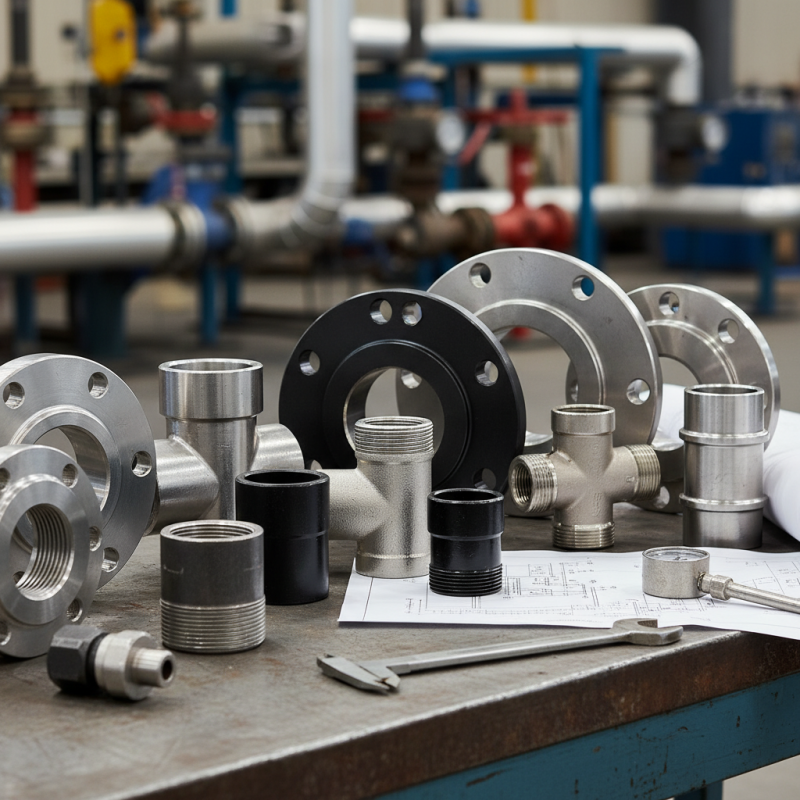
How to Select Pipe Fittings for High Pressure Systems Guide?

Understanding High Pressure Systems and Their Requirements

High-pressure systems require careful consideration of various factors. Understanding these requirements can significantly impact performance and safety. High pressure can generate stress on components, leading to potential failures. Proper material selection is crucial. Materials must withstand extreme pressures and temperatures without deforming.

Pipe fittings play a key role in system integrity. They connect pipes, valves, and other components. Choosing the right fitting involves evaluating the material, size, and pressure rating. Inadequate fittings lead to leaks or bursts. Standard fittings may not suffice in high-pressure applications. Sometimes, custom solutions become necessary, adding complexity to the selection process.

It’s important to consider installation and maintenance as well. Improper installation can compromise performance. Regular inspections are essential to identify wear or damage early. High-pressure systems often have safety protocols, but hazards still exist. Being diligent in monitoring these systems helps prevent accidents. Understanding these challenges enhances decision-making in selecting fittings and maintaining overall system reliability.

Types of Pipe Fittings Suitable for High Pressure Applications

When selecting pipe fittings for high pressure applications, it is crucial to understand the types available. Each type has specific characteristics suited to various situations. Elbows, tees, and reducers are among the most common. They help in directing flow as needed. However, not all designs are suitable for extreme conditions. Ensure you assess their pressure class ratings carefully.

Correct material selection plays a significant role in durability. Stainless steel, plastic composites, and forged steel are widely used for high pressure systems. These materials can withstand intense stress. Yet, elasticity and thermal expansion can lead to potential failures. Regular inspections can help prevent unexpected leaks. It’s essential to monitor the condition of fittings over time.

Lastly, consider how different environments impact your choices. Chemical exposure or extreme temperatures can weaken certain fittings. Choosing the right type isn’t solely about pressure rating. It involves assessing all factors carefully. Always consult with professionals or reference guidelines to ensure reliability in your high pressure setups.

Material Selection for Durability and Performance in High Pressure Fittings

Selecting the right materials for high-pressure fittings is crucial for ensuring durability and performance. High-pressure systems often face extreme conditions, which can compromise the integrity of the fittings. A study by the American Society of Mechanical Engineers (ASME) indicates that nearly 30% of pipeline failures are due to improper material selection.

Stainless steel is commonly chosen for its excellent strength and corrosion resistance. It withstands high temperatures and pressures, making it favorable in many applications. For example, 316 stainless steel is widely used in oil and gas sectors, where exposure to harsh environments is frequent. However, even this material has limitations. The high cost and difficulty in welding can lead to challenges during installation and maintenance.

In some cases, carbon steel may be a better option. It offers a balance between cost and performance. While it displays lower resistance to corrosion, it is often treated with coatings to enhance durability. Evaluating the intended environment and potential risks is vital. The decision should not solely rely on material properties but also consider long-term performance and cost-effectiveness. The nuances of material behavior under high stress warrant careful analysis and consideration.

Material Selection for High Pressure Pipe Fittings

Pressure Ratings and Standards for Pipe Fittings in High Pressure Systems

When selecting pipe fittings for high-pressure systems, understanding pressure ratings and standards is crucial. The pressure rating is the maximum pressure a pipe fitting can handle without failing. Different materials come with varied ratings. For example, stainless steel fittings generally withstand higher pressures than plastic ones. It's essential to match the fitting's pressure rating with the pipe's to avoid catastrophic failures.

Standards often govern these ratings, such as ASTM or ANSI. These organizations develop guidelines to ensure safety and reliability. It's important to check if the fittings are certified. Certification indicates that they have undergone rigorous testing. However, not all manufacturers adhere to the same quality standards. Some might prioritize cost over reliability, so conducting thorough research is vital.

Reading specifications can be tricky. Some ratings may only reflect ideal conditions. Real-world applications often present challenges, like temperature variations. A fitting that's perfect on paper may fail under specific conditions. Therefore, careful consideration and expert consultation are recommended when choosing fittings for high-pressure applications. Ensuring adherence to applicable standards can prevent costly mistakes.

Installation and Maintenance Considerations for High Pressure Fittings

When working with high pressure systems, proper installation of fittings is crucial. Fittings must withstand significant stress. Always use correctly rated materials to handle the pressure levels involved. Before installation, check for compatibility with the pipe materials. Mismatched materials can lead to leaks or failures. Proper alignment is essential. Misalignment can cause stress points.

Maintenance is another key aspect. Regular inspections of fittings help identify wear or corrosion. Look for signs of leaking, which often indicate a need for replacement. Ensure that seals and gaskets are in good condition. These small components play a crucial role in maintaining system integrity.

Documentation is a valuable practice. Keep records of installation dates and maintenance checks. This can help track the lifespan of fittings. Learning from past experiences is important. Identify patterns of failure, such as frequent leaks in certain areas. Reflecting on these issues can lead to better decision-making in the future.

FAQS

: What types of pipe fittings are suitable for high-pressure applications?

: Elbows, tees, and reducers are commonly used. They help direct flow effectively.

How important is material selection for pipe fittings?

Material choice affects durability significantly. Stainless steel and forged steel are common.

What are the potential issues with material elasticity?

Elasticity can lead to failures under stress. Regular inspections help prevent leaks.

How do environmental factors impact pipe fitting selection?

Chemical exposure or extreme temperatures may weaken fittings over time.

What is a pressure rating?

A pressure rating indicates the maximum pressure a fitting can withstand without failing.

Why is certification important for pipe fittings?

Certification shows that fittings passed rigorous testing for safety and reliability.

Can many manufacturers meet quality standards?

Not all manufacturers prioritize quality. Some focus more on cost, so research is essential.

Why might specifications be misleading?

Ratings often reflect ideal conditions, which may differ from real-world applications.

What should I do if I’m unsure about fitting selection?

Consulting with professionals can provide valuable guidance and prevent costly mistakes.

How can temperature variations affect pipe fittings?

Fittings that seem suitable on paper can fail under unexpected temperature changes.

Conclusion

In the guide "How to Select Pipe Fittings for High Pressure Systems," we delve into the critical aspects of choosing the right fittings for high pressure applications. Understanding the specific requirements of high pressure systems is essential, as it influences the types of fittings that can be utilized effectively. Suitable materials must be selected to ensure durability and performance, which are paramount in high pressure environments.

Additionally, the guide covers essential pressure ratings and standards that pipe fittings must meet to ensure safety and reliability. Installation and maintenance considerations are also key factors to prevent any potential failures in high pressure systems. By following these guidelines, one can make informed decisions on how to select pipe fittings for high pressure systems, ensuring optimal functionality and longevity.

Ethan

Ethan

Ethan is a seasoned marketing professional with a deep expertise in our company's innovative product line. With a passion for sharing knowledge and insights, he takes the lead in regularly updating our corporate blog, where he explores industry trends, product features, and effective marketing......