Industrial valves and fittings are essential components in various industries. They play a crucial role in fluid control and regulation. When considering durability and safety, it’s vital to understand what standards are used for industrial valves and fittings. These standards establish minimum requirements for performance, safety, and integrity.
Organizations and industries must adhere to these regulations to ensure efficiency and safety. Various standards exist, reflecting the complexity of applications. These may include material specifications, testing procedures, and design guidelines. While some standards seem straightforward, others may require deeper comprehension.
In an evolving industry, staying informed is challenging yet essential. Regular updates and changes in regulations can lead to confusion. The details matter, as non-compliance may result in operational failures. Relying solely on previous knowledge can lead to mistakes. By exploring the top standards, companies can enhance their practices and avoid potential pitfalls. Understanding these standards is more than just regulatory compliance; it's about building a culture of reliability and safety.
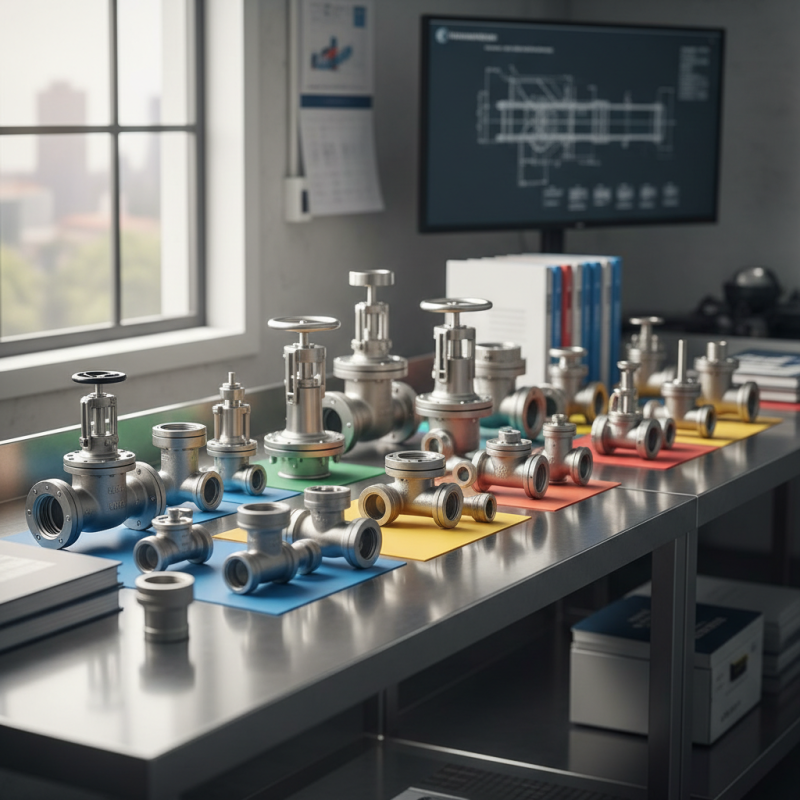
Industrial valves and fittings are crucial components in various sectors. They regulate fluid flow and maintain pressure in pipelines. Standards are essential to ensure these components work effectively and safely. Various organizations develop these standards to guide manufacturers and users in achieving quality and reliability.
One prominent standard is the ISO 9001 certification. It emphasizes quality management systems in any industrial process. Adhering to ISO 9001 can enhance product reliability. Another key standard is the API 6D, which outlines specifications for pipeline valves. This standard ensures that valves function under high-pressure conditions. However, not all manufacturers adhere to these norms consistently. This inconsistency can lead to significant risks.
Furthermore, ASTM standards provide detailed specifications for materials used in valves and fittings. These standards address corrosion resistance and mechanical properties. While these guidelines exist, some manufacturers may cut corners to reduce costs. This is problematic. It highlights the need for rigorous quality checks. Stakeholders must prioritize standard compliance to ensure safety and efficiency in industrial applications.
Standards play a vital role in industrial applications. They ensure safety, reliability, and efficiency. When companies adhere to established standards, they minimize risks associated with malfunctioning equipment. Consistent quality can save both time and money. For example, standardized valves can lead to smoother operations and reduced downtime.
Tips: Always confirm compliance with local regulations. Keep updated on any changes in standards. This helps avoid potential pitfalls and enhances overall safety.
Training employees on standards is essential. A well-informed workforce can identify issues before they escalate. Regular audits and maintenance checks of valves and fittings will help comply with safety regulations and enhance performance. Yet, not all organizations prioritize these practices. Neglecting training can lead to costly mistakes.
Tips: Create an ongoing education program tailored to your industry. This increases awareness and encourages proactive approaches.
Incorporating standards into your operations cultivates trust with clients and stakeholders. It demonstrates a commitment to quality. However, some companies still overlook these essentials. This can result in product recalls or safety violations. Avoid this by weaving standards into the company culture.
Industrial valves and fittings play a crucial role in various applications. Understanding the standards governing these components is essential. Key features of valve standards include specifications for materials and designs. These criteria ensure that valves function optimally and safely in different environments.
Material selection is fundamental for durability. Common materials include stainless steel, cast iron, and bronze. Each has its strengths, such as corrosion resistance or high-pressure handling. Understanding the operational requirements before choosing a valve is vital. For instance, using a material that suits the specific fluid type can prolong the valve's lifecycle.
Tips: Always verify the compatibility of the valve material with the fluid. Inadequate material choices can lead to failure, resulting in costly downtime. When assessing design features, look for certifications that indicate compliance with industry standards. These certifications often reflect the quality and reliability of the product.
Design features like seal types and connections are equally significant. Different applications require specific sealing mechanisms to prevent leaks. The design must accommodate the pressure and temperature ranges in which it operates. Failing to choose the correct design might compromise system integrity.
Always consider these key features carefully to ensure optimal performance in your industrial applications.
In the industrial sector, reliable valves and fittings are essential for system integrity. The standards governing these components dictate their design, testing, and use. Key organizations like the American Society of Mechanical Engineers (ASME) and the International Organization for Standardization (ISO) establish important benchmarks. For example, ASME B16.34 outlines the requirements for valves in various applications, ensuring safety and performance.
Fitting standards also play a crucial role. The ASTM standards define specifications for materials, dimensions, and performance. ASTM A105, for example, is widely used for carbon steel piping components. It covers requirements for wrought carbon steel fittings, making it vital for construction and manufacturing. An industry report indicated that adherence to such standards could prevent up to 30% of fitting-related failures.
Tip: Always check compliance with current standards before purchasing components. Many suppliers may not always adhere strictly to them.
Professional expertise is vital when selecting fittings for specific applications. Understanding the nuances of different standards can help you avoid costly mistakes. For instance, miscalculating pressure ratings can lead to catastrophic failures. Regular training and updates for procurement teams are essential to maintain high operational standards.
Tip: Consider ongoing education in valve and fitting standards for your team. Keeping informed can save money and enhance safety.
Compliance and testing procedures for industrial valves and fittings are crucial for ensuring safety and reliability. These components must adhere to specific standards. Regular testing can reveal weaknesses. This helps to mitigate risks. Procedures often include pressure tests and leak detection.
Often overlooked, documentation is vital. Engineers must maintain records of all tests. This supports accountability and traceability. Lack of proper documentation can lead to severe consequences. Continuous education for personnel involved in testing is essential. Knowledge gaps can result in compliance failures.
Quality assurance varies across industries. Some fields require more stringent testing regimes. Each industry has its standards. Misinterpretation of these standards can complicate compliance efforts. Regular audits help address inconsistencies in procedures. They encourage proactive improvements.
| Standard | Description | Compliance Procedure | Testing Method | Applicable Industries |
|---|---|---|---|---|
| API 598 | Valve Inspection and Testing | Visual and Functional Tests | Hydrostatic Testing | Oil and Gas |
| ASME B16.34 | Valves - Flanged, Threaded, and Welding End | Dimensional Checks | Tensile Strength Tests | Chemical Processing |
| ISO 9001 | Quality Management Systems | Quality Audits | Process Performance Tests | All Industries |
| ASTM F1500 | Testing of Check Valves | Leak Tests | Vacuum Testing | Water Treatment |
| EN 161 | Automated Shut-off Valves | Performance Verification | Functional Testing | Natural Gas Industry |
: Standards ensure these components function effectively and safely. They guide manufacturers and users to achieve quality.
ISO 9001 emphasizes quality management systems in industrial processes. It can enhance product reliability significantly.
API 6D outlines specifications for pipeline valves. It ensures valves function well under high-pressure conditions.
No, not all manufacturers adhere consistently. This can lead to significant risks and reliability issues.
ASTM standards provide specifications for materials. They focus on corrosion resistance and mechanical properties.
Documentation supports accountability and traceability. Without it, compliance failures can lead to severe consequences.
Regular testing, such as pressure tests, helps identify vulnerabilities. This mitigates risks associated with component failure.
Different industries have their own standards. Misinterpretation of these can complicate compliance and increase risks.
Continuous education helps personnel stay updated. Knowledge gaps can result in compliance failures and safety risks.
Regular audits address inconsistencies in procedures. They encourage proactive improvements in quality and safety measures.
Industrial valves and fittings play a crucial role in various applications, and understanding what standards are used for industrial valves and fittings is essential for ensuring their safety and efficiency. These standards govern key aspects such as material selection and design specifications, which ultimately affect the functionality and longevity of the products.
Compliance with these standards is not merely a regulatory requirement; it is vital for maintaining operational integrity. The article outlines the importance of these standards in industrial applications, highlighting key features that ensure reliability and performance. Additionally, it covers essential fitting standards, addressing different types and their specifications, as well as compliance and testing procedures. Adhering to these standards helps manufacturers and users alike ensure the quality and safety of industrial valves and fittings in their operations.

ElvisCast Precision