How to Test Pipe Fittings Quality for Global Buyers?

Time:2026-06-16 Author:Isabella
0%

When it comes to the global market, understanding how to test the quality of pipe fittings is crucial for buyers. Quality assurance in pipe fittings ensures safety and performance in various applications. Buyers need to implement reliable testing methods to ascertain product integrity.

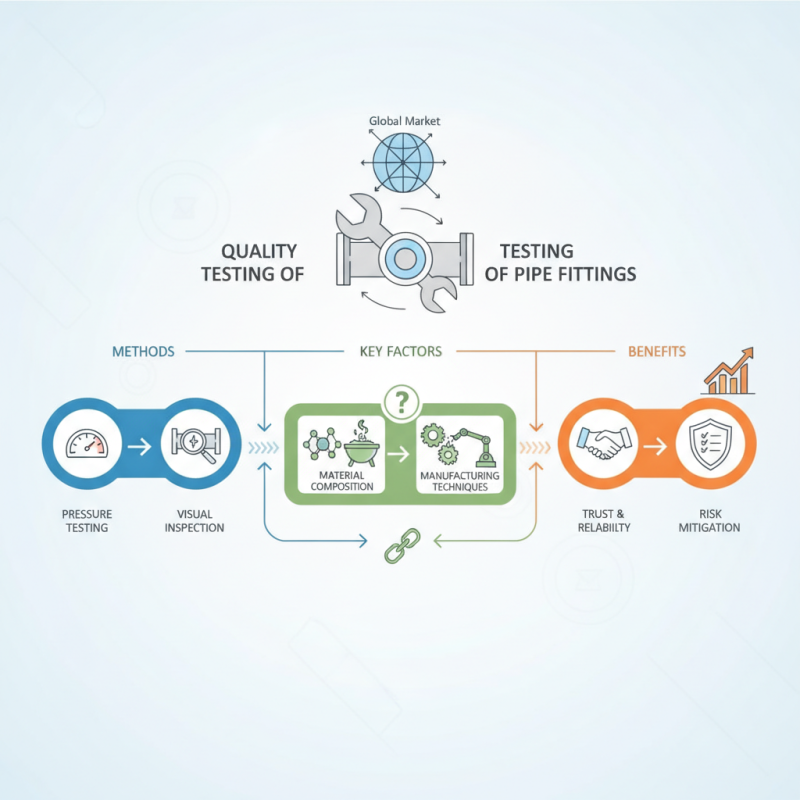
Recognizing potential flaws is essential. Factors like material composition and manufacturing techniques can affect quality. Conducting tests helps reveal defects that might not be visible. Techniques such as pressure testing and visual inspections can be practical yet necessary steps.

Buyers often face challenges in verifying suppliers' claims. This uncertainty can lead to poor purchasing decisions. Engaging experienced professionals can aid in developing a robust testing strategy. Emphasizing quality testing techniques not only builds trust but also protects against unforeseen issues in the supply chain.
How to Test Pipe Fittings Quality for Global Buyers?

Understanding Pipe Fittings Quality Standards for Global Buyers

When it comes to pipe fittings, understanding quality standards is crucial for global buyers. Quality standards can vary significantly across different regions. Therefore, buyers must familiarize themselves with these to ensure compliance and performance. This knowledge directly impacts the durability and reliability of pipe fittings in various applications.

Certification marks are often used to indicate compliance with certain standards. These marks provide quick insight into the quality of materials used. However, relying solely on these marks can be misleading. Not all manufacturers adhere to the same rigorous testing protocols. It’s essential to look deeper than just visible certifications.

Buyers should also consider the manufacturer’s track record. Researching a manufacturer’s reputation may reveal previous issues or successes with their products. Engaging with industry experts can further enhance one’s understanding of quality benchmarks.

Quality assurance processes should be verified. Yet, there’s often little transparency in the quality assurance methods themselves. Doing thorough research and fostering communication with suppliers can mitigate the risks associated with these gaps in information.

Key Testing Methods for Assessing Pipe Fittings Durability

Testing the durability of pipe fittings is crucial for global buyers. Various methods are employed to ensure that these components meet stringent quality standards. Among these, pressure testing is fundamental. According to industry reports, nearly 70% of failures in piping systems are attributed to inadequate pressure resistance. This method helps to identify weaknesses in new fittings before they are deployed in real-world applications.

Another significant method is the impact testing, which assesses the fittings' ability to withstand sudden forces. Data from recent studies indicate that nearly 15% of failures occur due to impact-related issues. Following testing standards can lead to noticing how certain materials behave under diverse conditions. Observing these reactions is vital for understanding potential vulnerabilities.

Moreover, visual inspections remain essential. They can reveal imperfections that testing might overlook. According to an industry survey, over 50% of manufacturers do not regularly conduct thorough visual checks. This gap can lead to unnoticed flaws that compromise durability. Reflecting on such practices within the testing process is necessary to improve overall quality assurance.

In essence, each testing method has its merits. However, it is essential to recognize the limitations and the need for continuous evaluation to enhance the reliability of pipe fittings.

Pipe Fittings Quality Testing Methods

Materials Analysis: Identifying Quality in Pipe Fitting Manufacturing

When evaluating the quality of pipe fittings, material analysis is crucial. The type of material used can significantly impact the performance and longevity of the fittings. For instance, according to a report by the American Society for Testing and Materials (ASTM), around 70% of fitting failures are attributed to substandard materials. Buyers must assess the grade of materials, such as steel or PVC used in manufacturing.

Material standards differ globally, but compliance with recognized standards is key. Many regions adhere to ISO standards, which provide criteria for testing and validation. For example, an ASTM study indicated that materials meeting ISO 9001 standards show a 30% increase in durability and resistance to corrosion. Buyers should demand certifications that prove adherence to these standards.

Identifying quality materials also requires an understanding of their properties. Not all steel is created equal. Different alloys offer various strengths and exposure to environmental factors. A buyer's guide from the International Organization for Standardization emphasizes the need for precise specifications in manufacturing. Research shows that even minor deviations in material composition can lead to significant performance issues. Thus, comprehensive material analysis is essential for ensuring the reliability of pipe fittings in demanding applications.

Common Defects in Pipe Fittings and How to Detect Them

Pipe fittings are crucial in various industries. However, defects often compromise their quality. Identifying these common issues is essential for global buyers.

One prevalent defect is dimensional inaccuracies. These can lead to misalignment during installation. Use calipers or micrometers to check critical measurements. It’s a straightforward process but often overlooked. Another concern is surface irregularities, such as pits or dents. These flaws can undermine the fitting’s strength. A visual inspection under adequate lighting can help spot such issues.

Finally, weld quality is pivotal. Poorly executed welds may result in leaks. Inspect weld joints for consistency and evenness. When buyers prioritize these checks, they ensure reliability. Yet, buyers sometimes miss these defects during initial inspections. Regular training on detection methods can alleviate this. Quality assurance remains a significant part of managing supply chains effectively.

Evaluating Supplier Certifications and Testing Reports for Assurance

Evaluating supplier certifications and testing reports is essential for testing pipe fittings quality. Certifications indicate if suppliers meet industry standards and regulations. A valid certification ensures that products undergo rigorous testing. This guarantees that the materials used are reliable.

Testing reports offer an in-depth analysis of products. They detail the results of specific tests conducted on pipe fittings. These tests often include pressure resistance and durability assessments. Reviewing these reports helps to understand product performance under real-world conditions. Trustworthy suppliers will readily provide this documentation.

However, not all certifications and reports are equal. Some suppliers may present outdated or misleading information. It is vital to verify the credibility of the issuing authority. Always cross-check reported results with industry benchmarks. This diligence will help buyers make well-informed decisions. Engaging directly with suppliers about their quality assurance processes can also reveal insights.

FAQS

: Why is material analysis important in pipe fitting manufacturing?

: Material analysis is crucial as it impacts performance and longevity. Poor materials often lead to fitting failures.

What percentage of fitting failures are due to substandard materials?

Approximately 70% of fitting failures result from using substandard materials.

How can buyers ensure material quality?

Buyers should assess material grades and demand certifications. Compliance with standards like ISO is essential.

What are the benefits of using materials meeting ISO 9001 standards?

Materials meeting ISO 9001 standards have a 30% increase in durability and corrosion resistance.

What common defects should buyers look for in pipe fittings?

Buyers should check for dimensional inaccuracies, surface irregularities, and weld quality.

How can dimensional inaccuracies affect installation?

Dimensional inaccuracies can cause misalignment during installation, leading to performance issues.

What tools can help detect measurement issues in fittings?

Calipers and micrometers are useful for checking critical measurements.

What is a sign of poor weld quality?

Inconsistent and uneven weld joints often indicate poor weld quality, leading to leaks.

How can buyers improve defect detection during inspections?

Regular training on detection methods can enhance buyers’ ability to identify defects.

What should buyers remember about quality assurance?

Quality assurance is vital for managing supply chains, but defects can be overlooked without proper checks.

Conclusion

In the quest to understand how to test the quality of pipe fittings, global buyers must familiarize themselves with various quality standards. This includes knowledge of different testing methods that assess the durability and reliability of pipe fittings. Key approaches involve thorough materials analysis, which helps identify the caliber of components used in manufacturing.

Additionally, recognizing common defects and their indicators is crucial in ensuring that the pipe fittings meet essential safety and performance standards. Evaluating supplier certifications and reviewing testing reports provide an extra layer of assurance, enabling buyers to make informed decisions when sourcing pipe fittings on a global scale. By employing these strategies, buyers can confidently assess quality and mitigate risks in their procurement processes.

Isabella

Isabella

Isabella is a dedicated marketing professional with a sharp focus on driving brand growth and engagement through strategic content creation. With an extensive background in digital marketing, she combines her passion for storytelling with her keen understanding of industry trends to deliver......