In plumbing and construction, understanding how to prevent leakage in pipe connections is crucial. Renowned expert John Smith, a leading figure in pipeline engineering, once stated, "Preventing leakage starts with proper installation techniques and routine maintenance." His expertise underscores the importance of addressing this often-overlooked aspect.
Leaks can lead to significant water loss and costly damages. Thus, adopting best practices is vital for anyone involved in plumbing. Many connections fail due to improper sealing or the wrong materials. Regular inspections are key to identifying potential issues before they escalate.
Moreover, using high-quality fittings and ensuring compatible materials can significantly reduce the risk of leaks. It is essential to remember that even minor mistakes can lead to major problems later. By focusing on practical solutions, individuals can enhance the integrity of their pipe connections.
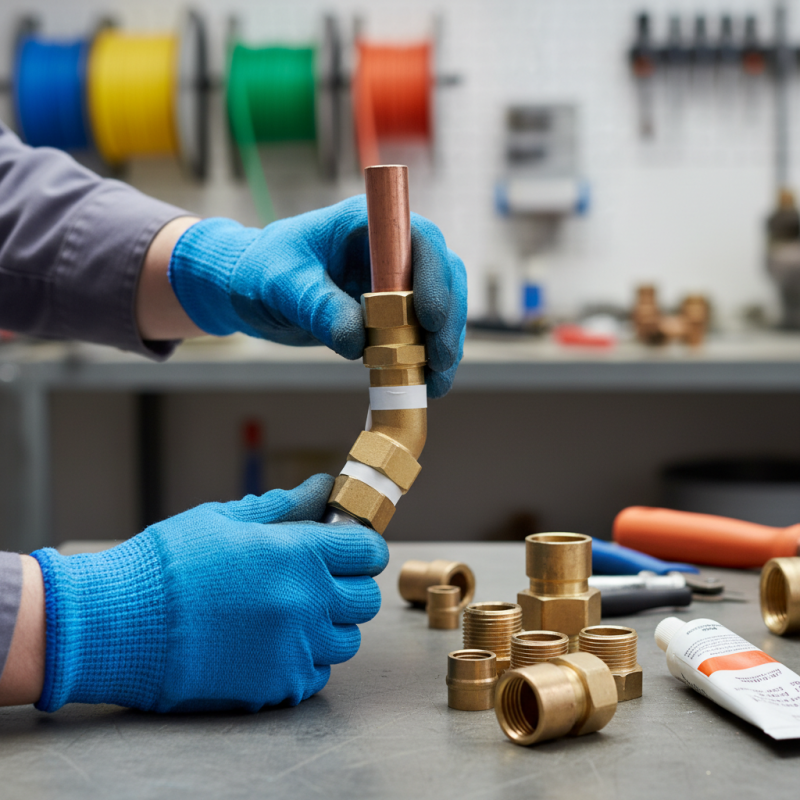
Leakage in pipe connections can lead to significant water damage. Understanding the common causes of these leaks is essential for effective prevention. Often, improper installation tops the list.
Loose fittings can create gaps, allowing water to escape. Even small misalignments can exacerbate the problem. It’s crucial to ensure that all connections are tightly sealed.
Another common cause is wear and tear over time. Old pipes or connectors may corrode or crack, resulting in leaks. Regular inspections can help identify these issues early. Paying attention to signs like moisture or water stains is important. It’s also vital to consider temperature changes. Extreme heat or cold can cause pipes to expand or contract, leading to potential leaks.
Environmental factors play a role as well. Ground movement can affect pipe alignments, causing unintended stress. Soil erosion is another hidden danger. A proactive approach includes choosing the right materials according to environmental conditions. While it's easy to overlook these aspects, taking time to assess your piping systems can save you from costly repairs later on. Recognizing these risks is the first step toward durable and leak-free connections.
When it comes to preventing leakage in pipe connections, choosing the right materials is crucial. The material you select influences the integrity and longevity of the entire system. For instance, a recent report from the American Society of Civil Engineers indicates that leaks in pipelines can result in losses exceeding $7 billion annually. This highlights the importance of using materials that can withstand environmental pressures.
Metals like stainless steel or copper are often recommended for their durability and resistance to corrosion. In situations with high pressure or extreme temperatures, these materials excel. Conversely, plastic piping, while cheaper, may not offer the same longevity in such environments. A study from the Plastics Pipe Institute noted that while many modern plastics can handle certain stressors, they may degrade more quickly in harsh conditions. Misjudging the requirements of your application can lead to costly leaks down the line.
It's worth noting that even the best materials can fail if not properly installed. A survey by the National Association of Corrosion Engineers found that nearly 30% of all leaks result from installation errors rather than material failure. Thus, understanding both material properties and installation techniques is essential for overall system reliability.
| Tip Number | Tip | Description | Recommended Material |
|---|---|---|---|
| 1 | Select Quality Pipes | Use pipes made of high-quality materials that are resistant to corrosion. | PVC, CPVC |
| 2 | Properly Align Connections | Ensure that all fittings and pipes are aligned correctly to avoid stress. | Stainless Steel |
| 3 | Use Appropriate Sealants | Select sealants that suit the type of materials being joined. | PTFE tape, Thread sealant |
| 4 | Regularly Inspect Connections | Routine checks can identify potential leaks before they become serious. | N/A |
| 5 | Use the Right Fittings | Ensure that fittings match the pipe type to maintain integrity. | Copper, Brass |
| 6 | Maintain Proper Pressure | Avoid excessive pressure that might stress pipe connections. | N/A |
| 7 | Consider Temperature Effects | Select materials that can withstand temperature fluctuations. | HDPE, PEX |
| 8 | Install Expansion Joints | Allow for thermal expansion in piping systems to prevent damage. | N/A |
| 9 | Follow Manufacturer Installation Guidelines | Adhere to procedural instructions provided to ensure integrity. | N/A |
| 10 | Train Personnel | Ensure that those working with pipe connections are well-trained. | N/A |
Proper installation techniques are essential to prevent leaks in pipe connections. Industry studies suggest that improperly installed pipes account for nearly 30% of all plumbing failures. Following best practices can significantly reduce this risk.
Start by ensuring all surfaces are clean and free from debris. Dirt can compromise seals and lead to leakage over time. Use high-quality sealants to enhance the durability of joints. According to the American Society of Civil Engineers, regular maintenance can extend the life of pipes by 40%.
Remember, tightening fittings too much can also cause damage. Use the correct torque specifications for each connection, as over-tightening can crack fittings. Consider using a torque wrench to avoid mistakes. A keen understanding of installation techniques, along with proper tools, can lead to robust and leak-free connections. Focus on getting it right the first time to save costs and prevent future work.
Regular maintenance practices are crucial for ensuring the integrity of pipe connections. Regular inspections help identify potential leaks before they become significant issues. Look for signs of corrosion, wear, or loose fittings. These are often early indicators of trouble. Addressing these problems promptly can save time and costly repairs.
Another essential practice is to schedule periodic testing of your pipe systems. Pressure tests can reveal weaknesses that visual inspections may overlook. It is also vital to clean the joints and fittings regularly. Dirt and debris can lead to corrosion or misalignment, which often result in leaks. Using the right cleaning agents will enhance the longevity of your pipes.
Documentation of maintenance activities is important. Keeping track of repairs and inspections creates a reliable history of your pipe systems. This practice can inform you about potential recurring issues. Be aware that even with regular care, unexpected problems can arise. The key is to stay vigilant and proactive.
Early detection of leakage in pipe connections is crucial. Small droplets can quickly escalate into significant problems. Visual inspections of joints and fittings may reveal early signs. Look for discoloration, corrosion, or damp spots around connections. Regular maintenance is key in preventing leaks.
Your senses can be your best tools. Listen for hissing sounds, which may indicate air escaping. Feel for moisture along the pipes or joints. A lack of these signs does not guarantee safety. Sometimes, leaks can be subtle and hidden from plain sight. It’s wise to remain vigilant even in seemingly perfect conditions.
Employing a systematic approach can be helpful. Use a moisture meter to check hidden areas. Additionally, consider using dye testing to identify leaks in drainage systems. Remember, ignoring the small signs can lead to bigger issues later. Regular monitoring and maintenance ensure the longevity of your plumbing system. Even the most well-maintained connections can fail unexpectedly. Don't overlook the details; they may save you from a more extensive repair.
: The right materials prevent leaks and ensure long-lasting systems. Poor choices can lead to costly issues.
Metals like stainless steel and copper are preferred for their durability and resistance in harsh environments.
Plastic piping is cheaper but may degrade faster under extreme conditions compared to metal options.
Nearly 30% of leaks result from installation errors, highlighting the need for proper techniques and practices.
Clean surfaces thoroughly, use high-quality sealants, and follow correct torque specifications to avoid leaks.
Look for discoloration, damp spots, or listen for hissing sounds as these can indicate potential leaks.
Yes, routine checks can extend pipe life by up to 40%, reducing the risk of leaks significantly.
A moisture meter and dye testing can effectively identify hidden leaks in plumbing systems.
Yes, over-tightening can crack fittings. It’s crucial to use the correct torque specs for safe connections.
Yes, hidden leaks can occur. Regular monitoring is vital as problems can escalate even when everything seems fine.
In the pursuit of understanding how to prevent leakage in pipe connections, it is crucial to first recognize the common causes that lead to such issues. This includes factors such as poor material choice, improper installation, and lack of maintenance. Selecting appropriate materials designed for the specific conditions of the environment can greatly reduce the likelihood of leakage.
Furthermore, employing proper installation techniques, such as ensuring fittings are snug and using adequate sealing methods, is essential in achieving secure connections. Regular maintenance practices should not be overlooked, as they help in identifying early signs of leakage, allowing for timely repairs. Overall, a strategic approach encompassing these elements will significantly enhance the durability and reliability of pipe connections, effectively minimizing the risk of leaks.

ElvisCast Precision