Corrosion resistance is crucial for pipeline longevity. Over time, pipelines face harsh environments that can lead to deterioration. This raises an important question: what materials are best for corrosion resistance in pipelines?
Choosing the right materials can significantly influence the lifespan of a pipeline system. Corrosion can result in leaks, failures, and costly repairs. Therefore, understanding the best options is essential for industries that rely on pipelines. Various materials offer different levels of protection against corrosion. Some are widely used and proven, while others may not perform as expected.
A reliable material selection can minimize risks and enhance overall performance. It’s important to consider various factors, such as environment, cost, and material properties. Some materials may show good corrosion resistance but perform poorly under specific conditions. The challenge lies in finding a balance between cost-effectiveness and durability. Ultimately, the right choice can lead to safer and more efficient operations in the long run.
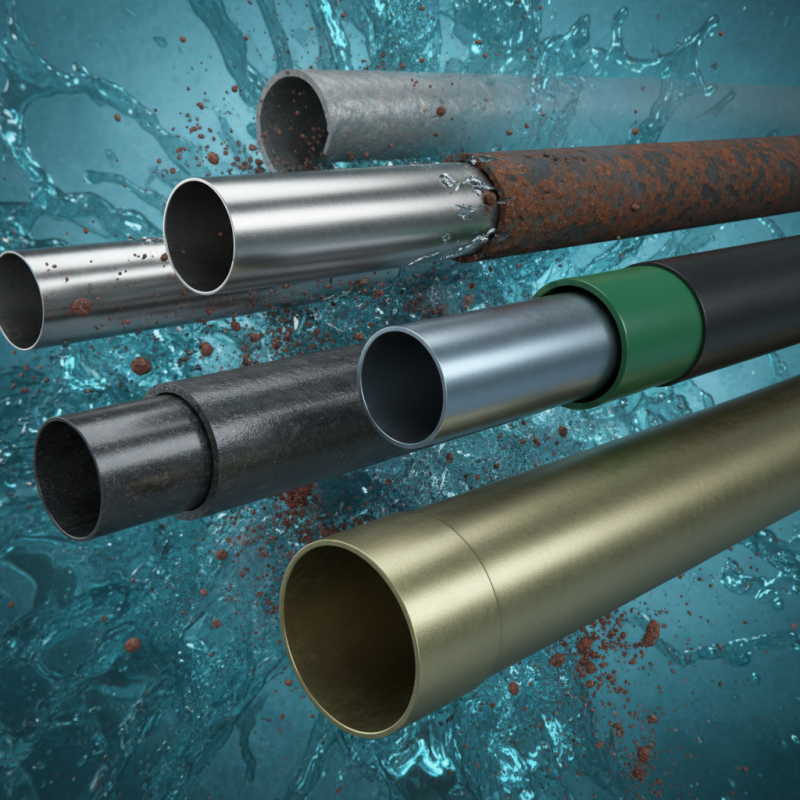
Corrosion in pipelines is a significant concern for industries transporting fluids. According to a report from the National Association of Corrosion Engineers, corrosion costs the global economy approximately $2.5 trillion annually. This highlights the need for effective materials to combat degradation.
Pipelines are often exposed to harsh environments. Factors such as moisture, temperature fluctuations, and chemical exposure can accelerate corrosion processes. Studies indicate that 30% of pipeline failures are due to corrosion-related issues. Emerging technologies aim to predict corrosion patterns, yet implementation is inconsistent across sectors.
Choosing the right materials is critical. Advanced alloys or coatings can significantly lengthen service life and reduce maintenance costs. However, many industries still rely on traditional materials. This approach may save money upfront but can lead to higher long-term costs due to repairs and replacements. Recognizing these dynamics is essential for developing effective corrosion management strategies.
When selecting materials for corrosion resistance in pipelines, several factors influence the decision. Environmental conditions play a crucial role. For instance, exposure to chemicals or saline environments can accelerate corrosion. The temperature and pressure also affect how materials perform over time. Understanding these conditions helps in choosing the right material that can endure such stresses.
Another consideration is the mechanical properties of the material. Toughness, ductility, and strength determine how well a material can withstand external forces. For instance, a brittle material may fail under pressure. Additionally, the cost and availability of materials must be evaluated. Some high-performance materials may offer superior resistance but could be cost-prohibitive.
**Tip:** Regular inspections can help identify early signs of corrosion. Proactive maintenance can save costs in the long run.
**Tip:** Always consider the long-term implications of material choice. Investing in better materials may reduce the need for frequent replacements.
Balancing these factors can be challenging. Sometimes a highly resistant material might not align with budget constraints. It’s essential to reflect on these trade-offs for optimal pipeline performance.
Corrosion resistance is crucial in pipeline materials. Several materials stand out for their durability and performance.
Stainless steel is a popular choice. It resists rust and oxidation well. Its structural integrity allows pipelines to handle high pressures and temperatures.
Another effective option is carbon steel with protective coatings. While not inherently resistant, these coatings can significantly enhance longevity.
However, their maintenance is essential to ensure continued protection against corrosive elements.
Copper alloys also provide excellent resistance. They form protective oxide layers, which reduces further corrosion. Yet, these materials can be costly and may require specialized welding techniques.
Each material has its pros and cons. Understanding these aspects is vital for maintaining pipeline integrity.
Pipelines are essential in transporting fluids. The choice of materials significantly impacts their longevity and reliability. Stainless steel stands out for its corrosion resistance. According to the Corrosion Technology Association, it can increase a pipeline's lifespan by 50%. This material's ability to withstand harsh environments makes it a preferred choice for many industries.
Another effective material is high-density polyethylene (HDPE). It is lightweight yet strong, which reduces installation costs. Studies show that HDPE pipelines have a lower failure rate compared to traditional materials. Additionally, their smooth surface minimizes friction losses, enhancing system efficiency. However, HDPE may not handle high-temperature applications as effectively as others.
Finally, carbon steel with protective coatings offers an economical solution. Properly coated carbon steel can withstand corrosion in various environments, extending service life significantly. Reports reveal that effective coating methods can reduce maintenance costs by up to 40%. Nonetheless, the effectiveness of coatings can be inconsistent, necessitating regular inspections. These nuances highlight the importance of selecting the right material for specific applications in pipeline infrastructure.
| Material | Applications | Benefits |
|---|---|---|
| Stainless Steel | Oil and gas, food processing | High resistance to oxidation and rust, long lifespan |
| PVC (Polyvinyl Chloride) | Water transport, chemical handling | Lightweight, corrosion-resistant, low cost |
| HDPE (High-Density Polyethylene) | Water, wastewater, and gas pipelines | Excellent corrosion resistance and flexibility, long-lasting |
| Copper | Drinking water, heating systems | Natural antimicrobial properties, withstands extreme temperatures |
| Carbon Steel with Coatings | Oil and gas transmission, structural applications | Cost-effective, can be coated for enhanced corrosion resistance |
As the demand for efficient and durable pipelines grows, the focus on corrosion-resistant materials intensifies. Engineers and researchers aim to develop advanced materials that can withstand harsh environments. The future of pipeline materials centers on innovations that enhance durability while reducing costs.
One promising trend is the use of composite materials. These materials combine the strengths of metals and polymers. They offer unique benefits, such as lighter weight and improved chemical resistance. However, more research is needed to understand their long-term performance in extreme conditions. Another area of interest is the application of nanotechnology. By infusing materials with nanoparticles, we can create surfaces that resist corrosion more effectively. The potential is significant, but scalability remains a challenge.
Another noteworthy trend involves bio-inspired designs. Nature has evolved incredible solutions to combat corrosion. For instance, surfaces inspired by lotus leaves can repel water and minimize build-up. While these designs are fascinating, their practical application in pipelines requires further exploration. Industries must be vigilant. Balancing innovation with real-world applications poses a unique challenge. Continuous testing and adaptation are essential for success in this evolving field.
: Corrosion is a significant concern for industries that transport fluids through pipelines.
Corrosion costs approximately $2.5 trillion each year.
Moisture, temperature fluctuations, and chemical exposure can speed up corrosion processes.
About 30% of pipeline failures are related to corrosion issues.
Choosing the right material can prolong service life and reduce long-term maintenance costs.
Many industries still rely on traditional materials. This can lead to higher long-term costs.
It resists rust and oxidation and can handle high pressures and temperatures effectively.
HDPE is lightweight and strong, which reduces installation costs and has a lower failure rate.
Maintenance is essential to ensure continued protection against corrosive elements.
Regular inspections are necessary due to the inconsistency in coating effectiveness.
Corrosion is a significant challenge in the maintenance and longevity of pipelines, impacting safety and operational efficiency. In understanding what materials are best for corrosion resistance in pipelines, it is essential to consider various factors influencing material selection, including environmental conditions and the nature of the transported substances.
This article outlines the top five materials known for their corrosion-resistant properties, such as stainless steel, plastic composites, and others suited for pipeline applications. Each material's unique benefits and applications are discussed, highlighting their effectiveness in preventing corrosion-related damage. As pipeline technology evolves, future trends in material development aim to enhance corrosion resistance further, ensuring safer and more reliable infrastructure.

ElvisCast Precision