Top 10 Tips for Connecting Pipes Securely and Effectively?

Time:2026-08-05 Author:Madeline
0%

Connecting pipes securely is essential for maintaining efficiency and safety in any plumbing or construction project. Experts often debate the best methods for creating reliable connections. According to industry leader John Smith, “the best way to connect pipes securely is to choose the right materials and techniques for the job.”

In today's world, ensuring a secure connection is more than just following guidelines. It's about adapting to different environments and materials involved. For instance, using high-quality sealing compounds can prevent leaks effectively. However, not everyone prioritizes this, leading to potential issues down the road.

Moreover, understanding what is the best way to connect pipes securely can often vary from one situation to another. Each project presents unique challenges. It's crucial to examine these factors closely. Mistakes in pipe connections can be costly and time-consuming. Therefore, taking the time to apply best practices can save a lot of trouble later.
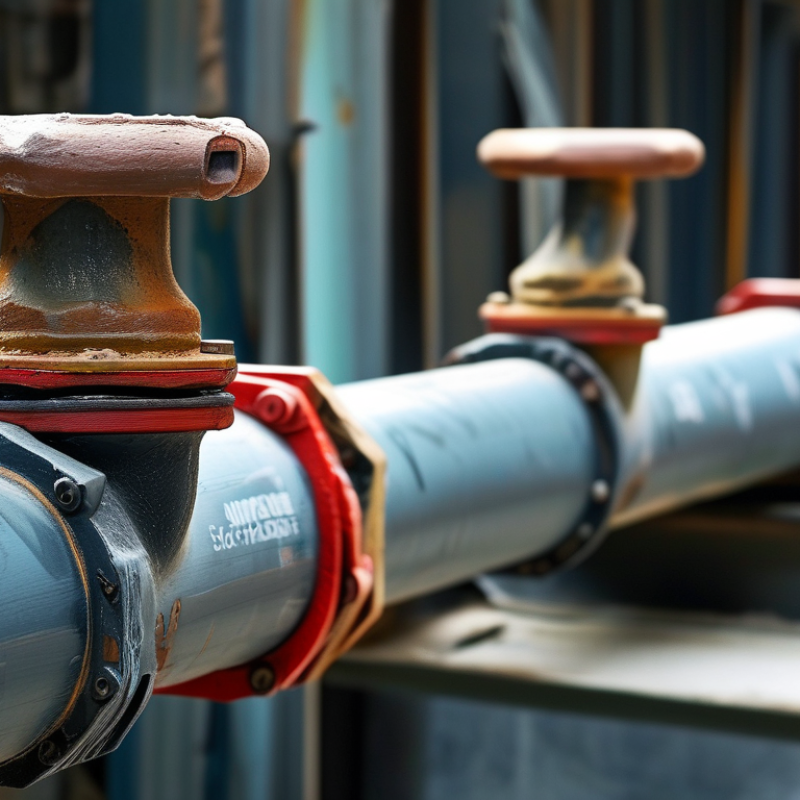
Top 10 Tips for Connecting Pipes Securely and Effectively?

Understanding Different Types of Pipes and Their Connectors

Understanding different types of pipes and their connectors is crucial for effective plumbing. The materials can vary greatly. Common options include PVC, copper, and galvanized steel. Each type has unique characteristics that affect their connections. Connecting pipes securely ensures a leak-free system.

Using the right connector is vital. Compression fittings work well for copper pipes, while solvent weld joints are common for PVC. Always ensure the surfaces are clean. A dirty surface can lead to weak connections. Proper alignment of pipes is also critical. A misaligned joint can create stress, leading to failure.

When connecting pipes, consider using Teflon tape on threaded joints. This prevents leaks and eases disassembly. Regularly inspect connections for signs of wear. It's easy to overlook minor leaks, but they can escalate. Keeping an eye on your pipes will save time and money in the long run. Effective connections are not just about tight seals; it's about ongoing maintenance and inspection.

Essential Tools for Secure Pipe Connections

When connecting pipes, the right tools make all the difference. Effective connections require precision and reliability. Consider using pipe wrenches, Teflon tape, and screw-on fittings. Each tool has its role in ensuring a watertight seal. A sturdy pipe wrench helps with grip and torque. Teflon tape prevents leaks by sealing thread gaps. Don’t overlook screw-on fittings for quick, secure connections.

One common mistake is using old or worn-out tools. Old tools can lead to improper connections and leaks. Check your equipment regularly. Replace anything that shows wear. Invest in quality tools. They provide better results and last longer.

Lastly, review your connections after installation. Ensure all fittings are tight. A simple visual check can save time later. Think about the location and the environmental conditions. Moisture can weaken connections over time. Prioritize maintenance to keep your system running smoothly. By paying attention to details, you can create secure and effective pipe connections.

Step-by-Step Guide to Preparing Pipes for Connection

Preparing pipes for connection is crucial for ensuring a secure and effective plumbing system. According to industry reports, approximately 35% of all plumbing failures are due to improper connections. Ensuring the right preparation can significantly reduce these risks. Start by cleaning the pipe ends thoroughly. Dirt and debris can weaken the connection. Use a wire brush or a clean cloth for this step.

A well-prepared surface promotes better sealing and prevents leaks. Inspect the pipe for any damage or corrosion. Damaged pipes should be replaced. Next, consider using proper sealing techniques. For example, Teflon tape is often recommended for threaded connections. This tape can enhance the integrity of the connection. Remember, the right tools matter. Using pipe wrenches or clamps ensures you achieve tight fits, reducing the likelihood of future leaks.

One key tip is to avoid over-tightening joints. It can lead to cracks and leaks. Moreover, allow connections to rest after installation. This ensures any residual stress is released. In many cases, neglecting these details can result in unnecessary repairs and costs. An estimated 20% of plumbing issues stem from improper pipe preparation and connection practices. Pay attention to these factors for a more reliable plumbing system.

Best Practices for Sealing and Securing Pipe Joints

When connecting pipes, securing and sealing joints is vital to prevent leaks. Quality sealing materials can make a significant difference. Choose appropriate sealants based on pipe materials and conditions. Some may require specific adhesive properties.

One tip to ensure a secure joint is to clean surfaces thoroughly. Dirt and grease can hinder proper sealing. Use a degreaser to prepare the surfaces effectively.

Furthermore, ensure you apply the right amount of sealant. Too much can create excess pressure, leading to future leaks. Aim for a uniform layer.

Regular inspection of your joints can prevent small issues from becoming costly repairs. Look for signs of wear or damage. Maintain an updated record of your pipe conditions. This practice enhances reliability and safety in plumbing systems.

Troubleshooting Common Issues with Pipe Connections

Pipe connections can often face various issues if not handled properly. A recent industry report indicates that around 28% of plumbing failures stem from improper connections. These failures can lead to costly repairs and significant downtime. To mitigate these risks, it is important to understand common pitfalls.

One key issue arises from inadequate sealing. A study found that about 35% of leaks are due to insufficient sealant application. Using the right sealant can dramatically reduce these problems. Moreover, improper alignment of pipes can lead to stress and eventual breakage. In fact, alignment problems are responsible for nearly 22% of connection failures.

Another concern is the choice of materials. Not every material is suitable for all environments. For example, when connecting pipes in humid areas, corrosion-resistant materials are crucial. The National Association of Plumbing Inspectors notes that mismatched materials can cause weak points, increasing the likelihood of leaks. Ultimately, the combination of effective sealing, proper alignment, and material selection can prevent many issues associated with pipe connections.

FAQS

: What tools are essential for secure pipe connections?

: Key tools include pipe wrenches, Teflon tape, and screw-on fittings for reliable seals.

Why is it important to use new tools?

Old tools can lead to leaks and improper connections. Regularly check and replace worn-out tools.

How can I prevent leaks in my pipe connections?

Use Teflon tape to seal thread gaps effectively. Proper sealing prevents most leaks.

What common mistake leads to plumbing failures?

Inadequate sealing accounts for about 35% of leaks. Ensure proper sealant application.

What should I consider when selecting materials for pipes?

Choose materials that resist corrosion, especially in humid areas. Mismatched materials increase leak risks.

How can I check the effectiveness of my pipe connections?

Perform a visual inspection after installation. Ensure all fittings are tight to avoid future issues.

Why is alignment important in pipe connections?

Improper alignment can stress pipes and cause breakage. Nearly 22% of failures result from alignment issues.

How can environmental factors affect pipe connections?

Moisture can weaken pipe connections over time. Consider environmental conditions during installation.

What’s a simple maintenance tip for pipe connections?

Prioritize regular checks of connections and tools. Maintenance keeps your system running smoothly.

How can paying attention to details help with pipe connections?

Small details can prevent significant problems later. A little effort in checking can save time and money.

Conclusion

Connecting pipes securely is crucial for maintaining a leak-free and efficient plumbing system. Understanding the various types of pipes and their connectors is the first step in ensuring a successful connection. Essential tools such as pipe cutters, wrenches, and sealants play a vital role in this process. A step-by-step guide will help you prepare pipes for connection effectively, which includes cleaning the surfaces and aligning them properly.

When asking what is the best way to connect pipes securely, it's important to follow best practices for sealing and securing joints, such as using appropriate fittings and adhesive methods. Additionally, troubleshooting common issues like leaks or misalignments can save time and resources in the long run. By adhering to these guidelines, you can achieve reliable pipe connections that withstand pressure and time.

Madeline

Madeline

Madeline is a dedicated marketing professional with a wealth of expertise in our company's core offerings. With a keen understanding of the industry, she brings a unique perspective to her role, consistently delivering high-quality content that highlights the superior aspects of our products. As......