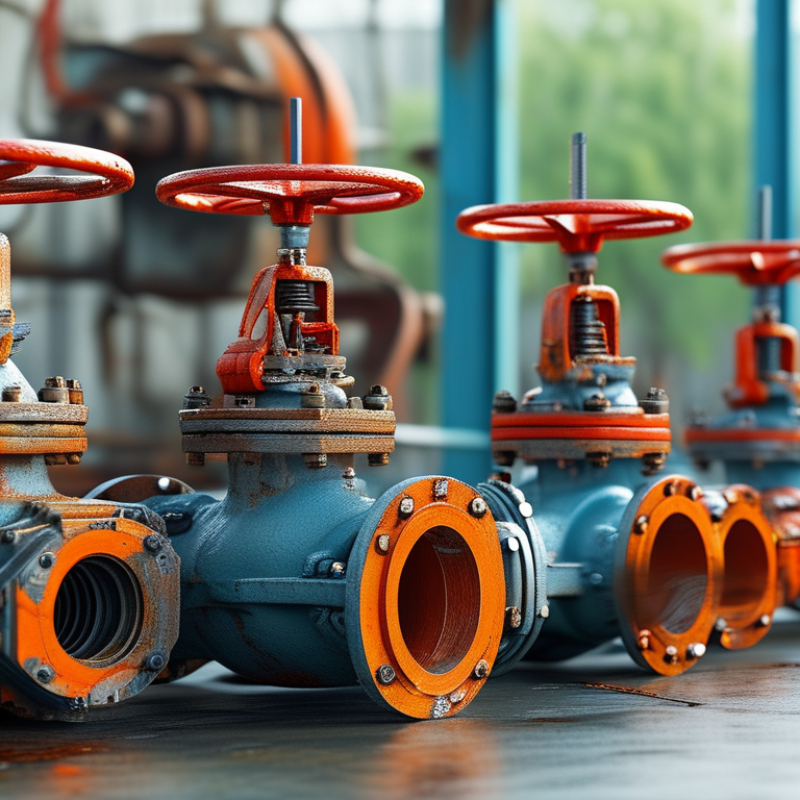
Valves play a crucial role in various systems, controlling the flow of fluids and gases. However, they are prone to failure, leading to significant operational issues. Understanding what causes valve failure and how to avoid it is essential for maintaining system integrity.
Common factors like corrosion, improper installation, and wear can lead to unexpected valve failure. Corrosion can weaken valve materials, while installation errors can misalign components. In addition, frequent use can cause wear and tear over time.
To mitigate these risks, regular maintenance and monitoring are key. Implementing preventive measures can help in identifying potential issues before they escalate. Such proactive approaches not only extend the lifespan of valves but also ensure efficient operation. Investing in quality components and expert installation is equally important. Taking these steps can enhance reliability and save costs in the long run.
Top Causes of Valve Failure in Industrial Applications
In industrial applications, valve failure often leads to significant operational downtime and safety hazards. The most common causes include erosion, corrosion, and mechanical wear. According to a report by the American Society of Mechanical Engineers (ASME), about 25% of all industrial valve failures result from these factors. Understanding how these issues develop can help operations managers take preventive measures.
Erosion occurs when high-velocity fluids interact with valve surfaces. It gradually wears down the material, leading to leaks. Corrosion can attack metallic components, especially in harsh environments with chemicals present. A study from the National Association of Corrosion Engineers (NACE) states that corrosion alone accounts for roughly $276 billion in losses annually in the U.S. industry. Proper material selection and regular inspections are vital for mitigating these risks.
Regular maintenance is crucial, though not always prioritized. Some facilities overlook the need for routine checks, leading to unexpected failures. Employees may lack training in valve maintenance. Investing in staff training and following industry benchmarks can significantly reduce the risk. The goal is to enhance reliability and safety while minimizing unnecessary operational costs.
Common Materials and Their Impact on Valve Performance
Valve performance is significantly influenced by the materials used in their construction. Common materials like stainless steel, brass, and plastic each have unique properties that affect durability and functionality. According to the Valve Manufacturers Association, approximately 30% of valve failures can be traced back to material degradation. This is often due to corrosion, erosion, or improper material selection for the application.
High-performance materials, such as duplex stainless steels, can withstand harsh environments. They offer better resistance to stress corrosion cracking. However, their higher cost and complexity may lead to misjudgments when specifying valves. A 2022 report indicated that over 40% of engineers admitted to choosing lower-cost materials, risking reliability.
Furthermore, even within the same material type, variations in manufacturing processes can lead to inconsistencies. Heat treatment and surface finishes are crucial factors. Studies show that improper processing can reduce a material's lifespan by up to 50%. Attention to these details is essential to ensure optimal valve performance and reliability in critical applications.
Top Causes of Valve Failure and How to Prevent It
| Cause of Failure |
Common Materials Affected |
Impact on Performance |
Prevention Method |
| Corrosion |
Steel, Iron |
Leakage, Reduced Strength |
Use corrosion-resistant materials or coatings |
| Wear and Tear |
Bronze, Stainless Steel |
Increased friction, sticking |
Regular maintenance and inspections |
| Thermal Expansion |
Plastic, Rubber |
Seal failure, distortion |
Use materials with high thermal resistance |
| Improper Installation |
All materials |
Misalignment, operational failure |
Follow manufacturer instructions and employ trained personnel |
| Chemical Exposure |
Plastic, Rubber, Certain Metals |
Material degradation, loss of integrity |
Choose compatible materials for the specific chemicals |
Statistical Analysis of Valve Failure Rates in Various Industries
Statistical analysis reveals significant insights into valve failure rates across different industries. Research shows that the oil and gas sector leads in failure rates, often exceeding 15%. This can be attributed to harsh operational environments and high-pressure conditions. The chemical industry follows closely, with failure rates around 10%. Here, the corrosive nature of materials and thermal stress play critical roles.
In the water management sector, valves also face frequent issues, with failure rates hitting 8%. Aging infrastructure and lack of maintenance contribute to these challenges. Additionally, in manufacturing, the rate can soar to 12% due to poor installation practices. These statistics highlight the need for improved monitoring systems and proactive maintenance strategies.
Approaches like real-time data analysis and regular inspection can help mitigate risks. However, many organizations still struggle with consistent implementation. Investing in quality materials can reduce failures, yet it is often overlooked. Analyzing these statistics not only sheds light on current issues but also emphasizes the need for continuous improvement in valve management practices.
Preventive Maintenance Strategies to Extend Valve Life
Preventive maintenance is crucial for extending valve life and ensuring system reliability. Regular inspections help identify potential issues early. Check for leaks, wear, or corrosion. These signs may indicate deeper problems. Keeping a detailed log of maintenance activities can also provide valuable insights into the valve's performance over time.
Another effective strategy is to implement preventive lubrication practices. Proper lubrication reduces friction and wear, which are common causes of valve failure. Use the right type of lubricant, as excessive or inadequate lubrication can lead to more harm than good. Training staff on proper maintenance techniques is essential. A knowledgeable team can make a significant difference in valve longevity.
Finally, consider environmental factors. High temperatures, aggressive media, and pressure fluctuations can accelerate valve wear. Evaluating the operational environment allows for better materials selection and design choices. Regularly revisiting maintenance plans is important. What worked last year may not be sufficient now. Always strive for improvement.
Emerging Technologies for Monitoring Valve Health and Performance
Emerging technologies are crucial for monitoring valve health and performance. The increasing complexity of industrial systems makes traditional monitoring insufficient. A study from the International Journal of Pressure Vessels and Piping reported that 30% of valve failures could be predicted with advanced monitoring systems. These technologies include machine learning algorithms, IoT sensors, and digital twins.
IoT sensors provide real-time data on valve conditions. They can track parameters like temperature, pressure, and flow rates. This data helps operators identify issues before they lead to failures. A 2022 report by the American Society of Mechanical Engineers indicated that proactive maintenance can reduce unplanned downtime by up to 50%.
Tip: Regularly calibrate your monitoring devices to ensure accurate readings.
Machine learning models analyze historical data to predict valve performance. These models learn patterns that lead to failures, allowing for timely interventions. However, challenges remain. Not all organizations adopt these technologies due to cost or complexity.
Tip: Start with pilot projects to test new technologies before wider implementation.
Investing in these emerging technologies not only enhances valve performance but also boosts overall system reliability. Statistics show that companies using advanced monitoring reduce maintenance costs by up to 40%. Transitioning to smart monitoring solutions is a step toward operational excellence.
Conclusion
Valves play a crucial role in industrial applications, but they are prone to various types of failures. Understanding what causes valve failure and how to avoid it is essential for maintaining operational efficiency. Common causes include material degradation, improper installation, and environmental factors, all of which significantly impact valve performance. A statistical analysis reveals that different industries experience varying failure rates, often due to unique operational conditions and materials used.
To mitigate these issues, implementing preventive maintenance strategies is vital. Regular inspections, timely repairs, and the use of advanced monitoring technologies can help track valve health and performance effectively. By staying ahead of potential failures, industries can prolong valve life and ensure smoother operations.

 ElvisCast Precision