Engineered to exceed international regulatory standards for high-pressure, chemical, and structural applications.
In the global industrial sector, high-tensile nuts, threaded fasteners, custom adapters, and precision connections represent the foundational integrity of critical infrastructure. Whether for deep-sea oil extraction, heavy automotive chassis, municipal water grids, or specialized chemical storage, the choice of components carries substantial operational weight. Historically, selecting a China nuts factory involved navigating complex trade parameters, understanding varying metal grades, and verifying quality metrics. Today, the convergence of automated CNC machining, advanced investment casting, and state-of-the-art metallurgical testing has transformed China's top foundries into leading global partners for high-specification engineering.
Navigating the complex regulatory landscape of international markets is essential for industrial engineering projects. Leading Chinese exporters adhere to rigorous structural compliance standards, including ASTM (American Society for Testing and Materials), DIN (Deutsches Institut für Normung), ASME, and EN directives. These standards ensure that threaded fasteners and precision connectors exhibit precise tolerances, certified chemistry, and guaranteed load ratings.
Furthermore, standardizing production according to ISO 9001:2015 and IATF 16949 (for automotive precision parts) allows tier-one manufacturers to provide complete Material Test Reports (MTR) according to EN 10204 3.1. This level of traceability is vital for aerospace, high-pressure piping, and subsea structures where material failure is not an option.
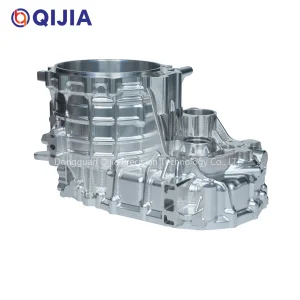
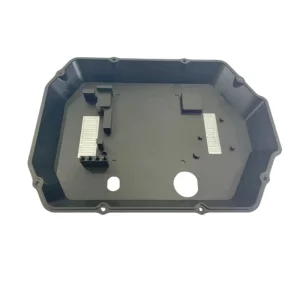
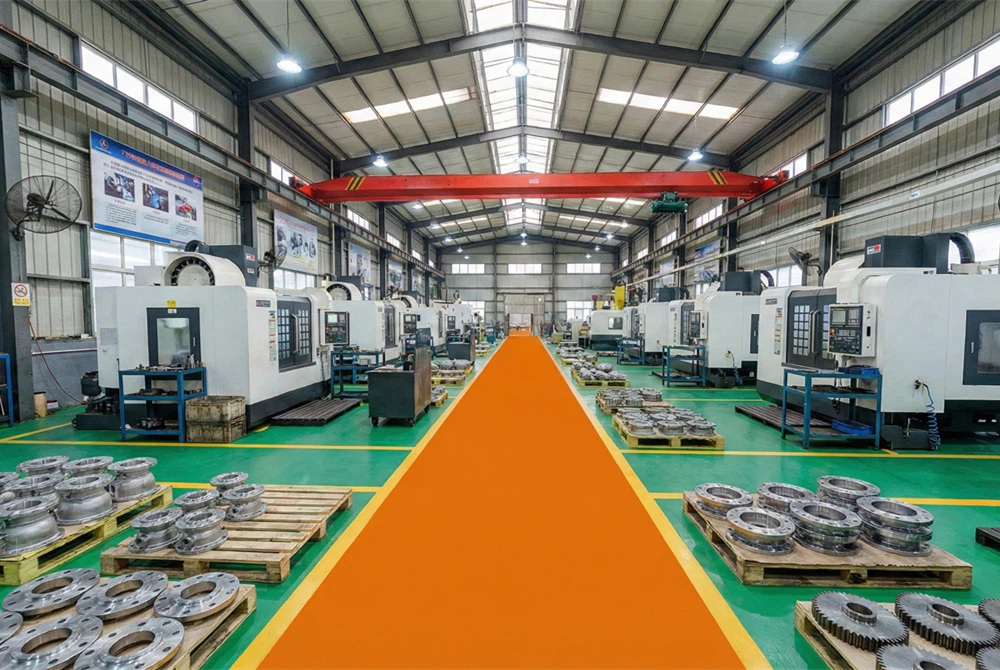
A major competitive advantage of Shanghai ElvisCast Precision Co., Ltd. is the seamless combination of precision investment casting and multi-axis CNC machining. In manufacturing, a raw casting is only as good as its final machined thread profile. By housing both operations under one roof, quality tolerances are controlled down to the micron level.
For custom nuts, heavy-duty connectors, and specialized valves, this integrated capability avoids thread misalignment, structural distortion, and surface micro-fissures. Modern computer-controlled CNC lathes and mill-turn centers ensure that thread pitches (UNC, UNF, NPT, and BSP) are cut with exceptional precision, preventing stripping during high-torque installations.
How regional clusters and technological upgrades position Chinese manufacturers as strategic long-term partners.
China's steel industrial complexes offer unparalleled access to varied high-grade metal alloys. Top factories source raw components directly from major certified mills, utilizing materials such as:
Leading foundries like Shanghai ElvisCast utilize integrated logistics systems. The proximity of Shanghai's deep-water port and international airports allows for quick cargo handling and direct routes to global markets.
Furthermore, major manufacturers offer dynamic buffer stock agreements (Kitting, KanBan, and JIT delivery) for repeat procurement runs. This approach significantly reduces the warehousing and inventory carrying costs for foreign OEMs and industrial distributors.
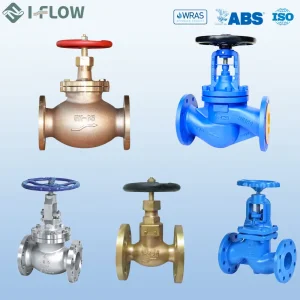
Shanghai ElvisCast Precision Co., Ltd. is a leading industrial valve and pipe fitting manufacturer, specializing in high-quality precision casting parts and OEM solutions for global industries. With a strong focus on advanced manufacturing technology and strict quality control, the company delivers reliable components widely used in oil & gas, chemical processing, water treatment, power generation, and general industrial applications.
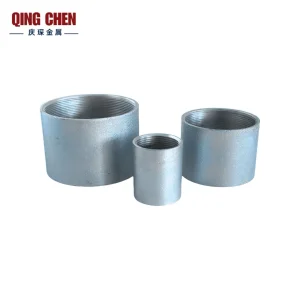
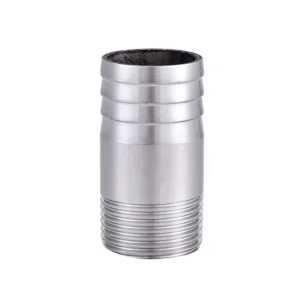
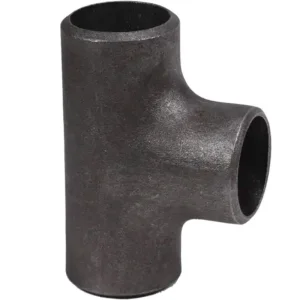
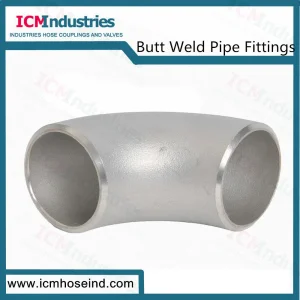
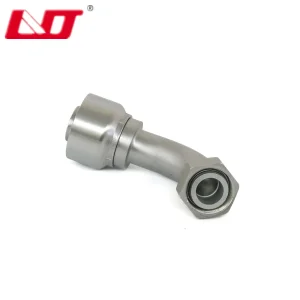
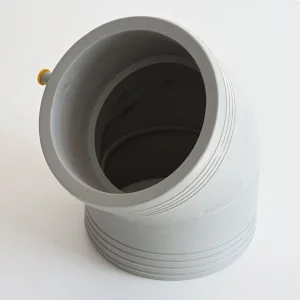
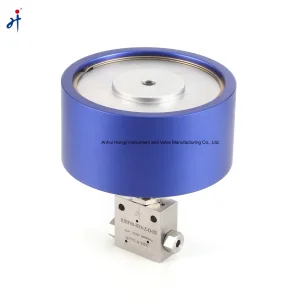
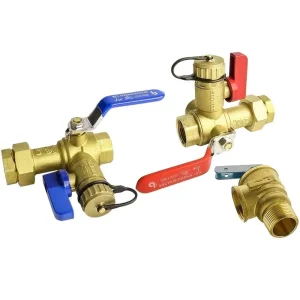
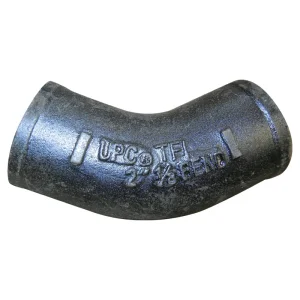
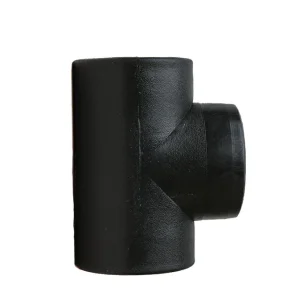
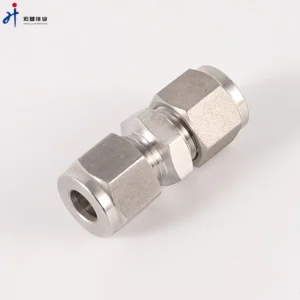
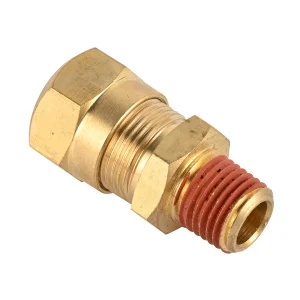
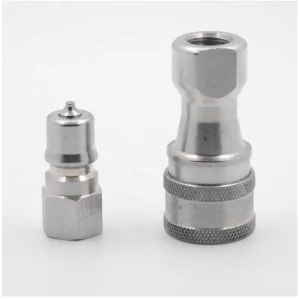
ElvisCast offers a comprehensive product range including ball valves, camlock couplings, stainless steel threaded pipe fittings, and customized precision casting parts. All products are manufactured using premium materials such as stainless steel, carbon steel, and alloy steel, ensuring excellent performance in high-pressure, high-temperature, and corrosive environments.
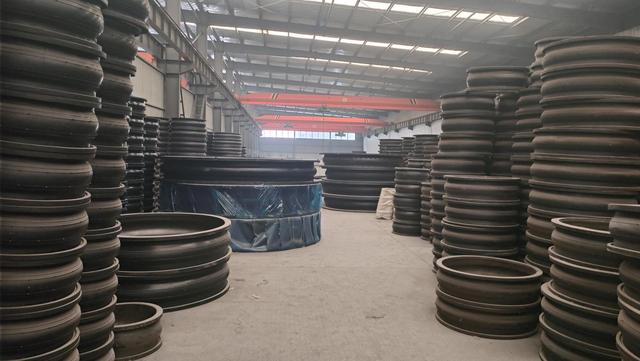
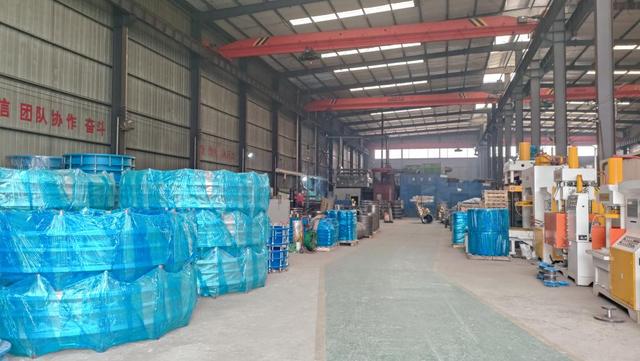
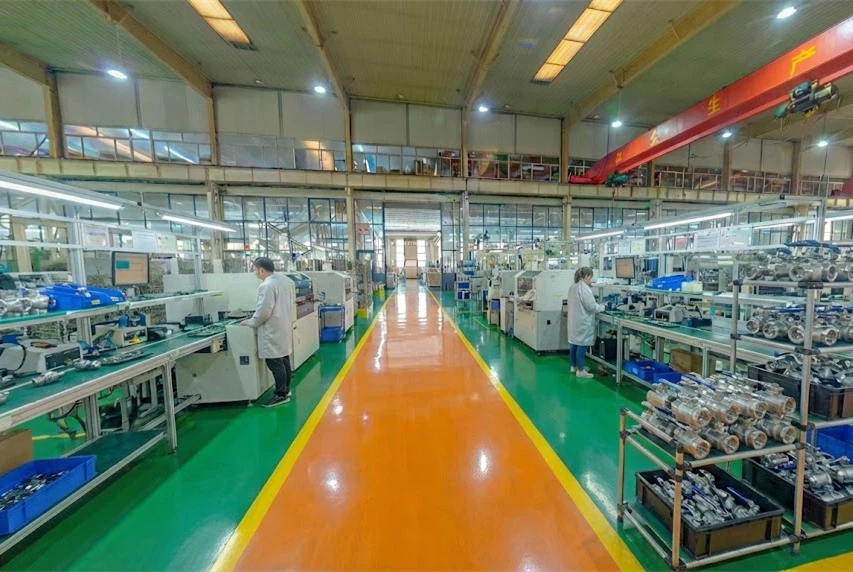
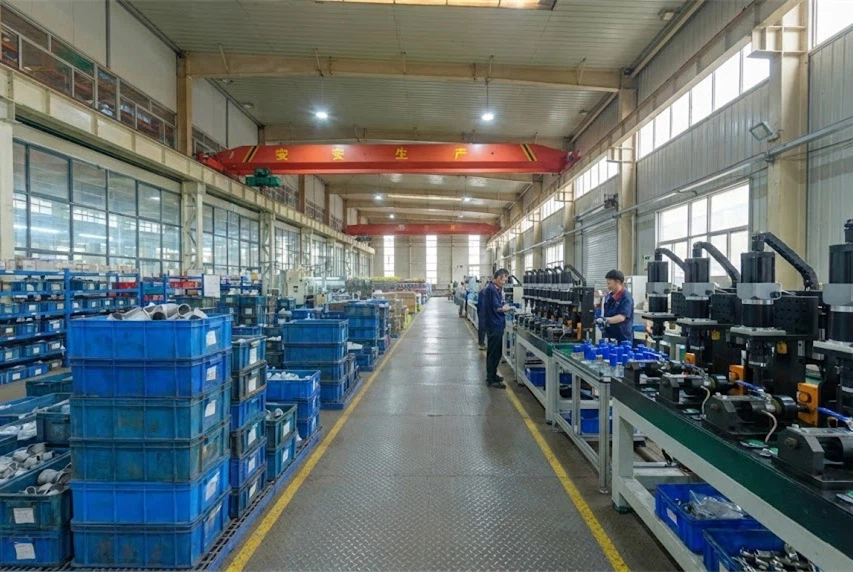
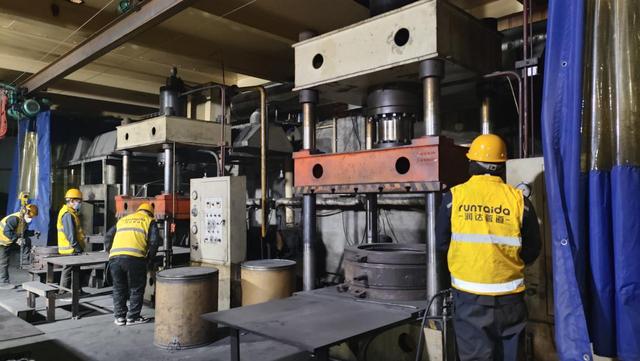
Equipped with modern investment casting lines, CNC machining centers, and complete inspection systems, the company guarantees high dimensional accuracy and consistent product quality. From mold design and casting to machining and surface treatment, ElvisCast provides fully integrated manufacturing services tailored to client specifications.
In addition to standard products, Shanghai ElvisCast Precision Co., Ltd. excels in OEM and ODM services, offering flexible customization in design, materials, and branding. Committed to innovation, efficiency, and customer satisfaction, the company continues to expand its global presence as a trusted partner for industrial valve, pipe fitting, and precision metal component solutions.

Understanding where high-precision fasteners and castings are used and the shifts driving the industry.
The global fasteners market is shifting toward smarter manufacturing. Environmental initiatives require foundries to utilize cleaner smelting technologies and implement strict waste recycling protocols. Furthermore, Industry 4.0 integrations are changing inspection methods.
Optical sorting machines and laser inspection systems are replacing manual checks, allowing manufacturers to achieve defect rates under 10 PPM (parts per million). Advanced surface treatments, such as zinc-nickel plating and Geomet coatings, are also replacing traditional hexavalent chromium coatings to align with environmental directives globally.
When selecting a manufacturing partner in China, structural calculations and raw engineering capabilities are critical. Ensure the foundry can provide the following technical validations:
Answers to technical and logistics questions regarding China fastener manufacturing and precision casting sourcing.
Designed for optimal flow control, mechanical security, and system longevity.
 ElvisCast Precision