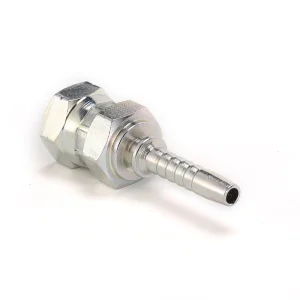
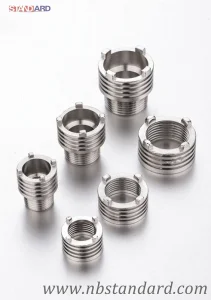
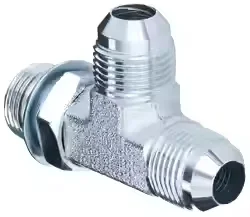
Premium flow control, connection components, and structural valves designed with precise groove specs for reliable ring sealing installation.
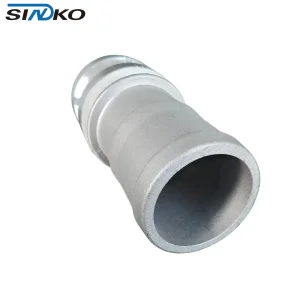
In modern industrial fluid networks, the performance of the system relies heavily on the weakest link: the interface connection. As a premier manufacturer in precision metal component design, Shanghai ElvisCast Precision Co., Ltd. serves as a world-class supplier of precision investment casting parts, high-durability valves, quick couplings, and critical industrial pipe fittings. Every industrial valve, flange connection, and camlock adapter demands optimized sealing surface engineering to ensure leak-free operation. By bridging metallurgy, advanced CNC tolerances, and elite rubber, elastomer, and metal-to-metal sealing ring designs, we deliver solutions that mitigate fugitive emissions and minimize downtime in harsh, high-pressure environments.
"ElvisCast stands at the intersection of metallurgy and sealing engineering. From standard dimensions to custom OEM components, our integration of lost wax casting, precision milling, and specialized material application enables fluid networks to withstand extreme operational stress."
Whether deploying NBR, Viton, EPDM, PTFE, or copper/steel sealing rings, our structural fittings align with strict industry protocols, including ASME B16.11, DIN, ANSI, and BS standards. Operating modern investment casting lines, 4-axis CNC machining centers, and comprehensive spectroscopic and pressure inspection systems, Shanghai ElvisCast guarantees dimensional accuracy and flawless sealing faces.
The global industrial sealing market is experiencing a massive transformation. Sealing rings—ranging from standard O-rings, back-up rings, and quad-rings to metallic ring joint gaskets (RTJ)—are the silent guardians of infrastructure. With the rapid expansion of the hydrogen economy, deepwater offshore oil extraction, and ultra-pure chemical processes, standard seal parameters are no longer sufficient. Modern operations require highly engineered polymeric and elastomeric systems that resist explosive decompression, extreme chemical attack, and temperature shifts from cryogenic thresholds up to over 1000°C.
In critical processing sectors, a minor failure in an elastomer sealing ring can result in catastrophic product loss, structural damage, and environmental non-compliance fines. Consequently, global procurement teams are shifting away from general trading houses and choosing integrated manufacturers like ElvisCast. Our ability to supply both the metallic housings (valves, fittings, couplings) and advise on the exact match of sealing rings ensures unified chemical compatibility, optimal sealing seat compression, and unmatched wear characteristics.
As industrial automation increases, several core paradigms dictate the development of sealing technology and precision fittings:
Carefully selecting elastomers like FKM/Viton, EPDM, and NBR, or metal alloys to withstand chemical degradation, thermal cycling, and pressure spikes.
Employing high-accuracy 4-axis CNC machining to cut sealing ring grooves down to 0.02mm tolerances, preventing seal slippage and blowout.
Every industrial valve and fitting undergoes hydrostatic and gas leakage verification to certify seal performance before shipment.
Sealing systems and high-precision casting components operate under diverse localized conditions across key sectors:
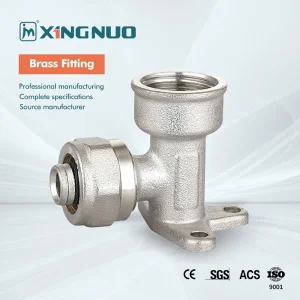
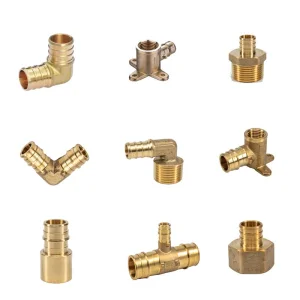
Municipal Water Supply & Plumbing: In residential and commercial drinking water distribution, lead-free brass fittings and CPVC components use safe, non-toxic EPDM sealing rings that resist chlorine degradation and prevent bio-film buildup.
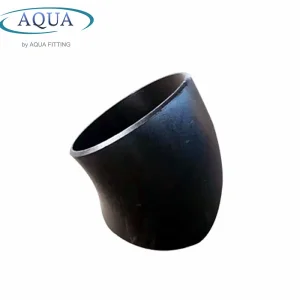
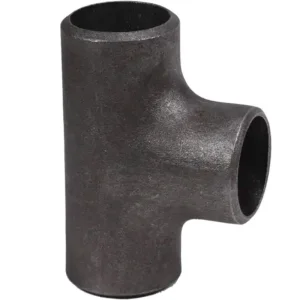
Petrochemical & Refineries: Volatile organic compounds (VOCs) and hot crude oil demand carbon steel butt-weld elbows and socket-weld fittings equipped with metal-to-metal sealing rings or high-performance Viton seals to withstand heat and chemical breakdown.
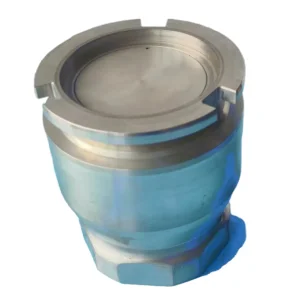
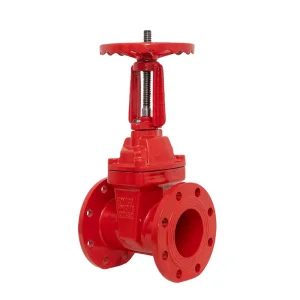
Fire Protection Systems: High-pressure networks rely on OS&Y rising stem gate valves and quick-disconnect couplings (such as Type E Camlocks) with FM/UL certifications, ensuring they seal instantly and reliably in emergencies.
| Sealing Material | Temperature Range | Pressure Rating | Primary Fluid Compatibility | Ideal Application |
|---|---|---|---|---|
| Nitrile (NBR) | -40°C to +120°C | Up to 250 Bar | Oils, Water, Hydraulic Fluids | Pneumatic & Hydraulic Systems |
| Fluorocarbon (FKM / Viton) | -20°C to +200°C | Up to 300 Bar | Acids, Fuels, Hydrocarbons | Petrochemical & Refinery Pipe Networks |
| EPDM | -50°C to +150°C | Up to 200 Bar | Steam, Water, Dilute Acids | Water Treatment & Municipal Plumbing |
| PTFE (Teflon) | -200°C to +250°C | Up to 400 Bar | Corrosive Chemicals, Solvents | Chemical Processing Equipment & Valves |
| Soft Metal (Copper / Lead-Free Brass) | Up to +500°C | Up to 700 Bar | High-Temp Steam, Gases, Hydrocarbons | High-Pressure Threaded Forged Fittings |
A high-performance sealing ring is only as effective as the surface it mates with. Even minor surface imperfections, pitting, or dimensional inaccuracies in the casting can create leakage paths that bypass the seal. At Shanghai ElvisCast Precision Co., Ltd., we control the entire manufacturing chain to prevent these issues.
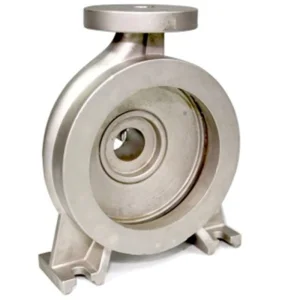
Our lost wax investment casting lines utilize premium grades of stainless steel (SS304, SS316), carbon steel (A105), and custom alloys. By maintaining strict control over the casting process, we eliminate internal porosity and surface pitting. Following casting, our CNC machining centers mill the components, ensuring sealing grooves and thread connections conform to tight tolerances.
A view into ElvisCast’s production workshops, machining stations, testing zones, and casting lines.
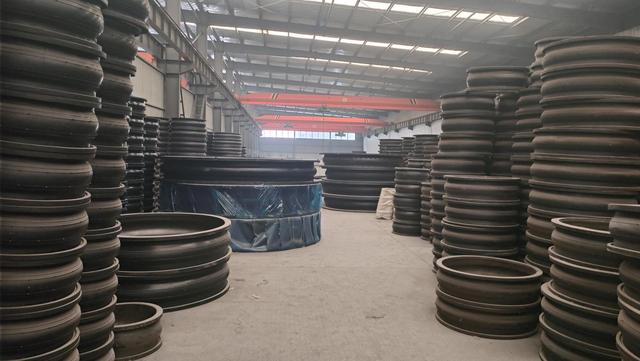

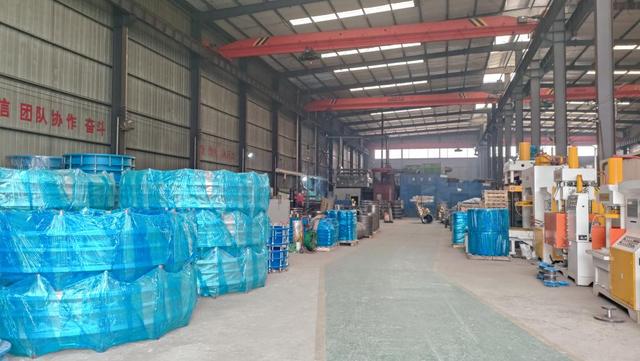
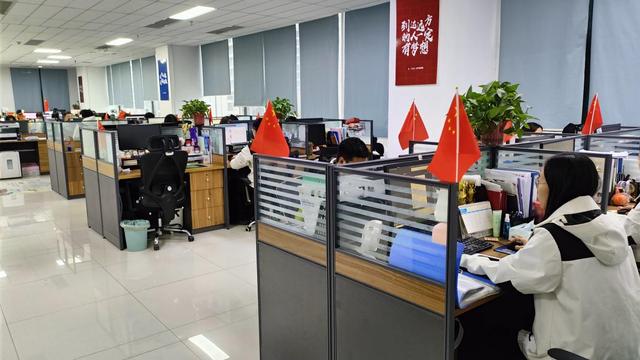

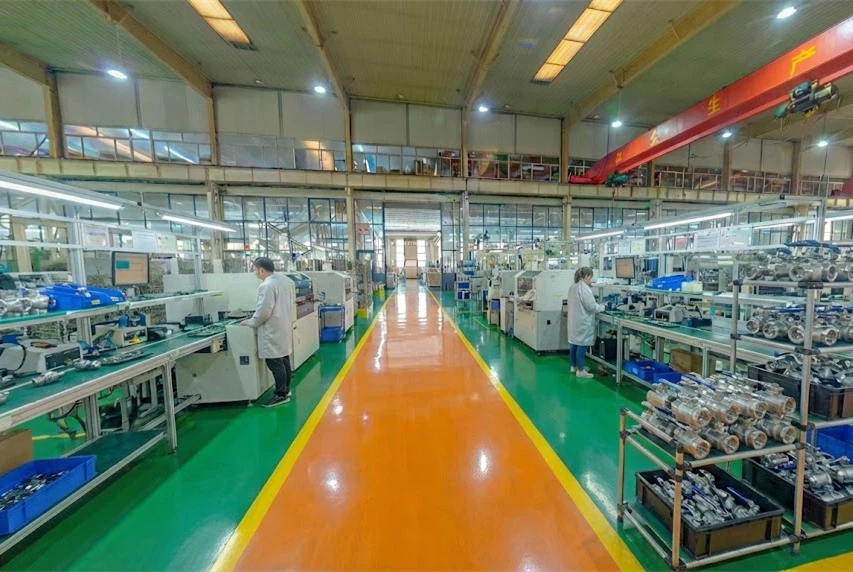
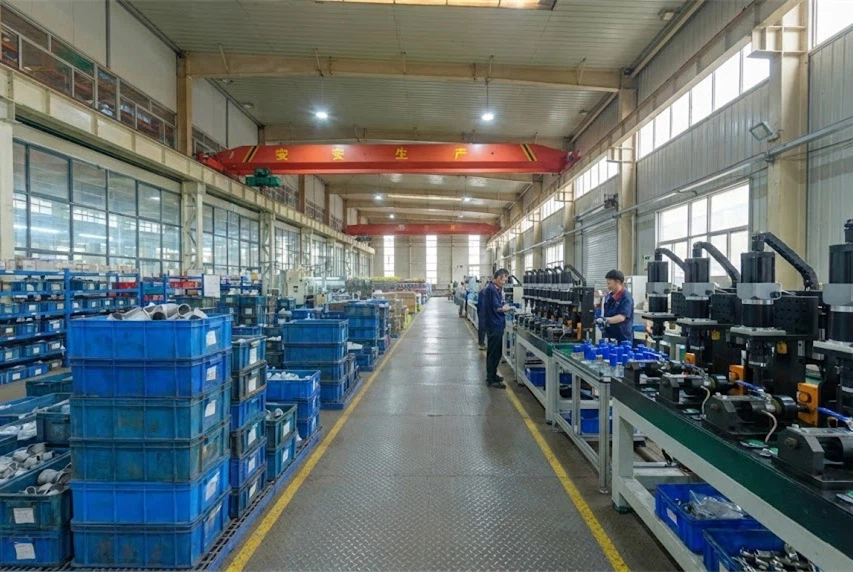
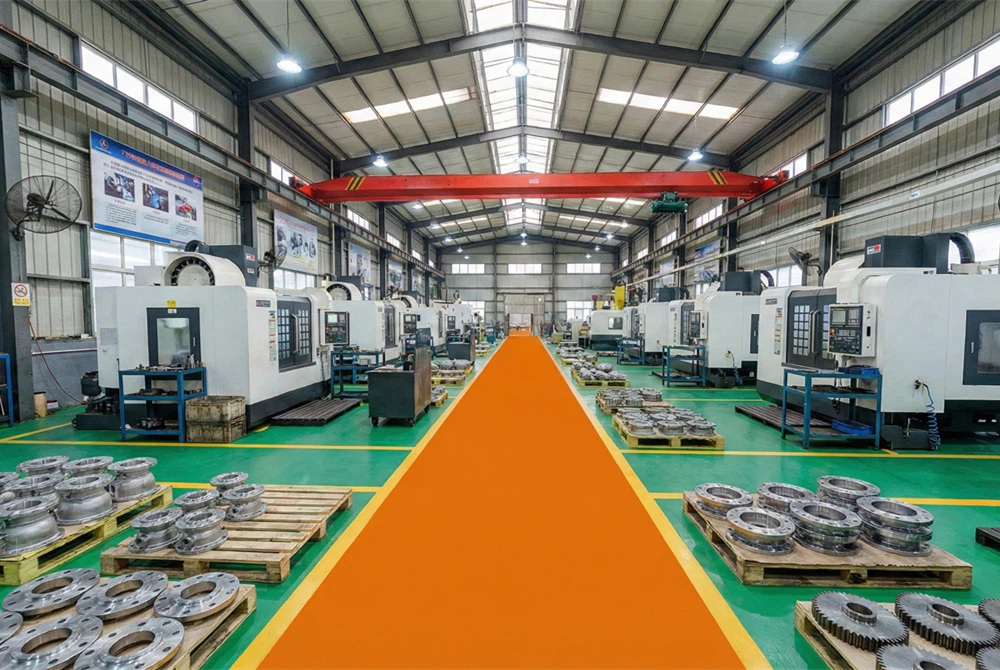
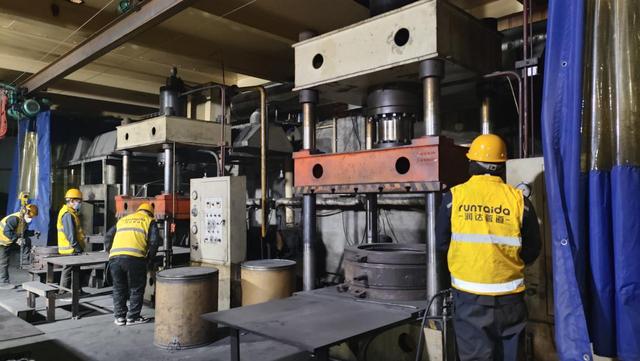

To remain at the forefront of industrial fluid control, ElvisCast has outlined a multi-phase technical roadmap focused on material innovation, precision manufacturing, and sustainable engineering:
We are deploying advanced coatings like Electroless Nickel Plating (ENP) and hard chrome plating on seal contact points. These finishes reduce wear rates on sliding valve stems and improve corrosion resistance under high-salinity conditions.
By combining 3D sand-printing for casting molds with traditional lost wax techniques, we can produce internal flow configurations that minimize turbulence. Reducing turbulence helps lower shear stresses on valve seats, preventing premature elastomer seal failure.
We are designing smart seal rings embedded with nano-scale sensors. These sensors track changes in compression, temperature, and electrical conductivity, enabling predictive maintenance alerts before a leak occurs.
Expert answers to common engineering questions regarding sealing rings, pressure classes, and mechanical configurations.
The primary cause of failure is extrusion and nibbling, which occurs when system pressures exceed the shear resistance of the elastomer. Under high pressure, the sealing ring is forced into the clearance gap between the mating metal components, leading to micro-tearing. Using high-durometer materials, integrating back-up rings (often made of PTFE), or optimizing the machined fit of the metal housing can prevent this issue.
Gases consist of smaller molecules than liquids, allowing them to penetrate microscopic pathways more easily. For gas applications, elastomers must resist Explosive Decompression (ED). When gas pressures fluctuate rapidly, gas trapped within the elastomer pores expands, which can cause internal tearing. In contrast, liquid applications focus more on preventing chemical swelling and mechanical wear caused by friction.
Metal-to-metal sealing is preferred when operating temperatures exceed 250°C, or when the process media is highly abrasive (such as slurries). While soft seats provide zero-leakage performance under normal conditions, they degrade quickly at extreme temperatures. Precision-machined metal-to-metal seats, often coated with Stellite or other hard-facings, maintain structural integrity under high temperatures and pressures.
Surface finish is critical for seal longevity. A surface that is too rough acts like an abrasive, wearing down the elastomer during dynamic movements. Conversely, an excessively smooth surface may prevent the formation of a micro-fluid film, which is necessary to lubricate the seal. Dynamic sealing surfaces are typically machined to a surface roughness of Ra 0.2 to 0.4 µm.
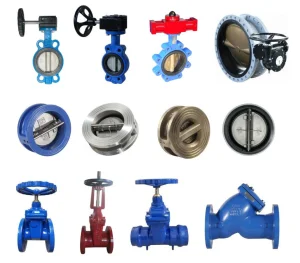
Premium piping components, check valves, and OEM custom assemblies engineered to maintain structural seal integrity.
 ElvisCast Precision