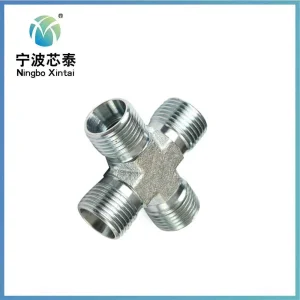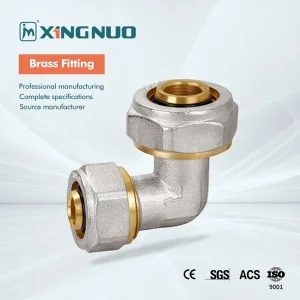
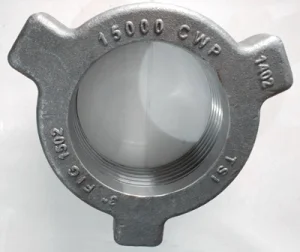
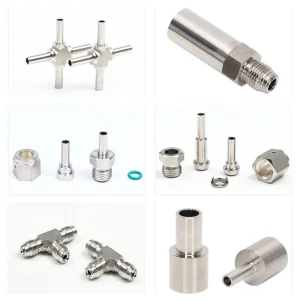
Forged Steel Fittings Factories & Supplier Serving Verona

Engineering Excellence for High-Pressure Systems, Critical Process Environments & Industrial Piping Systems in Verona

Send Inquiry Now
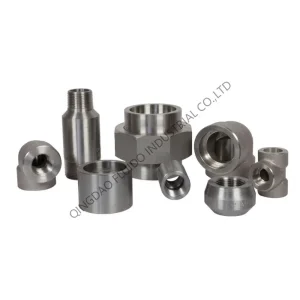
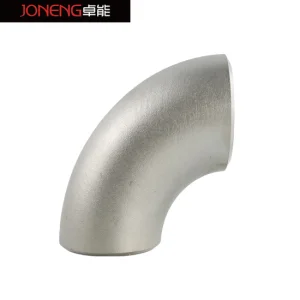
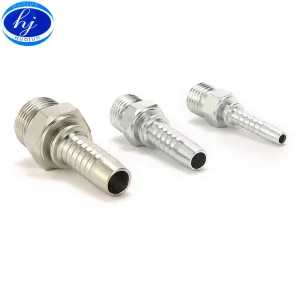
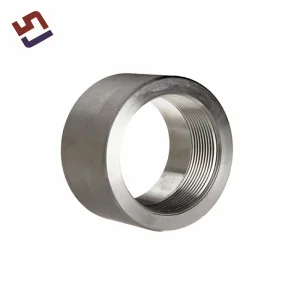
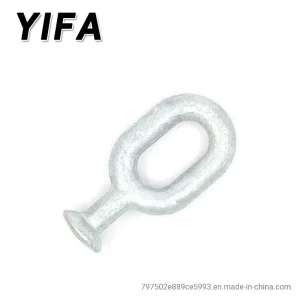
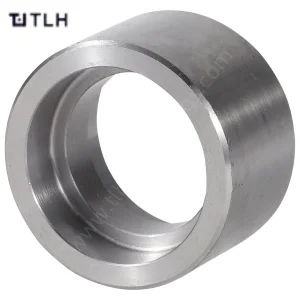
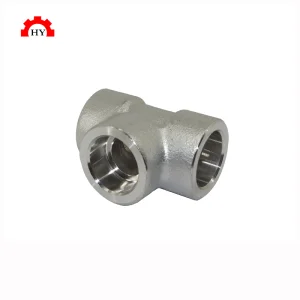
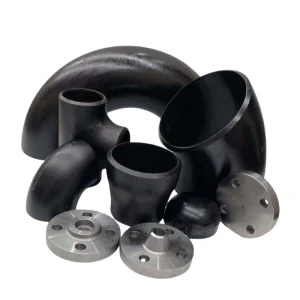
Featured Piping Solutions for Verona Industrial Infrastructure
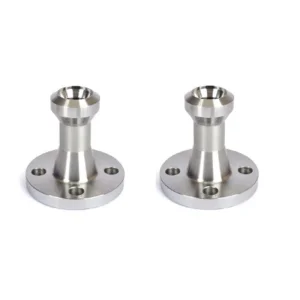
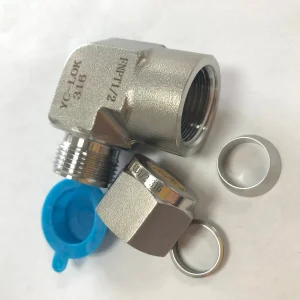
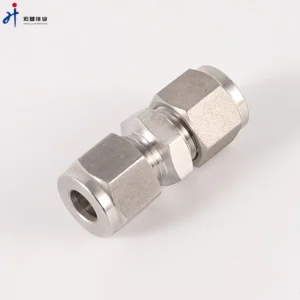
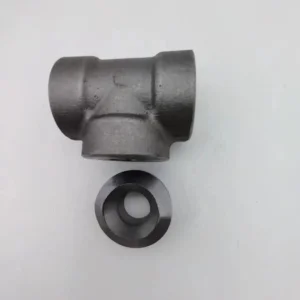
High-precision forged and machined connections built for the demanding tolerances of modern engineering.
Technical Whitepaper: Forged Steel Fittings in Industrial Pipelines
Analysis of metallurgy, pressure boundaries, design certifications, and Verona-specific industrial integration.
20,000+
Annual Tons Forging Capacity
9000 PSI
Max Pressure Certification
100%
PMI Traceability & Testing
PED
2014/68/EU Compliant

1. Verona's Industrial Fabric & Hydraulic System Demands

Verona, situated at the crossroads of major European freight corridors and within the heart of Northern Italy’s industrial powerhouse, presents a highly diversified and demanding industrial market. The region’s economic backbone relies heavily on high-precision sectors, including advanced food and beverage processing (particularly the globally recognized enology and wine-making networks), HVAC & industrial refrigeration systems, district heating (teleriscaldamento), and chemical processing.

For these critical installations, the choice of piping components is not merely a matter of simple connectivity, but one of metallurgical security and operational continuity. Pipeline installations in the Verona industrial basin require forged steel fittings capable of managing steep pressure drops, cyclic thermal expansion, and aggressive clean-in-place (CIP) chemicals. In high-efficiency refrigeration networks (e.g., CO2 or ammonia systems) and local steam distribution hubs, standard cast components are vulnerable to structural micro-porosity and brittle failures. Precision forged fittings—such as ASME B16.11 threadings or socket-welds—provide the microstructural density needed to guarantee zero-leakage performance under strict environmental and labor safety codes.

2. Global Market Dynamics & Forged Steel Supply Chains

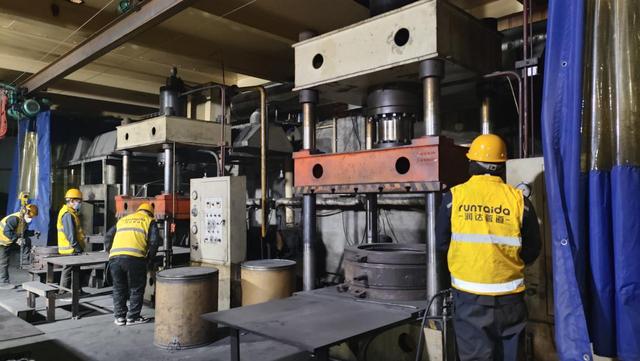
The global forged steel fittings sector is undergoing an unprecedented shift, influenced by automation, strict raw material traceability requirements, and carbon-reduction legislation. Forging, which involves compressing metal under heavy mechanical presses, aligns the internal grain flow of the steel along the contours of the fitting. This process results in far superior tensile strength, impact toughness, and fatigue resistance compared to casting.

Across Europe, particularly within the frameworks of the Pressure Equipment Directive (PED) 2014/68/EU, engineering procurement firms are increasingly specifying certified, non-porous forged components. The global supply chain now prioritizes manufacturers who can deliver fully traceable materials with EN 10204 3.1 certification. As chemical, oil, and gas infrastructures modernize, the demand for high-strength alloys (including F316L stainless steel, ASTM A105 carbon steel, and dual-phase Duplex steels) has surged. Suppliers serving markets like Verona must balance global raw material pricing with agile manufacturing schedules to keep capital-intensive infrastructure projects on track.

Key Structural Comparison: Forging vs. Casting

  • Grain Flow Alignment: Forging shapes the steel's grain structure to match the geometry of the elbow or tee, eliminating shear planes. Casting creates randomly oriented crystals, which can yield structural weak points.
  • Elimination of Voids: The intense mechanical force of forging closes internal gas pockets, voids, and shrinkage cavities. Cast components often hide subsurface defects that can only be detected via expensive X-ray inspections.
  • Ductility & Thermal Cycling: Forged fittings exhibit superior elastic deformation limits, making them optimal for steam lines or refrigeration systems experiencing sudden temperature spikes.

3. Technical Deep-Dive: Material Chemistry & Standards compliance

Modern piping systems require strict compliance with international mechanical and dimensional standards. Forged steel fittings are manufactured under standard dimensional codes such as ASME B16.11 (covering socket-welding and threaded fittings), BS 3799, and MSS SP-79/83/95/97.

Material grade selection dictates the corrosion profile and maximum working pressure of the system:

  • ASTM A105: The primary carbon steel grade for ambient and higher temperature service in pressure systems. It is highly weldable and suitable for non-corrosive steam and oil loops.
  • ASTM A182 F304L/F316L: Low-carbon stainless steels. The "L" grade limits carbon to <0.03%, preventing chromium carbide precipitation during welding and ensuring maximum corrosion resistance in the heat-affected zone (HAZ). F316L includes molybdenum (2-3%), providing crucial resistance to chloride-induced pitting—ideal for food, beverage, and chemical process environments in Verona.
  • Duplex & Super Duplex (e.g., F51 / F53): Feature a balanced 50/50 austenitic-ferritic microstructure, offering twice the mechanical strength of standard stainless steels and exceptional resistance to stress corrosion cracking (SCC) in saline or highly acidic media.

Pressure ratings are categorized into Classes: 2000, 3000, 6000, and 9000. Class 3000 is the industry workhorse for typical hydraulic and high-pressure steam pipelines, while Class 6000 and 9000 are reserved for extreme heavy-duty industrial processing, ultra-high-pressure gas delivery, and deep-well metering stations.

4. Verona Localized Application Scenarios

To illustrate the deployment of forged steel fittings in the local Verona region, we analyze three primary engineering use-cases:

  • Automated Enological & Bottling Systems: High-speed wine and beverage packaging lines require ultra-clean pipelines. The implementation of 316 Stainless Steel VCR / Swagelok Type Forged Face Gasket Seals ensures zero ingress of atmospheric bacteria and prevents product contamination.
  • HVAC and Sub-Zero Ammonia Refrigeration: Industrial cold storage facilities in Verona's logistics parks depend on pressurized ammonia piping. Carbon steel socket-weld elbows and unions rated to 3000 PSI prevent hazardous gas leaks under persistent mechanical vibration.
  • District Heating (Teleriscaldamento) Networks: Municipal steam lines operating at temperatures exceeding 250°C rely on heavy-duty ASME B16.11 forged tees and couplings to absorb high thermal expansion stresses and cyclic hydraulic loads.

5. Strategic Technology Roadmap: The Future of Metal Forming

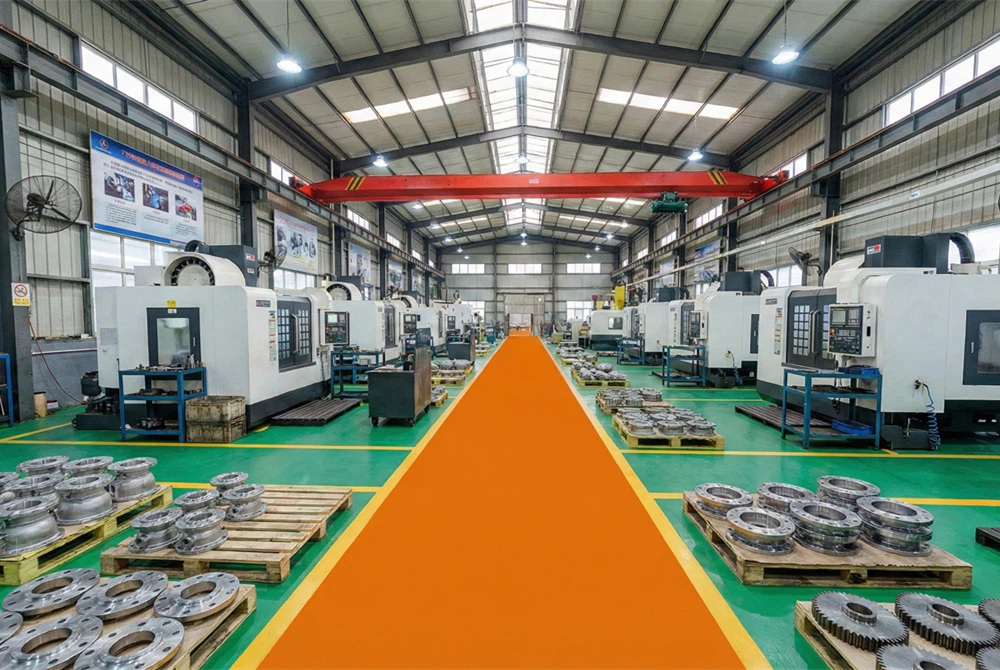
Looking toward 2030, the forging industry is adopting digital technologies to enhance efficiency and performance. "Forging 4.0" integrates real-time thermomechanical sensor arrays within forging dies to monitor grain deformation at the millisecond level. This is combined with precision CNC machining lines and robotic polishing stations to ensure every surface finish matches the tight tolerances of high-purity process systems.

Furthermore, the implementation of permanent laser-etched matrix codes on each fitting guarantees instant access to digital material test reports (MTRs), enabling plant operators in Verona to verify chemical compliance, heat codes, and country-of-origin details instantly via mobile devices.

Integrated Manufacturing Excellence: Shanghai ElvisCast Precision Co., Ltd.
A premier industrial manufacturer providing precision-engineered component solutions for global distribution networks.

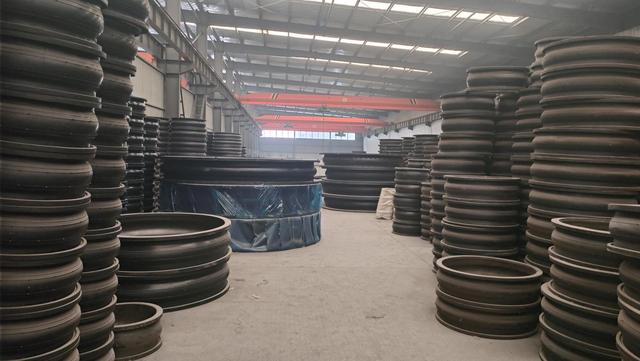
Shanghai ElvisCast Precision Co., Ltd. is a leading industrial valve and pipe fitting manufacturer, specializing in high-quality precision casting parts and OEM solutions for global industries. With a strong focus on advanced manufacturing technology and strict quality control, the company delivers reliable components widely used in oil & gas, chemical processing, water treatment, power generation, and general industrial applications.

ElvisCast offers a comprehensive product range including ball valves, camlock couplings, stainless steel threaded pipe fittings, and customized precision casting parts. All products are manufactured using premium materials such as stainless steel, carbon steel, and alloy steel, ensuring excellent performance in high-pressure, high-temperature, and corrosive environments.

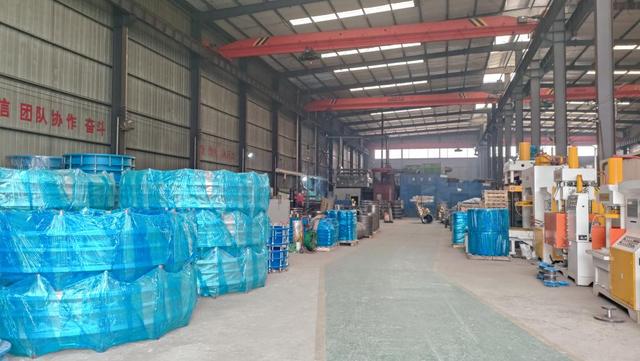
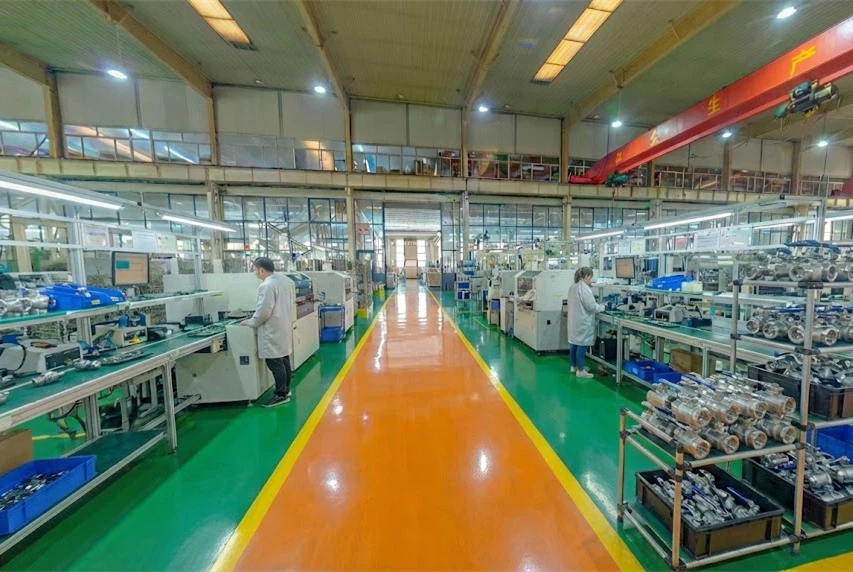
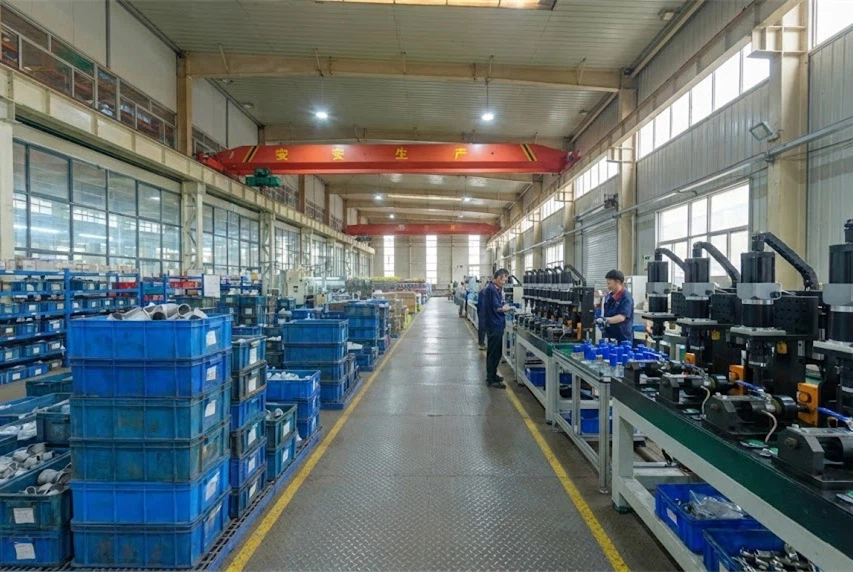
Equipped with modern investment casting lines, CNC machining centers, and complete inspection systems, the company guarantees high dimensional accuracy and consistent product quality. From mold design and casting to machining and surface treatment, ElvisCast provides fully integrated manufacturing services tailored to client specifications.

In addition to standard products, Shanghai ElvisCast Precision Co., Ltd. excels in OEM and ODM services, offering flexible customization in design, materials, and branding. Committed to innovation, efficiency, and customer satisfaction, the company continues to expand its global presence as a trusted partner for industrial valve, pipe fitting, and precision metal component solutions.
Technical QA: Process Engineering & Procurement
Insights into material specifications, standards compliance, and custom fabrications for project managers.
What is the pressure containment difference between Class 3000 and Class 6000 fittings?
Class 3000 and Class 6000 ratings do not represent direct PSI limits across all temperatures. They refer to cold working pressure (CWP) benchmarks. Specifically, at ambient temperatures (up to 38°C/100°F), a Class 3000 carbon steel fitting (ASTM A105) can support working pressures up to 3000 PSI (approx. 206 bar). Class 6000 fittings are built with heavier wall thicknesses to support up to 6000 PSI (approx. 413 bar) under the same ambient conditions. As temperature increases, the maximum allowable pressure decreases in accordance with the ASME B16.11 derating tables.
How does ElvisCast guarantee material compliance with European PED 2014/68/EU?
Our manufacturing processes are certified to meet the essential safety requirements of the Pressure Equipment Directive (PED 2014/68/EU). Every batch of forged stainless or carbon steel fittings undergoes chemical analysis via Positive Material Identification (PMI) and mechanical destructive testing. We provide EN 10204 3.1 Mill Test Certificates detailing heat chemistry, yield strength, elongation, and impact values, ensuring compliance for European process installations.
Why is F316L preferred over F304 for food-grade clean-in-place (CIP) environments in Verona?
Food and beverage processing systems in Verona frequently utilize hot sanitizing chemicals, dilute acids, and chlorine-based cleaners. F316L stainless steel contains 2.0% to 3.0% molybdenum, which forms a robust passivation layer that resists pitting and crevice corrosion caused by chlorides. F304 lacks molybdenum, making it susceptible to localized stress corrosion cracking in warm, high-chloride environments.
What thread types are available, and how do they seal under pressure?
We manufacture fittings using NPT (National Pipe Taper) threads matching ASME B1.20.1, as well as BSPT (British Standard Pipe Taper) threads matching ISO 7-1. The tapered geometry of these threads creates a mechanical seal by compressing the male and female threads together, which is typically supplemented by a thread sealant or PTFE tape. For ultra-high purity or vibration-heavy applications, socket-welding or metal-gasket-face seals (such as VCR-style fittings) are recommended to eliminate leak paths.
What is the standard lead time for OEM-customized forged steel fittings shipped to Italy?
Standard stocked forged fittings can ship within 7 to 15 days. For OEM customized components requiring mold design, custom forging dies, CNC programming, and specialized certifications (such as custom flanges or olets), the typical lead time ranges from 30 to 45 days. We coordinate directly with freight forwarders serving Verona to streamline customs clearance and inland logistics.
Complete Forged Steel Fittings & Couplings Portfolio
Select from our standard and custom-machined industrial piping solutions. All dimensions conform to global ASME/DIN standards.