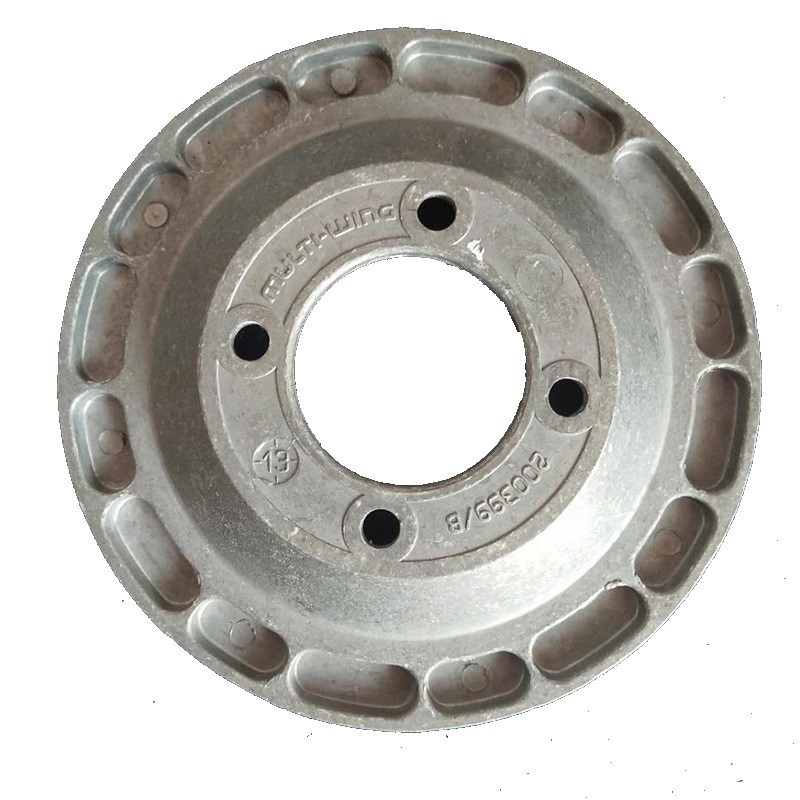
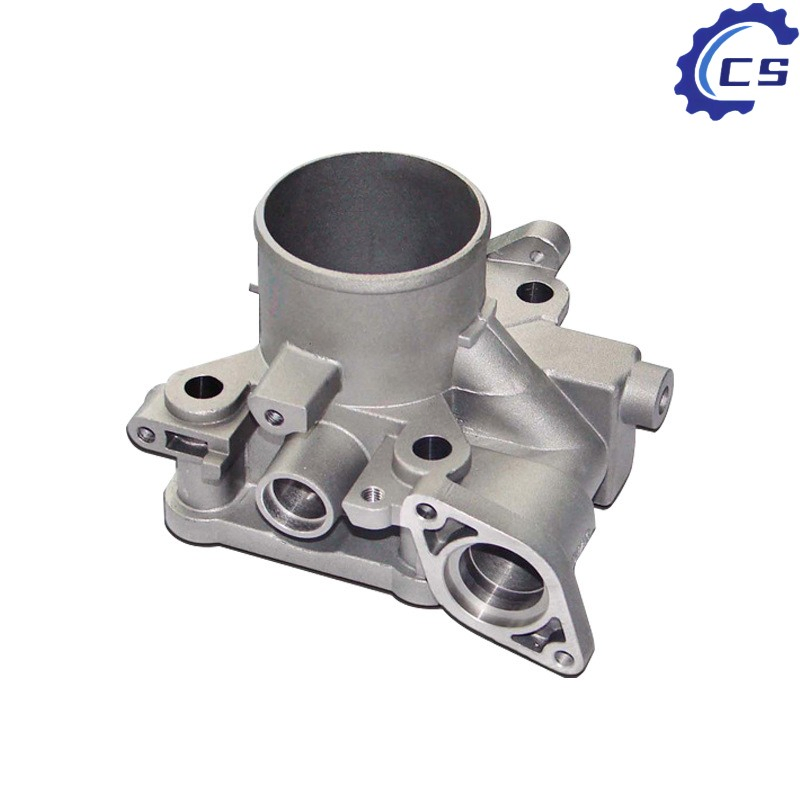
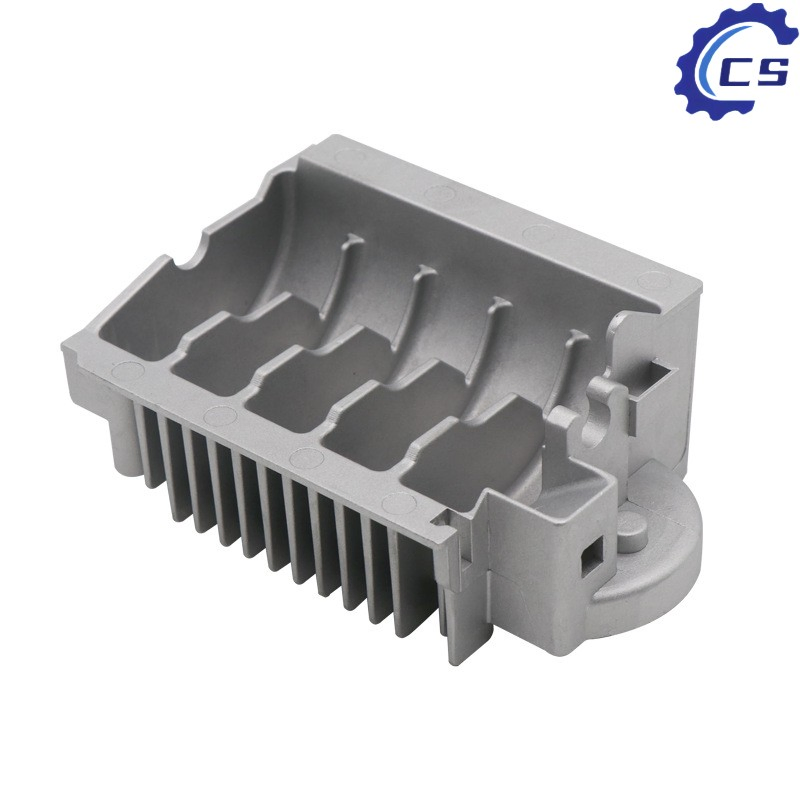
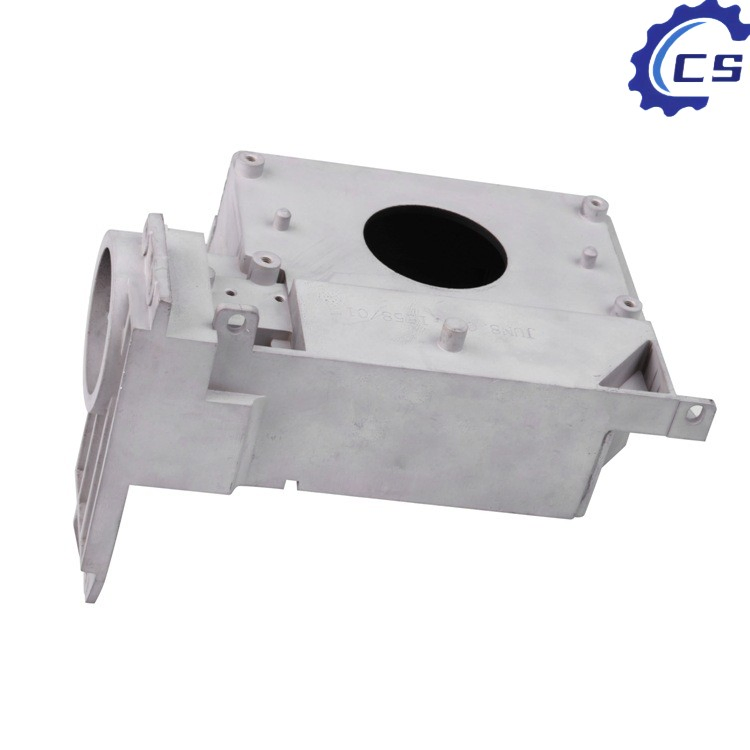
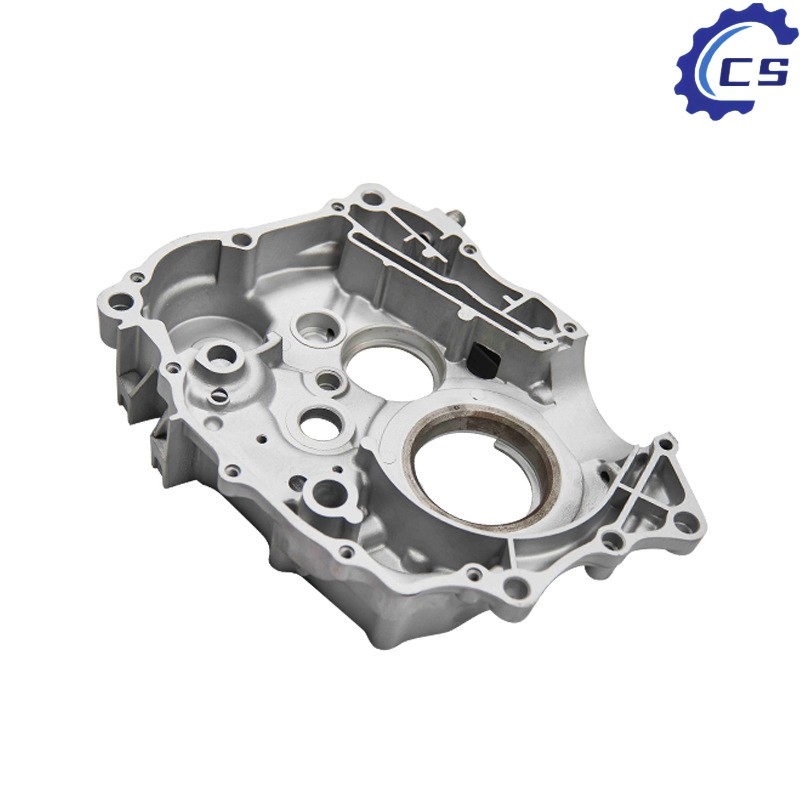
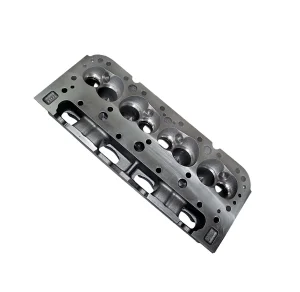
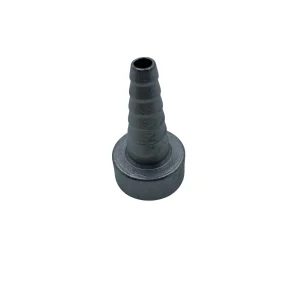
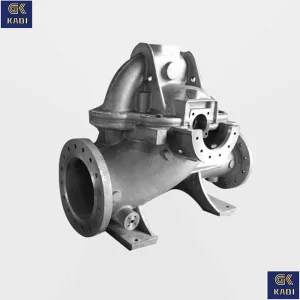
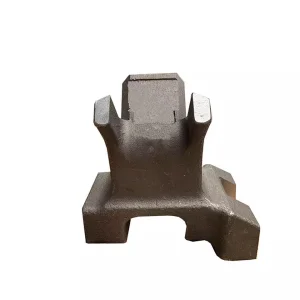
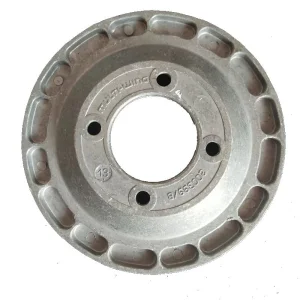
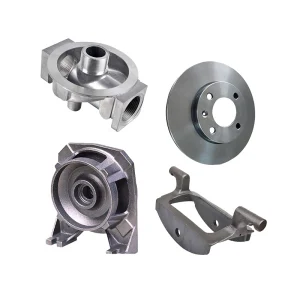
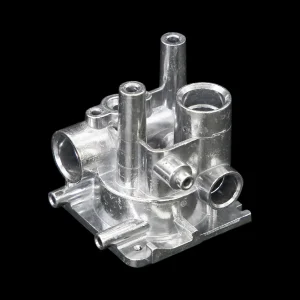
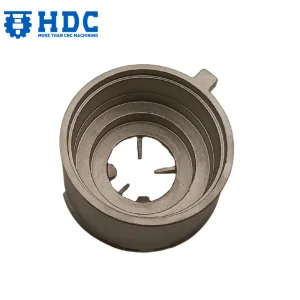
Precision Investment Casting Aluminum Alloy Automotive Parts, High-Temperature Resistant and Lightweight Customized Production

Still deciding? Get samples of $ !
Request Sample

Product Description

Precision Aluminum Alloy Casting

Basic Specifications

Machining
CNC Machining
Material
Aluminum Alloy
Surface Preparation
Polishing
Chamber Structure
Horizontal
Tolerance Grade
8
Surface Quality Level
1
Density
2.6-2.8 G/Cm2
Pouring Temp
700 Celsius
Casting Type
High Pressure Die Casting
Production Capacity
200,000 PCS Per Year

Product Description

We are dedicated to providing high-precision, highly reliable custom die casting aluminum parts for the automotive, aerospace, electronics, home appliances, and industrial equipment sectors. Relying on advanced mold design, CAE flow analysis, automated production equipment, and a strict quality control system, we offer a full-process customization service—from conceptual design and sample trials to mass production—ensuring that our products achieve internationally leading standards in mechanical performance, dimensional stability, and surface quality.
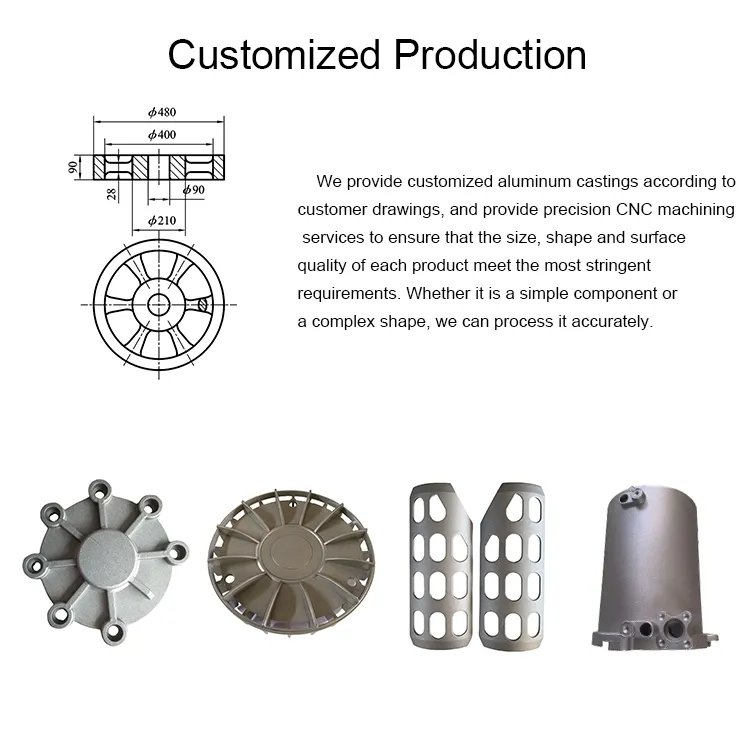
Technical Advantages

  • Full Process Customization: From requirement research and design evaluation to process development and mass delivery.
  • Advanced Simulation: CAD/CAE software for virtual mold flow analysis to ensure uniform filling without defects.
  • Strict Material Control: Use of high-performance alloys like A380, A360, and ADC12 with rigorous batch testing.
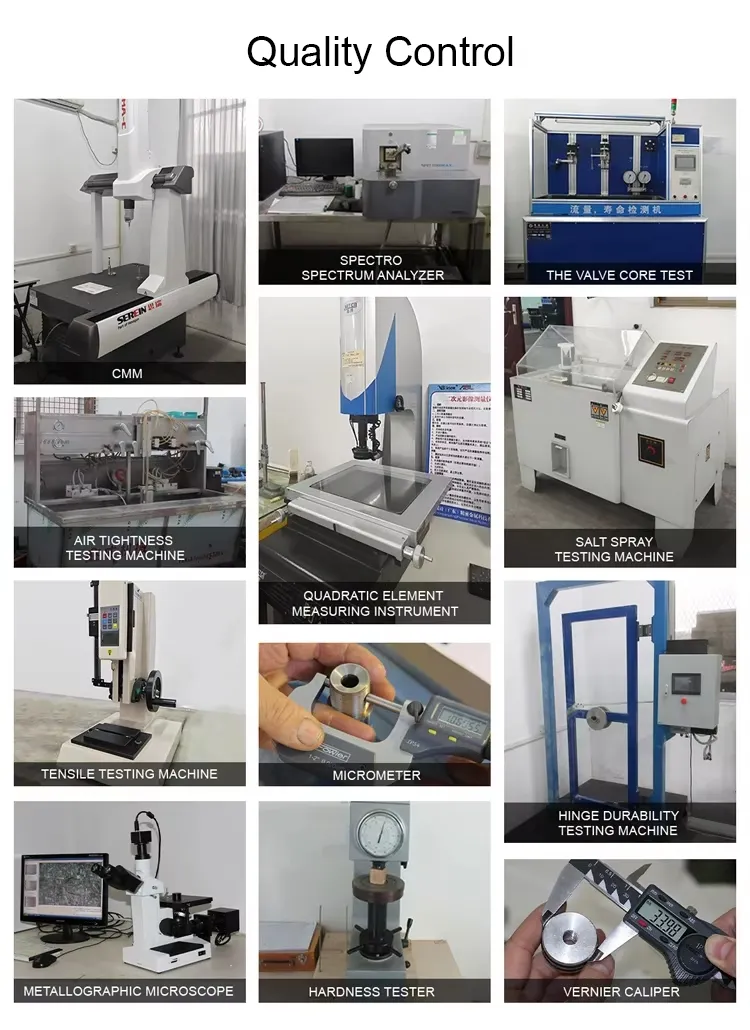
  • Automated Monitoring: Fully automated lines with online inspection and SPC methods for quality stability.
  • Optimized Cooling: Tailored cooling systems to ensure performance in high-temperature and corrosive environments.
Die Casting Technical Excellence

Technical Parameters

Parameter Technical Description Specification/Range
MaterialHigh-performance aluminum alloysA380 / A360 / ADC12 / Custom
Dimensional TolerancePrecision CNC machining±0.05mm and higher
Surface TreatmentAppearance & Corrosion resistanceAnodizing, Powder Coating, Polishing
Mold LifeOptimized cooling systemsOver 100,000 cycles
Production Lead TimeTrial to mass production2-4 weeks
Wall ThicknessDesign & process control0.8mm - 20mm
Size RangeFlexible customization10mm ~ 2000mm
Product Parameter Detail

Industrial Applications

Automotive

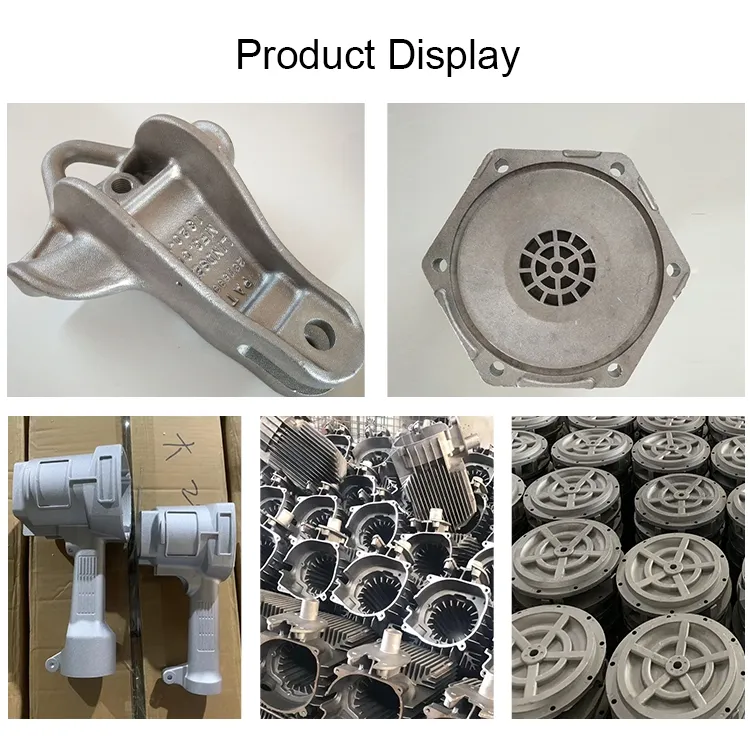
Engine blocks, transmission parts, radiator brackets, and structural body components.

Aerospace

Custom lightweight and high-precision structural components for extreme environments.

Electronics

Heat sinks, chassis, and brackets ensuring effective heat dissipation and corrosion resistance.

Industrial

Machinery parts, control systems, and automated production line components.
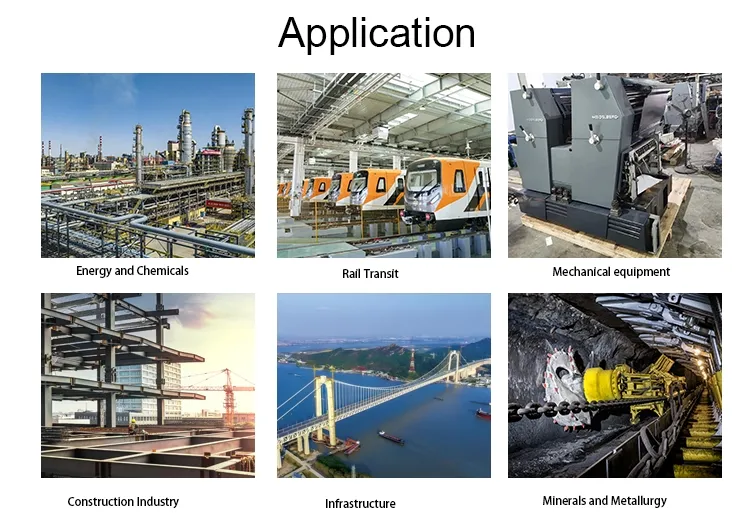
Aluminum Application Scenarios

Workflow & Production Process

1
Proposal Evaluation: Requirement analysis, feasibility assessment, and technical solution development.
2
Mold Design & Simulation: CAD/CAE flow simulation to optimize runner and cooling layouts.
3
Trial & Validation: Real-time monitoring of molding parameters and sample testing.
4
Mass Production: Automated production with online SPC system quality monitoring.
5
Final Inspection: Appearance, dimension, and performance checks before shipment.
Quality Control Process

Frequently Asked Questions

Q1: What is the primary advantage of die-cast aluminum? It offers high dimensional accuracy, excellent surface finish, and a superior strength-to-weight ratio, making it ideal for complex automotive and electronic parts.
Q2: Which aluminum alloys do you commonly use? We primarily work with ADC12 (good fluidity), A380 (high strength), and A360, as well as specialized custom alloys based on client specifications.
Q3: Can your products withstand corrosive environments? Yes, aluminum alloys inherently possess good corrosion resistance, which can be further enhanced through surface treatments like anodizing or powder coating.
Q4: How do you ensure the precision of complex thin-walled parts? We use CAD/CAE mold flow simulation to predict filling behavior and optimize cooling channels, preventing shrinkage and ensuring structural integrity.
Q5: What is the typical lead time for custom projects? The standard lead time is 4 to 6 weeks, depending on the complexity of the mold design, trial results, and total order volume.
Q6: Do you provide surface finishing in-house? We offer a variety of surface treatments including mechanical polishing, anodizing, and electrophoretic coating to meet specific aesthetic and functional needs.

Related Products