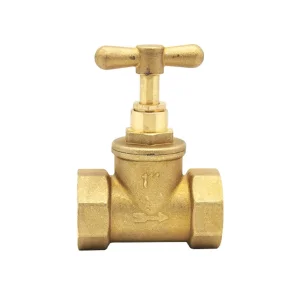
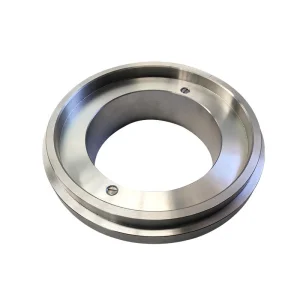
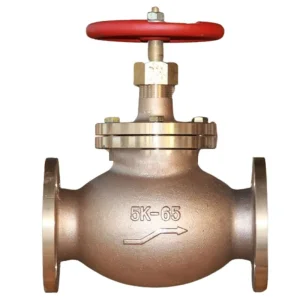
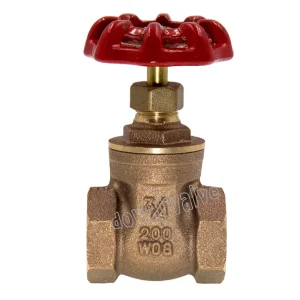
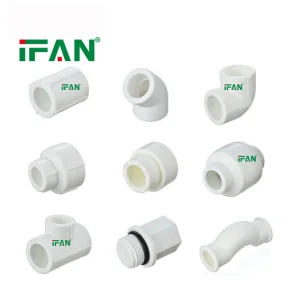
Explore our premium range of precision engineered components, high-durability valves, and customized CNC solutions for global fluid control and industrial machinery operations.
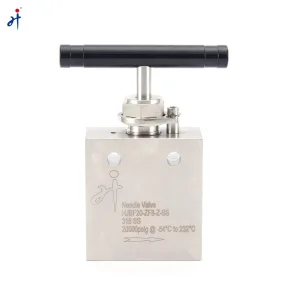
An authoritative industry analysis on security standards, safety protocols, and manufacturing compliance within the global abrasive tooling industry.
In modern industrial applications, safety is not merely a priority; it is a regulatory mandate. Grinding tools operate under extreme mechanical stresses, often spinning at speeds exceeding 80 m/s (meters per second), with special high-speed wheels exceeding 120 m/s. Under these conditions, the kinetic energy stored within a grinding wheel is immense. Any structural failure or material disintegration can lead to catastrophic accidents, causing severe operator injury or mechanical destruction of the machinery.
The CE (Conformité Européenne) marking represents a manufacturer’s declaration that their product complies with the essential health and safety requirements (EHSR) outlined in relevant European directives. For grinding tools and superabrasives, this compliance is fundamentally governed by safety standard EN 12413 (for bonded abrasive products), EN 13236 (for superabrasives like diamond and cubic boron nitride), and EN 13743 (for coated abrasives like flap wheels and discs).
"A certified CE mark on an abrasive tool is not a cosmetic label. It indicates systematic engineering validation, including centrifugal burst testing, wet-strength testing, side-load stress analysis, and structural integrity verification under variable heat zones."
In global supply chains, industrial procurement officers and safety compliance managers strictly source from CE-certified factories. This certification mitigates operational liability, ensures standardized quality assurance, and guarantees that the tools can withstand defined maximum operating speeds (MOS) and rotational forces without degradation.
The global grinding tools and industrial abrasives market is currently experiencing a structural transition, driven by automation, electric vehicle (EV) manufacturing, aerospace growth, and the expansion of heavy infrastructure. Projections show the market expanding at a steady CAGR of 5.5% to 6.8% over the next decade, with the precision segment outpacing standard applications.
Major manufacturing hubs in Western Europe, the Asia-Pacific region, and North America are focusing heavily on raw material cost optimizations, supply chain resilience, and environmental footprint reduction. Demand for superabrasives—such as Synthetic Diamond and Cubic Boron Nitride (cBN)—has spiked because of their superior hardness, longevity, and thermal conductivity compared to conventional abrasive grains like Aluminum Oxide ($Al_2O_3$) and Silicon Carbide ($SiC$). This transition has made precision backing plates, flanges, core shafts, and CNC-machined metal supports critical components of the grinding wheel design.
Increasing reliance on cBN and synthetic diamond grit to machine hardened steel, aerospace alloys, and advanced industrial ceramics with minimal thermal load.
Strict European safety standards and liability frameworks make non-CE certified abrasive components virtually obsolete in high-performance Western markets.
Integration of real-time monitoring sensors inside mechanical grinding assemblies to track wheel wear, temperature, vibration, and eccentric misalignment.
The progression pathway for modern abrasives, focusing on sustainable bonding systems, ultra-high peripheral speeds, and automated finishing.
Traditional grinding wheels utilize phenolic resins as bonding agents, which release volatile organic compounds (VOCs) during curing and grinding. Industry leaders are pivoting towards inorganic vitrified bonds, hybrid metal-resins, and bio-derived polymers to reduce carbon footprint and chemical exposure while maintaining high-temperature matrix stability.
Vibration is the primary enemy of surface finish (roughness $Ra$) and wheel life. The development of high-density cast steel or custom-machined aluminum alloy hubs ensures the abrasive wheel spins true. The use of precision balance rings and high-tolerance CNC-machined metal flange supports is critical for CNC automated grinding machines.
To grind tough, gummy, or heat-sensitive metals like Titanium, Inconel, and ductile cast irons, manufacturers design wheels with controlled, interconnected pore structures. These pores function as micro-reservoirs for coolant and escape channels for chips, preventing thermal cracking, wheel loading, and heat transfer to the workpiece.
Engineered grinding systems built to handle extreme industrial challenges, from heavy metal fabrication to aerospace tolerances.
The manufacturing of electric vehicle motors, traditional crankshafts, gears, and camshafts requires sub-micron level geometric tolerances. CE-certified grinding systems, engineered with rigid dynamic backing hubs, deliver the precise cutting pressures needed to achieve surface finishes below $Ra\ 0.1\ \mu m$. Consistent wheel balance prevents micro-chatter, which directly translates to quieter EV operation and increased drivetrain lifespan.
In large-scale metal casting plants, such as those pouring ductile cast iron, steel, and aluminum castings, removing riser gates, parting lines, and flashing is a critical post-processing step. Heavy pedestal grinders and manual hand grinders rely on high-durability bonded abrasives. The CE certification guarantees these wheels won't shatter when subjected to severe side pressures and sudden impacts common in heavy foundry applications.
Machining aerospace alloys like titanium and nickel-based superalloys presents immense thermal challenges. Standard wheels cause workpiece burning and structural degradation. Using premium vitrified cBN wheels, combined with specialized metal flange cores, enables high removal rates with minimal thermal stress, preventing microstructural damage and micro-cracking in flight-critical parts.
Before assembly, industrial gate valves, butterfly valves, and flange pipe fittings require precise mating surface grinding. The flat sealing seats must be perfectly flat to prevent fluid leakage under high pressure. CE-certified surface grinding wheels and cup wheels are used to finish cast interfaces, ensuring reliable metal-to-metal or metal-to-elastomer seals.
Industrial Precision Casting, CNC Machining, and OEM Component Manufacturing Ecosystem.
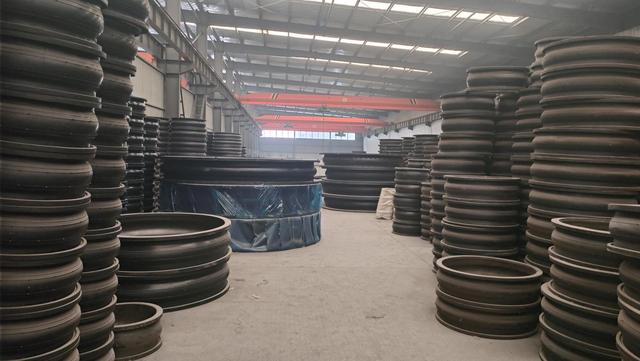
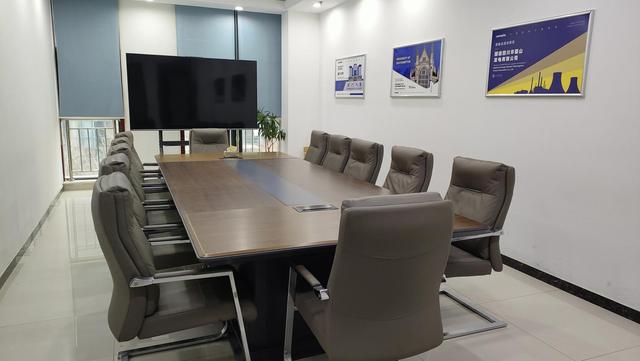
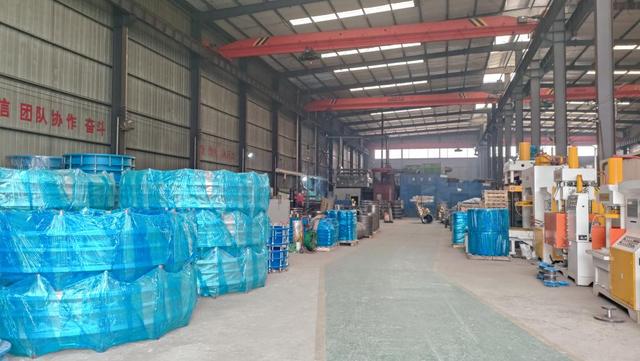
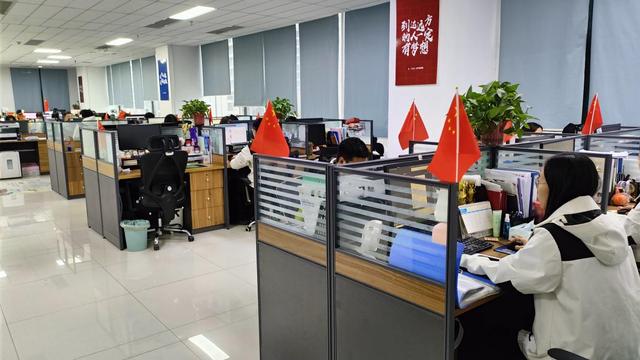
Shanghai ElvisCast Precision Co., Ltd. is a leading industrial valve and pipe fitting manufacturer, specializing in high-quality precision casting parts and OEM solutions for global industries. With a strong focus on advanced manufacturing technology and strict quality control, the company delivers reliable components widely used in oil & gas, chemical processing, water treatment, power generation, and general industrial applications.
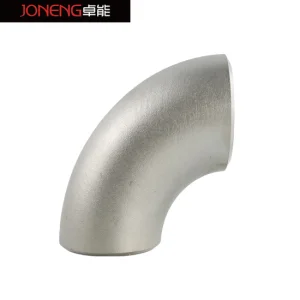
ElvisCast offers a comprehensive product range including ball valves, camlock couplings, stainless steel threaded pipe fittings, and customized precision casting parts. All products are manufactured using premium materials such as stainless steel, carbon steel, and alloy steel, ensuring excellent performance in high-pressure, high-temperature, and corrosive environments.
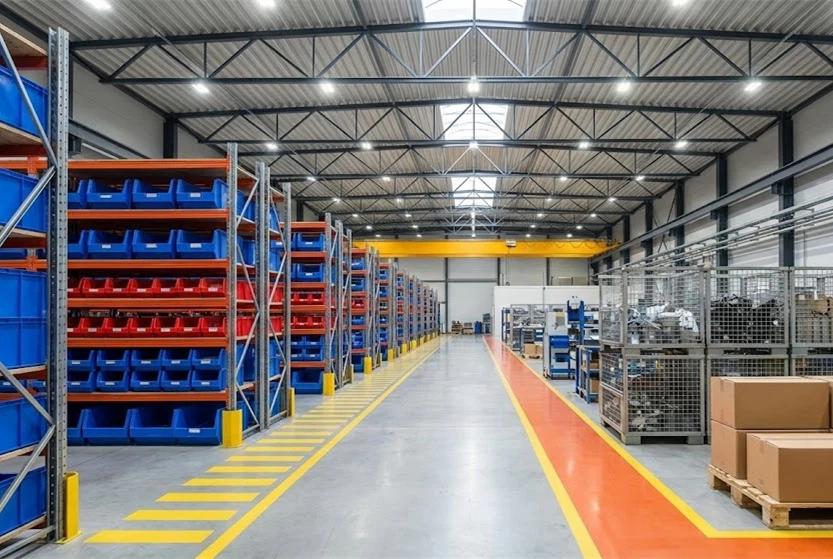
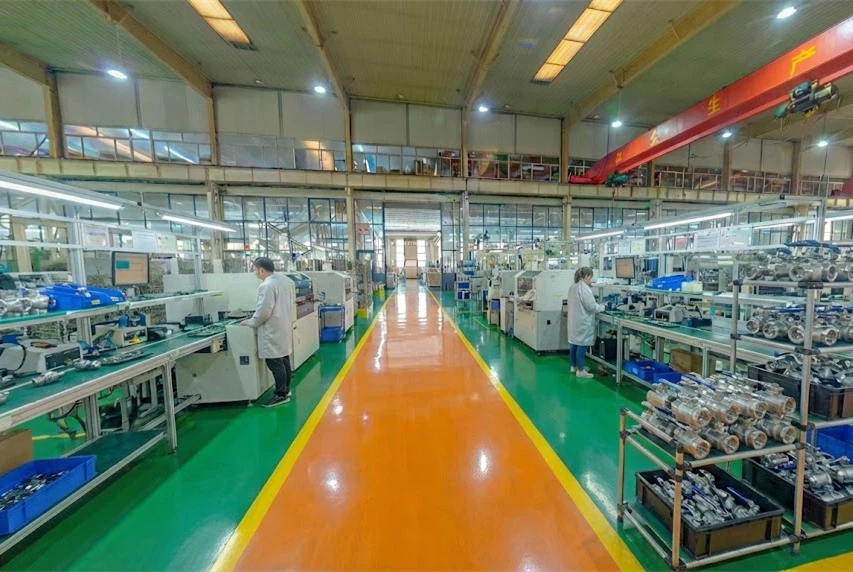
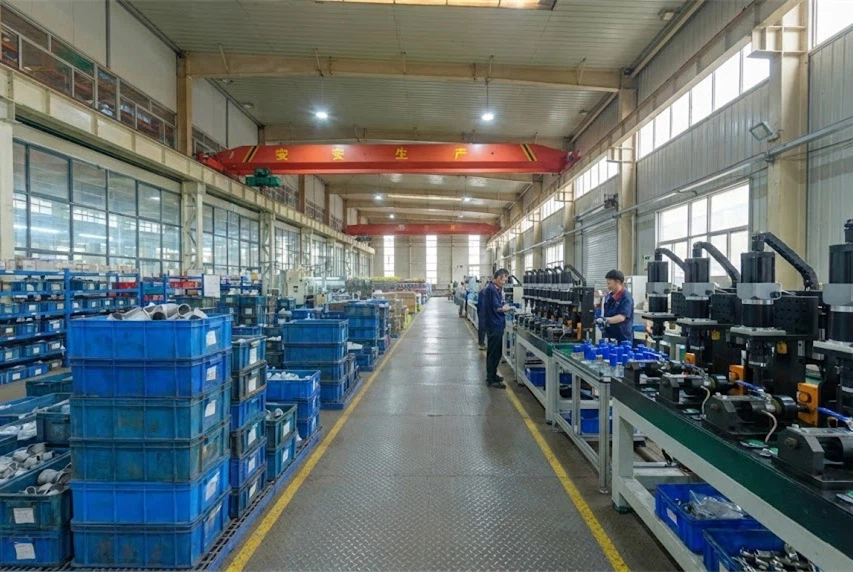
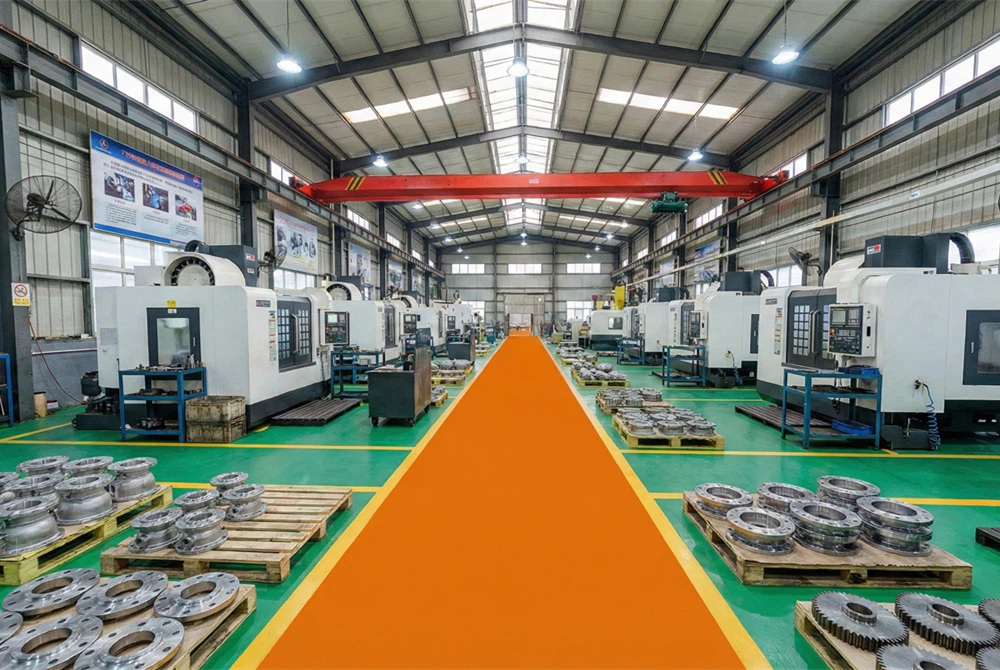
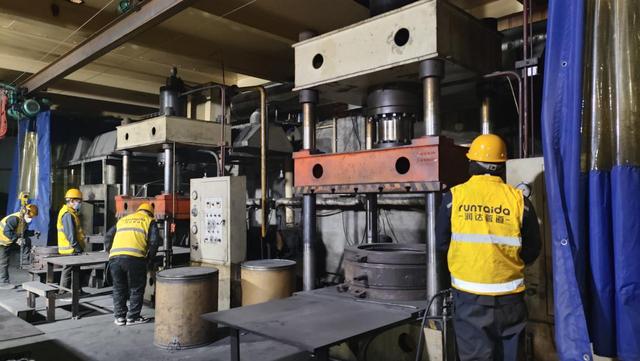
Equipped with modern investment casting lines, CNC machining centers, and complete inspection systems, the company guarantees high dimensional accuracy and consistent product quality. From mold design and casting to machining and surface treatment, ElvisCast provides fully integrated manufacturing services tailored to client specifications.
In addition to standard products, Shanghai ElvisCast Precision Co., Ltd. excels in OEM and ODM services, offering flexible customization in design, materials, and branding. Committed to innovation, efficiency, and customer satisfaction, the company continues to expand its global presence as a trusted partner for industrial valve, pipe fitting, and precision metal component solutions.
Direct technical answers addressing the concerns of industrial buyers, engineering leads, and safety compliance supervisors.
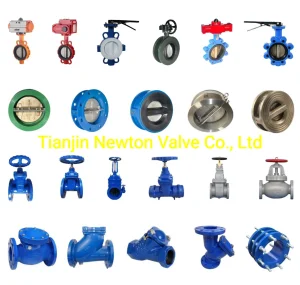
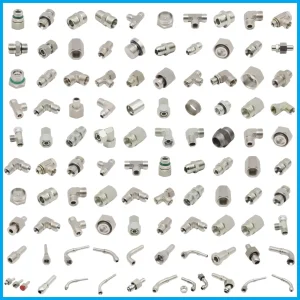
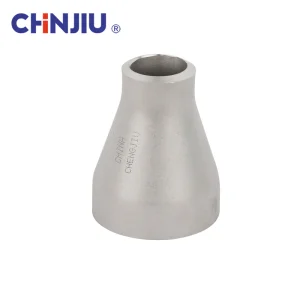
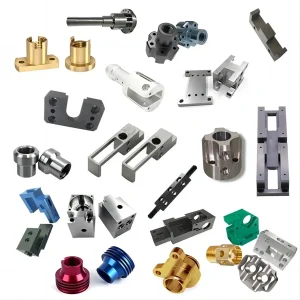
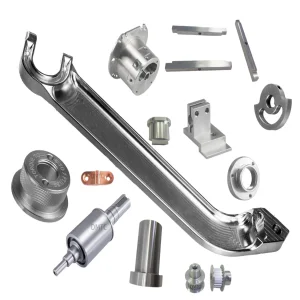
Complete your mechanical flow systems and structural framework with our heavy-duty industrial adapters, customizable CNC components, and rugged connection valves.
 ElvisCast Precision