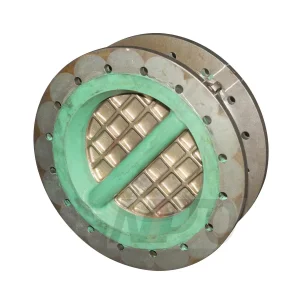
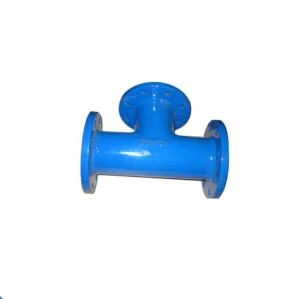
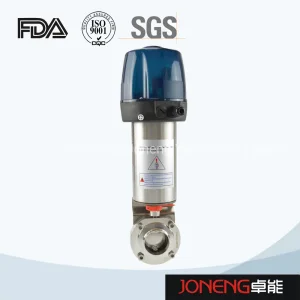
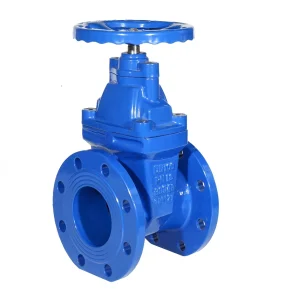
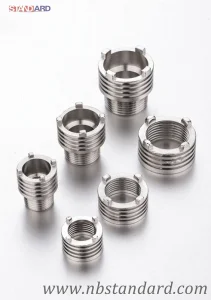
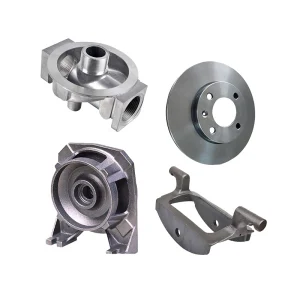
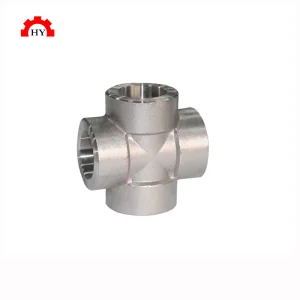
High-performance flow-control valves, heavy-duty mechanical elements, and precise adaptation fittings optimized for demanding industrial architectures.
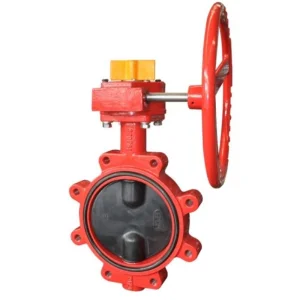
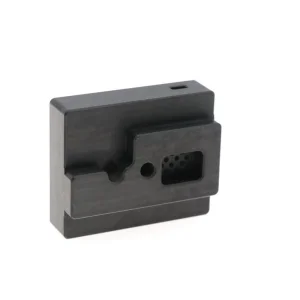
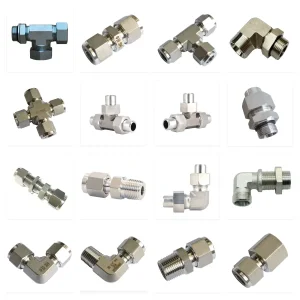
In the era of hyper-automation, smart grid transitions, and Electric Vehicle (EV) dominance, the demand for highly reliable electrical switching control mechanisms has surged exponentially. China's relay factories produce over 60% of the world's electromagnetic and solid-state relays, acting as the foundational engine for global automated machinery, HVAC systems, power grids, and aerospace technologies.
However, selecting a top China relays manufacturer requires looking beyond simple unit cost. Advanced sourcing strategies mandate an in-depth understanding of the manufacturer's technological roadmap, material science competence, compliance matrix, and mechanical support ecosystems. A relay does not function in isolation; its electrical longevity is intrinsically tied to the structural integrity of its housing, the high-pressure tolerance of surrounding automated control valves, and the precision CNC-machined connectors that route critical signals.
Industrial control cabinets rely on specific relay architectures depending on load size, switching speed, and cycles. Modern Chinese factories have diversified their lines to accommodate these classifications:
Utilize physical magnetic coils to close physical contacts. Best suited for high-voltage applications where galvanic isolation is paramount. Their heavy-duty nature requires premium copper windings and high-conductivity contact points (e.g., silver-tin oxide alloy).
Employ semiconductor devices (Thyristors, TRIACs, MOSFETs) for switching without moving parts. SSRs excel in high-cycle operations such as precision heaters, offering indefinite operational lifespans and zero-crossing capability to limit electromagnetic interference.
Primarily developed for Electric Vehicles (EV) and battery energy storage systems (BESS). These devices utilize advanced gas-filled arc chambers (nitrogen or hydrogen) to rapidly quench the destructive electric arcs generated during high-voltage DC separation.
| Relay Type | Core Switch Mechanism | Primary Application Fields | Key Material & Component Requirements |
|---|---|---|---|
| Electromagnetic (EMR) | Mechanical Contacts (Coil Actuated) | HVAC, Industrial PLC Cabinets, Smart Meters | Fine Copper Coils, Silver-Alloy Contacts, Flame-Retardant PET Cases |
| Solid State (SSR) | Semiconductor Optocoupler / TRIAC | Plastic Injection Molding, Thermal Control, Medical Equipment | High-Performance Optocouplers, Ceramic Substrates, Aluminum Heat Sinks |
| HV DC Contactor | Sealed Arc-Quenching Contact System | EV Powertrains, Solar Inverters, Energy Storage Units | Hermetic Ceramic Seals, Hydrogen/Nitrogen Fill, Pure Copper Terminals |
| Signal / Telecommunication | Miniature Polarized Armatures | Telecom Modems, Test Instruments, Network Switches | Gold-clad contacts, high-sensitivity magnetic cores |
The relay landscape is evolving alongside smart infrastructure. Global buyers sourcing from China should look for manufacturers aligning with the following key technological vectors:
The premium class of Chinese relay factories has transitioned from labor-intensive assembly lines to fully automated smart production platforms. The implementation of China Industry 4.0 standards directly guarantees quality consistency across massive batch sizes:
To legally deploy relay arrays in global configurations, the products must meet strict international compliance regimes. Sourcing managers must request documentation of:
Industrial control networks and fluid automation topologies do not operate on electrical circuit components alone. In rugged operations—such as oil & gas extractions, chemical refining facilities, and clean water processing plants—relays work directly in tandem with robust hardware, including high-performance valves, custom actuator enclosures, and precision-engineered connection elements.
This is where Shanghai ElvisCast Precision Co., Ltd. steps in as an indispensable industrial supply chain partner. Serving as a premier manufacturer of industrial valves, pipe fittings, and custom CNC machined components, ElvisCast provides the foundational hardware that houses, secures, and controls mechanical actuators driven by electrical relay networks.
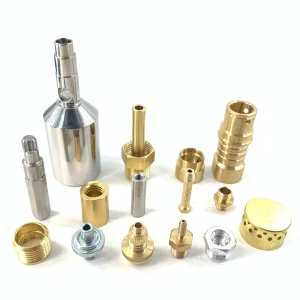
Whether it is engineering corrosion-resistant housings for pneumatic actuator solenoids using Hastelloy or CNC machining exact-tolerance copper and brass internal contacts, ElvisCast ensures that the physical interfaces match the dependability of your electronic control loops.
The following images demonstrate the scale, advanced manufacturing processes, and machining centers operated by Shanghai ElvisCast Precision Co., Ltd., guaranteeing high-end raw casting and precision-milled components:
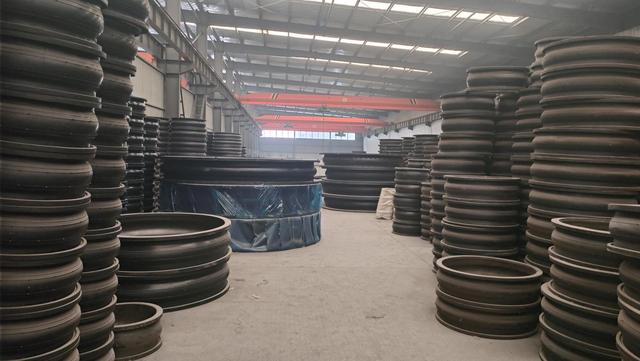

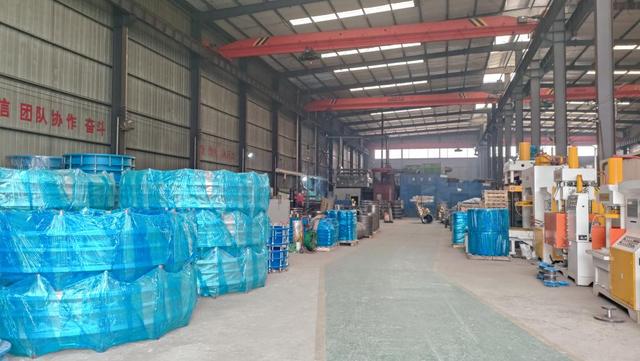

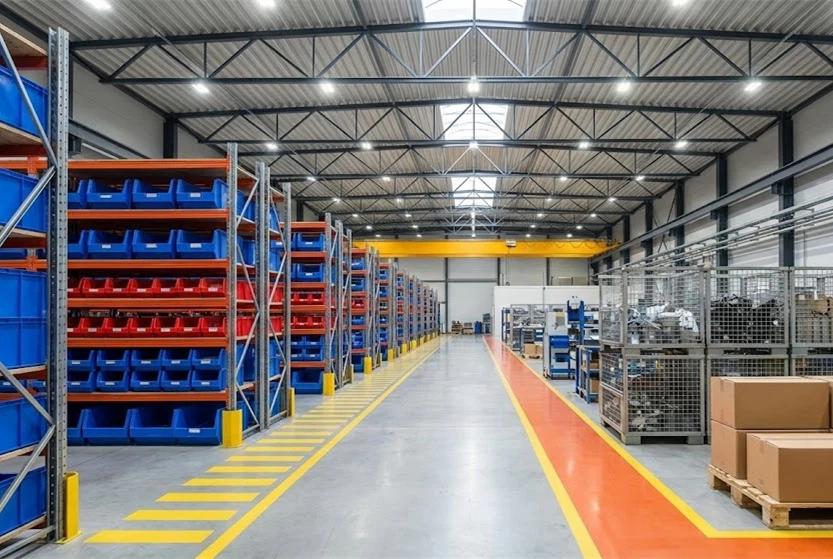
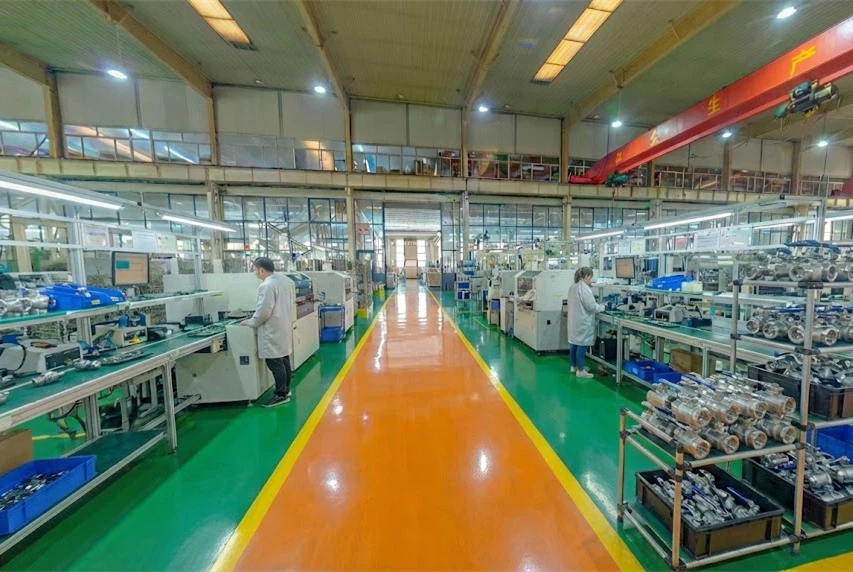
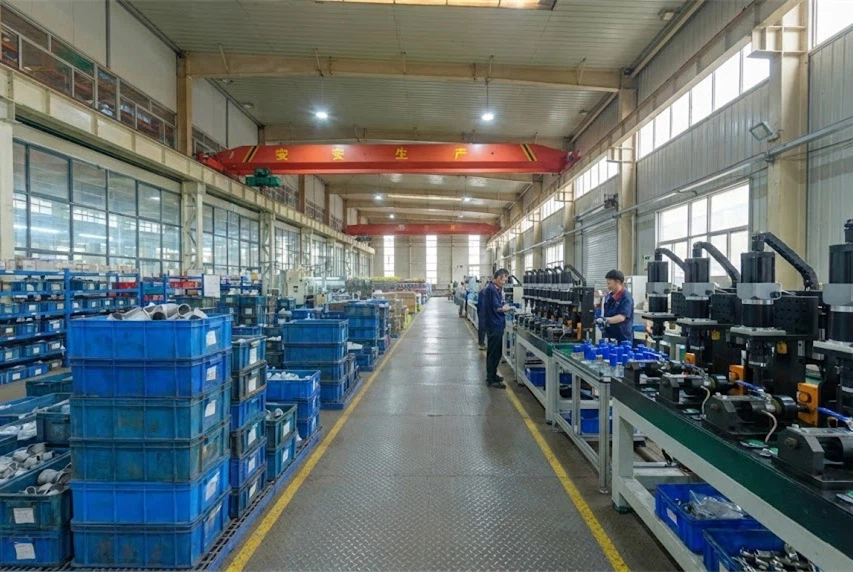
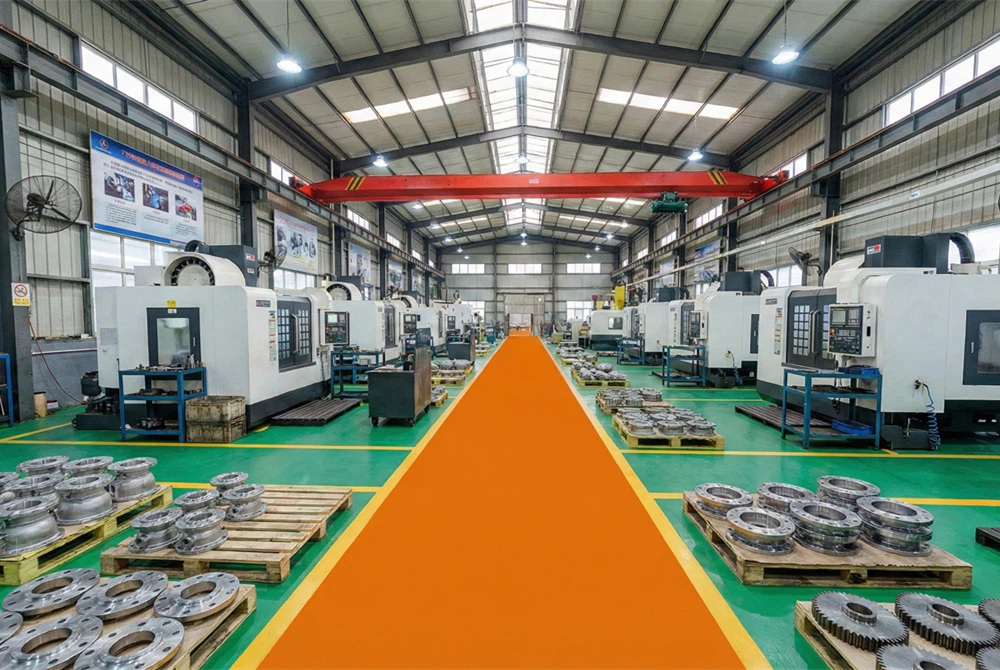
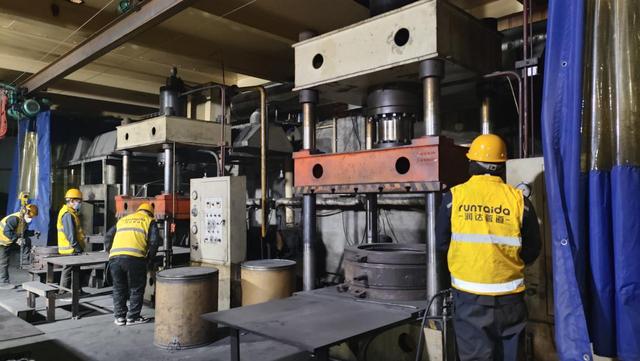

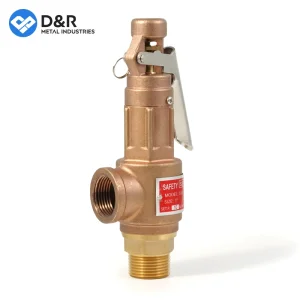
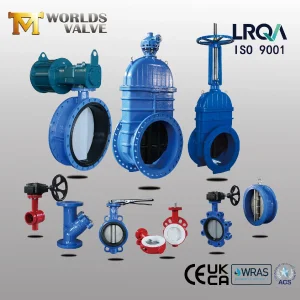
By combining ElvisCast’s robust valve bodies (such as flanged check valves, soft-sealed gate valves, and pressure safety valves) with top China-manufactured control relays, engineers can configure reliable process systems capable of handling corrosive fluids, hazardous gases, and high-pressure steam.
How can I prevent early contact welding/failure in electromagnetic relays under high-inrush loads?
Early welding is typically caused by capacitive or inductive inrush currents that melt the contact surfaces momentarily. To optimize performance, specify silver-tin oxide (AgSnO2) contacts, which offer excellent anti-welding properties. Additionally, integrate external suppression networks (such as RC snubbers for AC loads or flyback diodes for DC inductive loads) to protect the relay contact points.
What are the primary thermal management considerations when selecting Solid State Relays (SSRs)?
Because SSRs rely on semiconductors, they generate continuous thermal energy (approximately 1 to 1.5 Watts per Ampere of switched current). If thermal dissipation is inadequate, the internal junction will overheat, leading to premature breakdown. Ensure that the SSR is mounted to a properly sized aluminum heat sink with high-quality thermal interface material (TIM) and consider active fan cooling for enclosures exceeding 30 Amps.
How does ElvisCast’s custom CNC and casting support relay installations?
We machine and cast critical support hardware: explosion-proof terminal boxes, actuator mounting brackets, heavy-duty valve housings, and heat sink housings. Our integration guarantees that when a relay triggers a motorized or pneumatic actuator, the mechanical connections undergo zero deflection and withstand extreme ambient environments.
What is the significance of the "Zero-Crossing" feature in modern AC Solid State Relays?
Zero-crossing relays only switch on when the AC voltage waveform crosses the zero-voltage threshold. This effectively eliminates initial high current surges and minimizes high-frequency electromagnetic emissions, preventing interference with surrounding sensor signals, digital logic, and communication wiring.
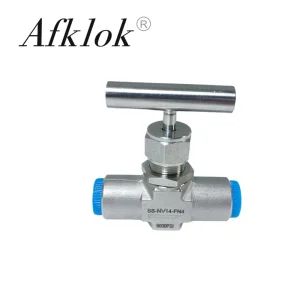
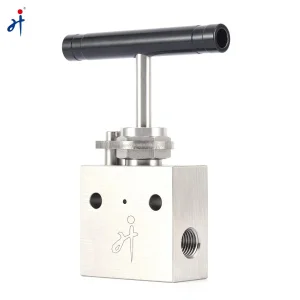
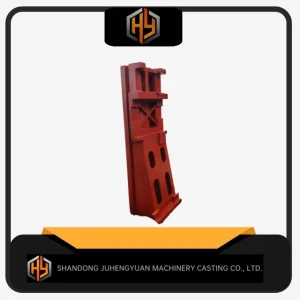
Explore our line of high-pressure needle valves, robust casting spare parts, and custom-engineered connectors designed to support reliable automated loops.
 ElvisCast Precision