ElvisCast Precision
1 / 5
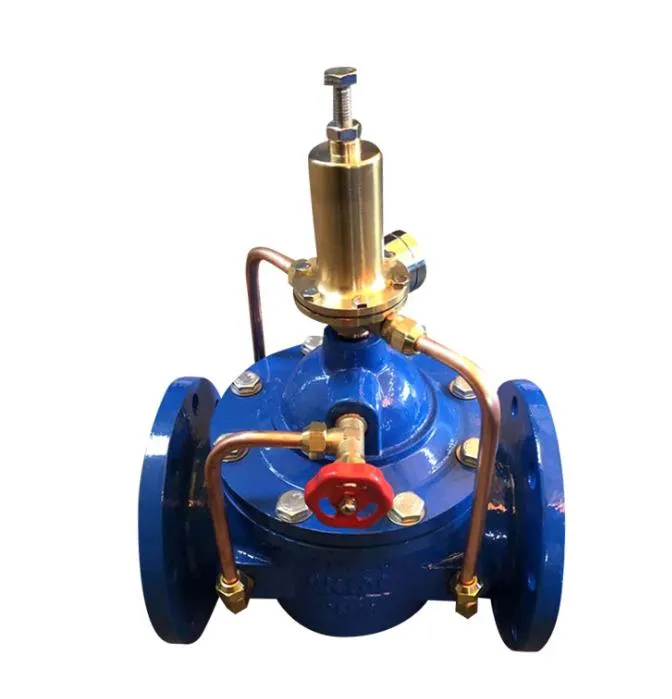
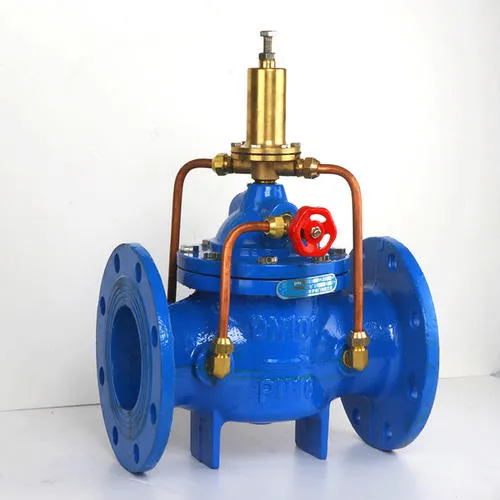
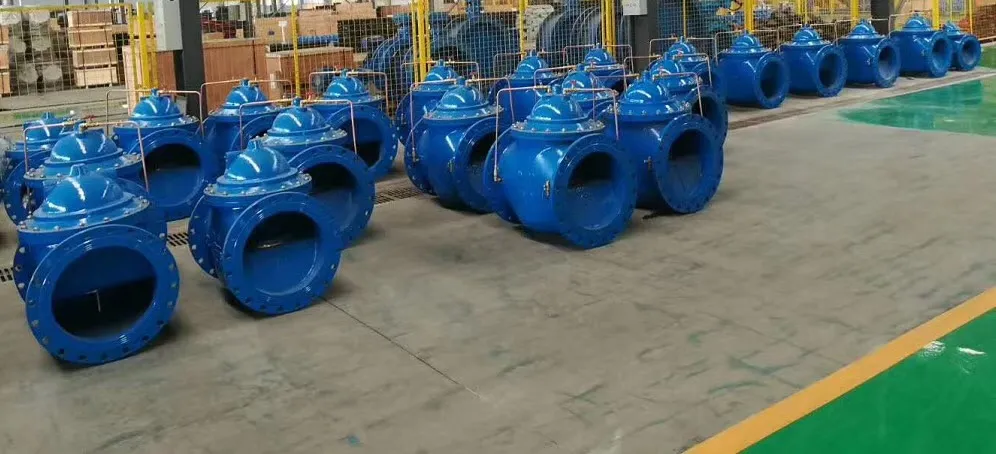
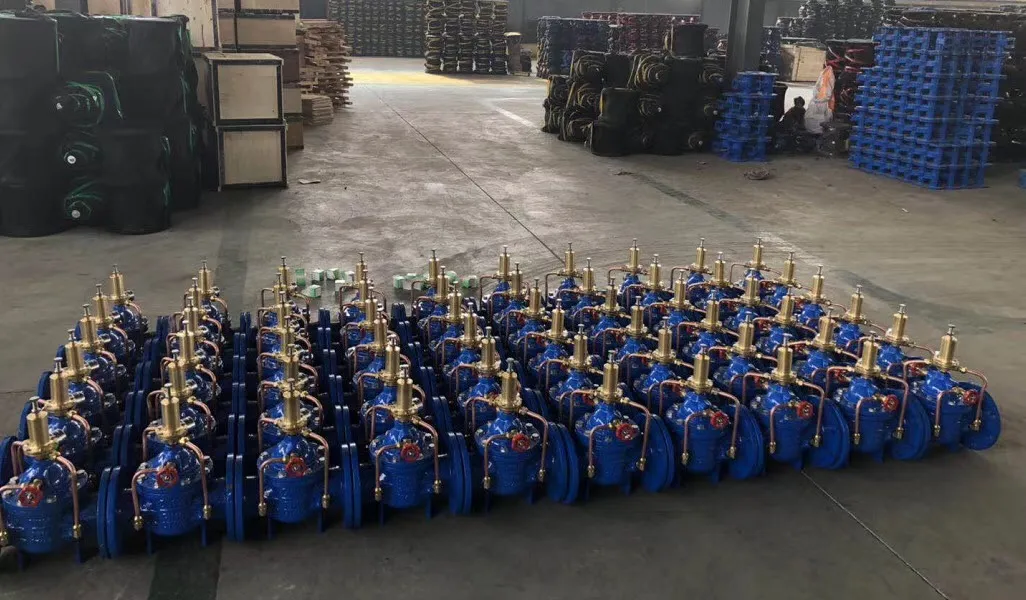
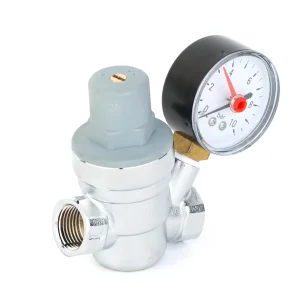
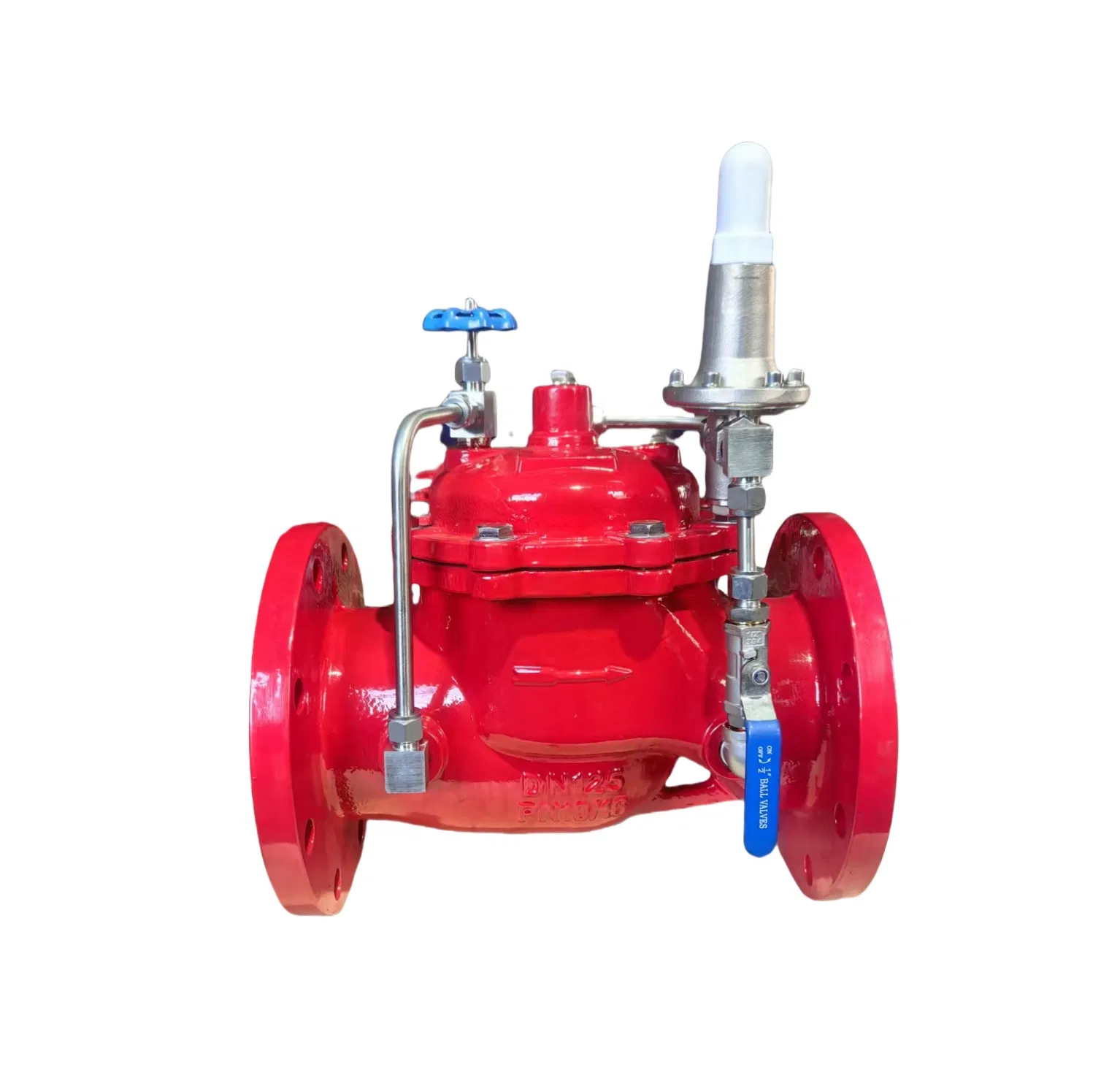
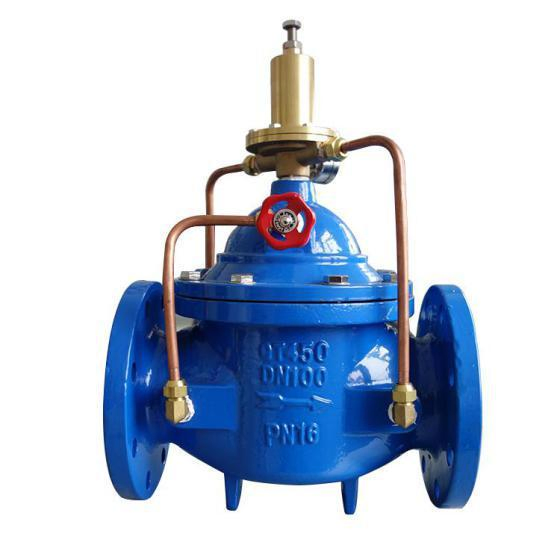
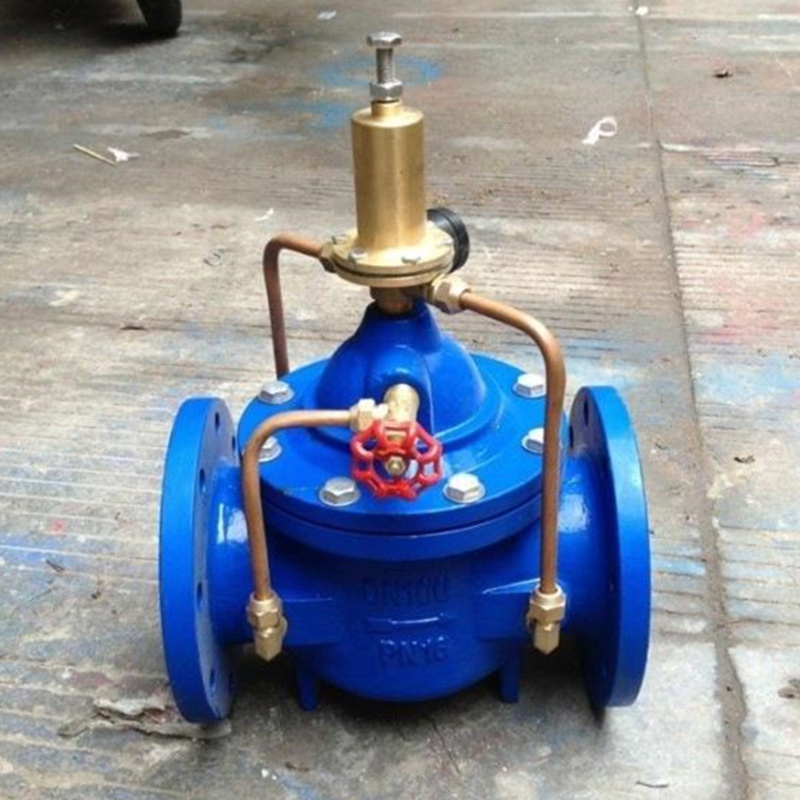
Pressure Reducing Valve automatically reduces a higher inlet pressure to a steady lower downstream pressure, regardless of changing flow rate and/or varying inlet pressure.
This valve is an accurate, pilot-operated regulator capable of holding downstream pressure to a re-determined limit. When downstream pressure exceeds the pressure setting of the control pilot, the main valve and pilot valve close drip-tight.
Our Pressure Reducing Valves adopt the latest technologies, with fully bore design, ensuring lowest head loss when fully open. Designed with anti-cavitation features for applications with high potential for damage, it provides optimum internal pressure control through a unique trim design.
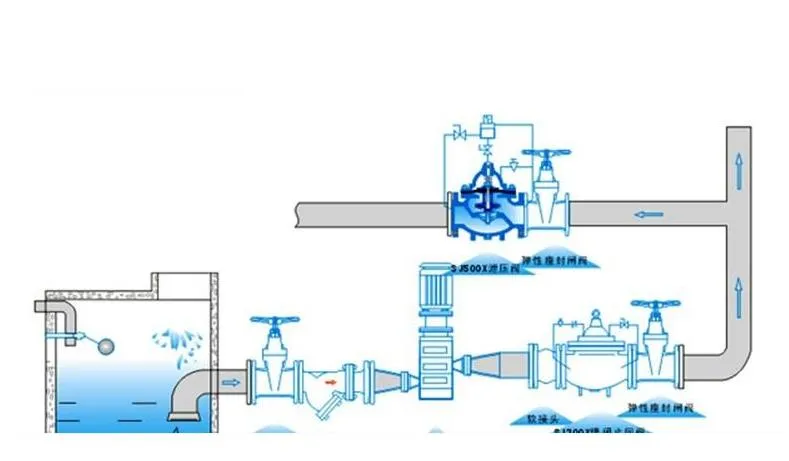
Pressure Relief Function: The main valve is installed at the sluicing bypass way in parallel with main pipelines. When upstream pressure exceeds the set value of the pilot valve, the main valve opens to lower pressure, preventing water hammer and ensuring pipeline safety.
Pressure Sustaining Function: When installed in-line (series), it stays closed if upstream pressure is below the set value. It opens automatically when pressure exceeds the limit to maintain a stable upstream range, essential for city water supply and fire hydrant systems to prevent excessive pumping from branched lines.
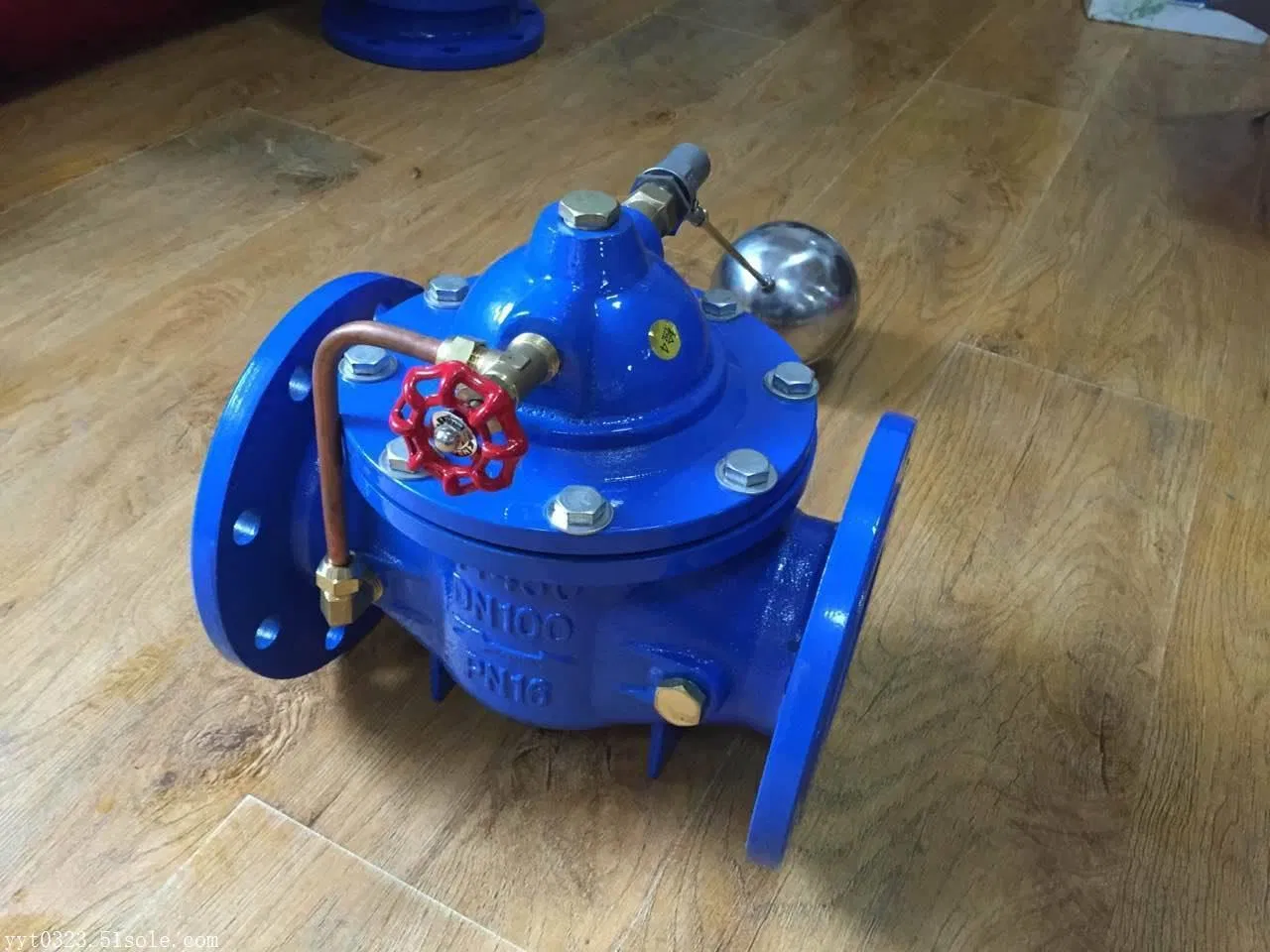
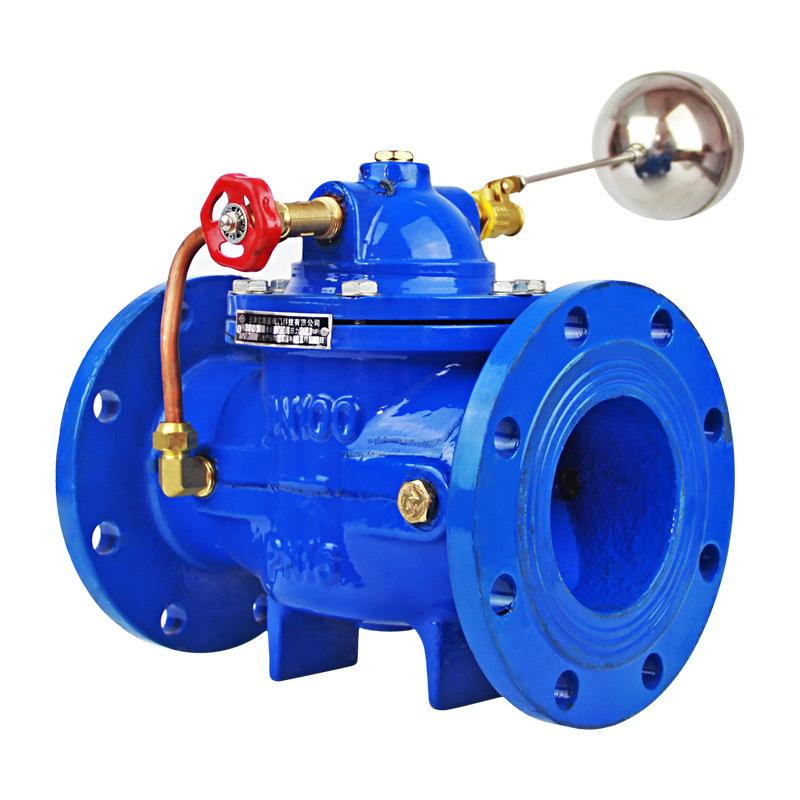
The system consists of a master valve, pilot valve, guide regulating valve, needle valve, ball valve, micro-strainer, and pressure gauges. It is a conduit pipe controlled system available in diaphragm or piston types depending on diameter.
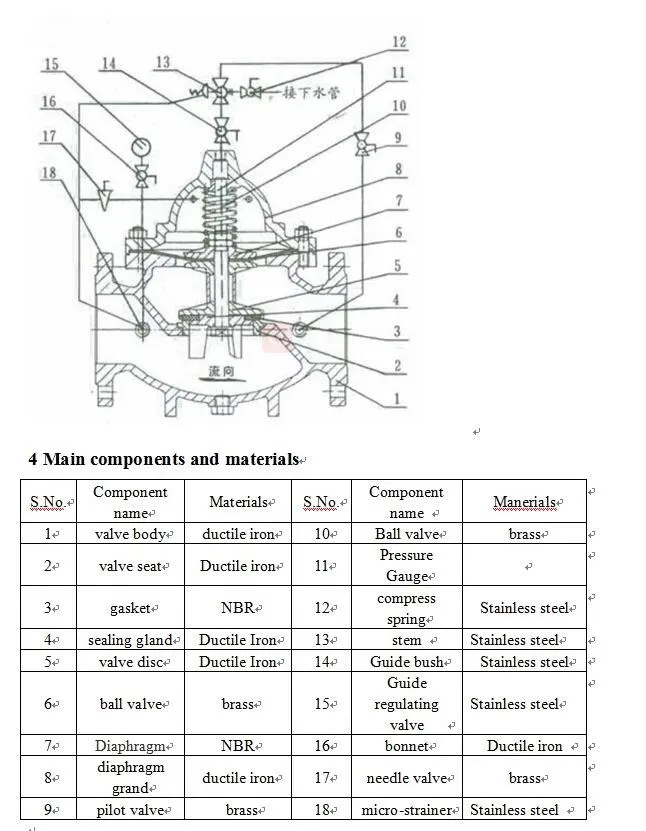
| No. | Component | Material |
| 1 | Valve Body | Ductile Iron |
| 2 | Valve Seat | Ductile Iron |
| 3 | Gasket | NBR |
| 4 | Sealing Gland | Ductile Iron |
| 5 | Valve Disc | Ductile Iron |
| 6 | Ball Valve | Brass |
| 7 | Diaphragm | NBR |