ElvisCast Precision
1 / 5

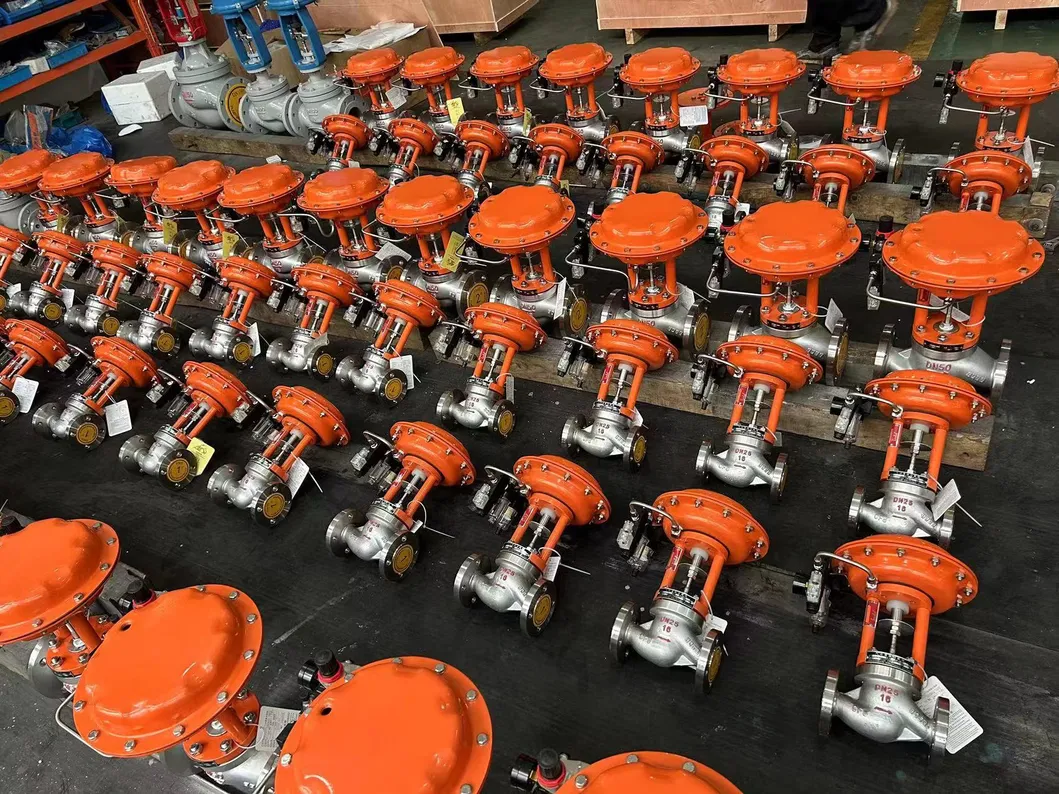
A leading industrial valve manufacturing enterprise is renowned for its good product quality and customer service. We specialize in the research, manufacturing, testing, and sales of valves. Our main product range includes ball valves, butterfly valves, gate valves, globe valves, check valves, designed for various industrial applications.
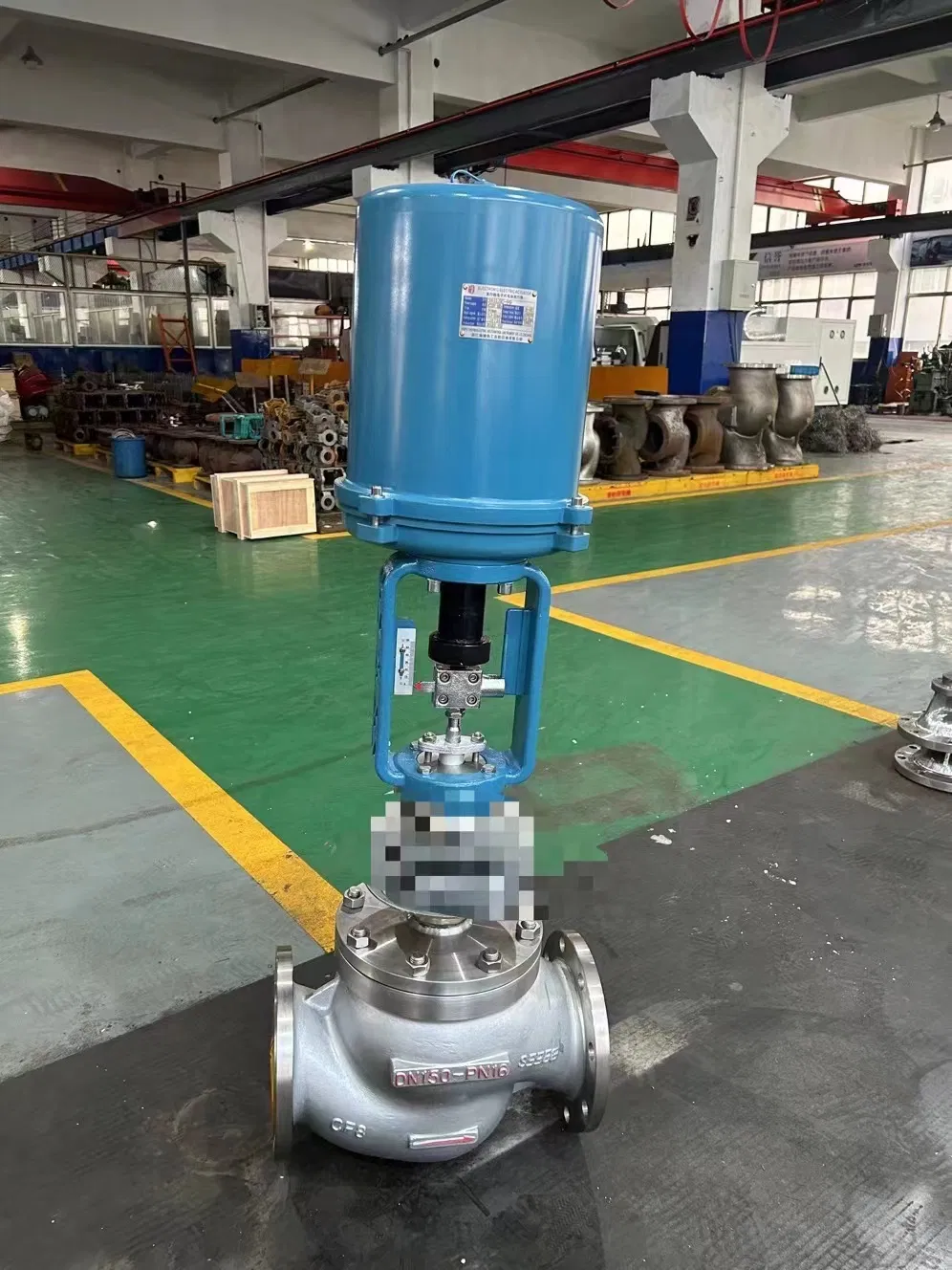
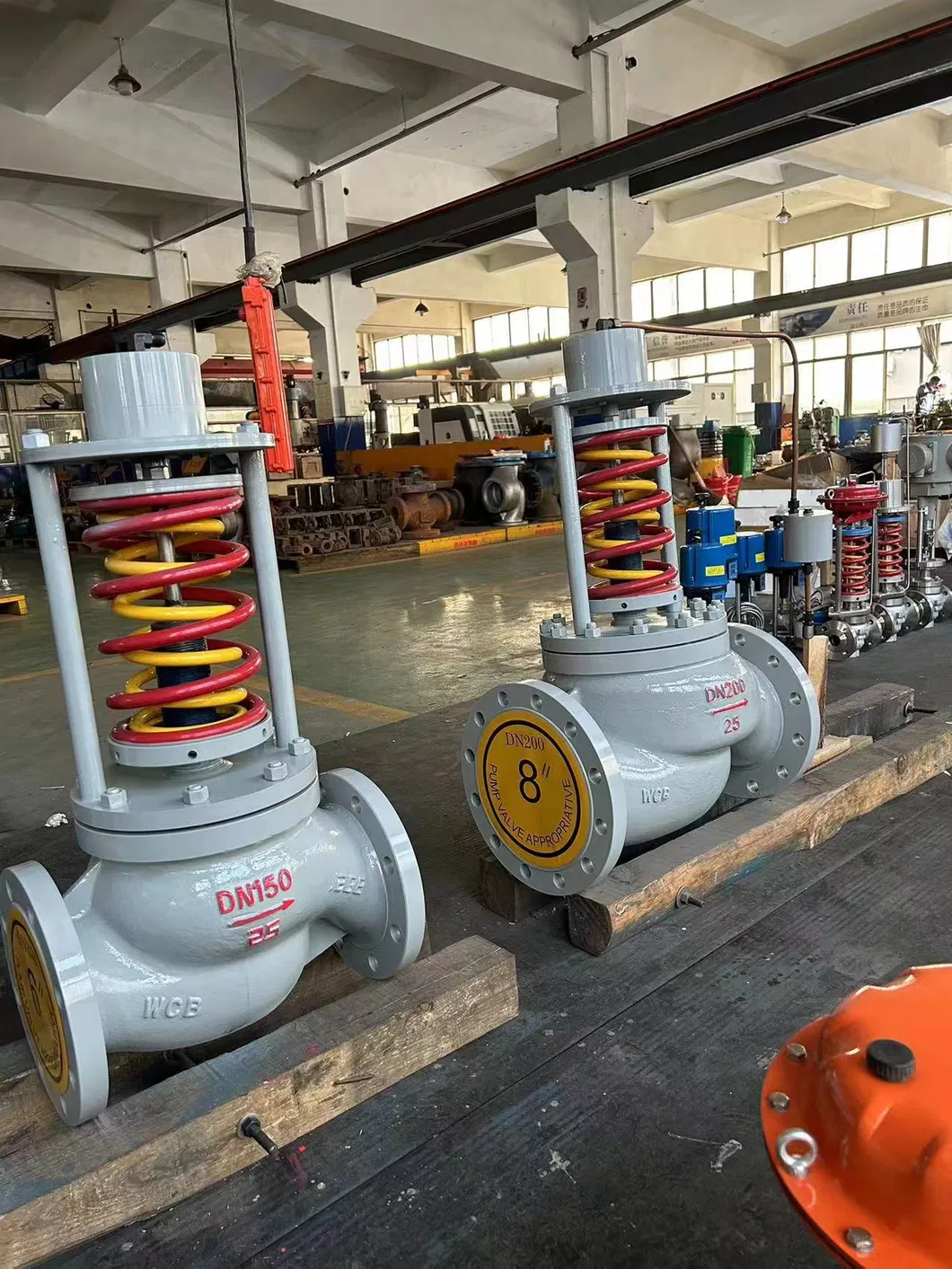
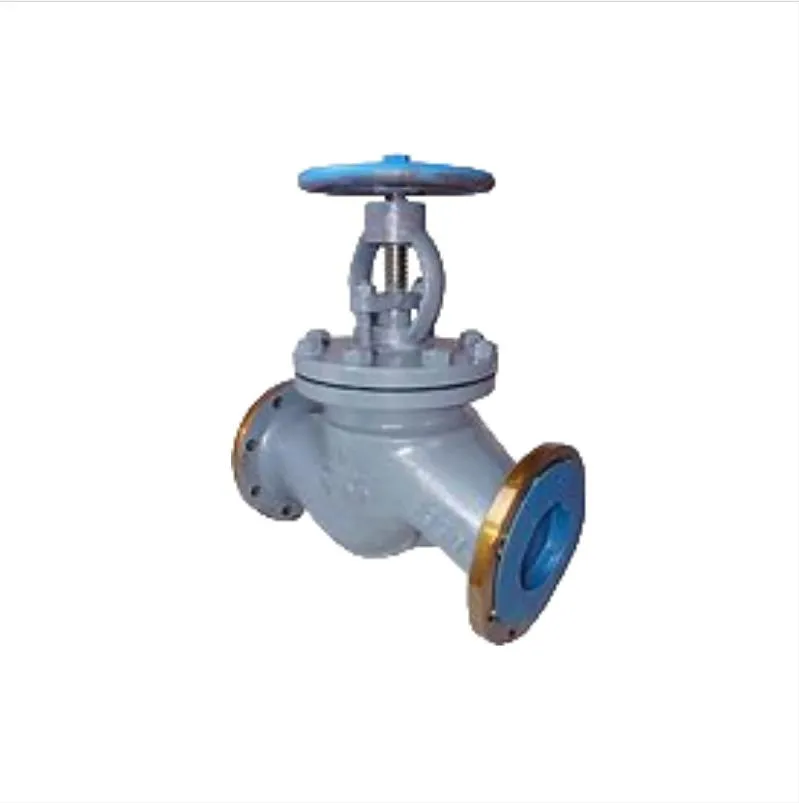
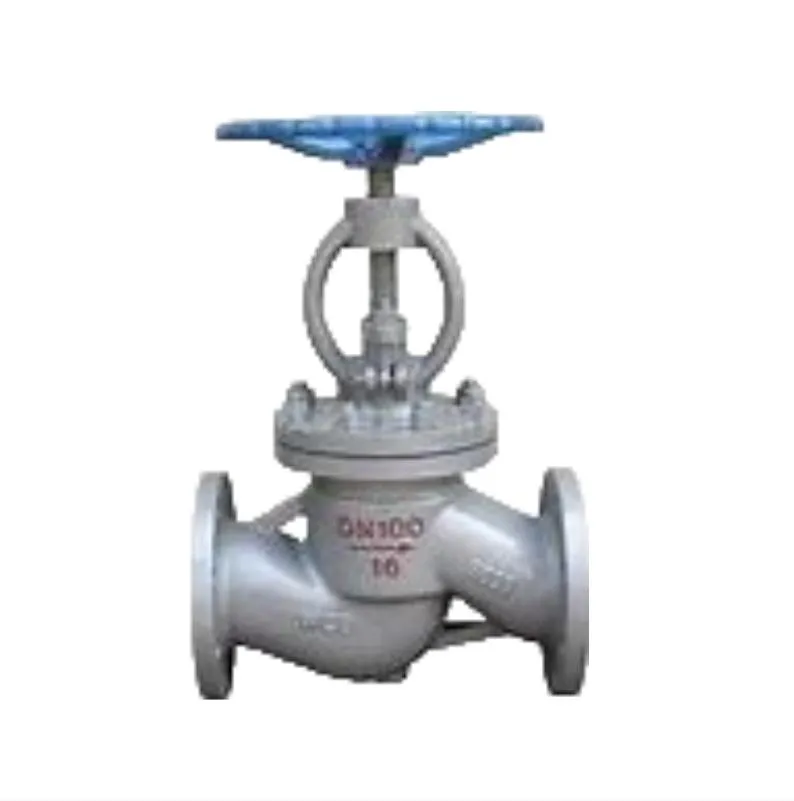
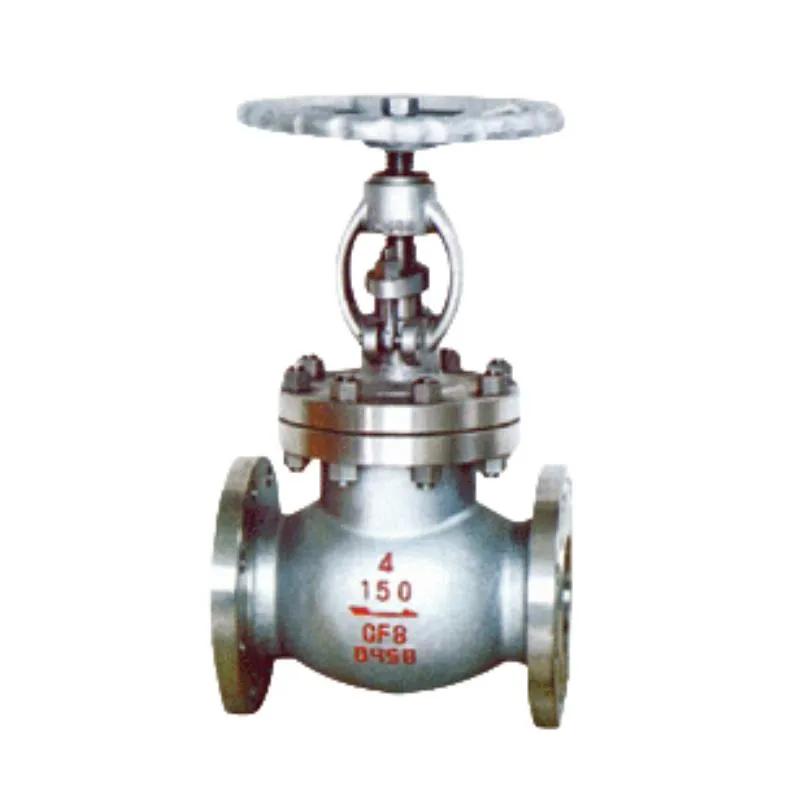
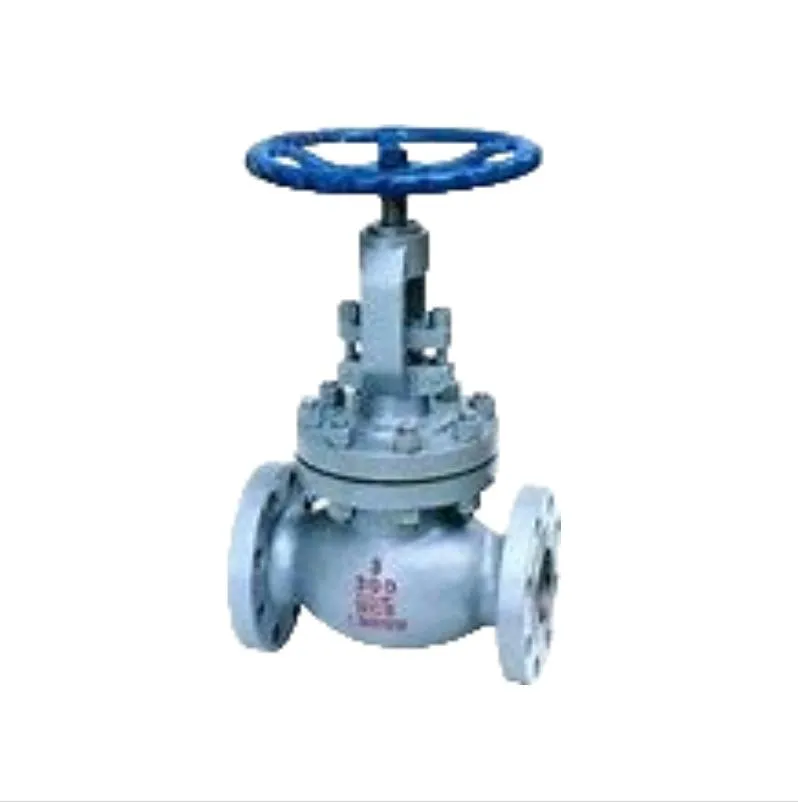
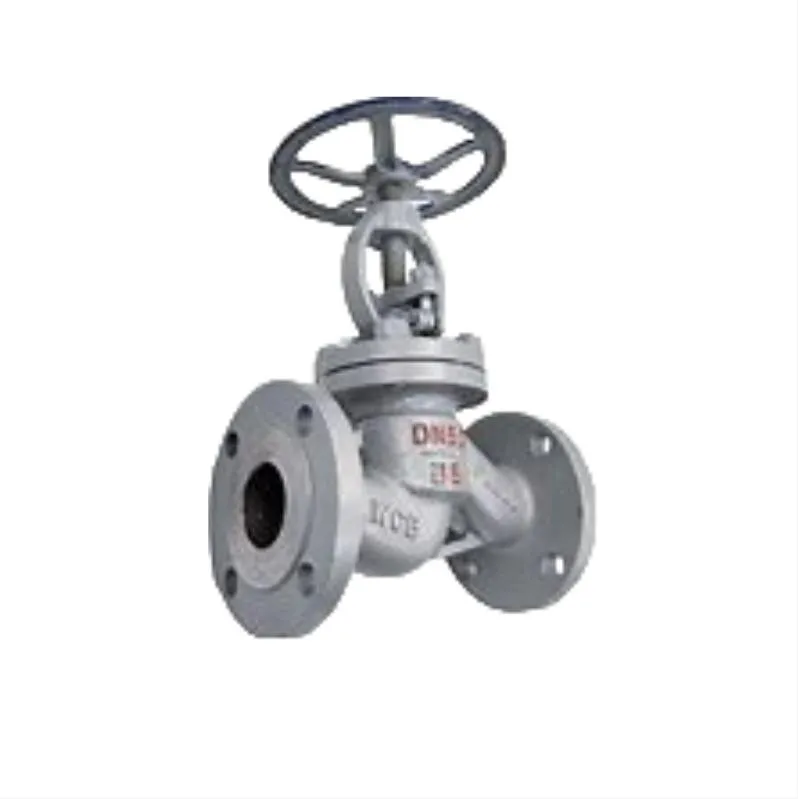
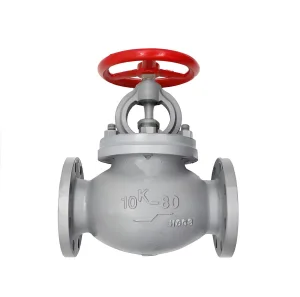
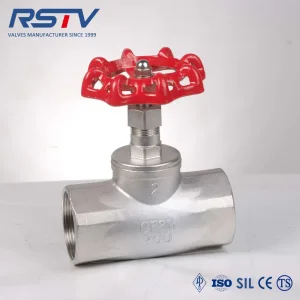
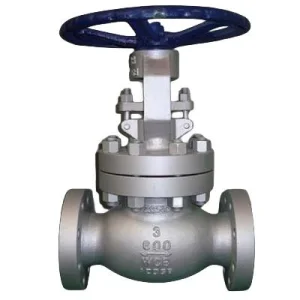
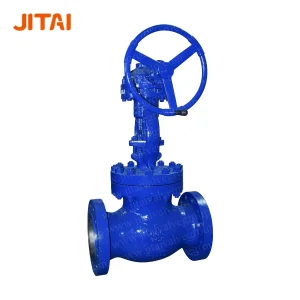
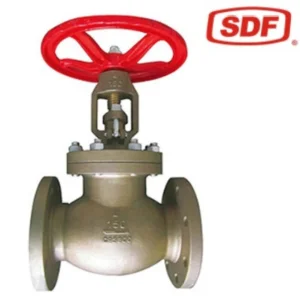
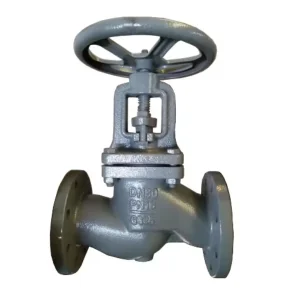
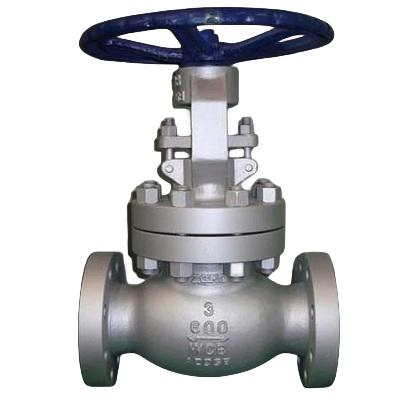
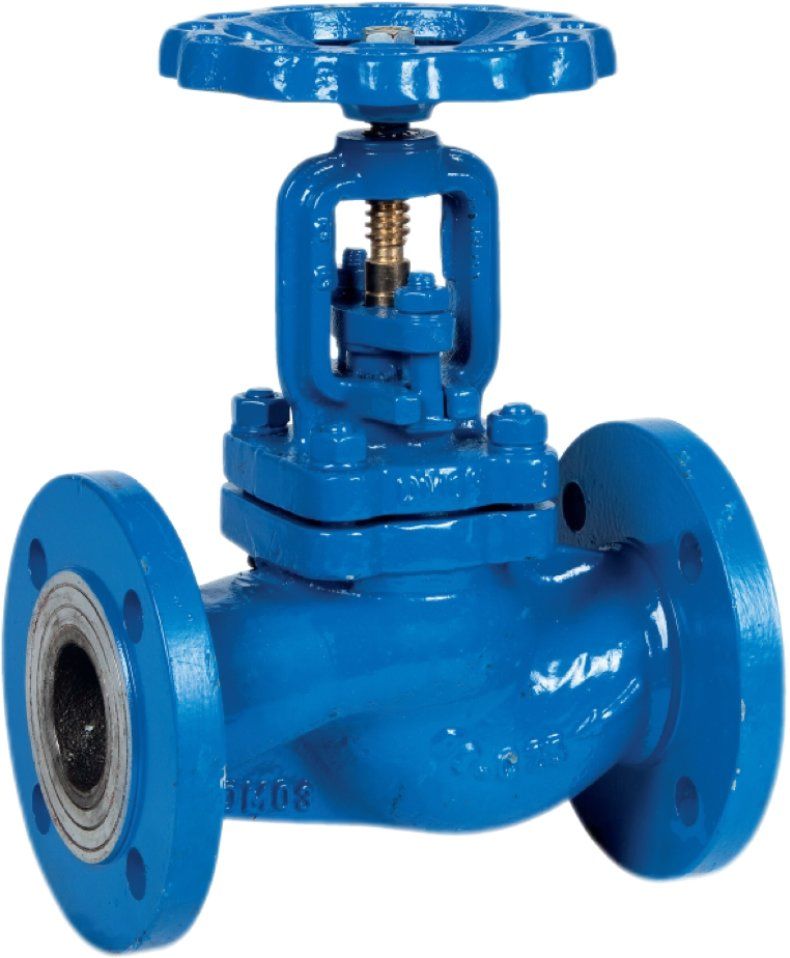
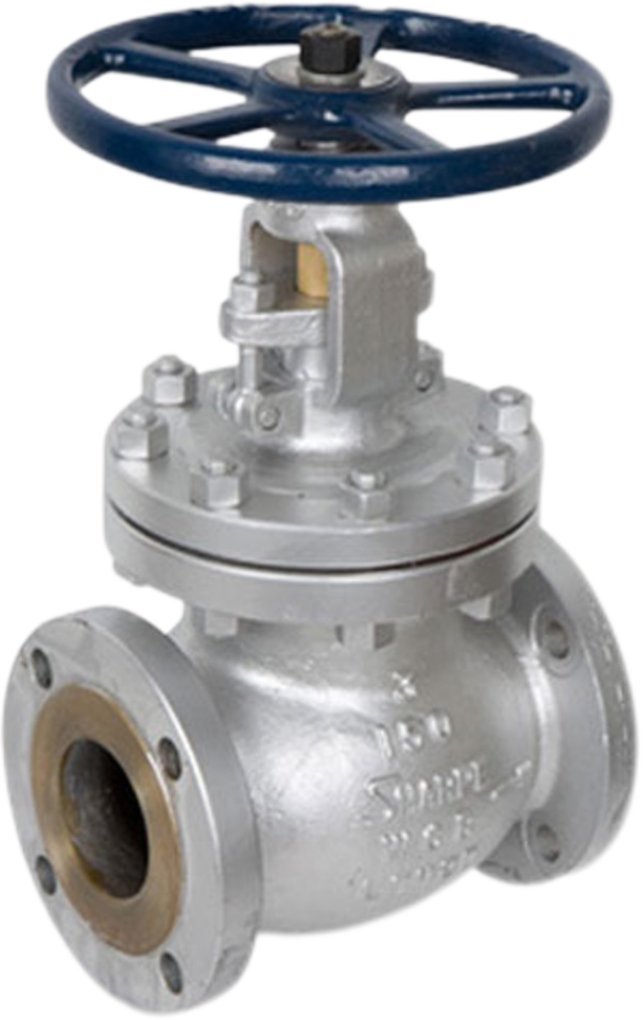
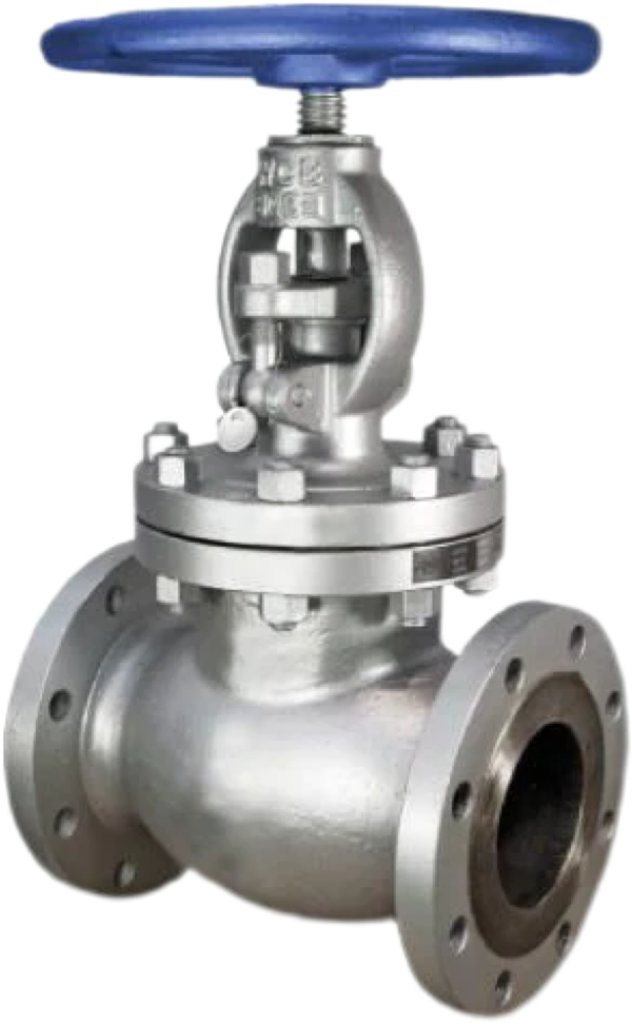
The structure design of the cast steel globe valve absorbs advanced technology globally. The valve body adopts a spherical structure for durability and aesthetic modeling. The valve seat and flap utilize a conical sealing structure to ensure reliable sealing. These globe valves are suitable for Class 150 ~ 300, with working temperatures ranging from -29 to 425 ºC (carbon steel) or -40 to 550 ºC (stainless steel). They are ideal for cutting off or connecting pipeline media such as water, steam, oil, nitric acid, acetic acid, and oxidizing media.

1. Product design and manufacture comply with ANSI B16.34 and E101 standards, ensuring direct compatibility with imported equipment.
2. The valve cavity utilizes a self-tight sealing structure; higher pressure in the cavity results in better sealing performance. The branch pipe ends are prepared for welding to adapt to various installation requirements.

Globe valve stems generally perform a rotating lift movement. When the handwheel is rotated clockwise, the stem threads move downward, bringing the sealing surfaces into close contact to close the valve. Conversely, counterclockwise rotation lifts the stem and opens the valve.
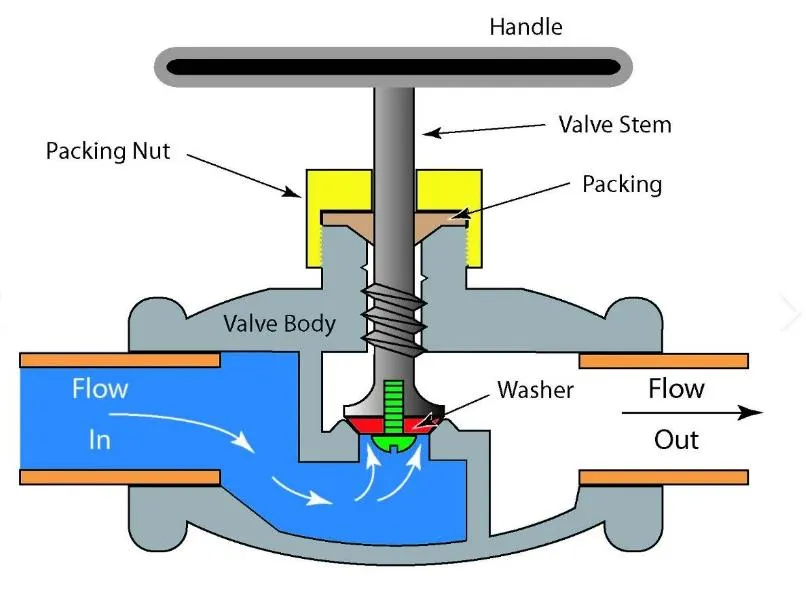

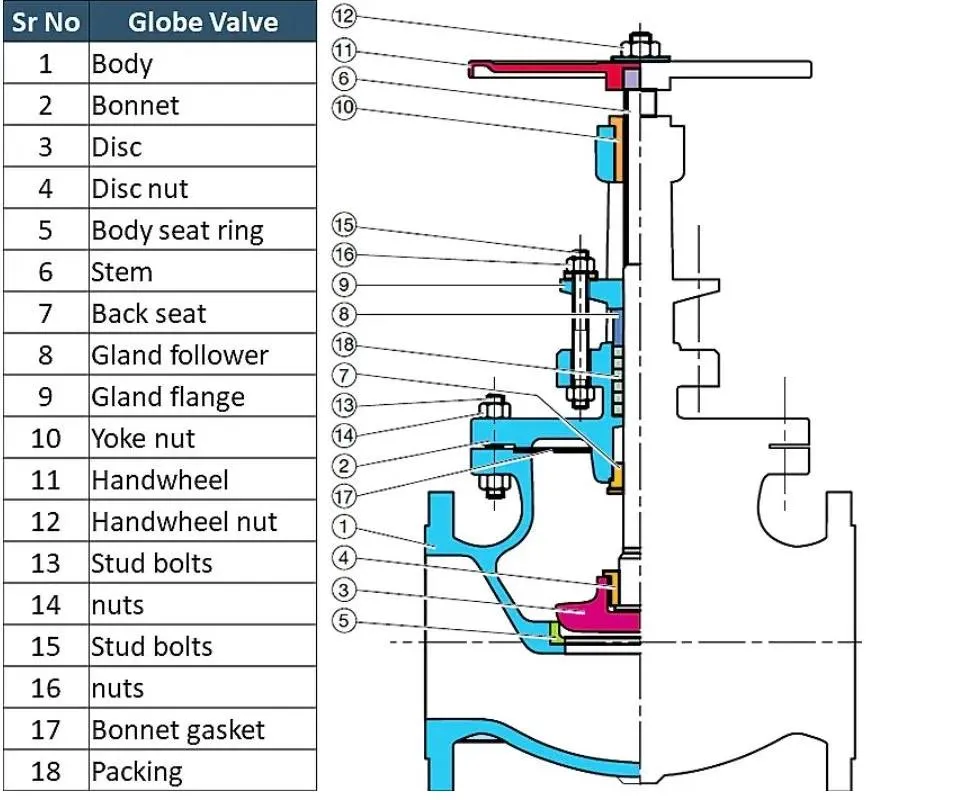
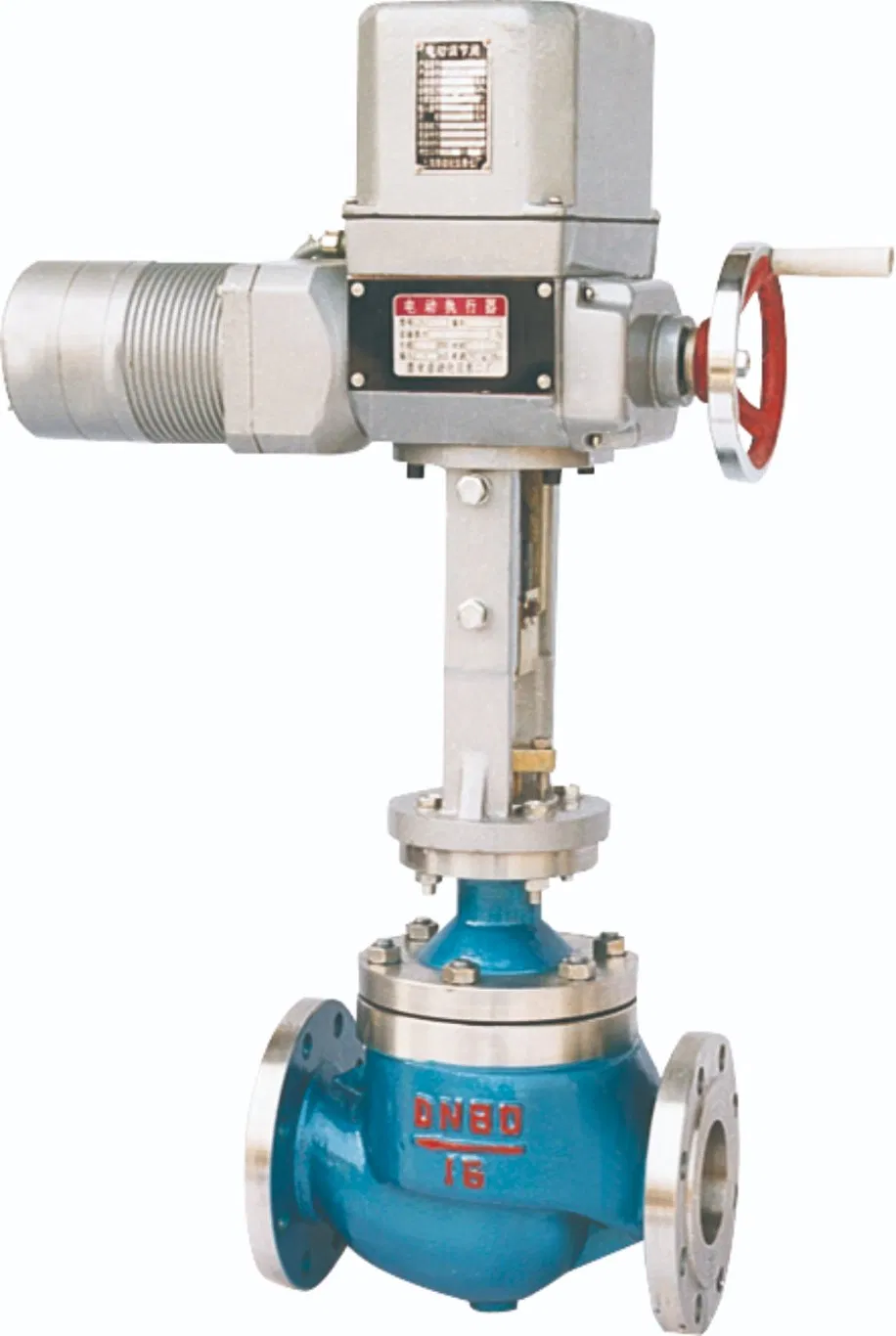
Key parts of globe valves include: Body, Seat Ring, Cage, Bonnet, Stem, Plug (Disk), Yoke, Yoke Nut, Back Seat, Packing, and Valve Actuator.
The body is the main structure that contains all internal parts to allow fluid regulation. It typically features two or three ports. The seat ring provides a stable, replaceable shutoff surface, sealing the space between the disk/stem and the bonnet.
The bonnet provides a leak-proof closure to the body. Types include bolted, screw-in, or union bonnets. The stem connects the disk to the handwheel or actuator, transmitting force. Manual stems are threaded, while actuator-driven stems are smooth with wearable packing to prevent leakage.
The plug moves perpendicular to the seat to block or free the flow. Various designs exist, such as composite types for better shut-off, ball types for low-pressure systems, and needle types for precise throttling.