ElvisCast Precision
1 / 5
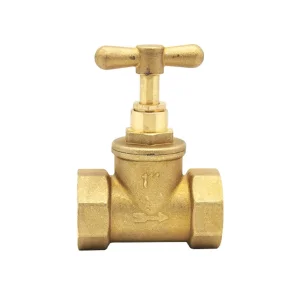
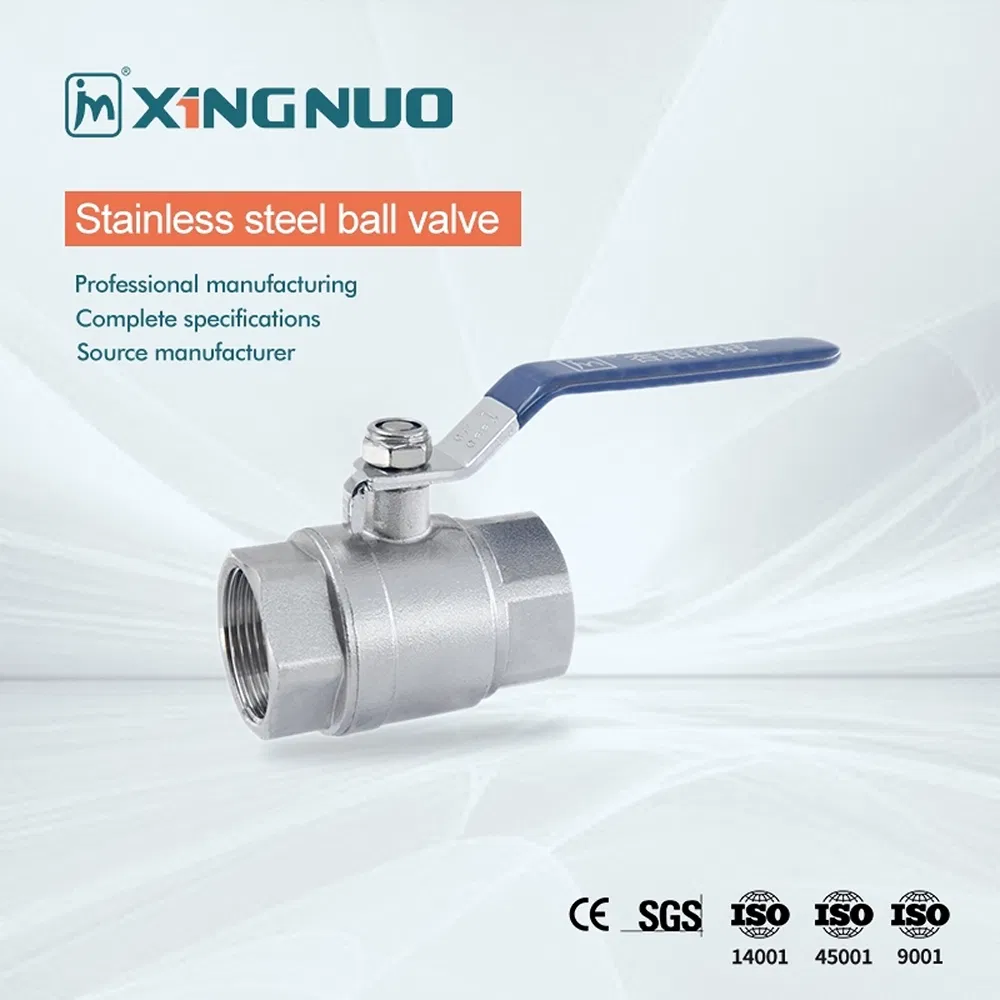
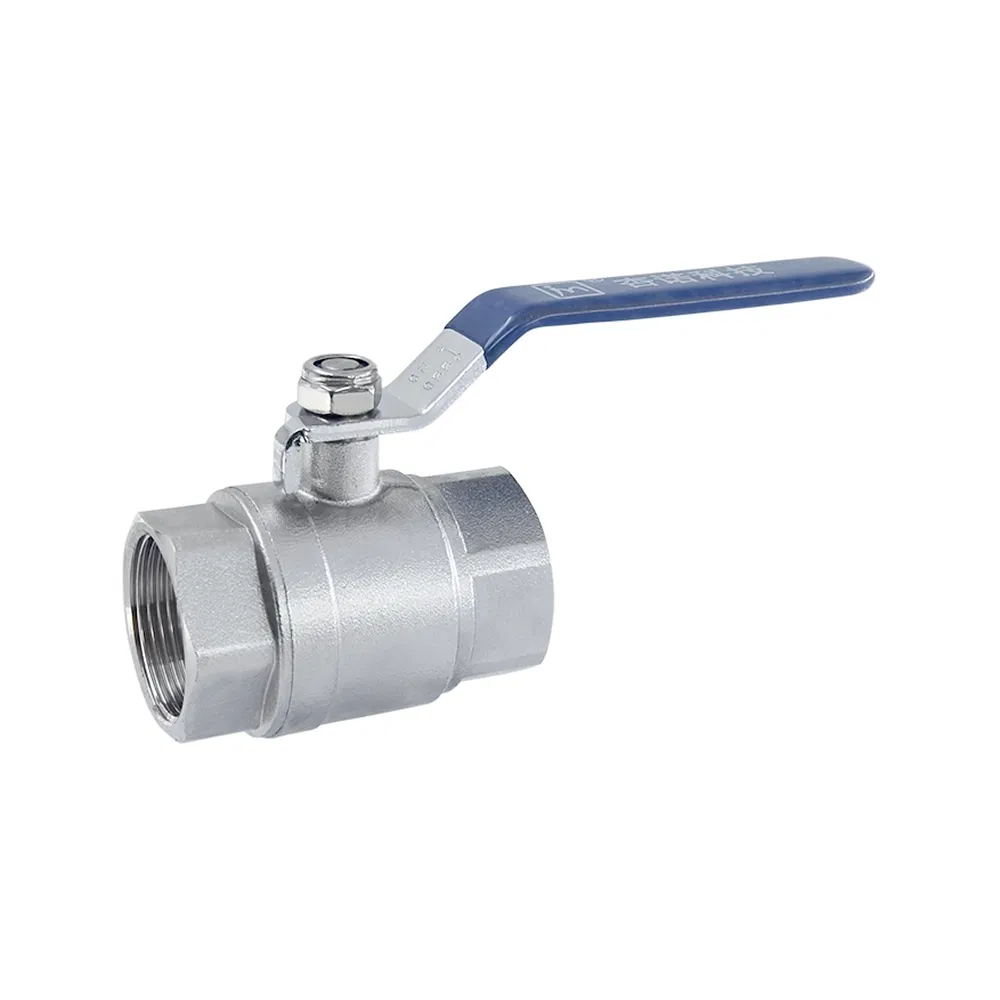
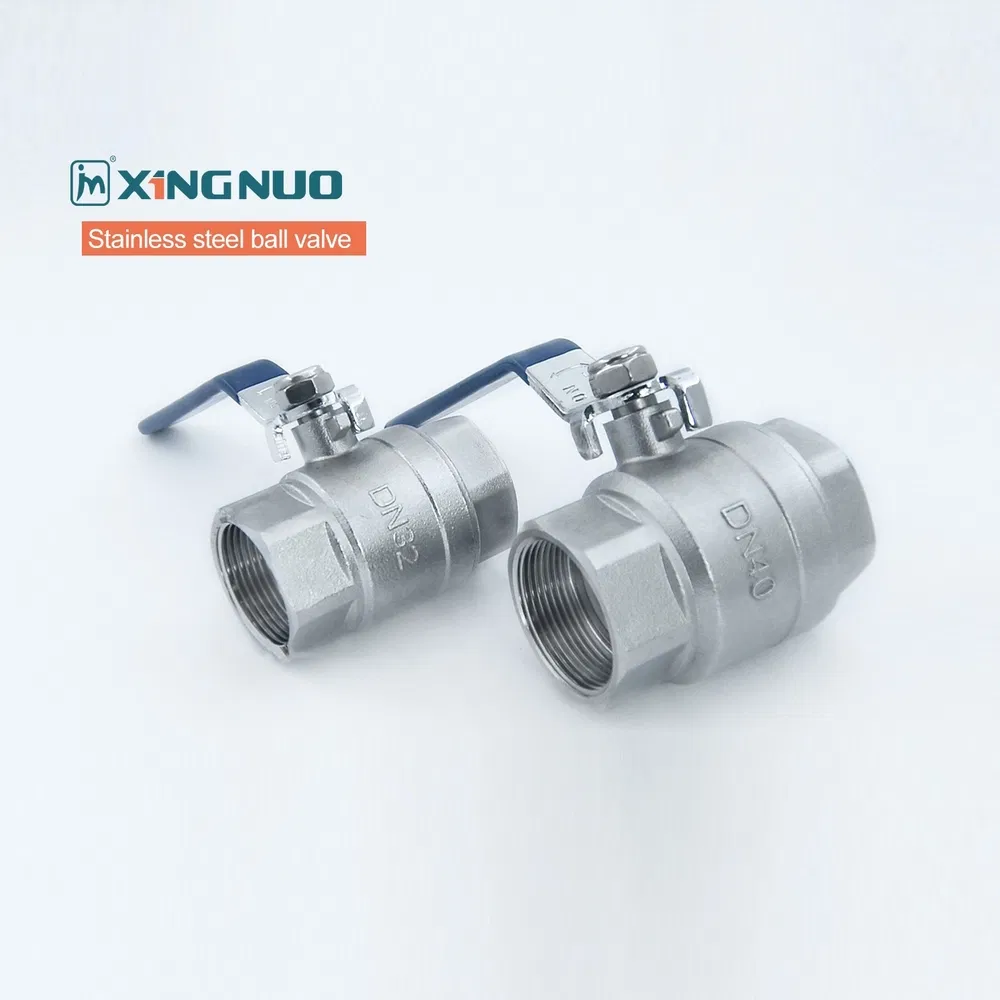
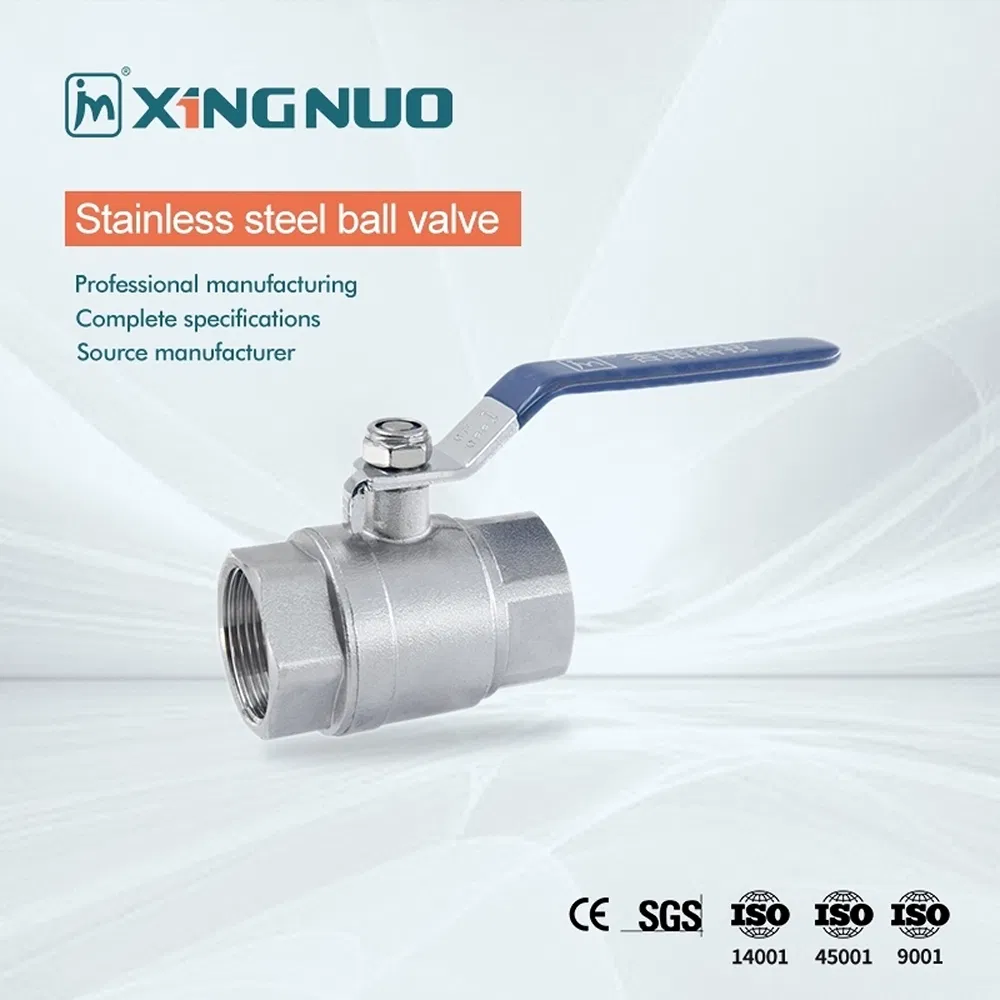
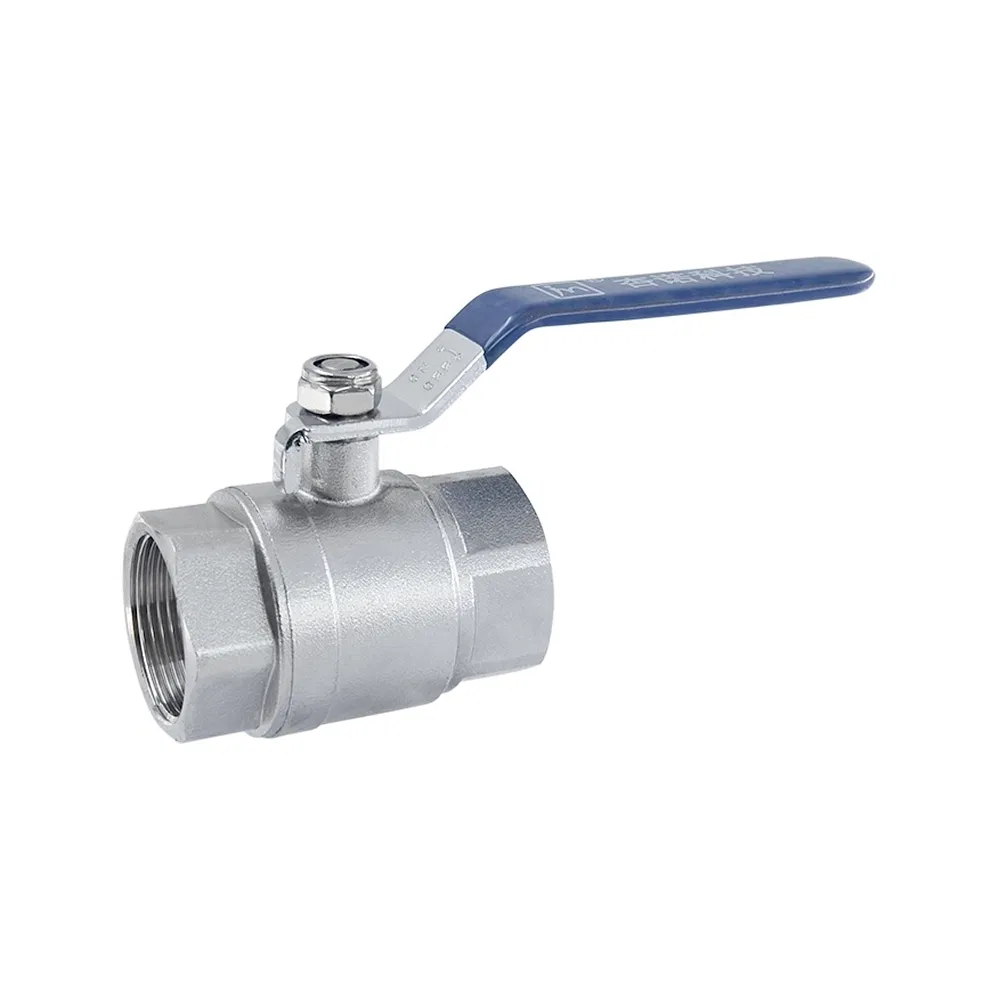
The ball valve is a fluid control device widely used in the industrial field. Its core component is a sphere with a circular through hole, which is rotated to open and close the fluid. Featuring a compact structure and superior sealing performance, it operates stably under harsh conditions including high pressure and varying temperatures. It is an indispensable component in modern petroleum, chemical, and water treatment systems.
The sealing performance is a primary advantage. A special sealing structure between the ball and valve seat achieves zero leakage even under high pressure differences. Made of wear-resistant materials, these valves ensure long-term operation with minimal maintenance.
| Size | A | B | C | D | E |
|---|---|---|---|---|---|
| 1/2" | 45 | 27 | 41 | 53.5 | 13.5 |
| 3/4" | 48.5 | 32 | 44 | 53.5 | 17 |
| 1" | 80 | 41 | 56 | 67 | 22.5 |
| Size | Weight (g) | Inner Box (mm) | Carton (mm) | Qty/Box | Qty/Carton |
|---|---|---|---|---|---|
| 1/2" | 126 | 17×11×6 | 36×25×19.5 | 12 | 144 |
| 3/4" | 170 | 17×13.5×7 | 36×28.5×22.5 | 10 | 120 |
| 1" | 315 | 17×15×8.3 | 36×31.5×26.5 | 8 | 96 |
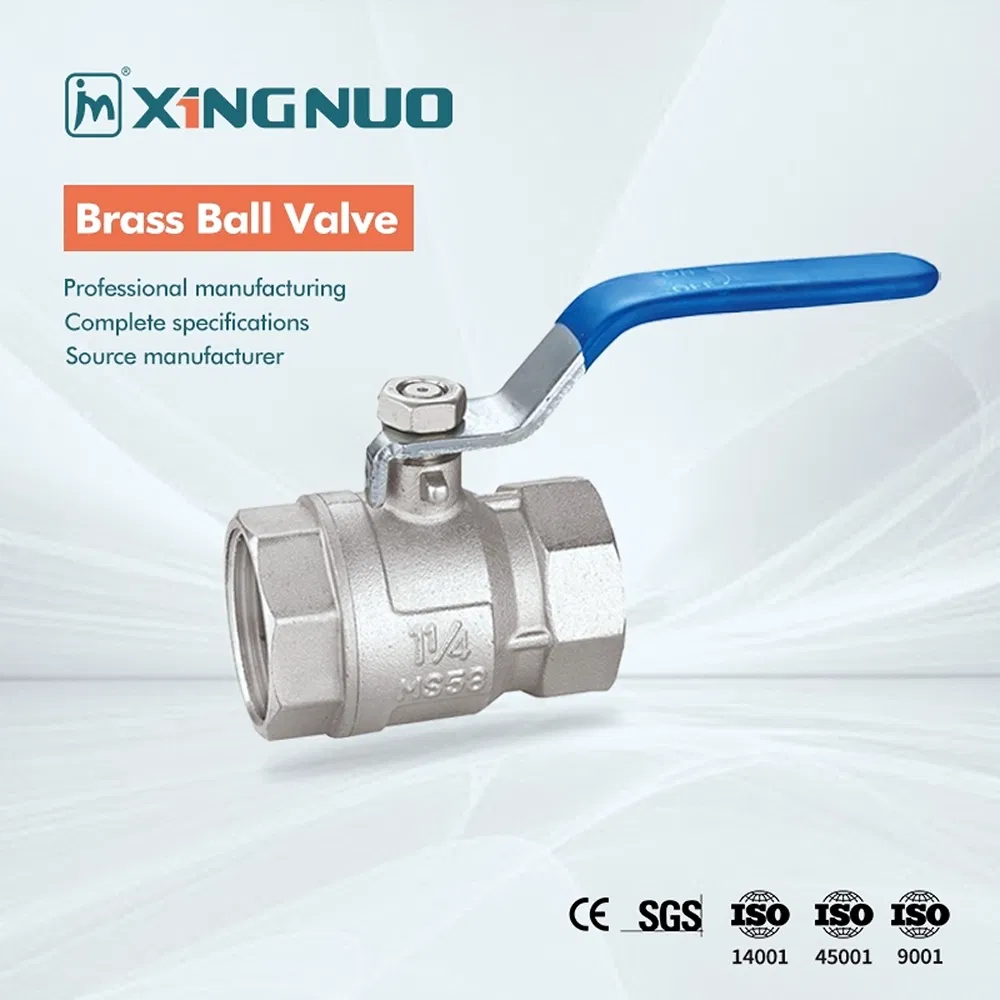
Low Flow Resistance: Actual resistance is close to zero, reducing pressure loss.
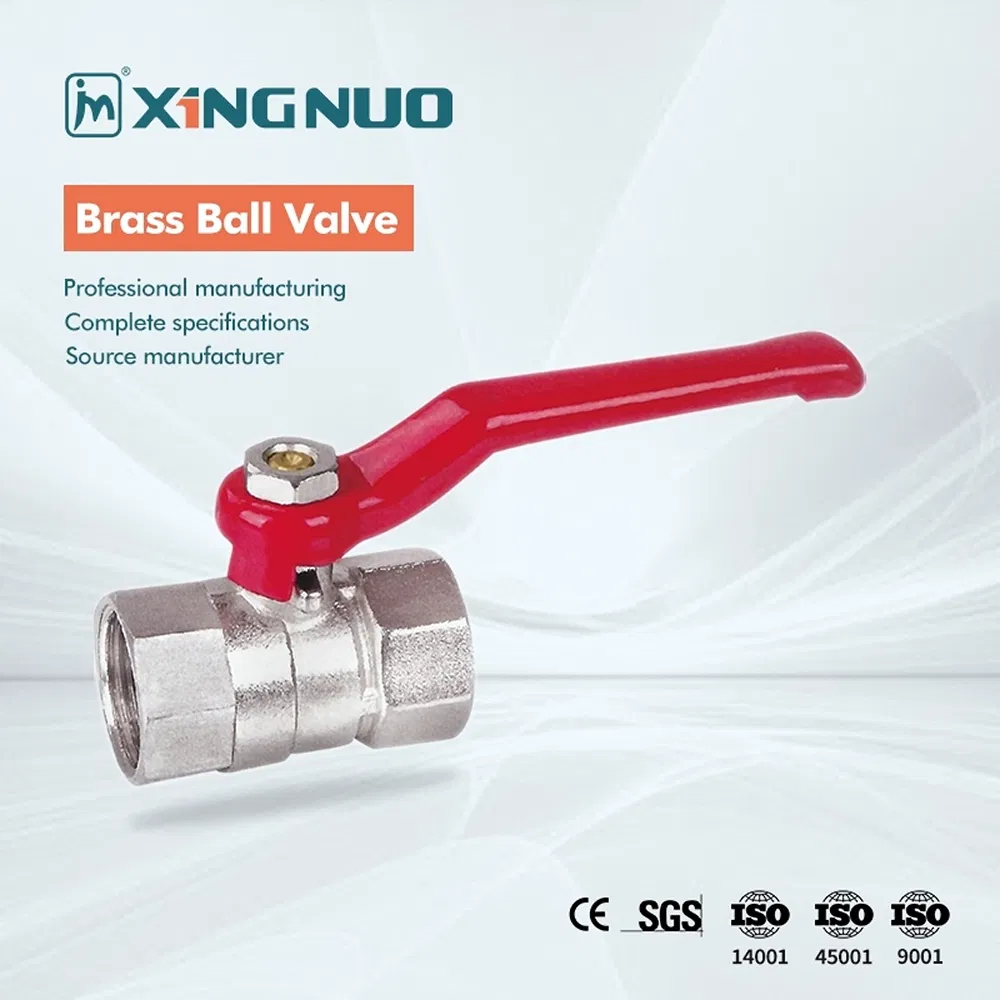
Good Sealing Performance: Metal sealing surfaces ensure zero leakage.
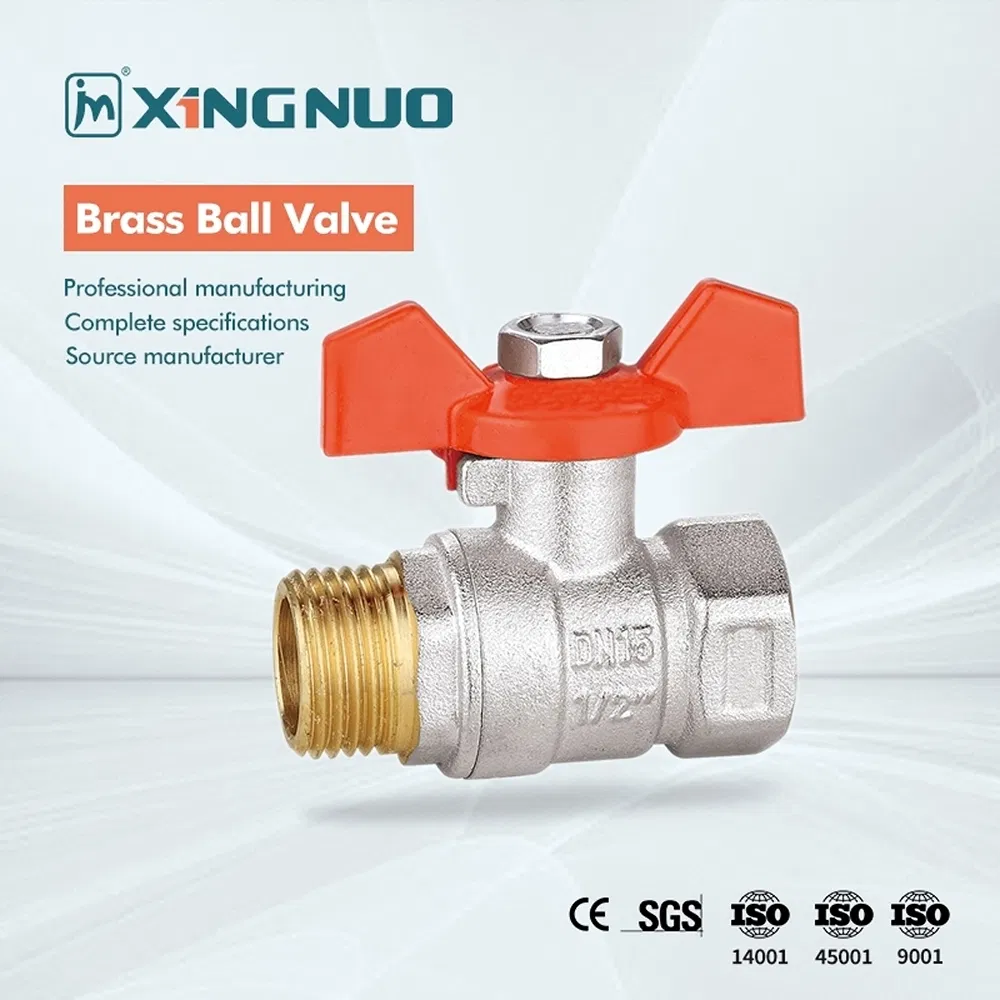
Easy to Operate: Simple 90-degree rotation for full open/close control.
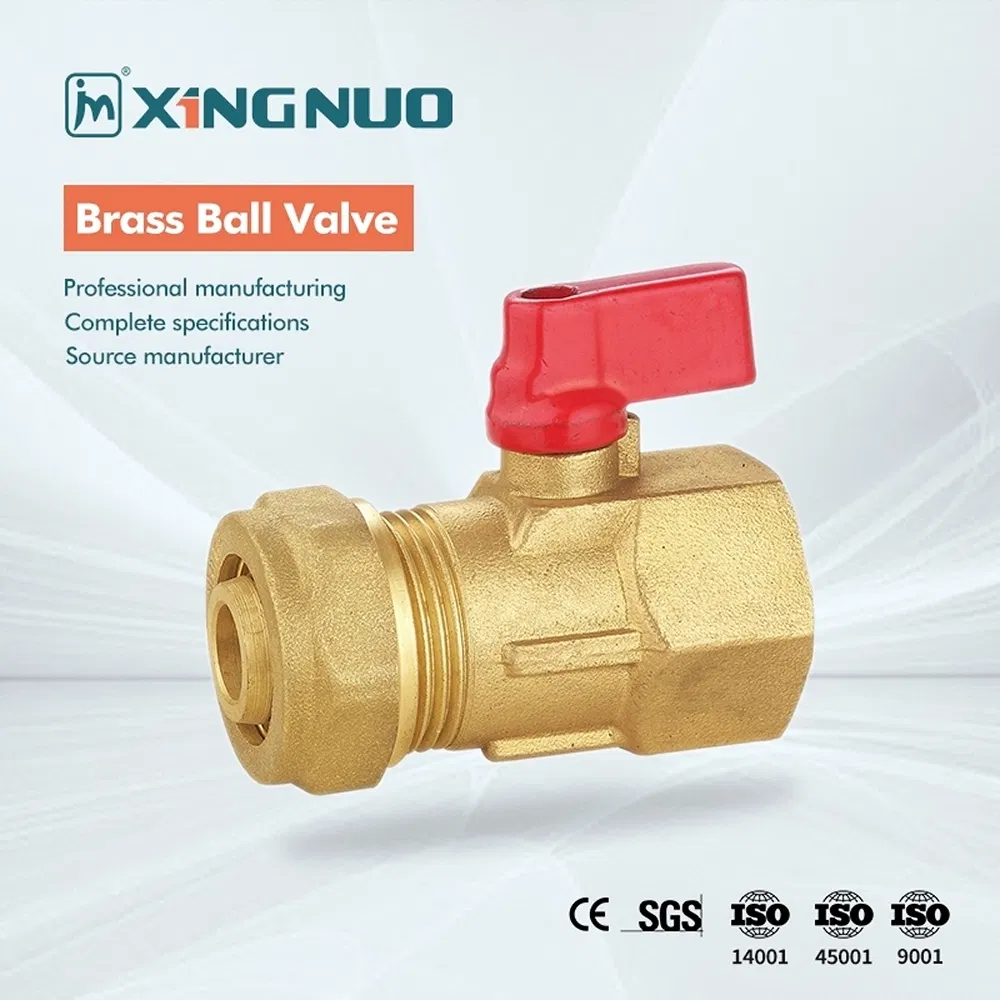
Easy Maintenance: Movable sealing rings allow for quick disassembly.