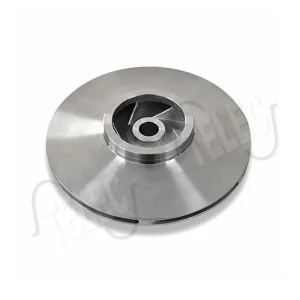
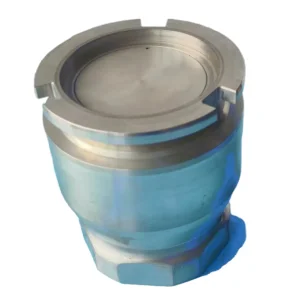
Explore our high-precision structural hardware, cast valves, and custom metal fabrication catalog, engineered to meet stringent global standards including ASTM, DIN, ISO, and JIS.
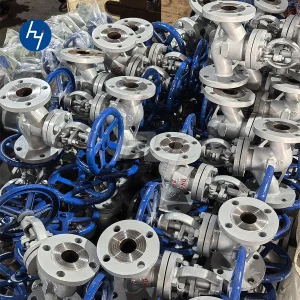
In high-stakes industrial applications—ranging from oil and gas pipeline assembly to structural civil engineering—the reliability of threaded fasteners, structural bolts, flanges, and piping components is non-negotiable. Sourcing from top China bolt manufacturers and precision casting mills has transitioned from a simple cost-reduction tactic to a sophisticated, value-driven strategy focused on technology, material innovation, and integrated engineering solutions. Organizations seeking procurement resilience must evaluate partners on their raw material integrity, advanced machinery, and rigorous compliance infrastructure.
“Information Gain in Engineering: Modern fasteners are no longer passive commodities. They are active engineering elements that define the lifespan of structural joints under high vibration, temperature fluctuations, and aggressive corrosion.”
The foundation of any high-performance fastener is its metallurgical profile. China’s premier manufacturing plants utilize state-of-the-art smelting, wire drawing, and heat treatment technologies to produce carbon steels, alloy steels, and stainless steels (such as Duplex 2205, SS304, and SS316) that exhibit consistent yield-to-tensile ratios. In demanding applications, sourcing engineers rely on specific standards:
The integration of Industry 4.0 principles within China’s top manufacturing corridors has drastically reduced dimensional variance and material waste. Modern bolt and component fabrication processes rely on a blend of multi-station cold heading machines, precision hot forging lines, and automated thread rolling mills. These technologies guarantee that root dimensions and pitch diameters adhere strictly to ISO, ANSI, or DIN tolerances.
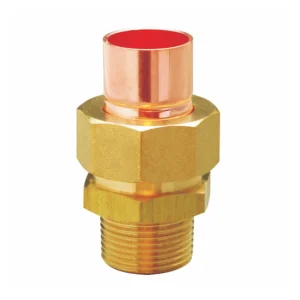
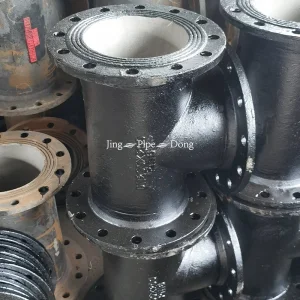
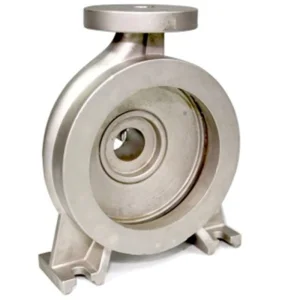
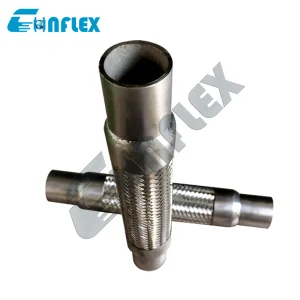
Furthermore, facilities like Shanghai ElvisCast Precision Co., Ltd. bridge the gap between structural components and fluid control systems. Armed with advanced investment casting lines, state-of-the-art CNC machining centers, and comprehensive physical-chemical laboratories, modern Chinese manufacturers offer vertically integrated services. This includes producing everything from customized heavy-duty industrial bolts, flange adapters, and pipe connectors to high-performance cast valves and pump impellers under one unified quality system.
The fastener industry is undergoing a digital and physical revolution. Key advancements shaping the next decade of bolt manufacturing include:
Selecting the right fastening and pipe-joining components depends heavily on the operating environment. A mistake in material selection can lead to catastrophic stress corrosion cracking (SCC) or galvanic corrosion. The following table provides a matrix for matching hardware to operational demands:
| Industry Sector | Dominant Mechanical Stressors | Recommended Fastener Material | Standard Specifications |
|---|---|---|---|
| Oil & Gas (Offshore/Onshore) | H2S sour gas, high pressure, marine splash zones | Super Duplex, Alloy 625, ASTM A193 B7 (PTFE coated) | API 20F, ASTM A193 / A320 |
| Wind & Solar Renewable Energy | High cyclic fatigue, continuous vibrations, UV exposure | Medium Carbon Alloy Steel, hot-dip galvanized (HDG) | ISO 898-1 Class 10.9, EN 14399 |
| Chemical & Processing Plants | Acid/alkali exposure, high thermal cycling | SS316, Hastelloy, Titanium Gr. 2 | ASTM F593, DIN 931 / 933 |
| Heavy Civil Infrastructure | Seismic loading, constant dead/live loads | High-strength structural carbon steel | ASTM A325, ASTM F3125, Grade 8.8 |
Ensuring E-E-A-T (Experience, Expertise, Authoritativeness, and Trustworthiness) requires transparent quality control. Trusted manufacturers demonstrate their commitment to excellence by providing certified testing records with every shipment:
Take a detailed look at our advanced manufacturing lines, CNC centers, investment casting workshops, and testing facilities designed to maintain maximum precision across all batches.
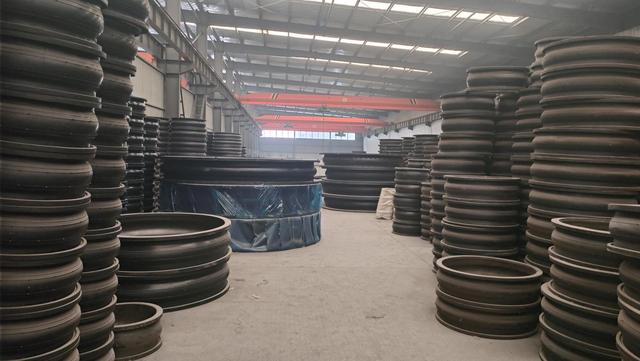

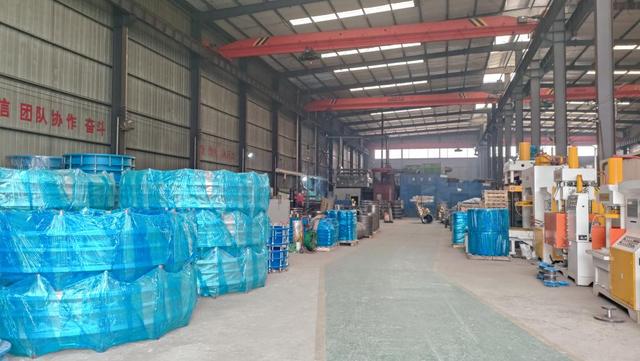
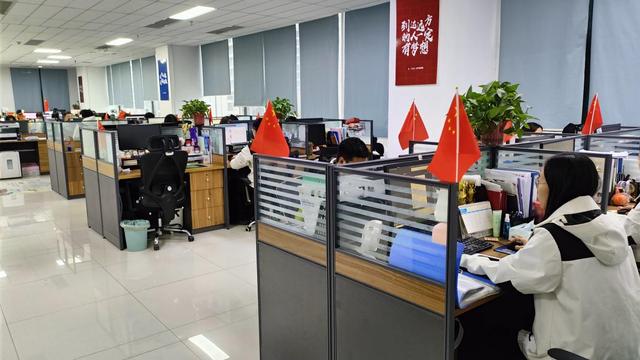
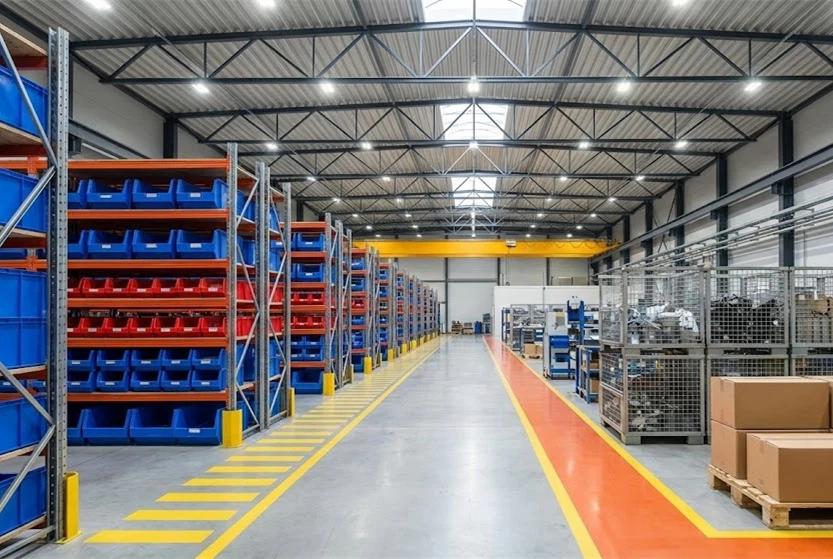
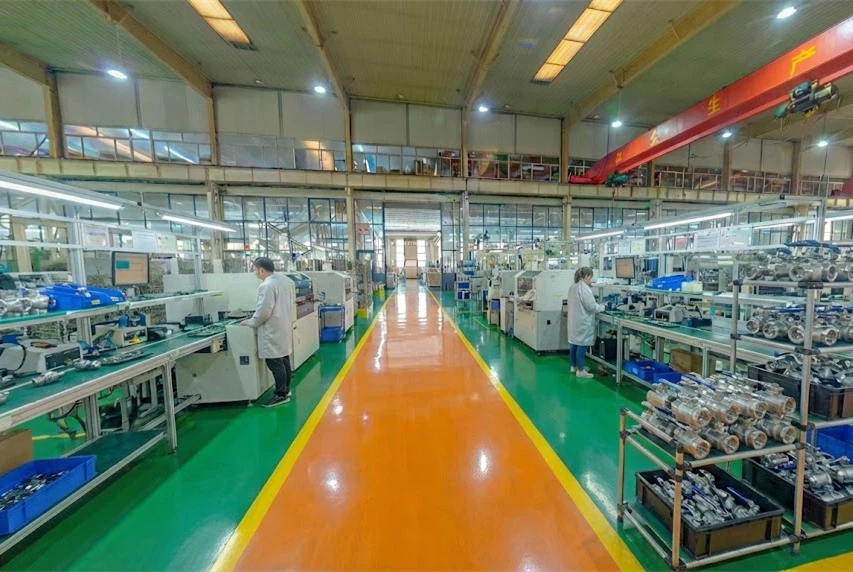
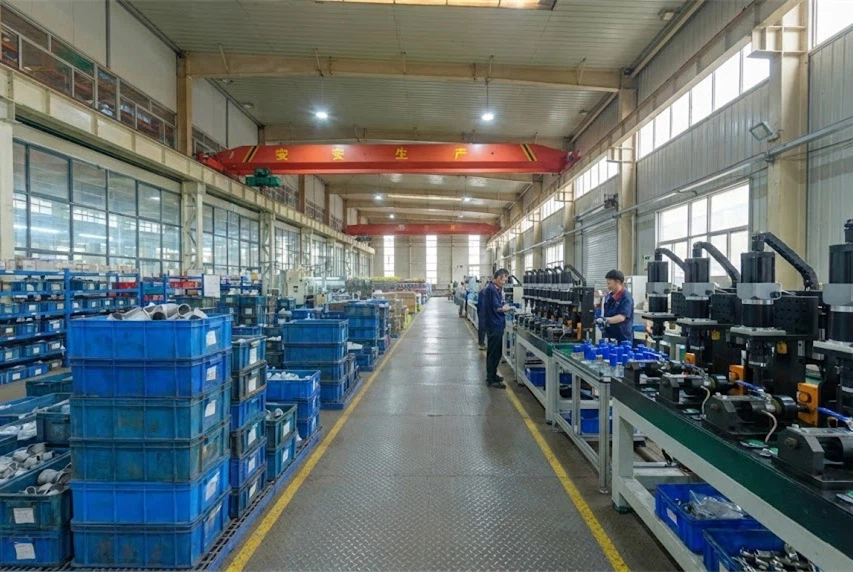
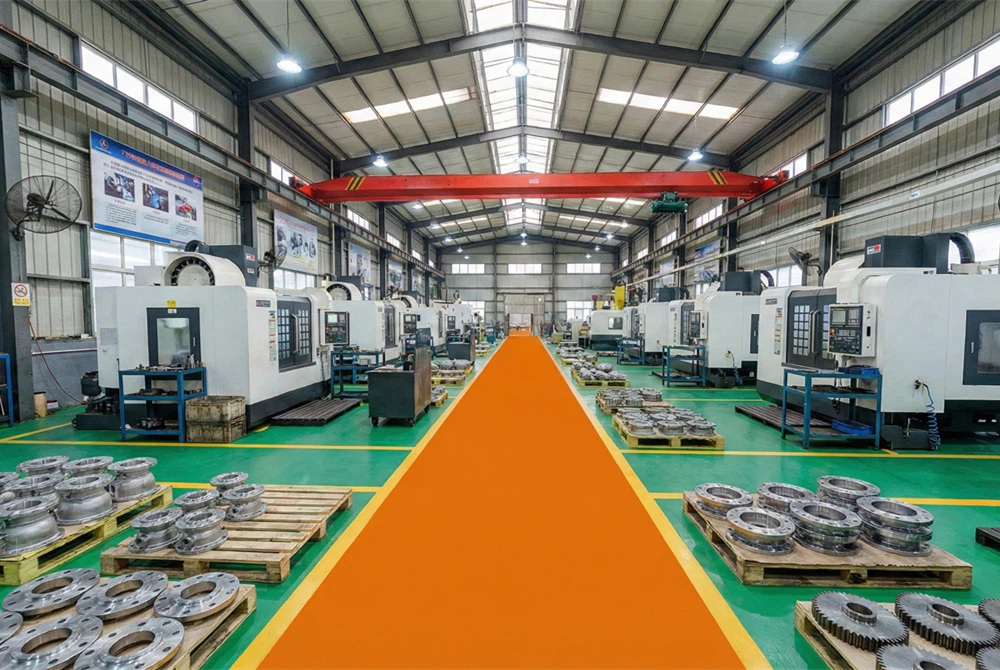
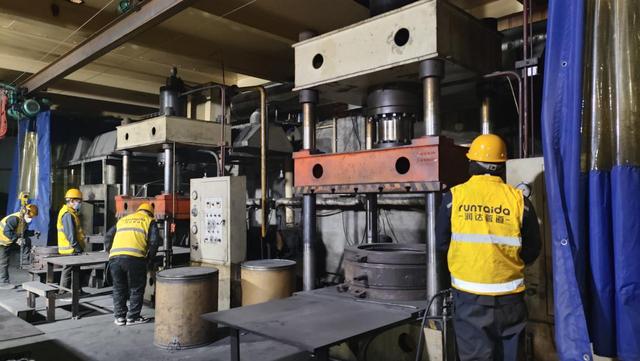
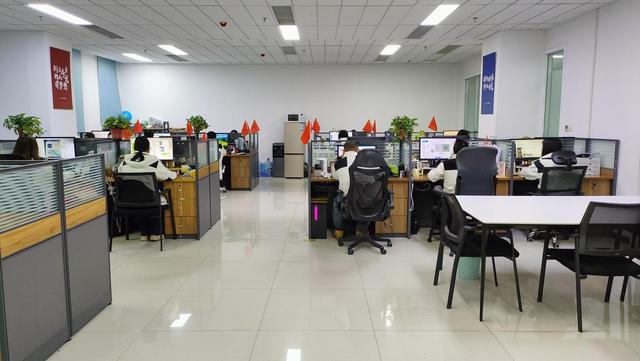
Shanghai ElvisCast Precision Co., Ltd. is a leading industrial valve, pipe fitting, and precision component manufacturer specializing in high-quality casting parts and OEM solutions for global partners. With a strong focus on advanced manufacturing technology and strict quality control, the company delivers reliable components widely used in oil & gas, chemical processing, water treatment, power generation, and general industrial applications.
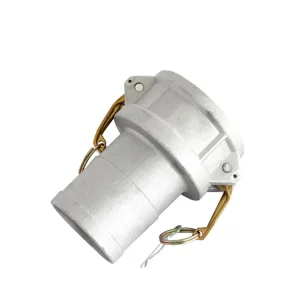
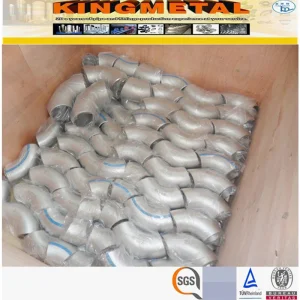
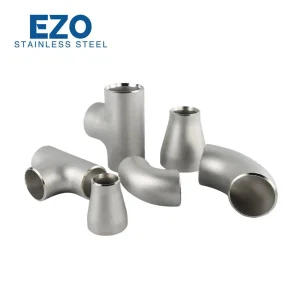
ElvisCast offers a comprehensive product range including ball valves, camlock couplings, stainless steel threaded pipe fittings, and customized precision casting parts. All products are manufactured using premium materials such as stainless steel, carbon steel, and alloy steel, ensuring excellent performance in high-pressure, high-temperature, and corrosive environments.
Equipped with modern investment casting lines, CNC machining centers, and complete inspection systems, the company guarantees high dimensional accuracy and consistent product quality. From mold design and casting to machining and surface treatment, ElvisCast provides fully integrated manufacturing services tailored to client specifications.
In addition to standard products, Shanghai ElvisCast Precision Co., Ltd. excels in OEM and ODM services, offering flexible customization in design, materials, and branding. Committed to innovation, efficiency, and customer satisfaction, the company continues to expand its global presence as a trusted partner for industrial valve, pipe fitting, and precision metal component solutions.
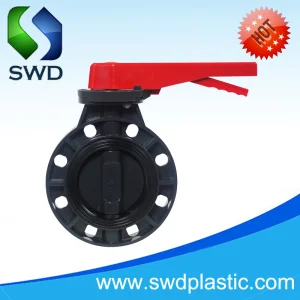
Complete your procurement list with our high-grade plastic composite valves, malleable cast iron fittings, pump assemblies, and quick-connect systems.
 ElvisCast Precision