CE Certified Anchors Suppliers & Exporters

Precision Engineered Structural Connection Systems for Critical B2B Applications Globally

Heavy Duty Fittings & Fluid Control Components

Engineered to integrate seamlessly with industrial anchoring platforms in critical safety-relevant installations.
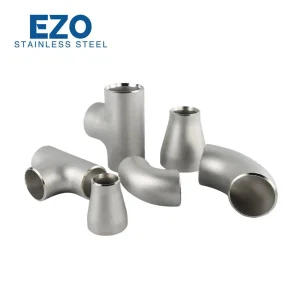
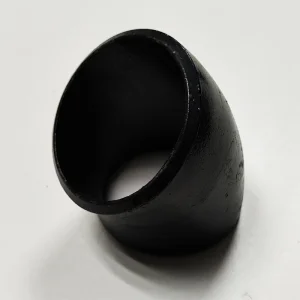
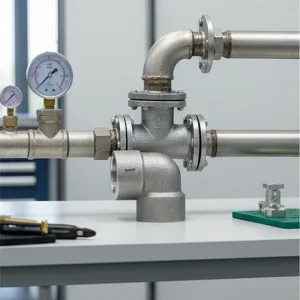
Stainless Steel Sch10 Flanged Tee Elbow

Stainless Steel Sch10 90 /45/180 Degree Smls Flanged Tee Elbow Tube Seamless Pipe Fitting

View Specifications
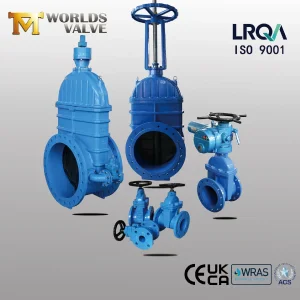
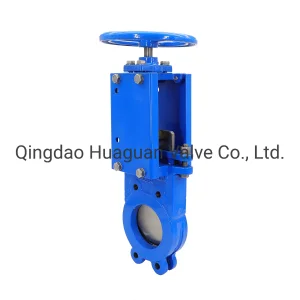
DIN Ductile Cast Iron Knife Gate Valve PN10

DIN Ductile Cast Iron Soft Seat Knife Gate Valve Pn10

View Specifications
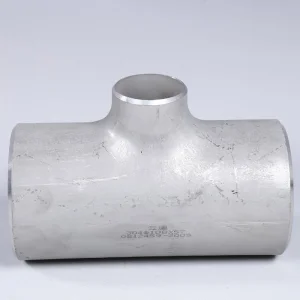
SS304/SS316L Wear-Resistant Butt-Weld Tee

SS304/SS316L Industrial Customized Wear-Resistant Straight Equal Butt-Weld Pipe Fitting Tee for Petroluem

View Specifications
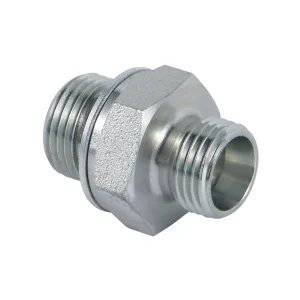
Customized Carbon Steel Hydraulic Hose Connector

Customized Carbon Steel Hydraulic Hose Elbow Connector Pipe Adapter Tube Quick Coupling Fittings

View Specifications
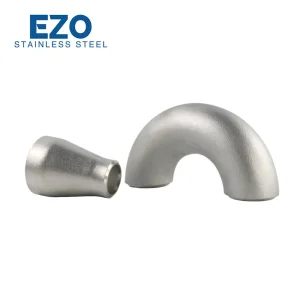
Stainless Steel Industrial Inox Butt Weld Pipe Fittings

Stainless Steel Industrial Inox Butt Weld Pipe Fittings Elbows Reducer

View Specifications
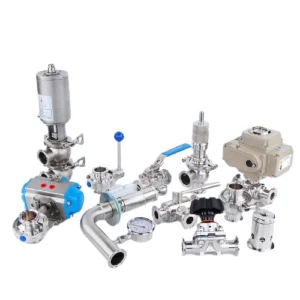
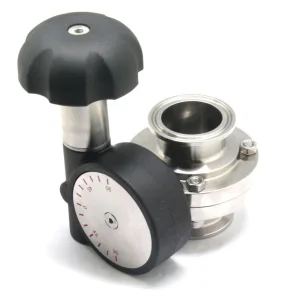
Sanitary Manual Pneumatic Electric Stainless Steel Valves

Sanitary Manual Pneumatic Electric Stainless Steel Sanitary Ball/Butterfly/Check/Diaphragm/Safety Relief/Sampling Valve

View Specifications
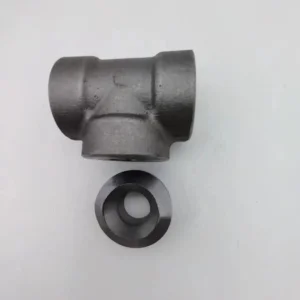
8 Inch Carbon Steel Elbow Tee Cap

8 Inch 219mm Sch40 Carbon Steel Elbow Tee Cap Socket Weld Pipe Fittings

View Specifications
High Pressure Forged Steel Threaded Socket-Weld Pipe Fitting

China-Factory-Manufacturer-Price High Pressure Forged Steel Threaded Socket-Weld Pipe Fitting

View Specifications

1. The Science of Anchor Systems: Crucial Concrete Connections

In structural engineering, the integrity of post-installed anchoring systems determines the performance limits of safety-critical designs. An anchor is not merely a fastening element; it is the fundamental bridge that transfers heavy shear, tension, and dynamic load trajectories from secondary steel structures directly into the concrete base material.

As professional suppliers and exporters, we recognize that the selection of structural anchors requires deep mechanical calculation. Modern concrete structures, subjected to fluctuating wind profiles, seismic activities, and heavy machinery vibrations, demand a predictable load distribution. Understanding this mechanics helps engineers select between expansion anchors, which rely on frictional resistance, and undercut anchors, which establish a mechanical interlock directly with the substrate.

Whether dealing with cracked or uncracked concrete conditions, structural components must adhere to rigorous engineering frameworks. By integrating metallurgical precision with advanced geometry, our manufacturing processes guarantee that each post-installed anchor provides optimal load-bearing values with reduced edge-distance constraints.

2. Deciphering CE Certification: EAD, ETA, & EN 1992-4 Standards

For projects within the European Economic Area (EEA) and global regions adhering to Eurocode structures, CE Certification for anchors is non-negotiable. The CE mark indicates compliance with a designated European Assessment Document (EAD).

Under the guidelines of the European Organization for Technical Assessment (EOTA), mechanical and chemical anchors are evaluated to receive a European Technical Assessment (ETA). The ETA certificate provides detailed values concerning:

  • Cracked Concrete Performance: Mechanical anchors certified under ETA Option 1 (now analyzed under EN 1992-4) are designed to withstand tension zones where concrete tensile cracks of up to 0.3mm may develop.
  • Seismic Performance Categories (C1 and C2): Critical infrastructure in seismically active zones requires anchors qualified for seismic category C2, ensuring the anchor maintains load capacity during high-cyclic displacement.
  • Fire Resistance Classifications: Testing under standard temperature-time curves (R30 through R120) ensures that structural connections retain load capacity during building fires.

Designing in accordance with EN 1992-4 (Design of concrete connections) allows engineers to accurately calculate failure modes, such as concrete cone failure, pull-out failure, steel failure, and concrete pry-out. Buying from CE certified exporters ensures that all safety factors, characteristic resistances, and displacement tolerances are rigorously documented and verified.

3. Original Supplier Profile: Shanghai ElvisCast Precision Co., Ltd.

Shanghai ElvisCast Precision Co., Ltd. is a leading industrial valve and pipe fitting manufacturer, specializing in high-quality precision casting parts and OEM solutions for global industries. With a strong focus on advanced manufacturing technology and strict quality control, the company delivers reliable components widely used in oil & gas, chemical processing, water treatment, power generation, and general industrial applications.

ElvisCast offers a comprehensive product range including ball valves, camlock couplings, stainless steel threaded pipe fittings, and customized precision casting parts. All products are manufactured using premium materials such as stainless steel, carbon steel, and alloy steel, ensuring excellent performance in high-pressure, high-temperature, and corrosive environments.

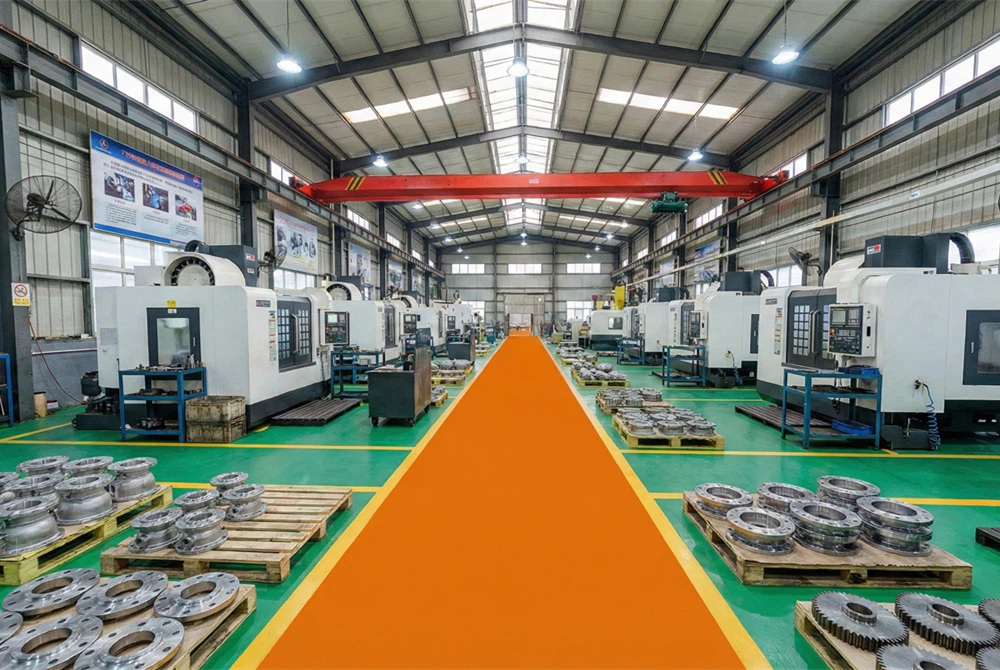
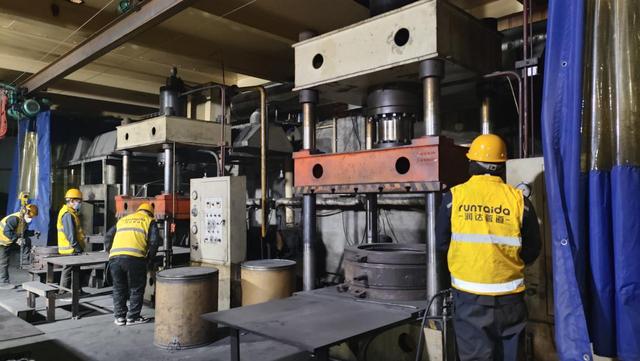
Equipped with modern investment casting lines, CNC machining centers, and complete inspection systems, the company guarantees high dimensional accuracy and consistent product quality. From mold design and casting to machining and surface treatment, ElvisCast provides fully integrated manufacturing services tailored to client specifications.

In addition to standard products, Shanghai ElvisCast Precision Co., Ltd. excels in OEM and ODM services, offering flexible customization in design, materials, and branding. Committed to innovation, efficiency, and customer satisfaction, the company continues to expand its global presence as a trusted partner for industrial valve, pipe fitting, and precision metal component solutions.

4. Advanced QA and Material Integrity Testing

Engineering trust demands advanced validation infrastructure. At our manufacturing facility, raw material validation begins with high-performance optical emission spectrometers to guarantee precise chemical composition. Our testing protocols cover:

  • Tensile & Shear Testing: Determining ultimate limit state values of anchor rods and sleeves to map elastic deformation and ultimate plastic failure points.
  • Salt Spray Testing (ASTM B117): Assessing hot-dip galvanized and stainless steel components (such as SS316/A4-80) to verify corrosion resistance in marine and chemical plants.
  • Ultrasonic and Non-Destructive Testing (NDT): Detecting internal structural voids within cast-in-place anchor channels and custom heavy duty precision components.

Why Choose CE Certified Systems?

  • Regulatory Alignment: Fully compliant with European Construction Products Regulation (CPR) requirements.
  • Traceable Manufacturing: Full batch-traceability from raw steel melt to the packed product box.
  • Verified Load Profiles: Independent lab testing data provides exact safety parameters for structural software integration.
  • Extreme Durability: Available in high-performance grades for harsh corrosive conditions.

Engineering Support

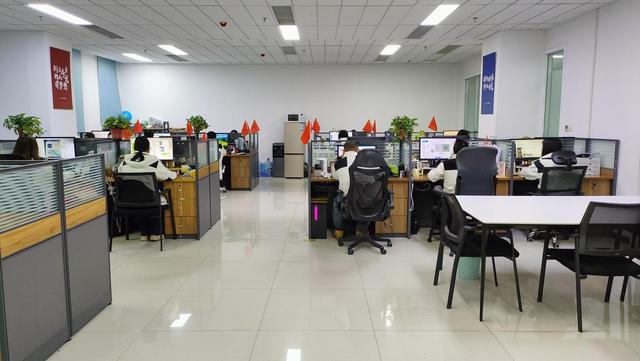
Our technical team provides comprehensive calculations, FEA analysis, and OEM casting consultations. We bridge the gap between design requirements and mass production.

China Manufacturing Advantages & Global Supply Chains

Why international B2B buyers choose Shanghai ElvisCast for custom structural anchors and component manufacturing.

Advanced Precision Investment Casting

Utilizing lost-wax and precision silica sol casting methodologies allows us to achieve fine tolerances (ISO 8062 CT4-CT6) for structural anchor components. This eliminates expensive secondary machining, providing cost efficiency.

Metallurgical Quality Assurance

We use premium alloys, including duplex stainless steels, standard AISI 316, and high-tensile carbon steels. Every production batch is certified with an EN 10204 3.1 material test report, tracing mechanical integrity back to the melt.

Scalable B2B Global Supply Logistics

Located close to Shanghai Port, one of the world's most active shipping hubs, we ensure rapid customs processing and global logistical operations. We support diverse shipping models, including FOB, CIF, DDP, and tailored framework contracts.

15+

Years Engineering Expertise

100%

Traceable B2B Batches

45+

Exporting Destinations

ETA

Compliant Parameters

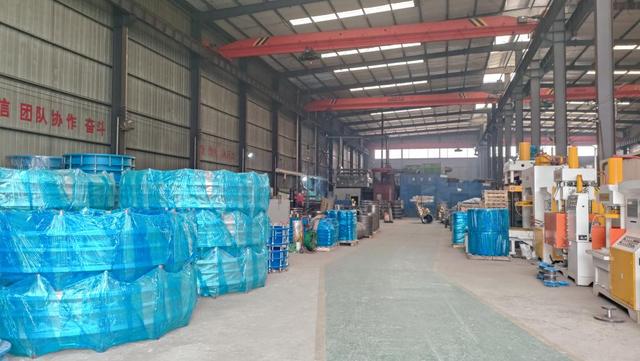
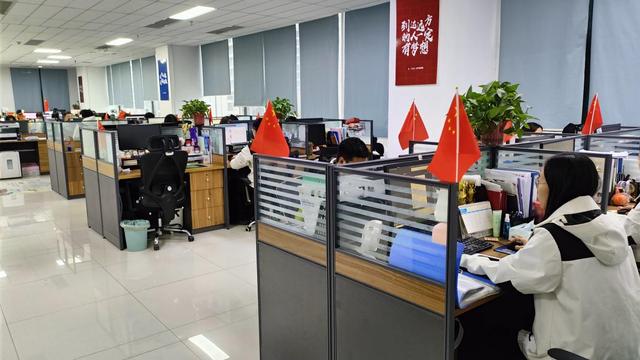
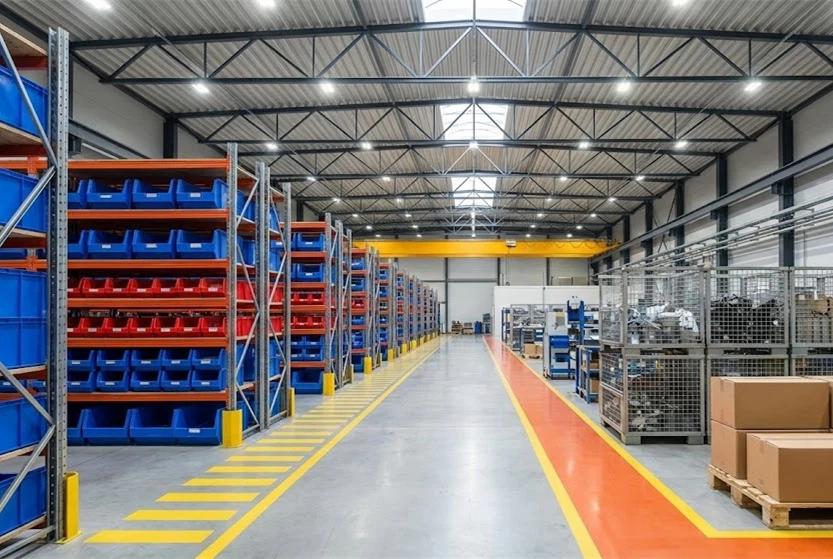
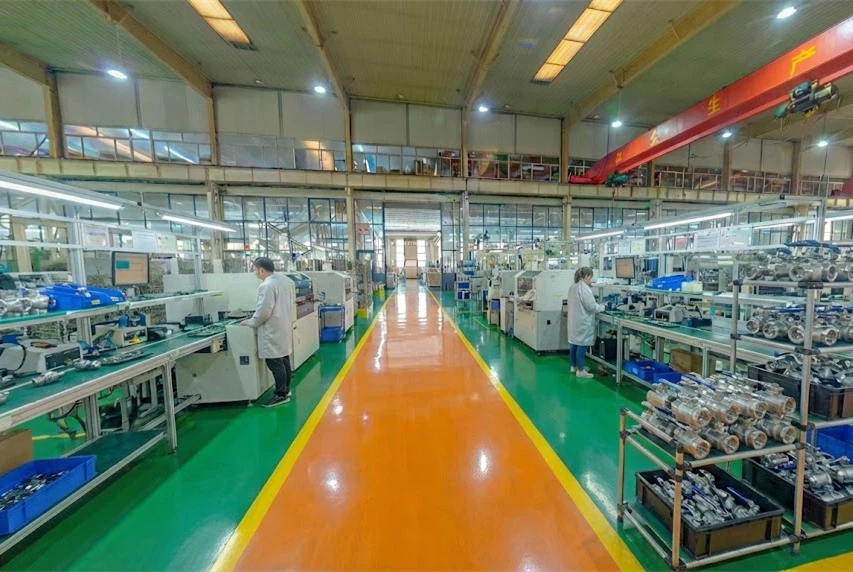
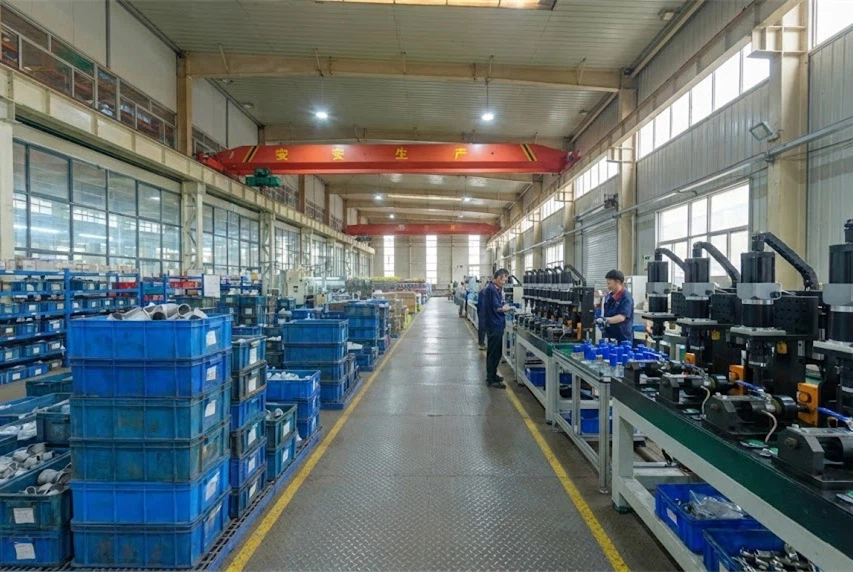
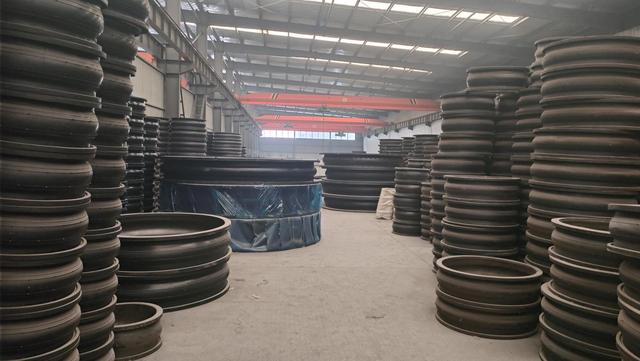
Advanced Precision Manufacturing Facility

Inside ElvisCast: precision casting lines, high-tech CNC centers, and comprehensive quality control labs.

ElvisCast Facility Image 1
ElvisCast Facility Image 2
ElvisCast Facility Image 3
ElvisCast Facility Image 4
ElvisCast Facility Image 5
ElvisCast Facility Image 6
ElvisCast Facility Image 7
ElvisCast Facility Image 8
ElvisCast Facility Image 9
ElvisCast Facility Image 10

Technical Q&A: Concrete Anchoring & Connections

Expert structural connection advice for engineers, project designers, and global procurement managers.

Q1: What is the main structural difference between cracked and uncracked concrete anchor designs?
Concrete naturally cracks under tension. Under EN 1992-4, designs assume that structural anchoring zones may exhibit hairline cracks up to 0.3mm wide, which reduces the effective friction and interlocking capacity. Anchors rated under ETA Option 1 are tested to perform reliably within these dynamic conditions, whereas Option 7 anchors are restricted to uncracked concrete zones.
Q2: When should mechanical undercut anchors be selected over chemical/adhesive anchors?
Mechanical undercut anchors establish a direct mechanical interlock by drilling a bell-shaped void at the base of the borehole. They are ideal for high-temperature zones, critical dynamic loadings, and applications requiring immediate capacity without curing times. Chemical anchors are preferred for reduced edge distances and spacing since they do not exert expansion stresses on the concrete.
Q3: How does Shanghai ElvisCast guarantee the material properties of customized cast anchor sleeves?
We operate fully integrated spectrometer analysis labs to check the melt composition before pouring. Every production batch undergoes heat treatment validation, hardness checks (Brinell/Rockwell), and tensile testing. All certificates are compiled under EN 10204 3.1 reports for ultimate traceability.
Q4: What corrosion protection coatings do you offer for harsh marine or chemical processing environments?
We provide hot-dip galvanizing (HDG) conforming to ISO 1461, zinc plating, mechanical plating, and organic barrier coatings. For extreme environments like offshore platforms or chemical processing zones, we manufacture anchors using high-grade marine stainless steels such as AISI 316 (A4) or duplex stainless steels.
Q5: Can customized anchoring systems be designed via OEM/ODM pathways?
Yes, our casting and CNC machining capabilities enable custom engineering. We work directly from customer CAD drawings (STEP, DWG formats), conducting finite element analysis (FEA) to ensure the design meets target safety parameters prior to mold fabrication and mass casting.
Q6: How do seismic performance categories C1 and C2 differ for anchoring applications?
Seismic C1 is intended for non-structural elements under low-to-moderate seismic hazard zones, requiring simple cyclic verification. Seismic C2 represents a much more rigorous testing sequence where the anchor is subjected to dynamic cyclic displacements under simulated earthquake stresses. This qualifies the anchor for safety-critical load paths in high-seismic zones.
Q7: What is the typical lead time for custom container-load anchor exports?
Standard OEM production cycles average 30 to 45 days, including casting, precision machining, surface treatment, and quality inspection stages. Urgent project requirements can often be prioritized through scheduled phase shipments.
Q8: How does the design calculation account for edge distance and spacing between anchors?
Under EN 1992-4, edge distance and spacing calculations are crucial to prevent concrete splitting and concrete cone failure. By using high-strength steel grades and advanced wedge geometries, our CE certified anchors are designed to minimize spacing limitations, allowing closer installation clusters without compromising load capacities.

Industrial Valves, Couplings & Machined Components

Heavy-duty fluid handling and precision machined solutions manufactured to complement modern structural installations.
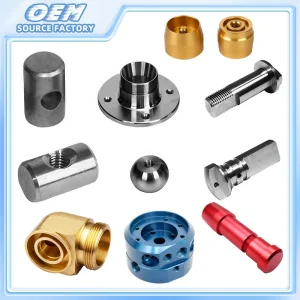
Customized CNC Machined Aluminum Stainless Steel Parts

Customized Metal Processing Machinery Part Aluminum/Stainless Steel Precision Lathe Turning CNC Machined Machining Part for Truck/Trailer/Car/Auto/Agriculture

View Specifications
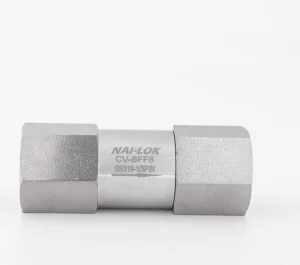
Non-Return SS316 Check Valve 3000psi

Non-Returen SS316 Check Valve 3000psi 1/4inch Female Cracking Pressure 1psi Check Valve

View Specifications
Socket Weld Pipe Exporter

Socket Weld Pipe and High Pressure Pipe Fitting Exporter

View Specifications
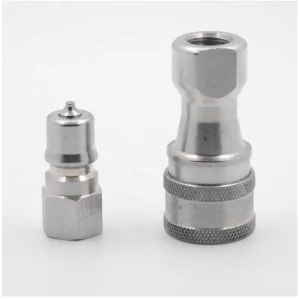
Quick Disconnect Coupling High Pressure

Quick Coupling Brass Quick Disconnect Coupling High Pressure Water Quick Disconnect Coupling for Air and Gas Hose Quick Connect Hydraulic Quick Coupling

View Specifications
Ductile Iron Wedge Gate Valve

Non-Rising /out Side Rising Stem Ductile Iron Wedge Gate Valve with Rubber Sealed Disc BS5163 DIN3202 F4 F5 Awwac509 Hand Wheel /Bevel Gear Operated

View Specifications
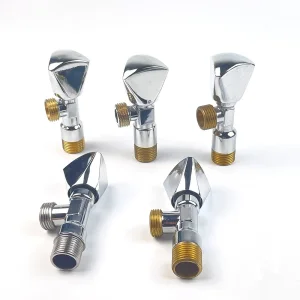
Valve Brass Check Ball Faucet Fittings

Valve Zinc Angle Valve Brass Angle Valve Valve Check Valve Ball Valve Ss Tube Globe Valve Bibcock Valve Pipe Fittings Tap Faucet Kitchen Faucet Bathroom Faucet

View Specifications
Hydraulic Quick Connect Hose Fittings

Hydraulic Connections ISO 7241-a Bsp Thread 1/4" Steel Quick Connect Hose Fittings Pressure Release Coupling

View Specifications
Pneumatic Butterfly Valve Triple Offset

Pneumatic Keystone Lugged Wafer Butterfly Valve with Triple Offset SS304/SS316L Electric Actuator

View Specifications