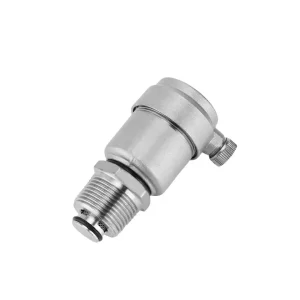
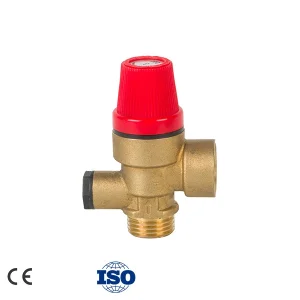
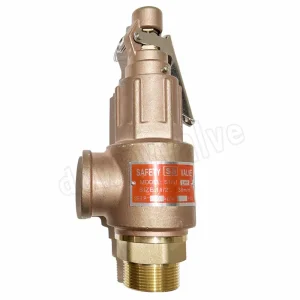
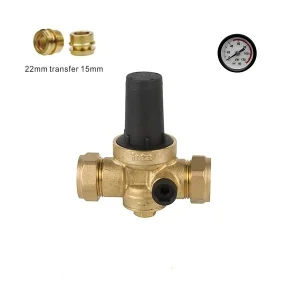
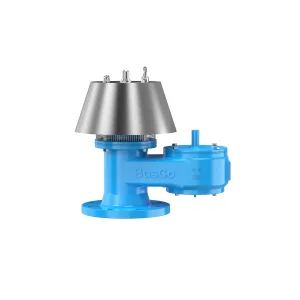
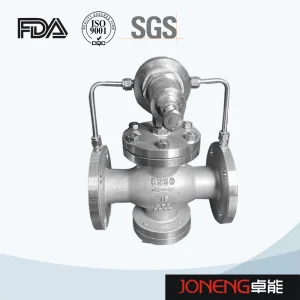
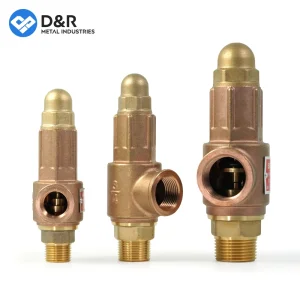
France remains one of the world's most sophisticated industrial markets, driven by rigorous safety standards such as the **NF (Norme Française)** and strict adherence to European Directive **2014/68/EU (PED)**. As a critical supplier to French factories, we understand that pressure relief valves (PRVs) are not merely components—they are the last line of defense in complex thermal and chemical processes.
From the nuclear energy hubs in the Rhône Valley to the aerospace corridors of Toulouse, French industry demands valves that offer unparalleled reliability. The integration of Pressure Relief Valves is vital for maintaining the integrity of pressurized systems, preventing catastrophic failures, and ensuring the safety of personnel in high-density industrial zones across Marseille, Nantes, and Lille.
France produces approximately 70% of its electricity from nuclear power. Our high-precision investment casting valves are designed to meet the extreme thermal stress requirements of primary and secondary cooling loops in plants like Gravelines and Cattenom.
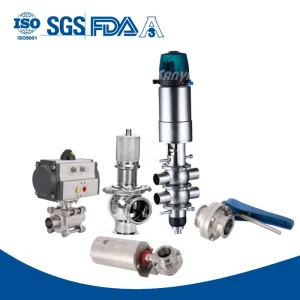
In the wine regions of Bordeaux and Champagne, pressure control during fermentation is critical. Our stainless steel relief valves prevent tank over-pressurization while maintaining sanitary standards required by French food safety authorities.
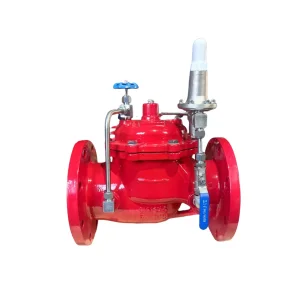
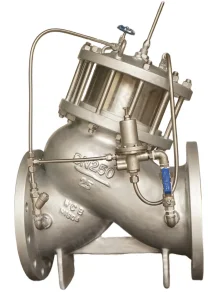
The urban heating networks of Paris (CPCU) require robust pressure regulation valves to manage the distribution of steam and hot water across thousands of residential buildings, ensuring energy efficiency and safety.
The French "Industrie du Futur" initiative is driving a massive shift toward digitalized manufacturing. Modern pressure relief valves are now evolving to include:
Utilizing sensor data to predict when a valve might need servicing before a failure occurs, a key priority for French chemical giants like Air Liquide.
As France invests heavily in green hydrogen (Plan France 2030), the demand for valves that can handle hydrogen embrittlement is skyrocketing.
French manufacturers are prioritizing recycled stainless steel and eco-friendly casting processes to meet EU carbon neutrality goals.
Shanghai ElvisCast Precision Co., Ltd. is a leading industrial valve and pipe fitting manufacturer, specializing in high-quality precision casting parts and OEM solutions for global industries. With a strong focus on advanced manufacturing technology and strict quality control, the company delivers reliable components widely used in oil & gas, chemical processing, water treatment, power generation, and general industrial applications.
ElvisCast offers a comprehensive product range including ball valves, camlock couplings, stainless steel threaded pipe fittings, and customized precision casting parts. All products are manufactured using premium materials such as stainless steel, carbon steel, and alloy steel, ensuring excellent performance in high-pressure, high-temperature, and corrosive environments.
Equipped with modern investment casting lines, CNC machining centers, and complete inspection systems, the company guarantees high dimensional accuracy and consistent product quality. From mold design and casting to machining and surface treatment, ElvisCast provides fully integrated manufacturing services tailored to client specifications.
In addition to standard products, Shanghai ElvisCast Precision Co., Ltd. excels in OEM and ODM services, offering flexible customization in design, materials, and branding. Committed to innovation, efficiency, and customer satisfaction, the company continues to expand its global presence as a trusted partner for industrial valve, pipe fitting, and precision metal component solutions.
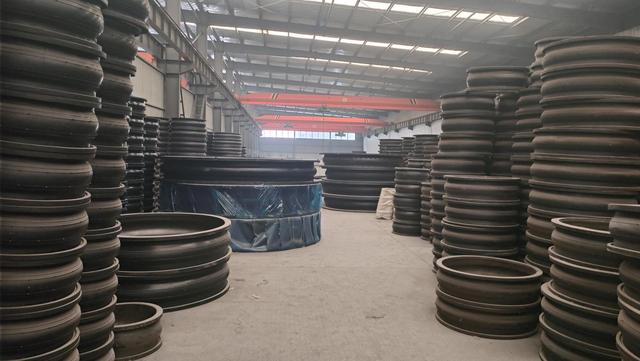

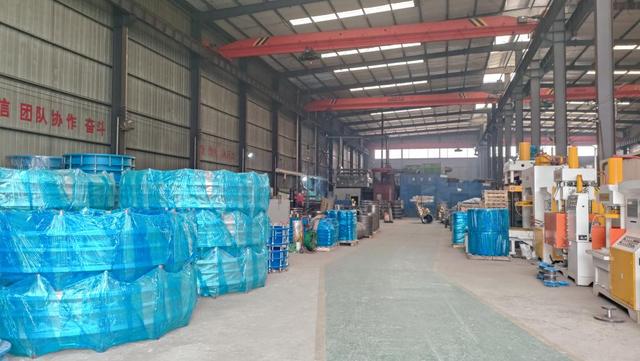

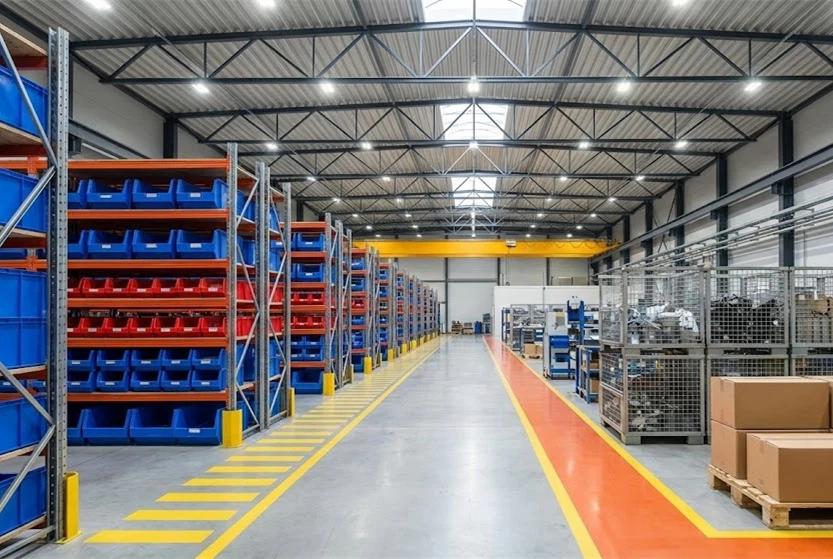
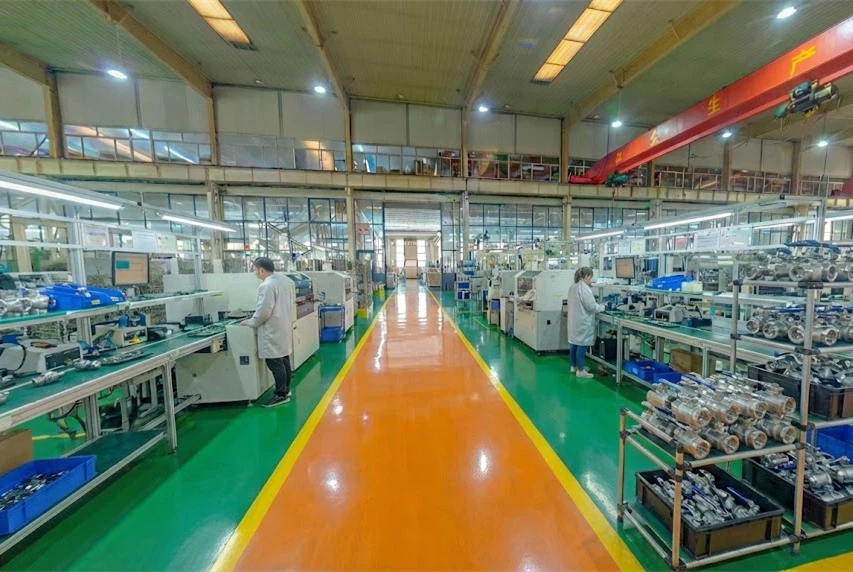
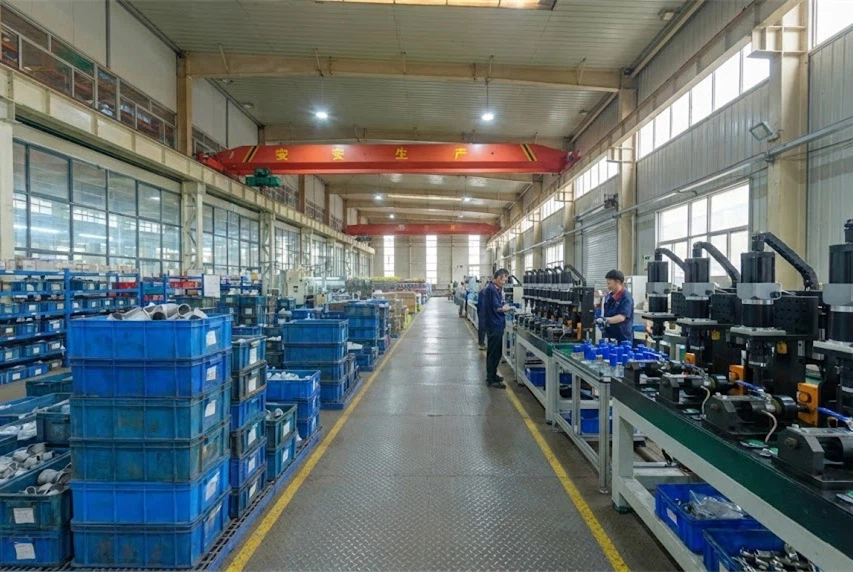
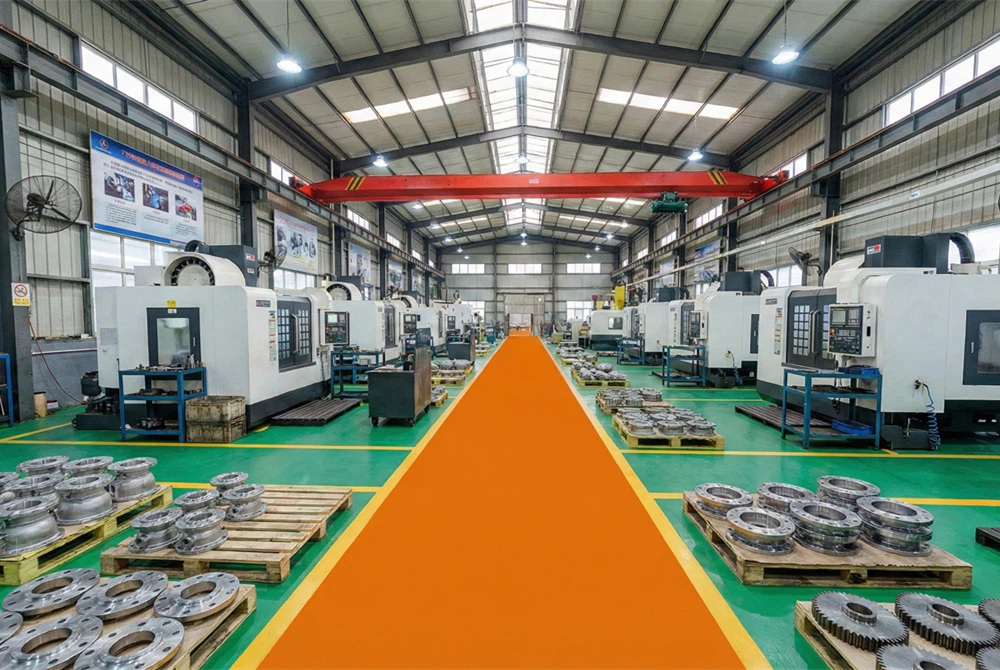
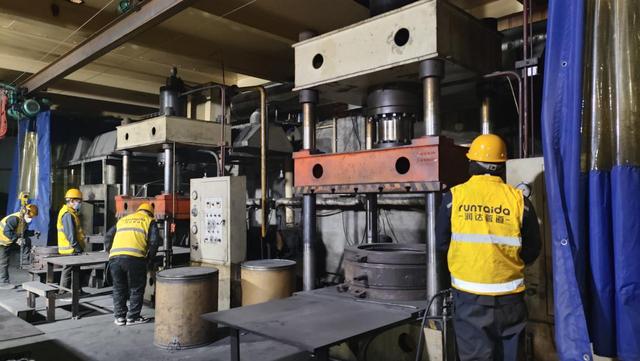

We utilize the latest in investment casting to ensure that every pressure relief valve meets the chemical composition and mechanical property standards required by the most demanding French industrial applications.
Our engineering team works directly with French factory managers to design customized safety solutions, from custom thread specifications to brand-integrated labeling.
Every valve is tested for set pressure and leakage under conditions that mimic the real-world environments of French nuclear, oil, and gas sectors.
 ElvisCast Precision